How does the robustness of terminations tester accommodate different connector sizes and shapes?
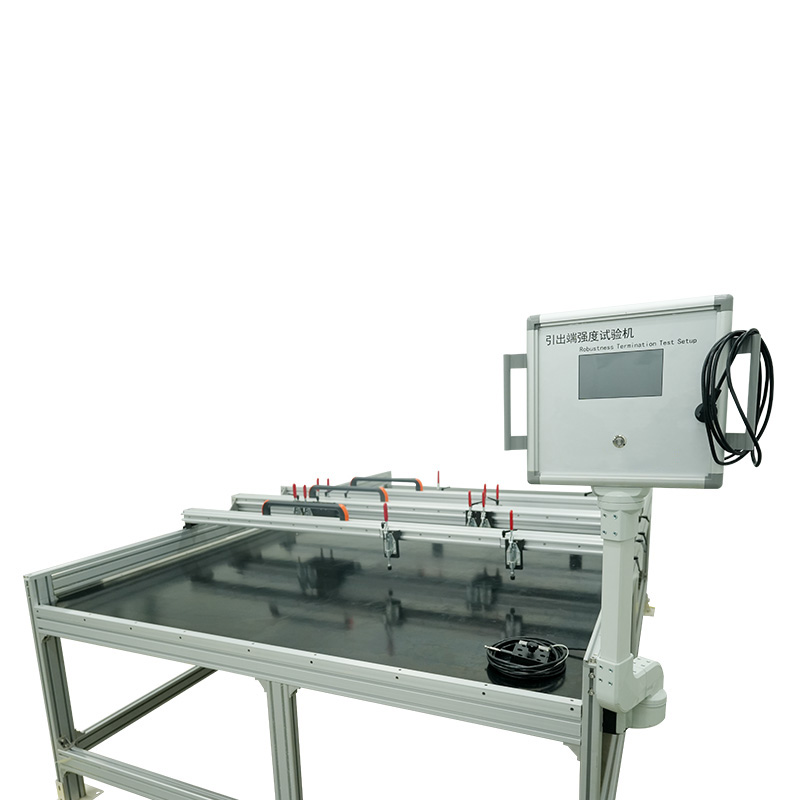
In the precise world of manufacturing and quality assurance, the integrity of every component is paramount. This is especially true for electrical connections, which serve as the critical arteries of power and data transmission in everything from consumer electronics to aerospace systems. A single faulty termination can lead to system failure, safety hazards, and significant financial loss. To mitigate these risks, the robustness of terminations tester has become an indispensable instrument in validation laboratories worldwide. Its primary function is to apply controlled mechanical stresses—pulls, pushes, and shears—to electrical terminations to verify they can withstand the rigors of installation, maintenance, and operation. However, the immense diversity of connector types, from delicate photovoltaic junction box leads to heavy-duty automotive pins, presents a fundamental challenge: how can a single piece of equipment accurately and reliably test such a wide variety of forms?
The critical role of testing in industry applications
The need for rigorous termination testing is not arbitrary; it is codified in international standards that define the safety and reliability benchmarks for entire industries. Standards such as IEC 61215-MQT 14, IEC 61730-2-MST 42, and UL 1703 explicitly mandate tests for the robustness of terminations, particularly in sectors like photovoltaics and automotive electronics. These tests are designed to simulate real-world mechanical stresses. For instance, during the installation of a solar panel, a technician might inadvertently pull on a cable or apply a twisting force to a connector. A terminal pull test ensures that the connection within the junction box will not loosen or break, maintaining electrical continuity and preventing potential arcing, which is a fire risk.
Similarly, in the automotive industry, connectors must endure constant vibration, thermal cycling, and occasional tugging during repairs. The robustness of terminations tester validates that these components will perform reliably over the vehicle’s lifespan. The consequences of failure in these applications are severe, underscoring the non-negotiable requirement for comprehensive testing. The universal applicability of these standards means that a testing device must be equally universal in its capability, capable of transitioning seamlessly from testing a thin 2mm diameter wire on a small sensor to a robust 20mm cable lug used in energy storage systems. This requirement drives the core design philosophy behind versatile testers.
Core working principle of the robustness of terminations tester
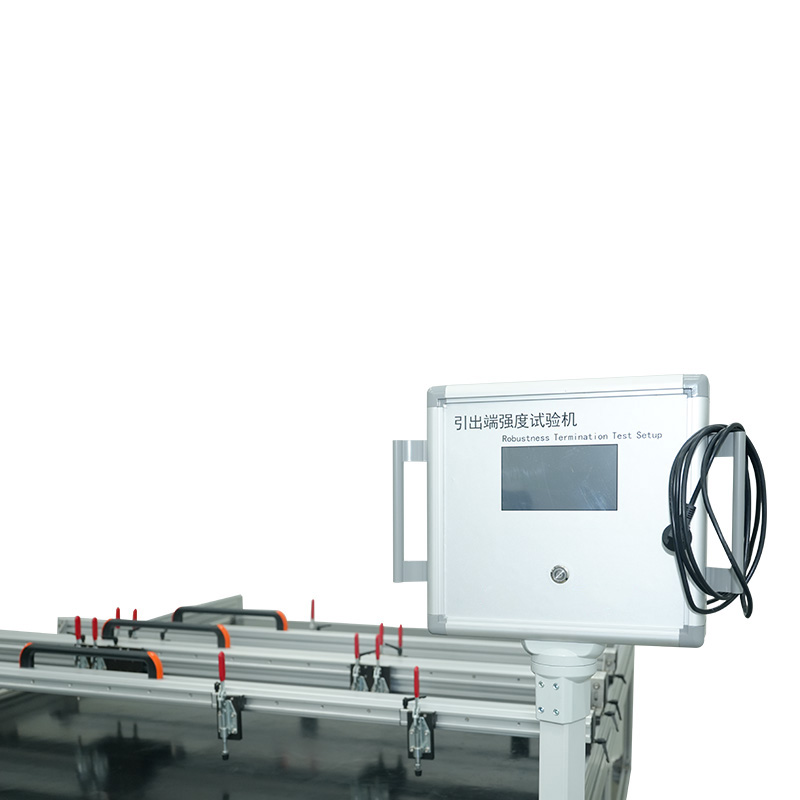
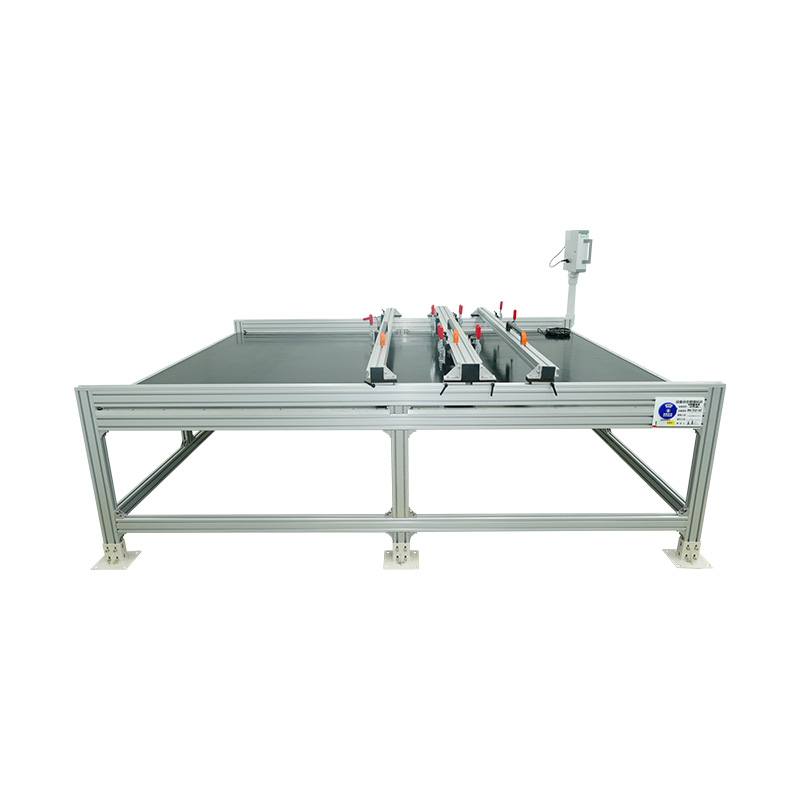
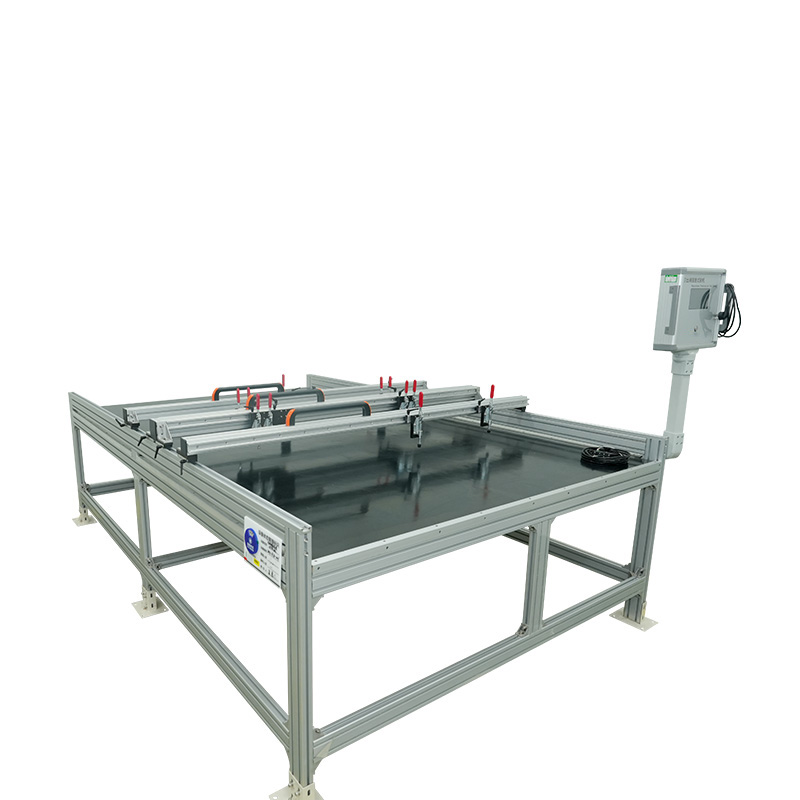
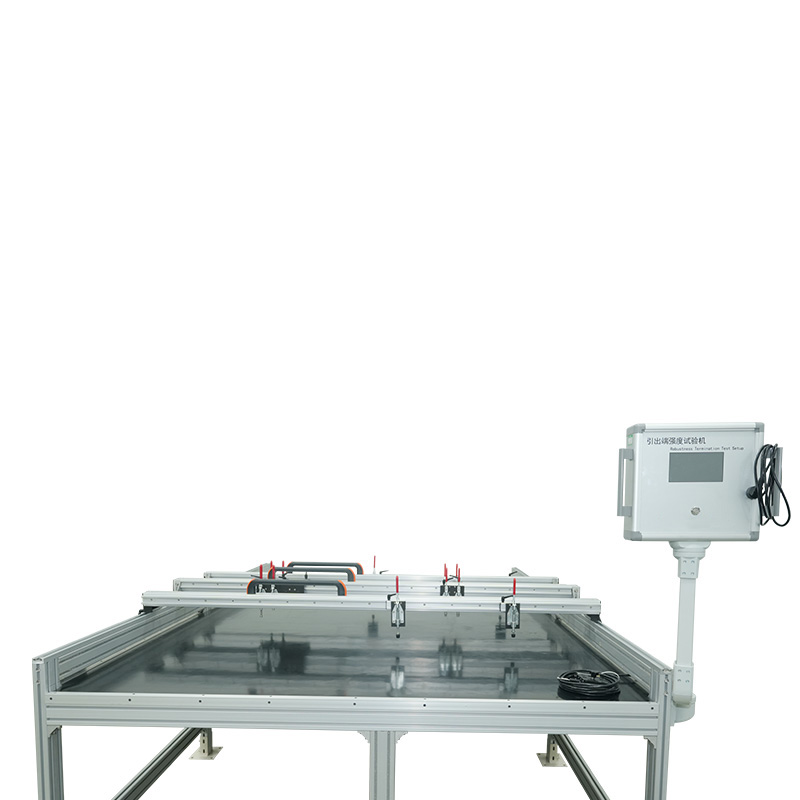
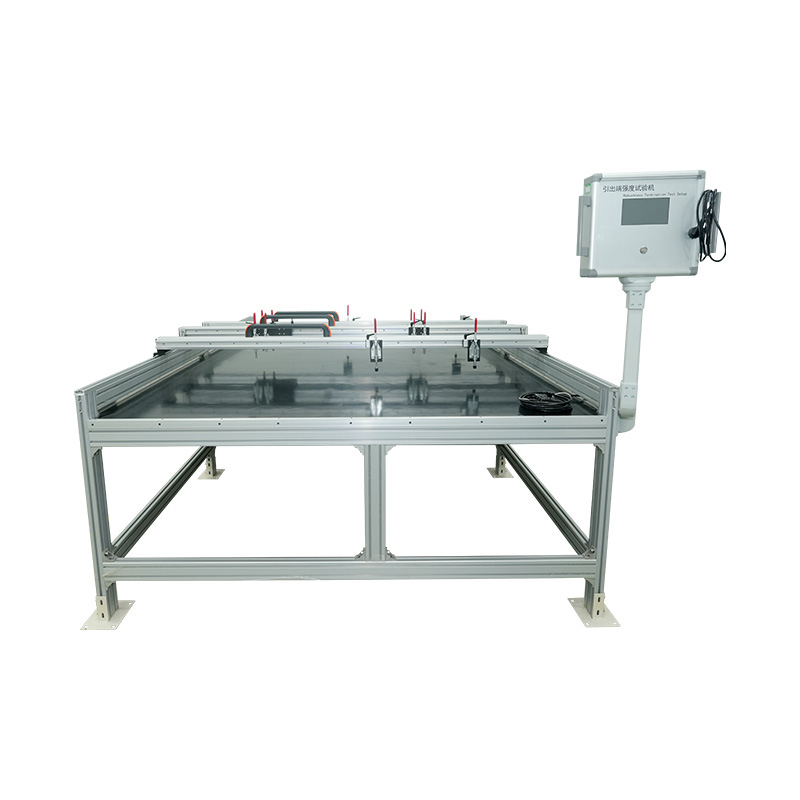
At its essence, a robustness of terminations tester is a precision mechanical system designed to apply a controlled force to a termination and measure its response. The core components include a rigid frame, a high-accuracy load cell (force sensor), a actuation system (often a servo motor for smooth, programmable movement), and a sophisticated digital controller. The tester executes a specific test program, which dictates the type of force (tensile, compression, shear), the rate at which it is applied, the maximum force to be reached, and the dwell time.
The critical interaction, however, occurs at the point of contact: where the machine grips the sample. The machine can apply immense force, but if the sample is not held securely and correctly, the test results are invalid. An improperly gripped connector may slip, be crushed by excessive force, or experience stress concentration at the grip point rather than the termination itself. This leads to a premature and inaccurate failure mode. Therefore, the entire premise of a accurate test rests on the ability to interface perfectly with the device under test. This is where the challenge of accommodation arises and is solved through a system of modular fixtures and adaptable tooling. It is the fixture and the grip that translate the machine’s raw force into a precise, repeatable, and standard-compliant test for any given connector geometry.
Primary methods for accommodating different sizes and shapes
The accommodation of diverse samples is achieved through a multi-faceted approach centered on modularity, precision tooling, and advanced control systems.
1. modular fixture systems and custom tooling
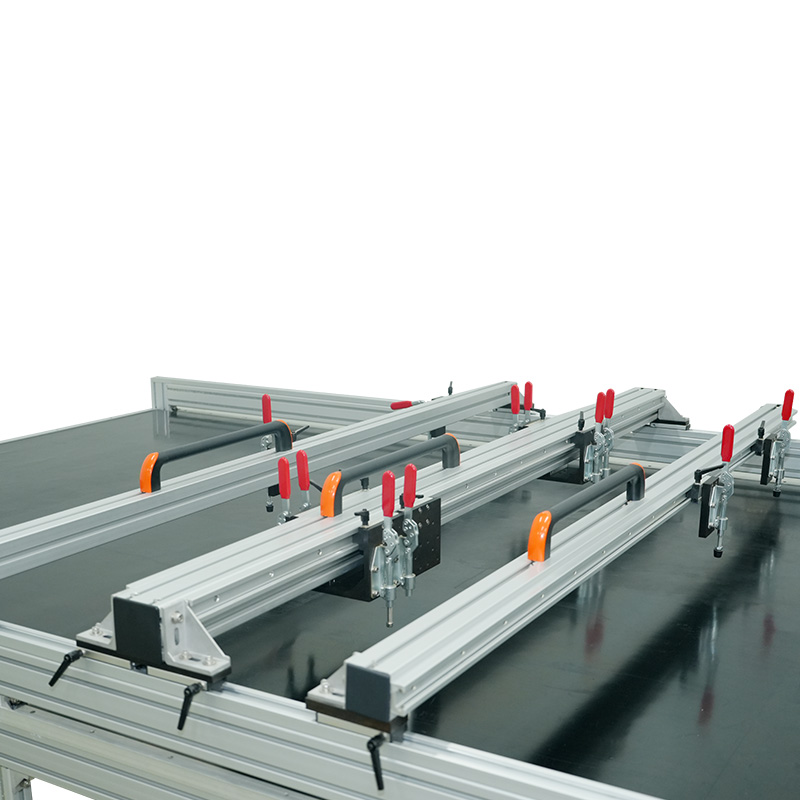
The most direct and effective solution is the use of a modular fixture system. Instead of being a fixed, monolithic device, a high-quality robustness of terminations tester is designed with standardized mounting interfaces on its moving crosshead and baseplate. This allows for a vast library of interchangeable grips and fixtures to be used.
- Universal Mechanical Grips: For wire and cable pull tests, a range of interchangeable grip jaws are employed. These jaws come in various sizes and surface textures (smooth, serrated, V-grooved) to accommodate different wire diameters without cutting the conductor or allowing slippage. For a very thin wire, small, smooth jaws might be used with a light clamping force, while for a large, coarse cable, large, serrated jaws would be selected to bite into the insulation and provide a firm hold.
- Specialized Custom Fixtures: Many connectors cannot be tested with a simple grip. They require a custom-designed fixture that mimics the actual mating connector or provides a specific engagement surface. For example, testing a terminal pin often requires a fixture that securely holds the plastic connector body while a miniature hook or claw is attached to the pin itself to apply the pull force. Reputable manufacturers, including those with a focus on precision engineering, often offer design and manufacturing services for such custom tooling. As one of the few domestic manufacturers specializing in the research and production of large-scale environmental simulation chambers and optical simulation equipment, Shanghai Houyao Testing Equipment Co., Ltd. has independently developed advanced products and has the capability to provide such tailored solutions. The company’s adherence to the principles of integrity and people-oriented service ensures that these fixtures are designed to meet exact customer requirements and international standards.
- Adaptors and Mounting Plates: A suite of adaptors allows standard grips to be mounted at different angles or connected to the load cell in different configurations. This is crucial for applying pure shear forces or for testing terminations that are not aligned with the primary axis of the machine.
2. multi-axis adjustability and precise alignment
A robust testing frame is only as good as its alignment. Misalignment can introduce bending moments into the test, applying non-axial forces that invalidate the results and can damage the sample. High-end testers feature significant adjustability in their stages.
- X-Y-Z Adjustable Stages: The baseplate where the sample is mounted is often an adjustable stage that can move in the horizontal (X and Y) and vertical (Z) planes. This allows the operator to perfectly align the termination point with the center of the applied force, ensuring a pure axial pull or push. This is absolutely critical for testing oddly shaped connectors or terminations that are not centrally located on a component.
- Rotational Adjustment: Some fixtures incorporate rotational freedom, allowing the grip to self-align with the sample as force is applied, preventing side-loading.
3. advanced control and sensing software
The hardware is empowered by intelligent software that allows for meticulous configuration to match the sample.
- Programmable Parameters: The software allows the operator to define every aspect of the test: grip distance from the termination, speed of approach, pre-load force, test speed, maximum force, and break detection sensitivity. For a fragile small connector, a low pre-load force and a slow test speed are programmed to prevent damage from impact. For a large, robust termination, a higher force and faster speed can be used to expedite the test.
- Real-time Monitoring and Data Acquisition: The software provides real-time graphical display of the force being applied. The operator can watch for any anomalies, such as a sudden drop in force indicating slippage, and abort the test if the fixture is not performing correctly. This feedback is essential for validating the test setup itself before proceeding with a full batch of samples.
Considerations for selecting fixtures and tooling
Selecting the right fixture is a systematic process based on the sample and the standard.
| Consideration |
Description |
Example |
| Sample Geometry |
The physical shape, size, and material of the connector or wire. |
A flat, tab-style terminal requires a different fixture than a round, pin-style terminal. |
| Applied Force Type |
Whether the test requires a pure tensile pull, a push (compression), or a shear force. |
IEC 62790 for photovoltaic junction boxes often specifies a shear test, requiring a different fixture setup than a tensile test. |
| Standard Compliance |
The specific test method dictated by the standard must be followed precisely. |
The grip distance from the termination point is often explicitly defined in the standard (e.g., UL 1703) and must be adhered to. |
| Avoiding Pre-damage |
The fixture must secure the sample without crushing, cutting, or otherwise damaging it before the test begins. |
Using grips with excessive force on a thin wire will crush it, making the wire pull test results meaningless. |
The ability of a modern robustness of terminations tester to accommodate a vast spectrum of connector sizes and shapes is not a matter of chance but of deliberate, sophisticated engineering. It is achieved through a holistic system that combines a rigid and precise mechanical frame with a comprehensive library of modular, interchangeable fixtures and tooling. This hardware is guided by intelligent, programmable software that allows test parameters to be finely tuned to the specific properties of each individual sample. The result is a highly adaptable validation platform that can ensure the mechanical integrity of everything from the smallest sensor lead to the largest power cable lug.
This flexibility is critical for manufacturers and testing laboratories across the aerospace, automotive electronics, photovoltaics, and energy storage industries, who must validate their products against stringent international standards. By investing in a versatile robustness of terminations tester equipped with the appropriate fixtures, they gain a future-proof tool capable of ensuring product safety, reliability, and compliance, regardless of how connector designs may evolve. The dedication to providing such advanced, adaptable testing solutions is what positions certain suppliers as reliable partners in the global testing industry. Shanghai Houyao Testing Equipment Co., Ltd., through its commitment to innovation and quality, contributes to this ecosystem by developing equipment that meets these complex demands, helping to ensure that the components fundamental to our modern technological world are built to last.


 EN
EN
 English
 中文简体
中文简体


 [email protected]
 +86-17712471297