What Makes Hipot & Insulation Testers Indispensable in Electrical Safety and Reliability Testing?
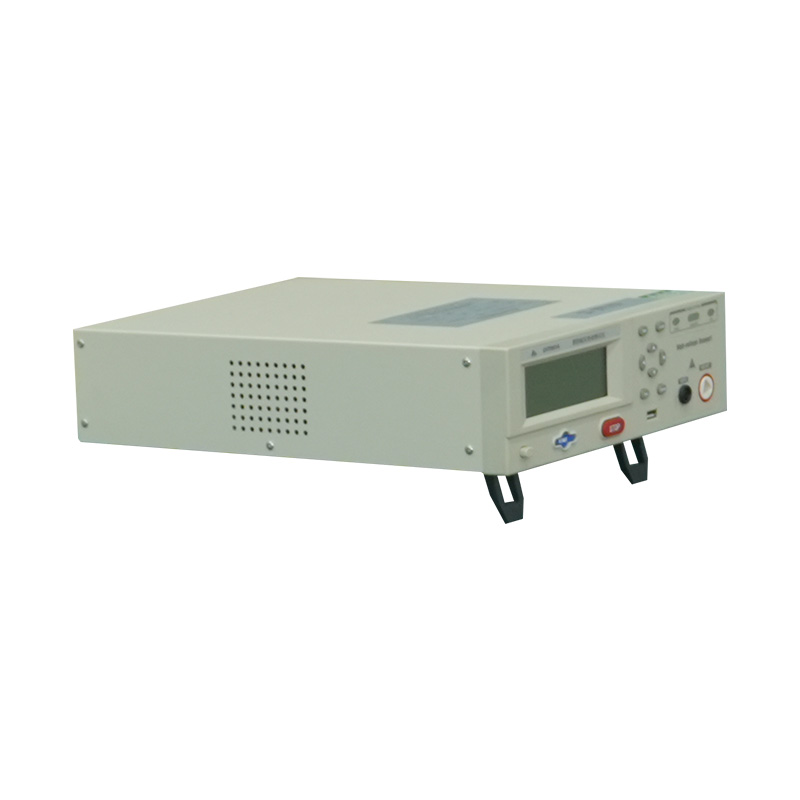
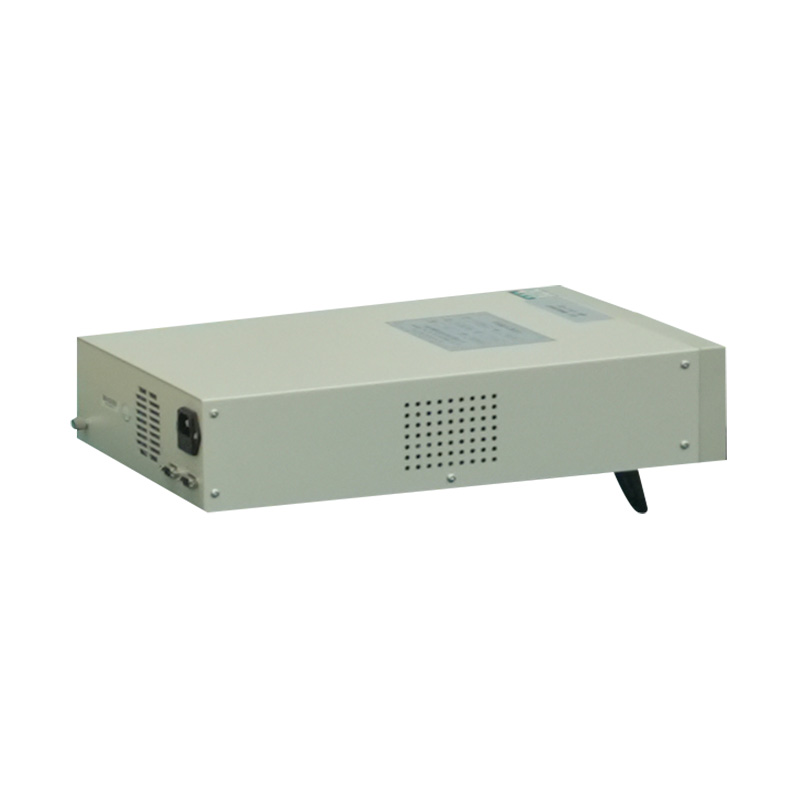
In modern electrical equipment manufacturing and maintenance, Hipot & Insulation Testers have become essential tools for ensuring device safety and reliability. Whether in low-voltage electrical appliances, industrial control systems, electric vehicles, or photovoltaic systems, insulation performance and dielectric strength are critical factors affecting equipment lifespan and user safety. Hipot (High Potential) testing and insulation testing not only evaluate the voltage withstand capability of materials and products but also identify potential insulation defects early, providing scientific support for safe production and quality control.
Principles and Functions of Hipot Testing
Hipot testing primarily evaluates the insulation performance of electrical equipment under high voltage. Its core principle is applying a voltage significantly higher than the normal operating voltage to the electrical circuit and measuring leakage current to determine the integrity of insulation. Hipot testing can be categorized into:
- AC Hipot Test: Applies alternating high voltage to test insulation under AC conditions. Suitable for transformers, motor windings, and high-voltage switchgear.
- DC Hipot Test: Applies direct high voltage to measure leakage current, ideal for cables, plugs, and high-voltage electronic devices.
- Ramp Voltage Test: Gradually increases applied voltage to identify the breakdown point of insulation, commonly used in material selection and design validation.
Through Hipot testing, potential insulation defects can be detected before the product leaves the factory, preventing insulation breakdown that could lead to fire, electric shock, or equipment damage, significantly improving electrical device safety and reliability.
Importance of Insulation Testing
Insulation testing assesses the resistance of electrical insulation. The principle involves applying a DC voltage to the test object and measuring the microcurrent passing through the insulation. Higher insulation resistance indicates better insulation performance.
Key benefits include:
- Predicting equipment lifespan: Long-term monitoring of insulation resistance helps assess aging and schedule maintenance.
- Ensuring operational safety: Prevents short circuits and electric shocks caused by low insulation resistance.
- Compliance with standards: Insulation testing is a mandatory requirement in international and national electrical standards, such as IEC, UL, and GB.
In fields such as photovoltaic inverters, industrial automation, household appliances, and electric vehicles, insulation testing is an essential quality control method.
Technical Features of Hipot & Insulation Testers
Modern Hipot & Insulation Testers continue to evolve to meet diverse testing requirements. Key technical features include:
- Multi-mode testing: Supports AC Hipot, DC Hipot, insulation resistance, and leakage current measurement for wide applicability.
- High-precision measurement: Advanced leakage current measurement technology with microamp-level resolution ensures reliable results.
- Safety protection design: Built-in current limiting, overvoltage protection, and emergency stop features ensure operator and equipment safety.
- Digitalization and automation: High-end models include computer control, data storage, and automatic test sequences, improving efficiency and repeatability.
These technical features make Hipot & Insulation Testers suitable for both laboratory R&D and production line quality control, as well as field maintenance.
Industry Applications and Trends
With the trend toward efficient, lightweight, and intelligent electrical devices, the application of Hipot & Insulation Testers continues to expand. Typical applications include:
- Electric vehicle batteries and power systems: Test insulation performance of battery modules and high-voltage circuits in vehicles.
- Photovoltaic and renewable energy systems: Evaluate insulation reliability of inverters, PV modules, and associated electrical equipment.
- Household appliances and industrial automation: Ensure safe operation of motors, power modules, and control systems.
Industry trends indicate:
- Integrated testing systems: Combine Hipot, insulation resistance, and leakage current testing for comprehensive evaluation.
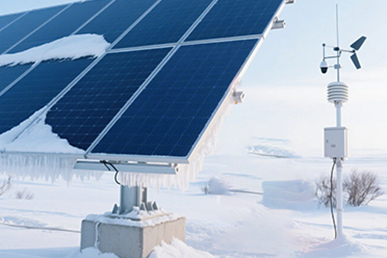
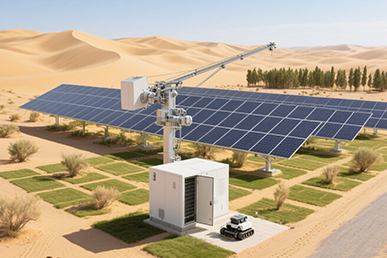
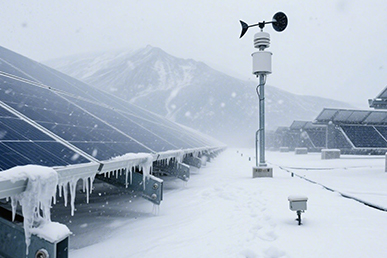
- Environmental simulation testing: Conduct tests under temperature, humidity, UV, and light conditions to simulate real working environments.
- Intelligent and remote control: Data acquisition and analysis enable remote monitoring, test optimization, and fault prediction.
Corporate Innovation and Practice
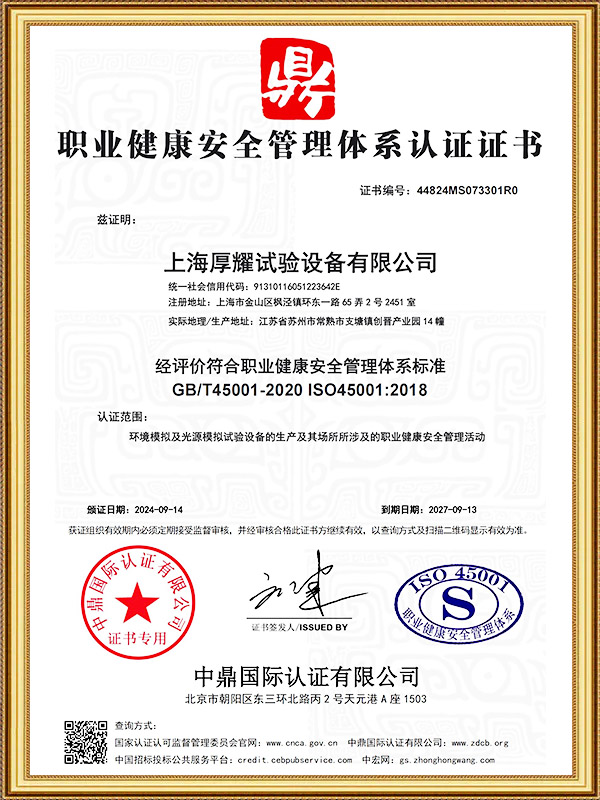
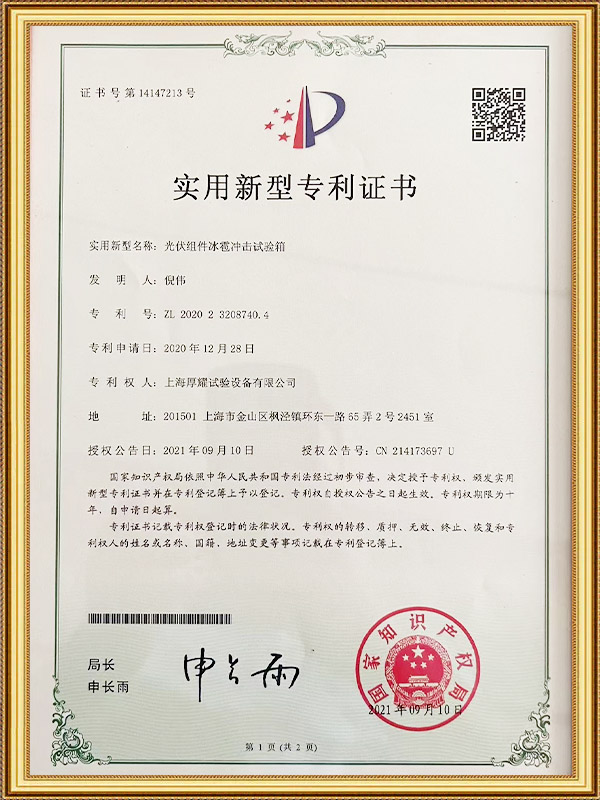
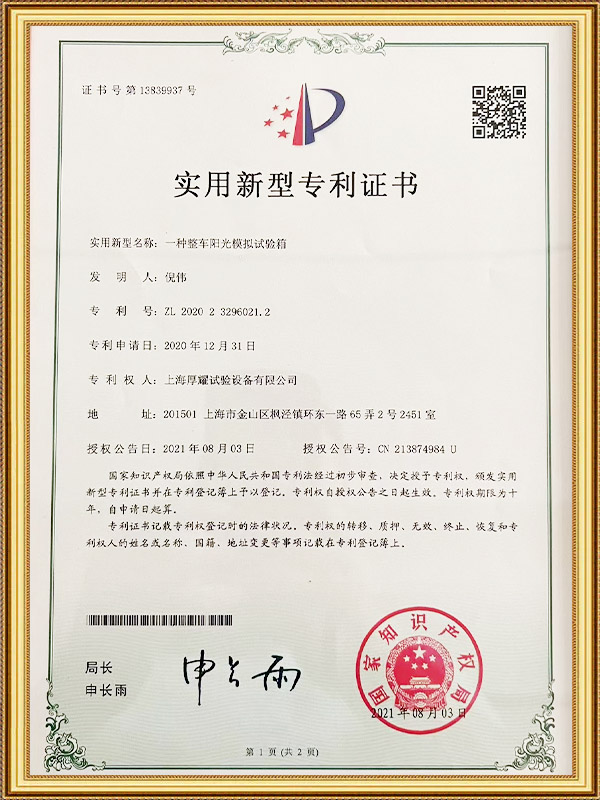
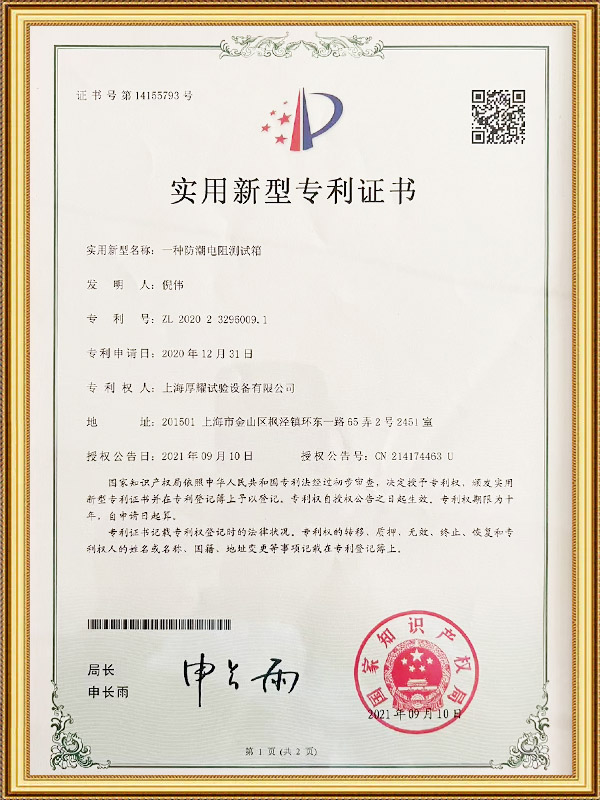
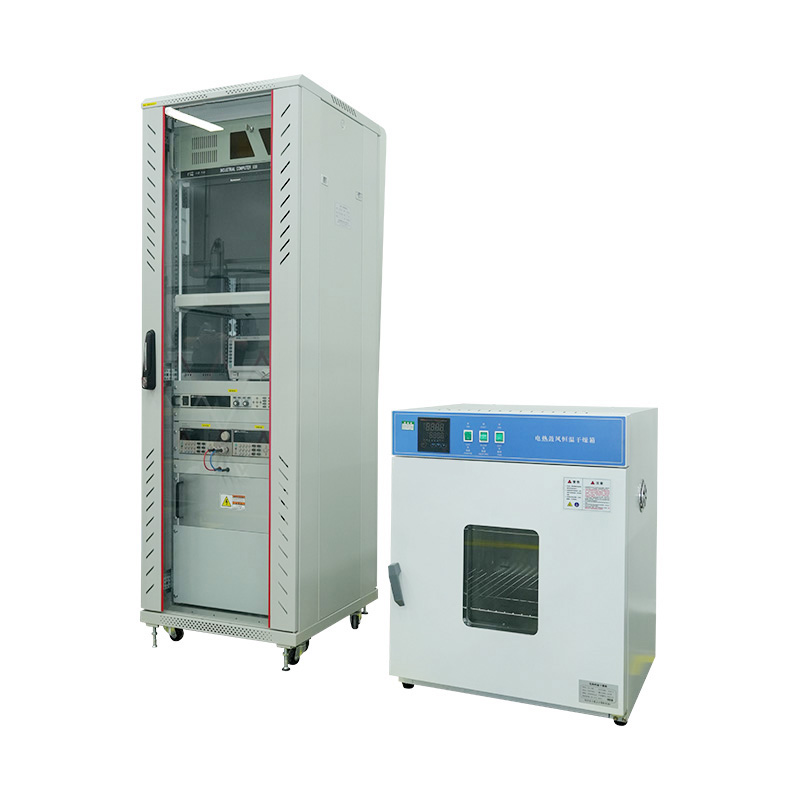
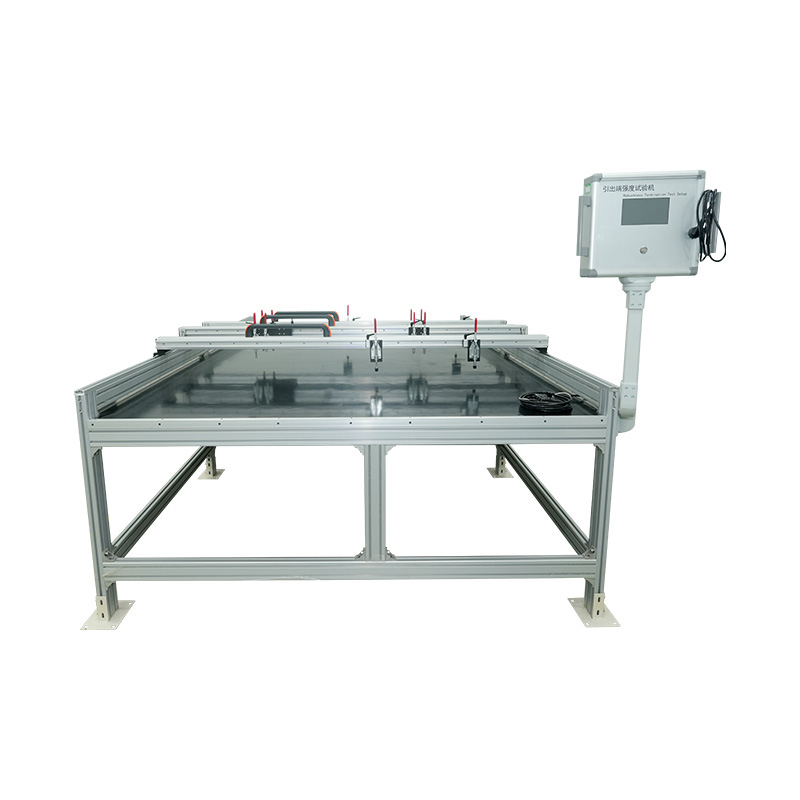
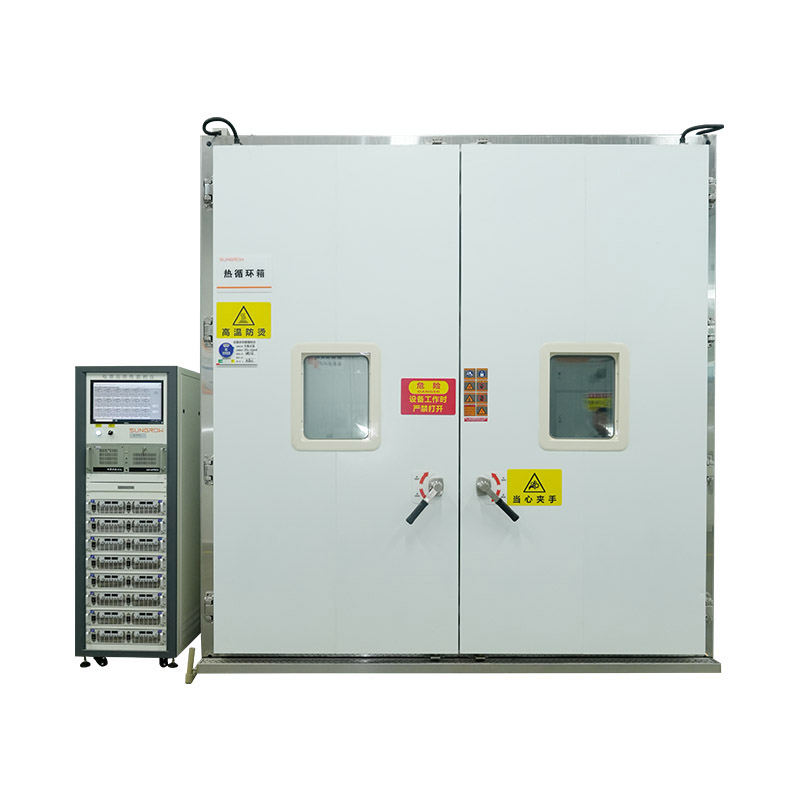
Shanghai Houyao Testing Equipment Co., Ltd. has independently developed advanced testing equipment, including low-voltage test chambers, full-vehicle sunlight simulation chambers, and 2000W and 4000W photovoltaic UV and sunlight simulation systems. These systems not only support standard Hipot & Insulation testing but also allow material and product verification under complex environmental conditions. The company’s innovation in composite optical and environmental simulation products fills gaps in the industry and advances the development and application of high-reliability electrical products.
In practical applications, Shanghai Houyao’s equipment can be combined with Hipot & Insulation Testers to perform high-voltage withstand tests, insulation aging assessments, and environmental adaptability verification, providing a complete testing solution for electrical equipment manufacturers.
Conclusion
Hipot & Insulation Testers are indispensable tools in the R&D, production, and maintenance of electrical equipment. By evaluating dielectric strength and insulation resistance, they effectively ensure device safety and reliability. As electrical products advance and industry standards evolve, the functions of Hipot & Insulation Testers continue to expand, transitioning from standalone tests to composite environmental and intelligent management. Shanghai Houyao Testing Equipment Co., Ltd.'s innovations further drive industry progress, bringing electrical product safety, performance, and reliability to new levels.
Hipot & Insulation Testers not only represent the core of electrical safety testing but also reflect the direction and technical level of the industry, with their application value expected to grow continuously.


 EN
EN
 English
 中文简体
中文简体


 [email protected]
 +86-17712471297