What is the Role and Importance of a PID Tester in PV Module Performance and Reliability Evaluation?
The performance and reliability of photovoltaic (PV) modules have become critical concerns in the renewable energy industry. As solar installations expand globally, ensuring long-term efficiency and safety of PV systems is a priority for manufacturers, researchers, and end-users. Among the various degradation mechanisms that can affect PV modules, Potential-Induced Degradation (PID) has emerged as one of the most significant factors impacting module longevity.
Understanding Potential-Induced Degradation (PID)
PID refers to a loss of power output in PV modules due to voltage stress between the solar cells and the grounded frame. This degradation is typically accelerated under conditions of high voltage, temperature, and humidity. The effects of PID can be manifested in reduced current generation, increased leakage currents, and in some cases, irreversible damage to solar cells.
Mechanisms of PID:
- Ion migration: Under high electric fields, mobile ions in the encapsulant or glass can migrate towards the cell, creating shunt paths.
- Surface charge accumulation: Charge buildup on the cell surface can cause localized shunting and efficiency loss.
- Insulation breakdown: Over time, the dielectric layers between the cells and module frame may degrade, accelerating PID effects.
Accurate evaluation of these mechanisms requires controlled testing environments, where factors such as temperature, humidity, and applied voltage can be precisely regulated.
The Function and Advantages of a PID Tester
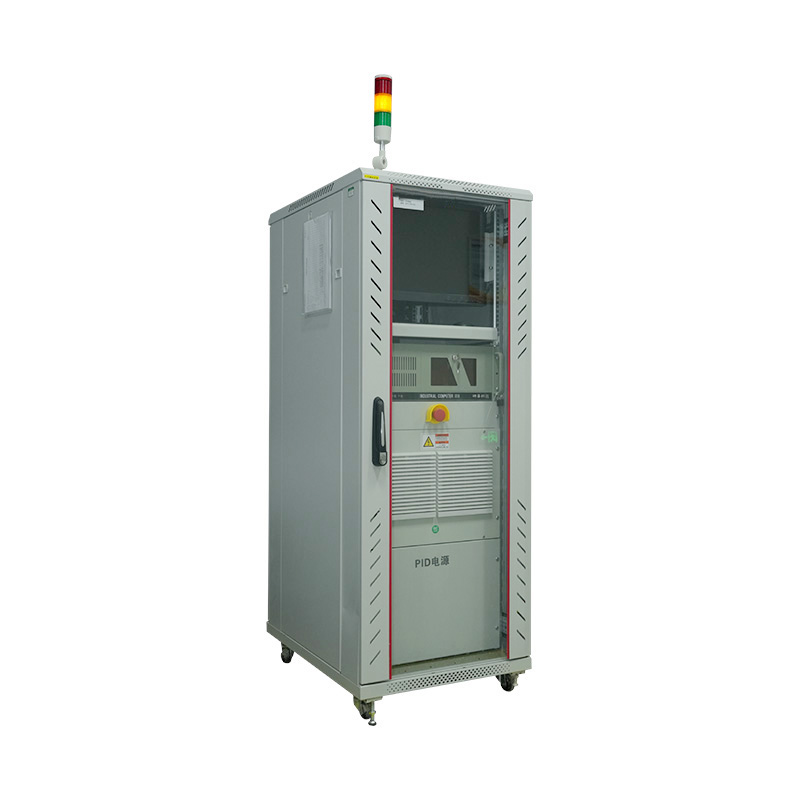
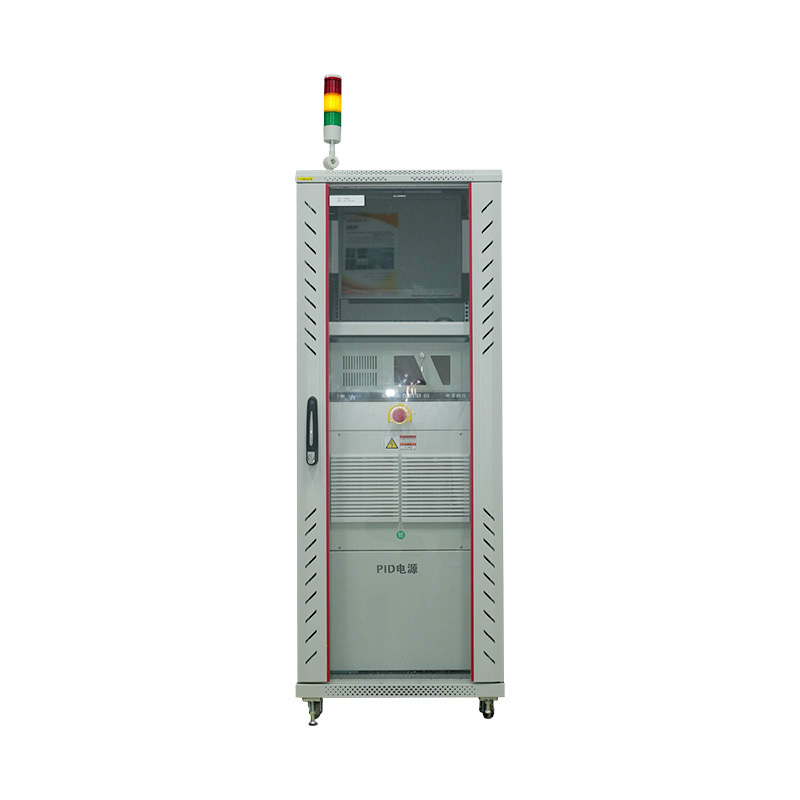
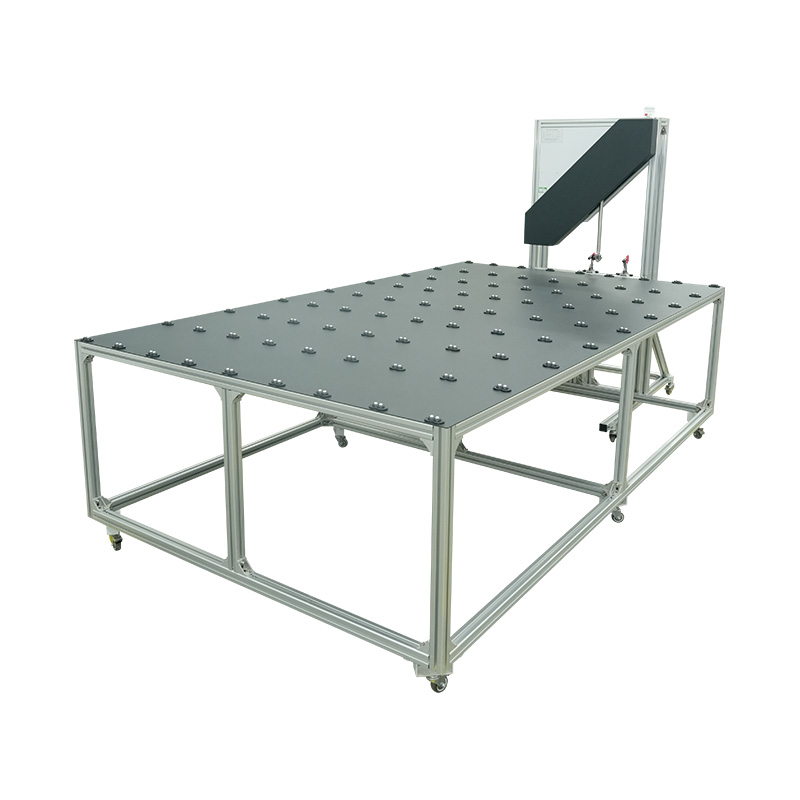
A PID tester is specifically designed to accelerate and monitor PID in PV modules under standardized conditions. By applying a negative voltage bias to the module in a controlled environment, engineers can observe the onset and progression of degradation. Key advantages of using a PID tester include:
- Early detection of potential failures: Allows manufacturers to screen modules before shipment, reducing field failures.
- Reliability verification: Confirms that module designs meet international standards for PID resistance.
- Research and development support: Enables material and design optimization for enhanced long-term stability.
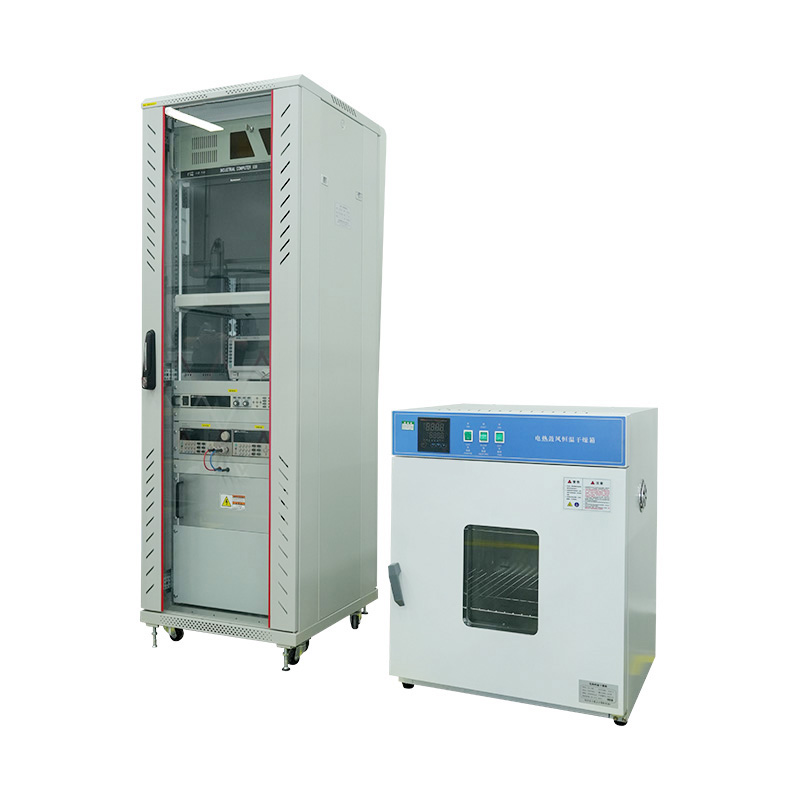
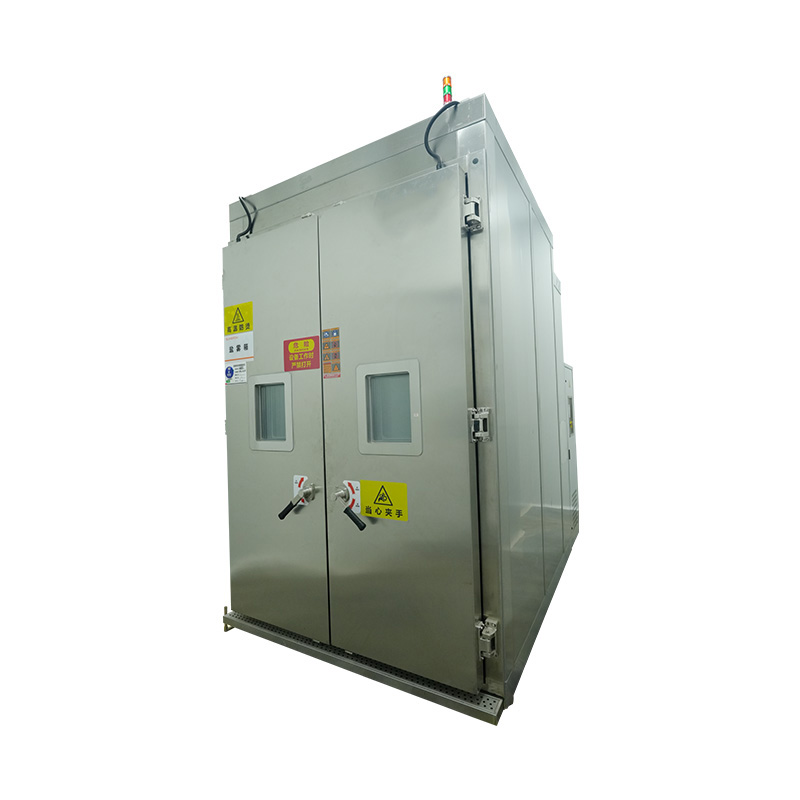
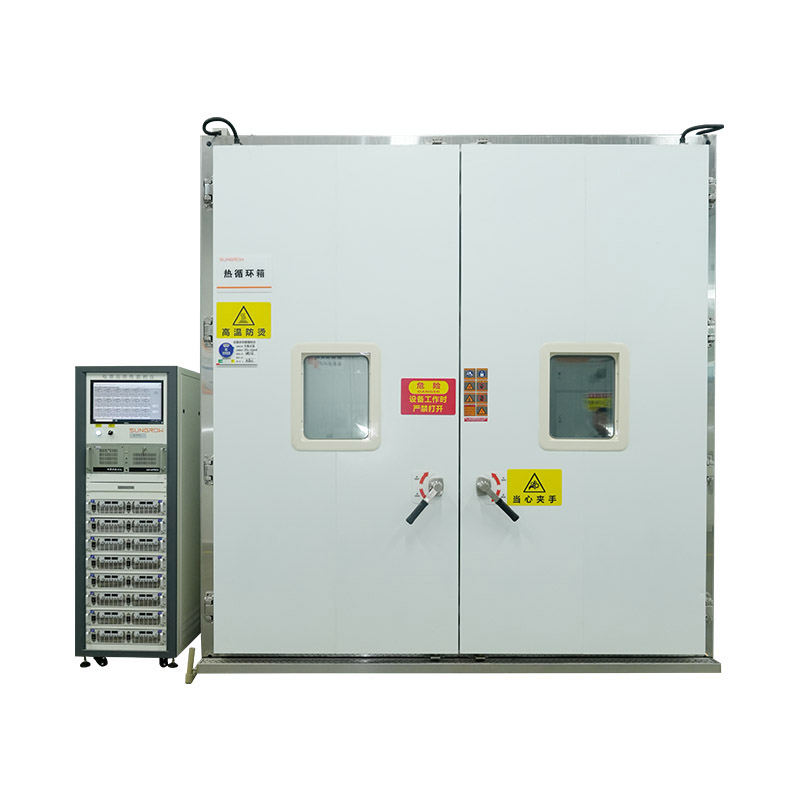
Modern PID testers often integrate with PID test chambers, which simulate environmental stresses such as high temperature and humidity. This combination ensures that testing reflects realistic operational conditions and accelerates degradation for quicker evaluation cycles.
Components and Design of PID Test Chambers
A PID chamber for PV modules is a critical component in accelerated testing protocols. The chamber provides a controlled environment that replicates real-world stresses while maintaining safety and consistency. Typical features include:
- Temperature Control System: Maintains high temperatures to accelerate ion migration and surface charge effects.
- Humidity Control System: Provides adjustable humidity levels to simulate moisture-induced degradation.
- Voltage Application Module: Applies a DC voltage bias to induce potential differences between the PV cells and the grounded frame.
- Monitoring and Data Acquisition: Integrates sensors and software to continuously monitor leakage currents, voltage, and temperature, enabling real-time analysis.
Applications and Importance in the PV Industry
The application of PID testers and PID chambers extends across several critical areas in the PV industry:
- Quality Assurance: Ensuring new PV modules meet stringent reliability standards.
- Failure Analysis: Diagnosing modules that exhibit unexpected degradation in the field.
- Material Testing: Evaluating new encapsulants, glass coatings, and cell technologies for PID resistance.
- Regulatory Compliance: Meeting industry standards such as IEC 62804, which specifies methods for PID testing in crystalline silicon modules.
Through these applications, PID testers support the PV industry in reducing operational risks, optimizing materials, and improving overall system performance.
Integration with Advanced Testing Equipment
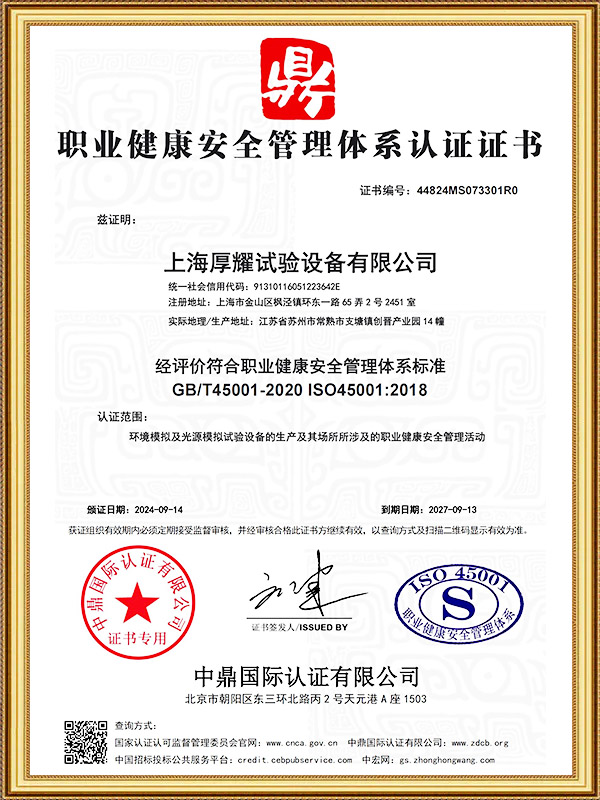
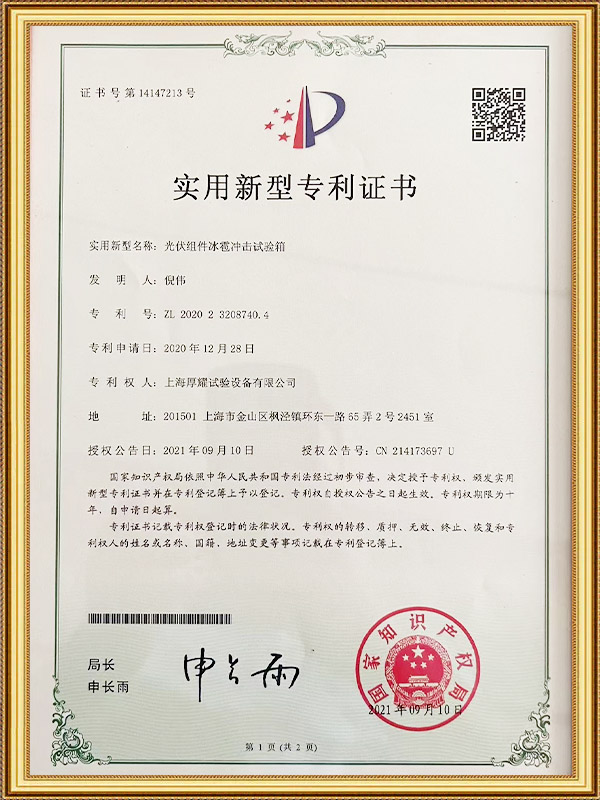
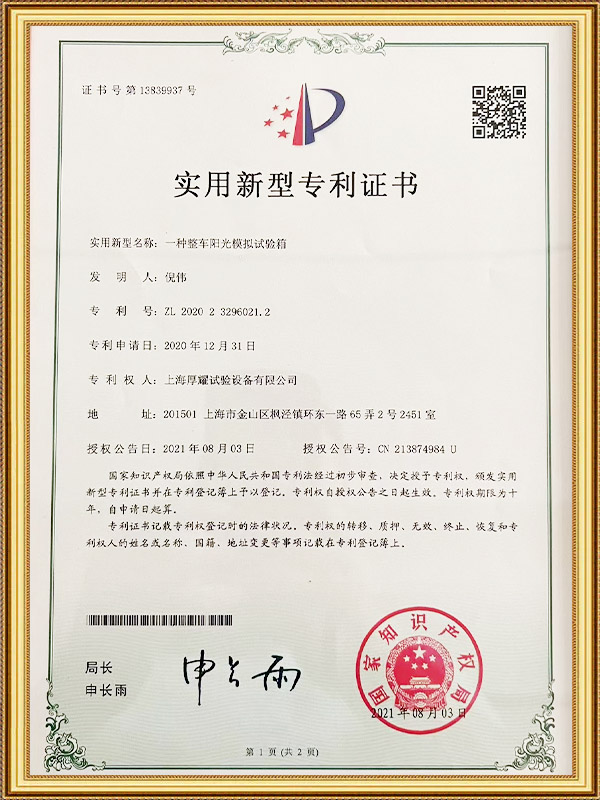
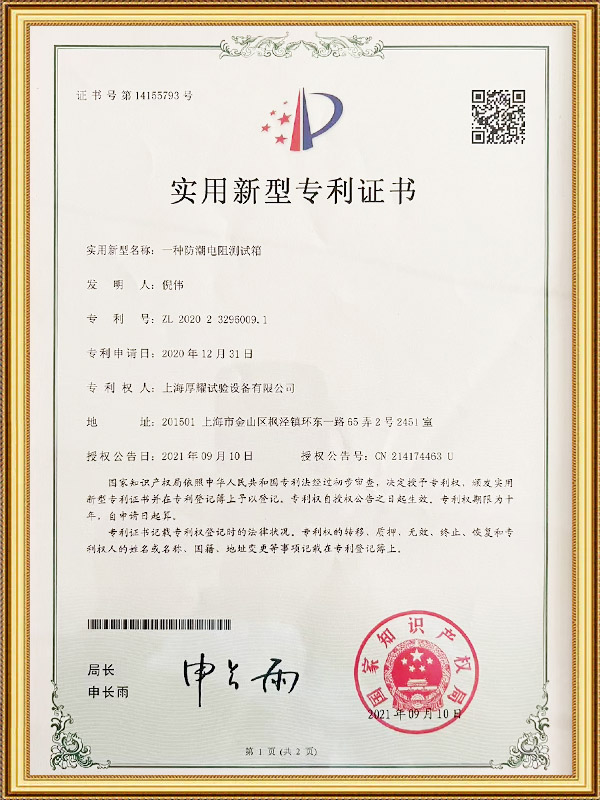
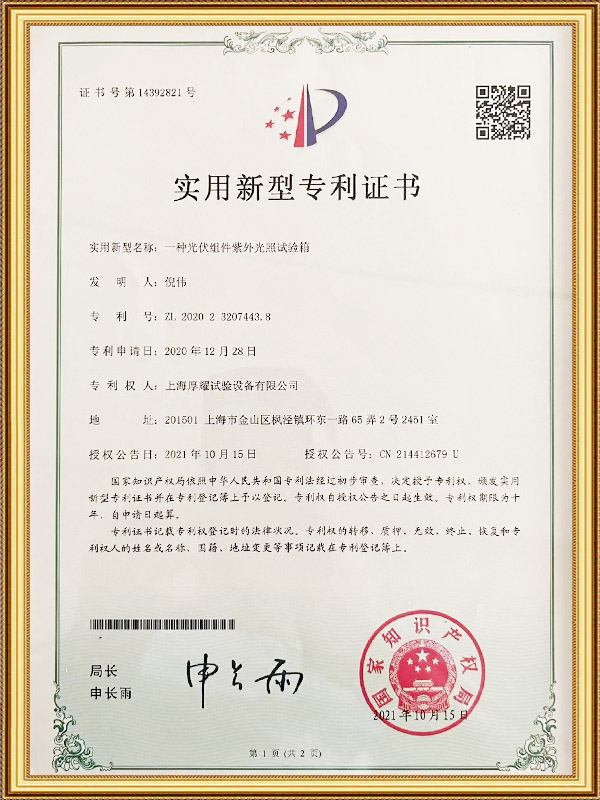
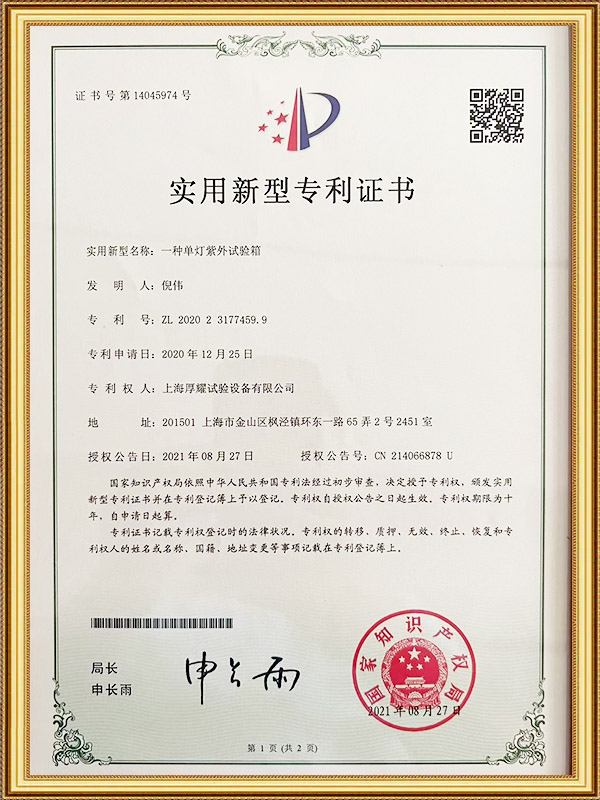
Shanghai Houyao Testing Equipment Co., Ltd. has made significant contributions to the field by developing advanced environmental and optical simulation products. Among their innovations are low-voltage test chambers, vehicle sunlight simulation chambers, and high-power PV UV and sunlight simulation systems rated at 2000W and 4000W. These systems enable precise control of environmental parameters, which can be integrated with PID testers to create a comprehensive testing solution.
The company also focuses on composite optical and environmental simulation products, such as combined UV and sunlight simulation chambers. These innovations not only fill gaps in the testing market but also enhance the predictive accuracy of module lifetime and PID resistance. By incorporating PID testing into these platforms, Houyao ensures that PV modules can be rigorously evaluated under multiple stress conditions simultaneously.
Operational Principles and Testing Protocols
A standard PID testing protocol involves several steps:
- Preconditioning: Modules are stabilized at a defined temperature and humidity.
- Voltage Bias Application: A negative voltage is applied to the module relative to the grounded frame.
- Environmental Stress Simulation: The PID test chamber maintains temperature and humidity at specified levels.
- Monitoring and Data Recording: Leakage currents and power output are continuously monitored to quantify degradation.
- Post-Test Analysis: Data is analyzed to determine the module’s PID resistance and potential failure modes.
Adherence to these protocols ensures repeatable and reliable results, providing manufacturers with actionable insights to improve product design and selection.
Industry Trends and Future Directions
With the rapid expansion of solar energy installations worldwide, the importance of PID testing continues to grow. Current trends include:
- Integration with Automated Testing Systems: Reducing manual intervention and improving throughput.
- High-Power Simulation: Incorporating higher voltage and irradiance levels to accelerate testing further.
- Composite Stress Testing: Combining PID with other environmental stresses, such as mechanical loading and UV exposure, to simulate real-world operating conditions.
- Data-Driven Insights: Using AI and machine learning to predict PID onset and module lifetime based on testing data.
Shanghai Houyao Testing Equipment Co., Ltd. embodies these trends through continuous innovation in PID testers and environmental simulation systems, ensuring the PV industry has the tools it needs to conduct rigorous module evaluations.


 EN
EN
 English
 中文简体
中文简体


 [email protected]
 +86-17712471297