How Does a Humidity Freeze Test Chamber Ensure Product Reliability in Extreme Conditions?
In our globally connected world, products are shipped and operated in environments far more extreme than the comfortable laboratories where they are designed. From the scorching, humid summers to the frigid, dry winters, materials and electronics are constantly battling the elements. How do engineers ensure that your smartphone won't fail in a cold snap, that a car's dashboard won't crack under the sun, or that a vaccine remains stable during transport? The answer lies in a critical piece of engineering equipment: the Humidity Freeze Test Chamber . This article explores the intricate science and vital importance of this technology in guaranteeing product durability and safety.
Beyond Simple Testing: The Purpose of Combined Environmental Stress
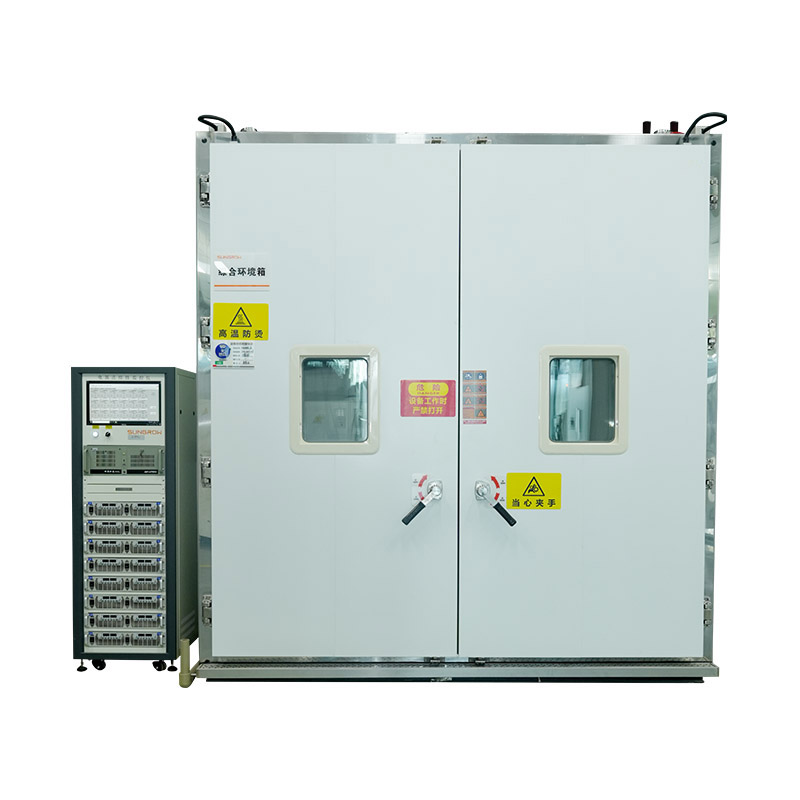
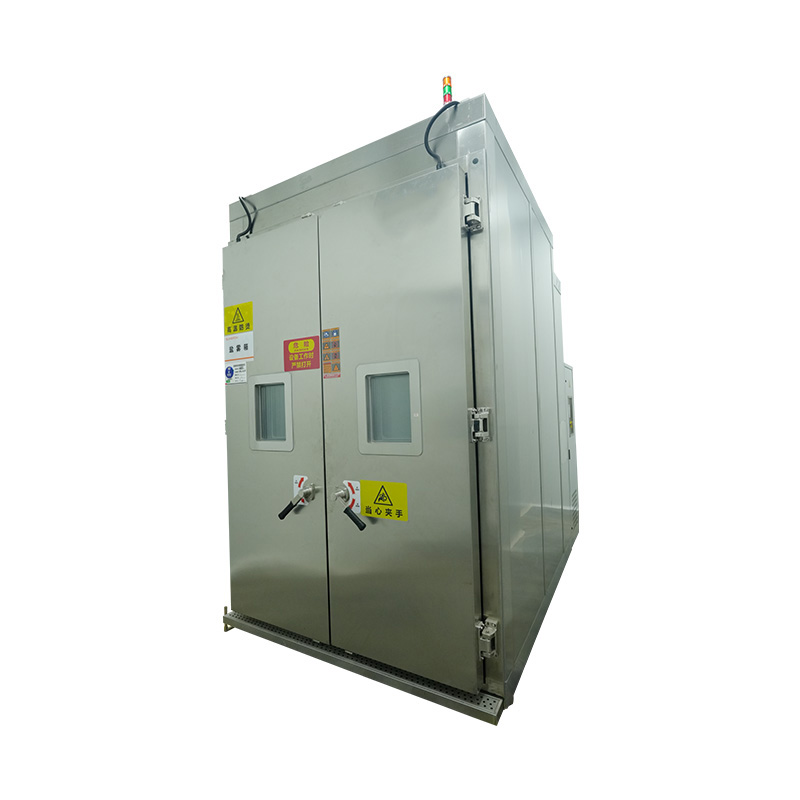
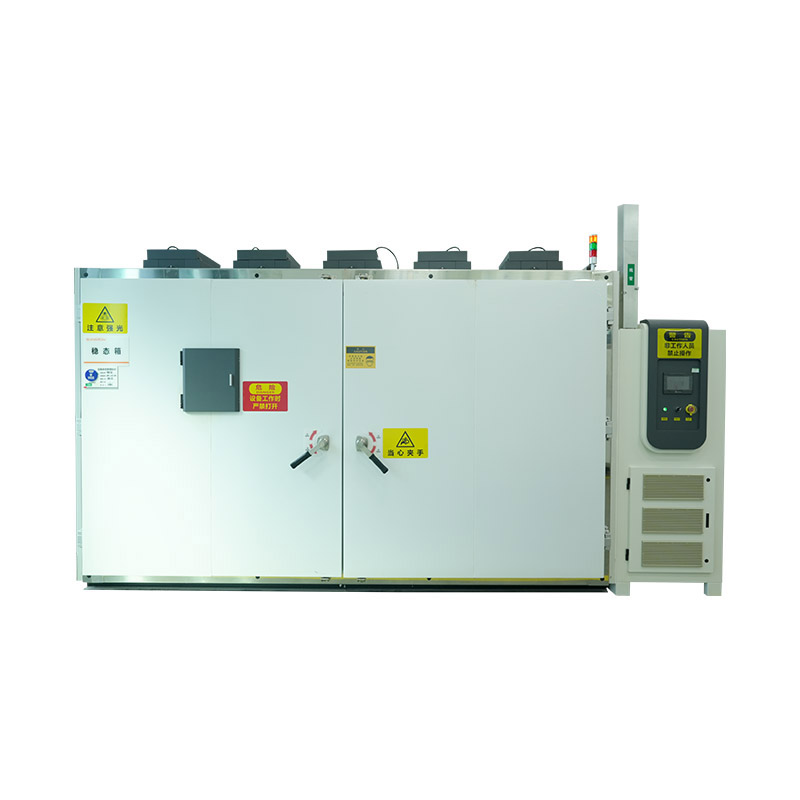
A Humidity Freeze Test Chamber is not merely a refrigerator or a humidifier. It is a highly sophisticated instrument designed to simulate the simultaneous application of low temperature and high humidity, often with precise control over the rate of change between these states. This combination is far more revealing than testing temperature or humidity alone. Many materials can handle cold, and many can handle dampness, but the simultaneous stress of both, especially with cyclic changes, can uncover a plethora of latent defects. This process, known as Highly Accelerated Stress Screening (HASS) or environmental stress testing, is crucial for identifying failures related to: * Material Fatigue: Cracking, warping, or embrittlement of plastics, composites, and metals. * Electrical Failure: Short circuits, corrosion on circuit boards, and condensation-induced malfunction in electronics. * Phase Changes: The expansion of water as it freezes within microscopic pores, leading to material delamination or rupture. * Coating Integrity: The failure of paints, sealants, and protective layers due to differing coefficients of thermal expansion between the coating and the substrate.
Deconstructing the Chamber: Core Components and Scientific Principles
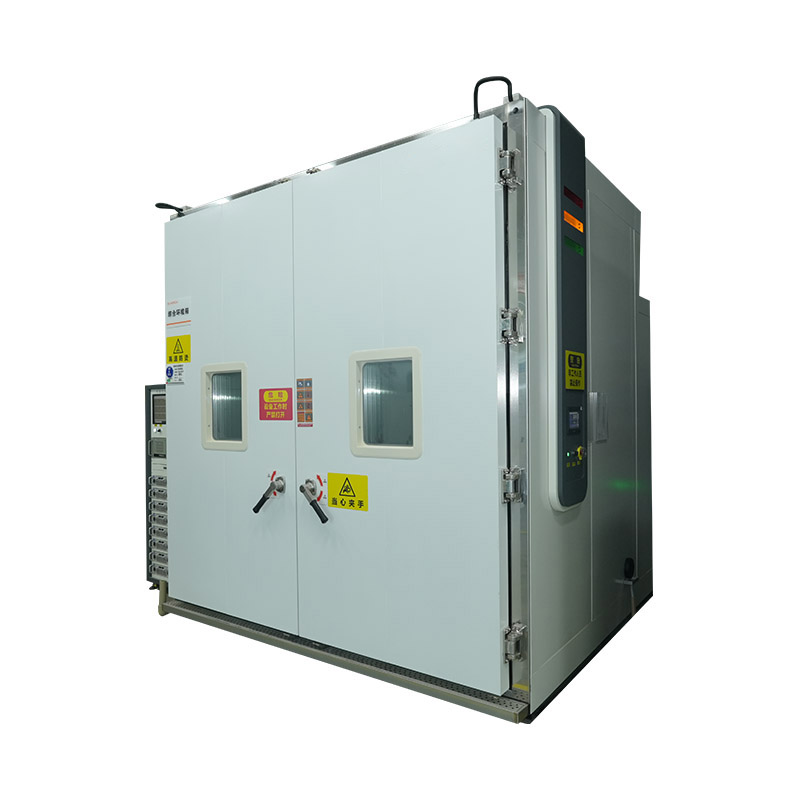
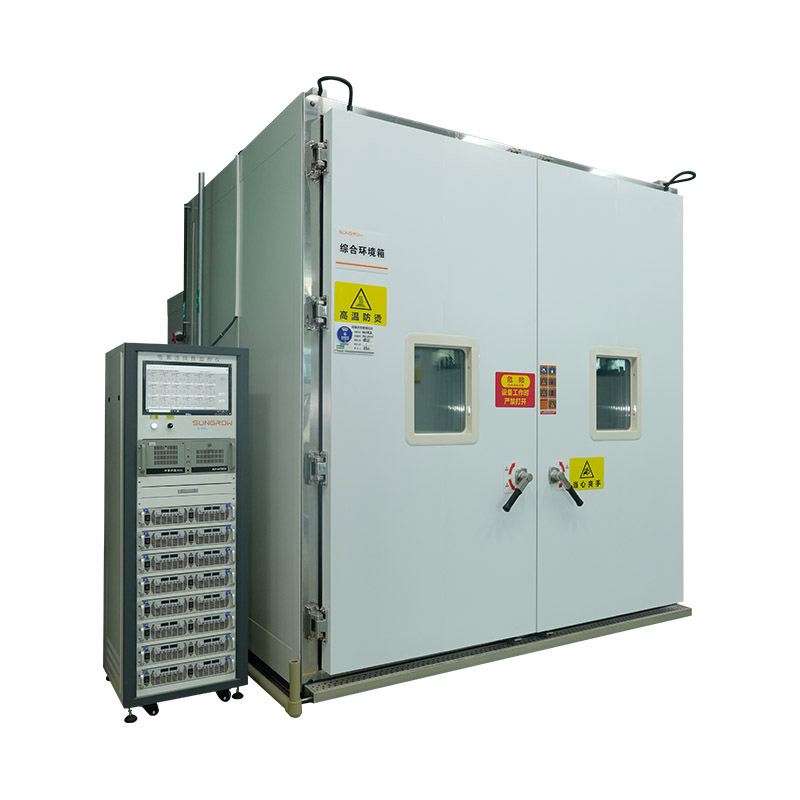
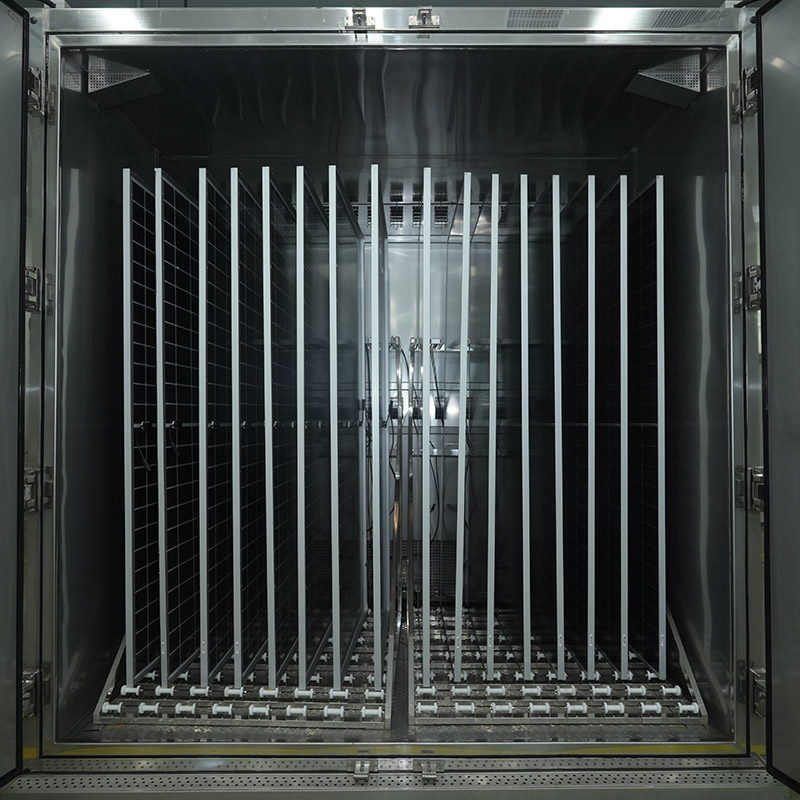
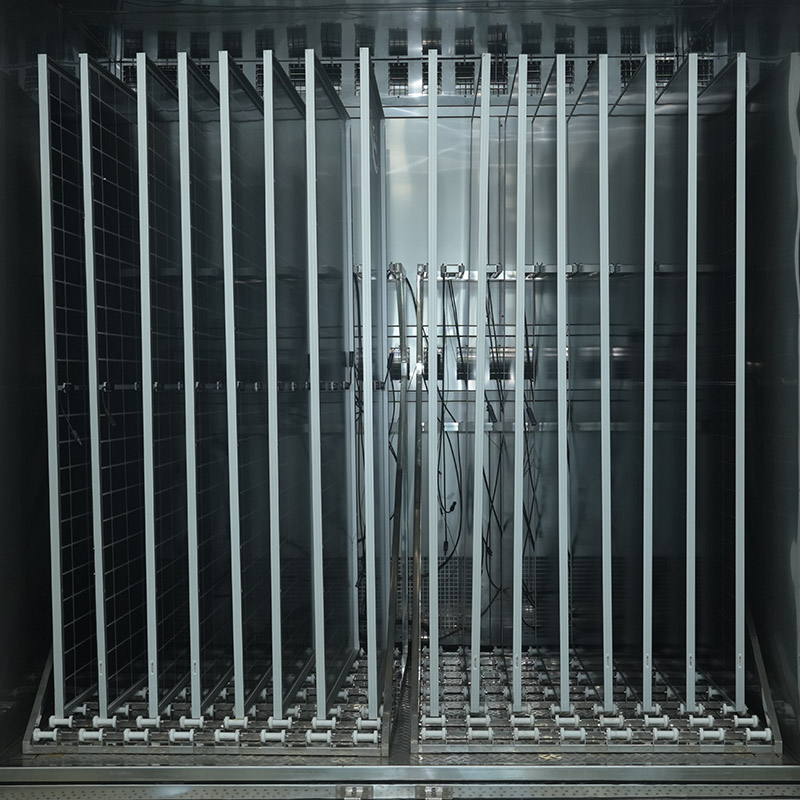
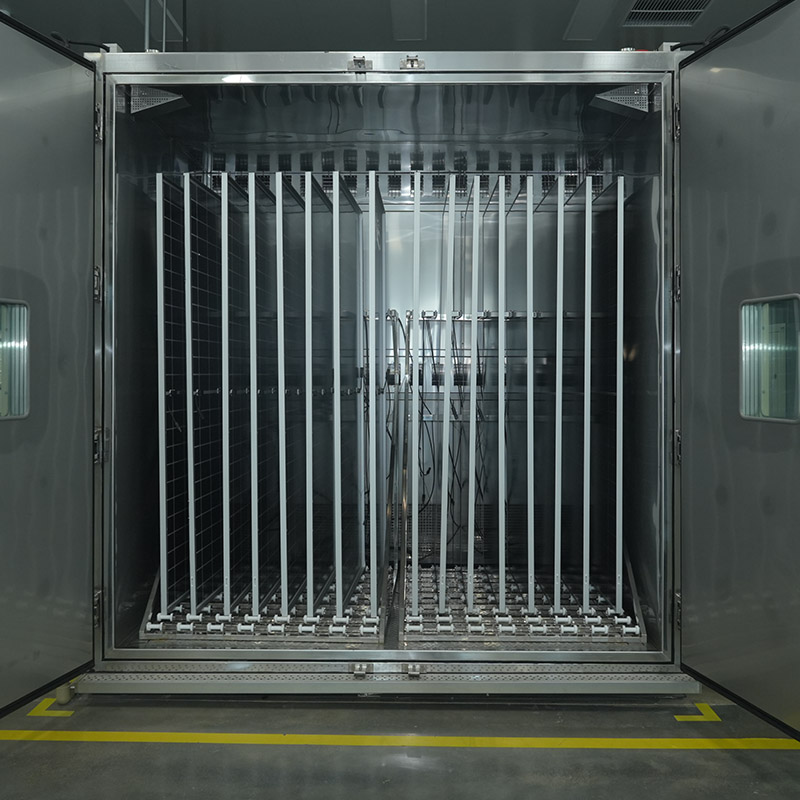
The operation of a Humidity Freeze Test Chamber is a feat of thermodynamic and mechanical engineering. It is a sealed, insulated enclosure where precise environmental conditions are created and maintained. Its key subsystems include:
- Refrigeration System: The heart of the "freeze" capability. This is typically a vapor-compression system, similar to but far more powerful than a household air conditioner. It uses a compressor, condenser, expansion valve, and evaporator to remove heat from the chamber's interior, achieving temperatures often as low as -70°C or even lower. The refrigerant's phase change from gas to liquid and back is what allows for such efficient heat transfer.
- Humidification System: This system introduces moisture into the chamber air to achieve high relative humidity (often up to 98% RH). This is usually accomplished using a steam generator or a heated water reservoir that creates water vapor. The scientific key here is understanding that the capacity of air to hold water vapor is directly dependent on its temperature; warmer air can hold more moisture. This becomes critically important during the transition phases of a test.
- Dehumidification System: Crucially, the chamber must also be able to reduce humidity. This is often achieved by cooling the air inside the chamber below its dew point using the refrigeration system, causing the water vapor to condense on the cold evaporator coils. The condensed water is then drained away, and the drier air is reheated to the desired temperature.
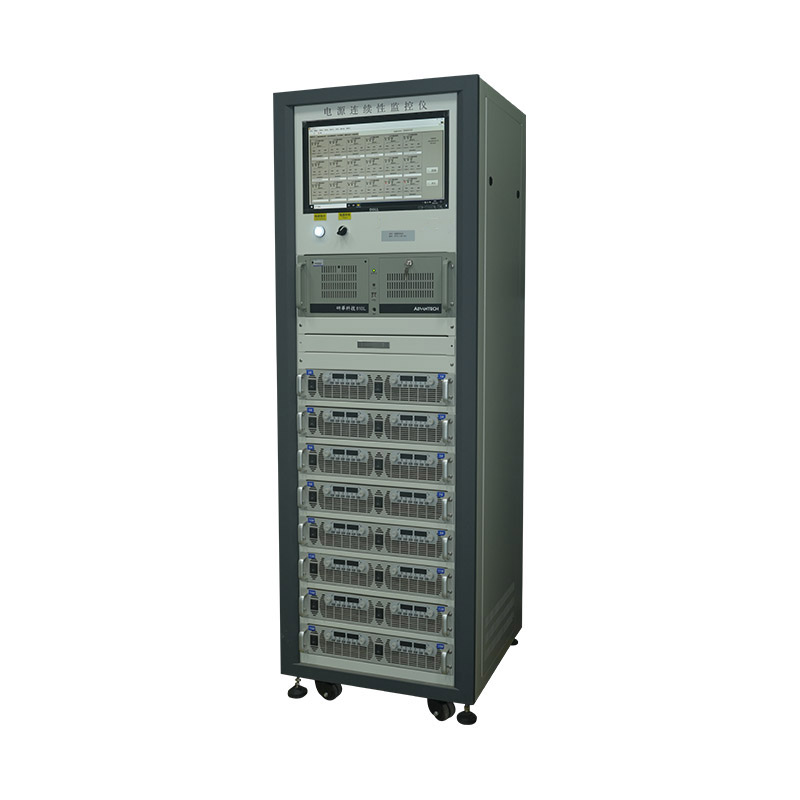
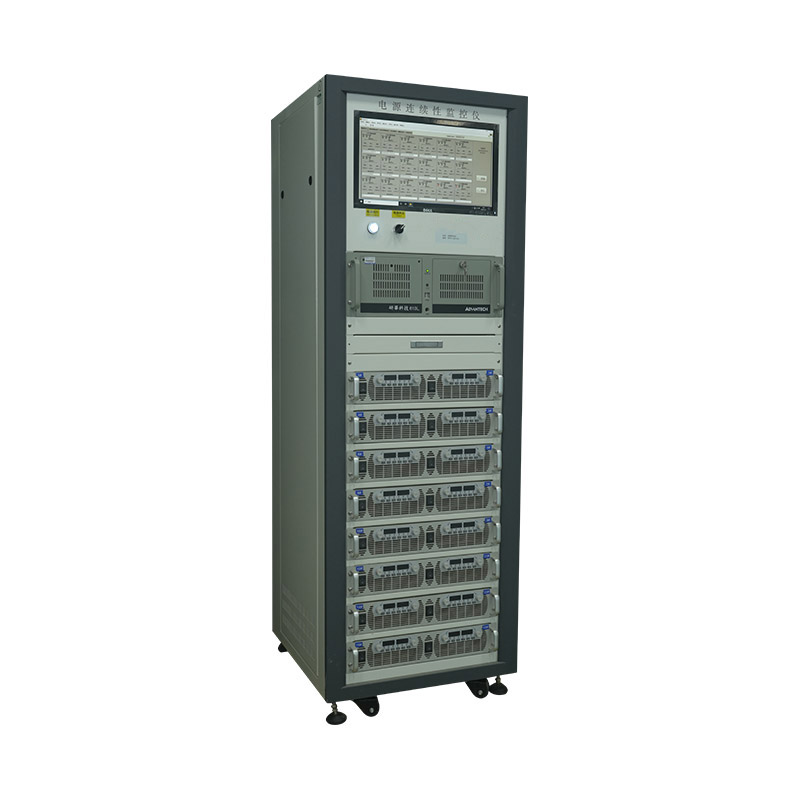
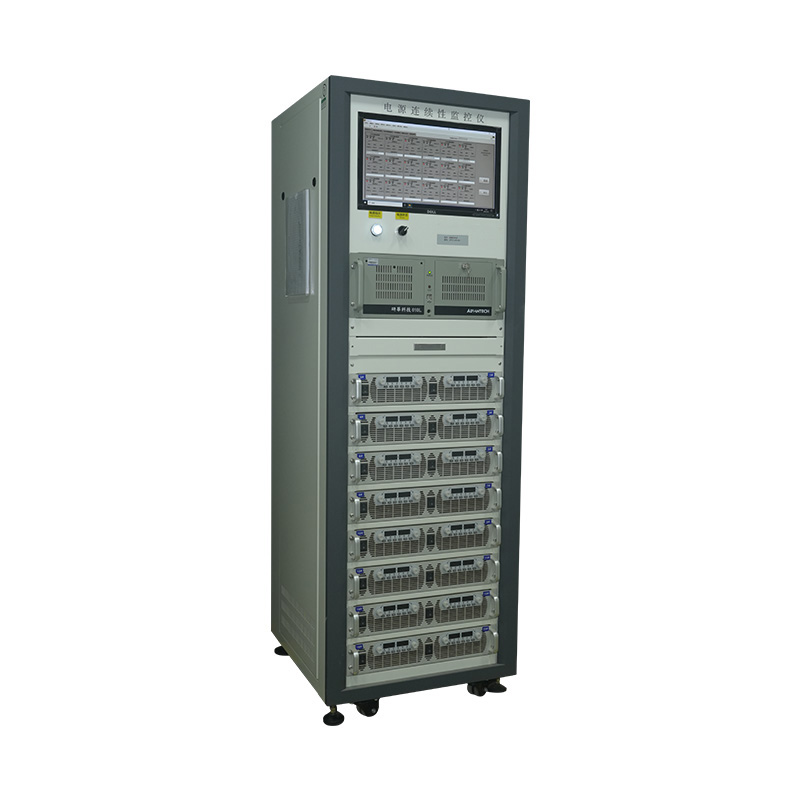
- Control and Sensing System: The brain of the operation. High-precision sensors constantly monitor the temperature and humidity within the chamber. A programmable logic controller (PLC) receives this data and compares it to the user-defined test profile. It then makes micro-adjustments to the refrigeration, heating, and humidification systems to maintain the exact conditions required, even as the test sample itself may absorb or release heat and moisture.
The Critical Challenge: Managing the Frost Factor
One of the most significant engineering challenges in a Humidity Freeze Test Chamber is preventing the humidification system from freezing solid when the chamber is at sub-zero temperatures. Introducing moist air into a -40°C environment would instantly turn the water vapor into frost, clogging sensors and drains and making accurate humidity control impossible.
To overcome this, advanced chambers employ ingenious design solutions. A common method is to use a dual-zone or dual-circuit system. The main chamber where the test samples are placed is cooled to the target low temperature. However, the water vapor for humidification is introduced into a separate, isolated air stream that is kept above freezing.
This moist, warm air is then carefully introduced into the main chamber in a controlled manner. The sophisticated control system calculates the exact amount needed to raise the humidity to the setpoint without significantly warming the test samples. This precise balancing act is what separates a basic environmental chamber from a true Humidity Freeze Test Chamber .
Applications Across Industries: Where Reliability is Non-Negotiable
The use of these chambers is mandated by numerous international standards (e.g., IEC 60068-2-1, IEC 60068-2-2, ISO 16750-4) and is critical across a wide range of industries:
- Automotive: Testing electronic control units (ECUs), sensors, displays, and interior materials for performance in cold, icy conditions with high cabin humidity.
- Aerospace: Validating the functionality of avionics and composite materials at high altitudes where low temperatures and condensation are a constant threat.
- Pharmaceutical and Biotechnology: Accelerating stability testing for drugs, vaccines, and biological materials to ensure they remain potent and safe through temperature cycles during storage and shipping.
- Consumer Electronics: Ensuring that smartphones, laptops, and wearables can withstand being taken from a cold environment into a warm, humid one without forming internal condensation that causes short circuits.
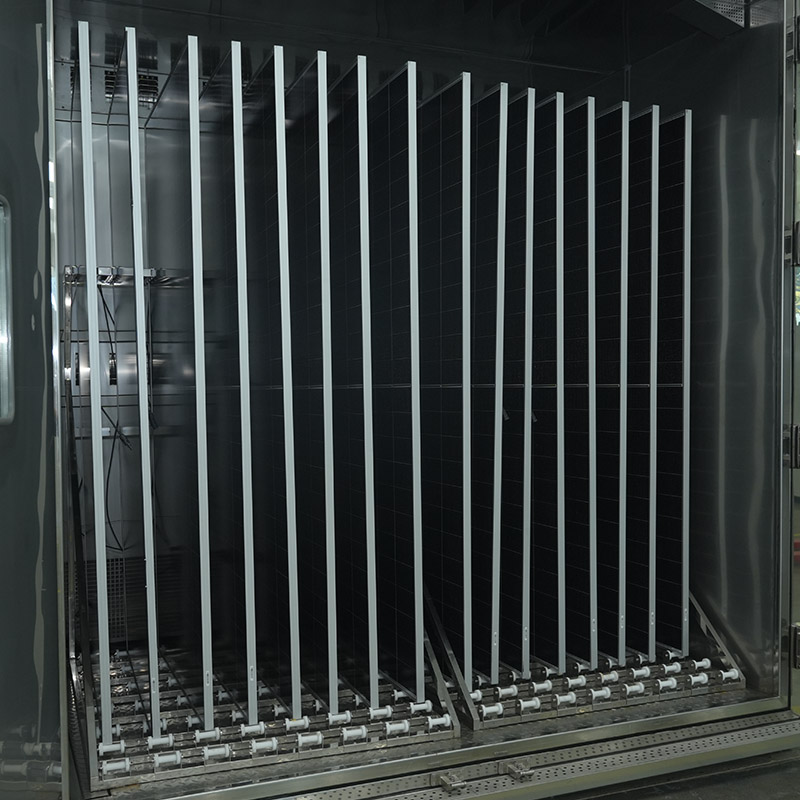
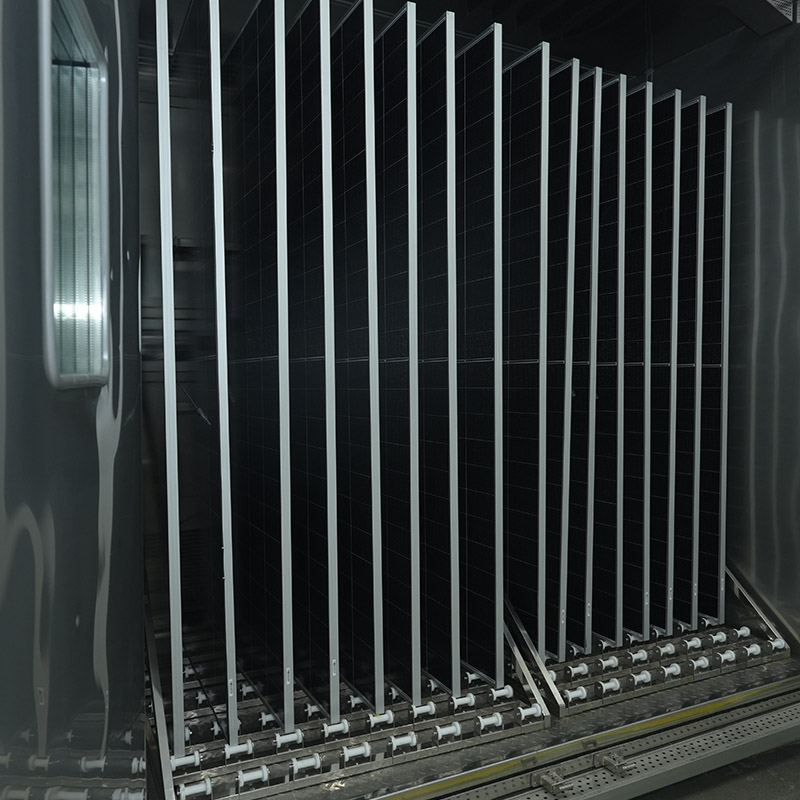
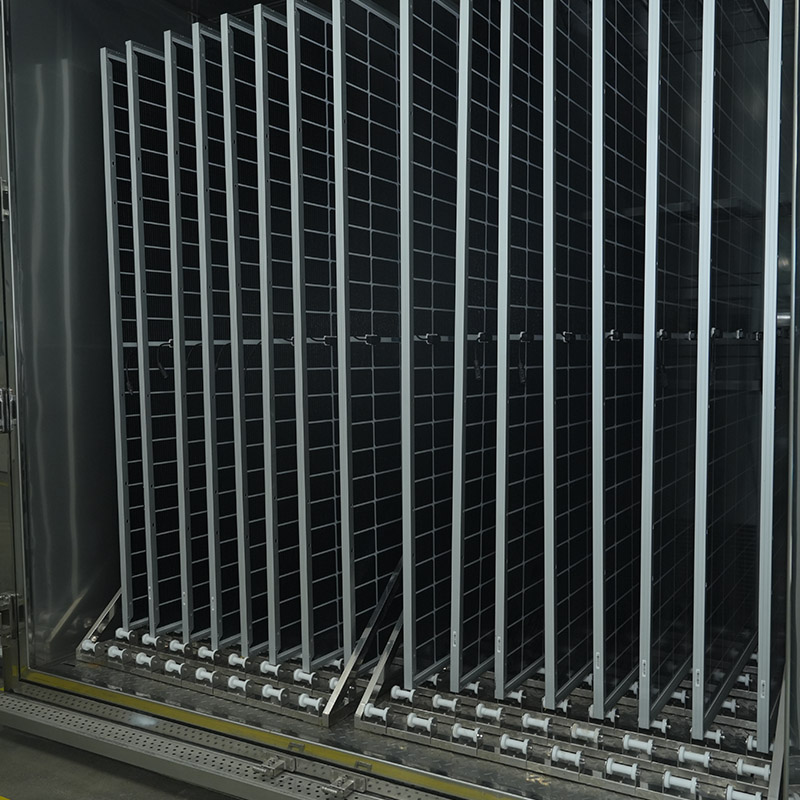
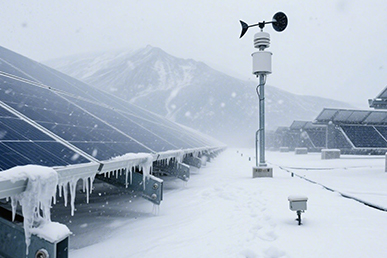
- Solar Energy: Testing photovoltaic panels and their components for resilience against frost, snow, and cyclical thawing, which can cause micro-cracks and reduce efficiency.
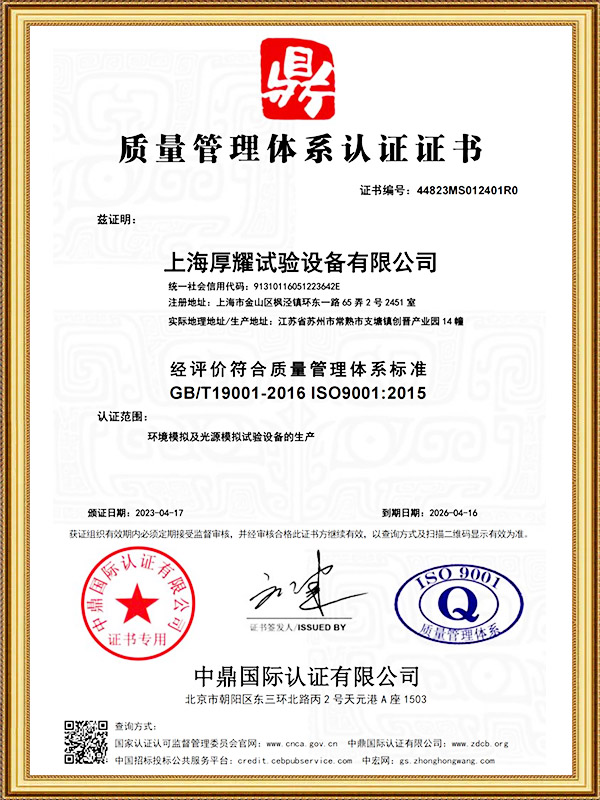
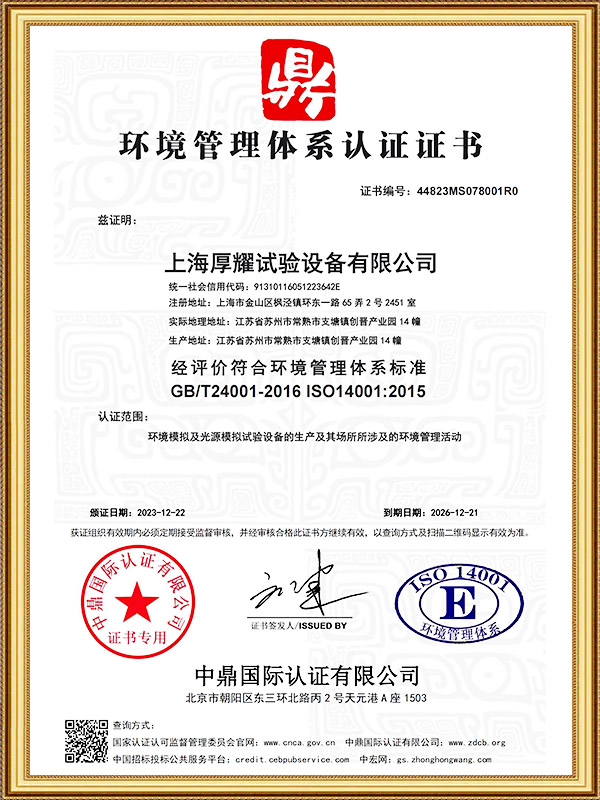
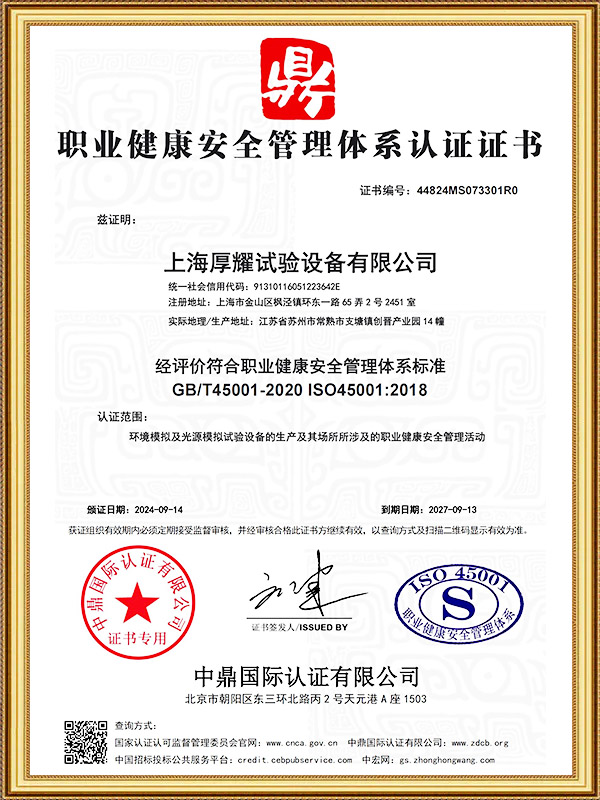
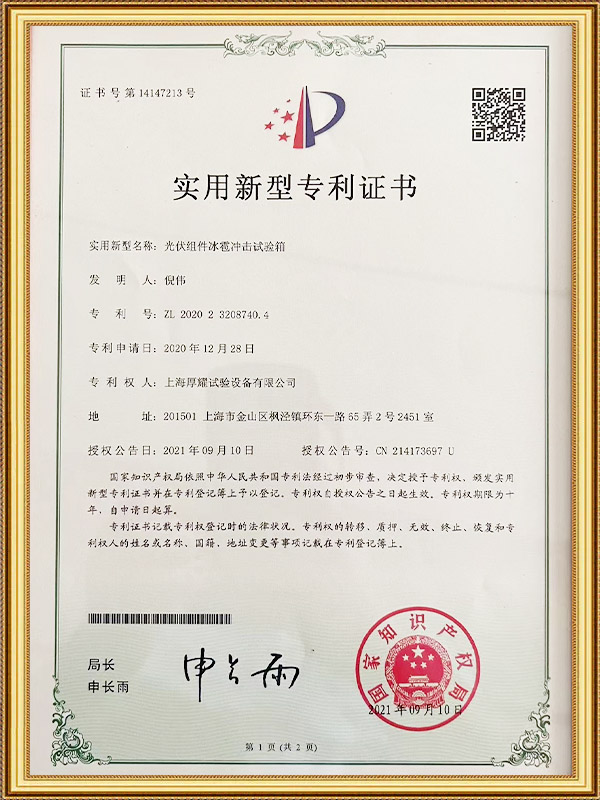
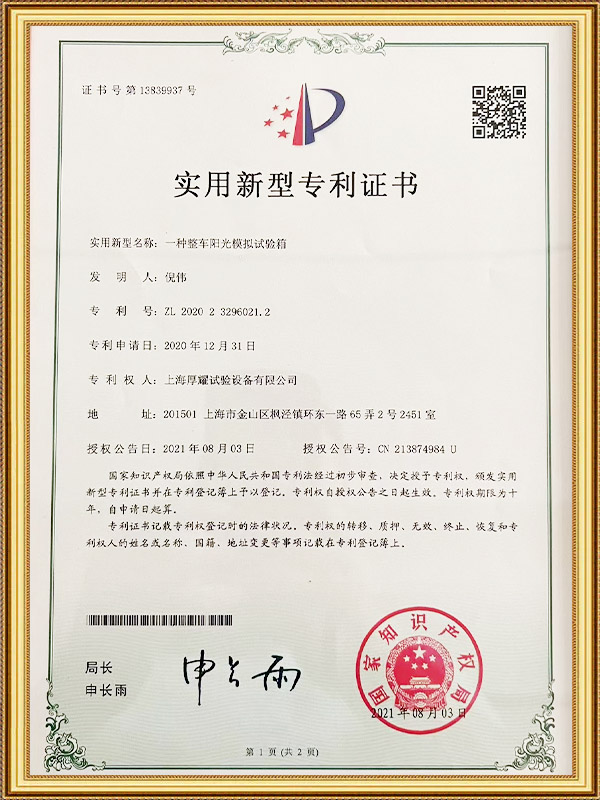
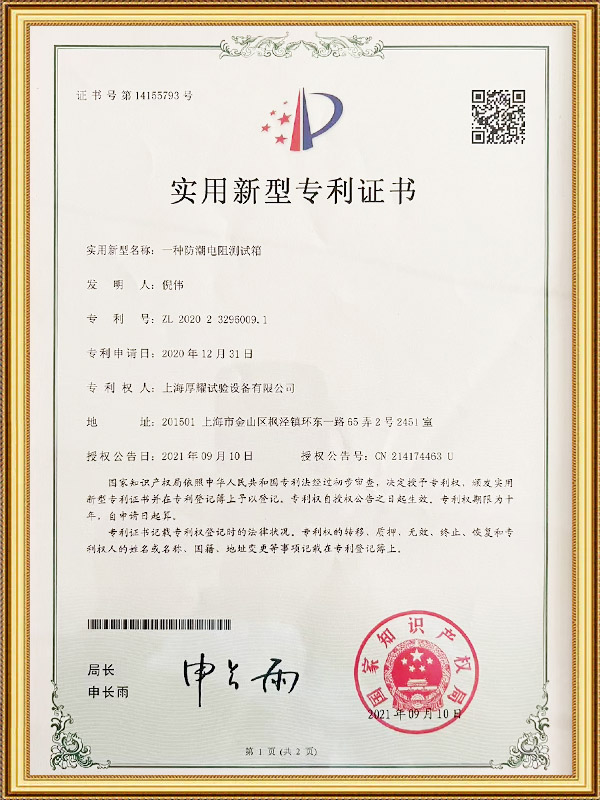
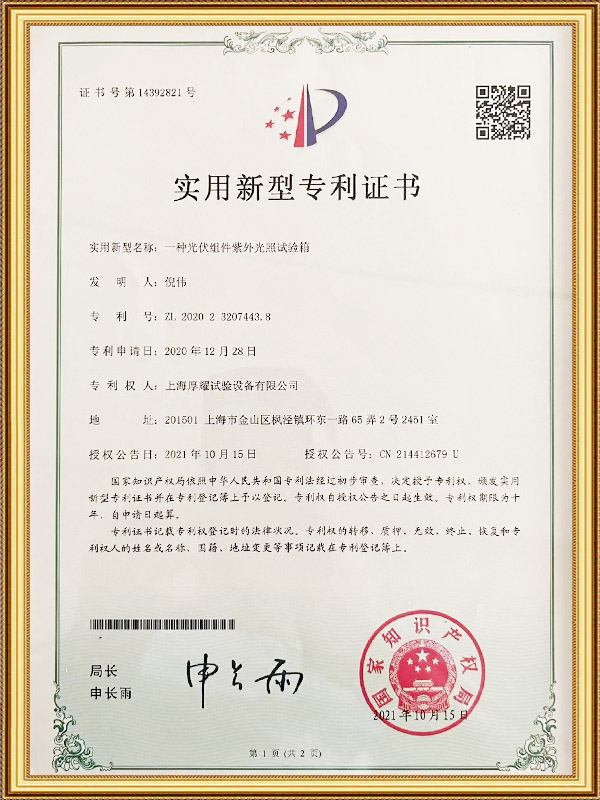
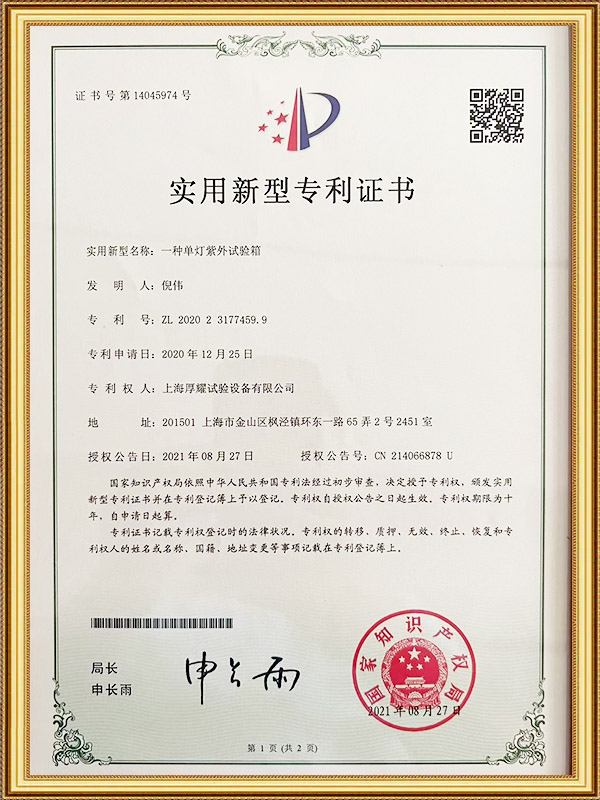
The relentless drive for higher quality and greater product reliability pushes the continuous innovation of this testing technology. Manufacturers are constantly refining chamber design for better uniformity, faster temperature change rates (ramp rates), and more precise control over every parameter. In this field of precision engineering, companies like Shanghai Houyao Test Equipment Co., Ltd. contribute to industrial advancement by developing and manufacturing chambers that meet these ever-increasing demands for accuracy and reliability in environmental simulation. The data generated from these tests is invaluable, providing engineers with the empirical evidence needed to improve product designs and prevent costly field failures.
Conclusion: The Unseen Guardian of Product Quality
The Humidity Freeze Test Chamber is an unsung hero of modern manufacturing. It is a tool that rigorously interrogates products, seeking out weaknesses before they can reach the consumer. By masterfully combining the stresses of temperature and humidity, it simulates years of environmental wear in a matter of days or weeks. The sophisticated science behind its operation—from managing refrigerant phase changes to preventing frost formation—ensures that the tests are both accurate and reproducible. For any industry where failure is not an option, the Humidity Freeze Test Chamber is an indispensable investment in quality, safety, and brand reputation.



 EN
EN
 English
 中文简体
中文简体