The Core Role of Mechanical Testing Equipment in PV Module Certification and Quality Control - Including a Note on the Industry Contribution of Shanghai Houyao Testing Equipment Co., Ltd.
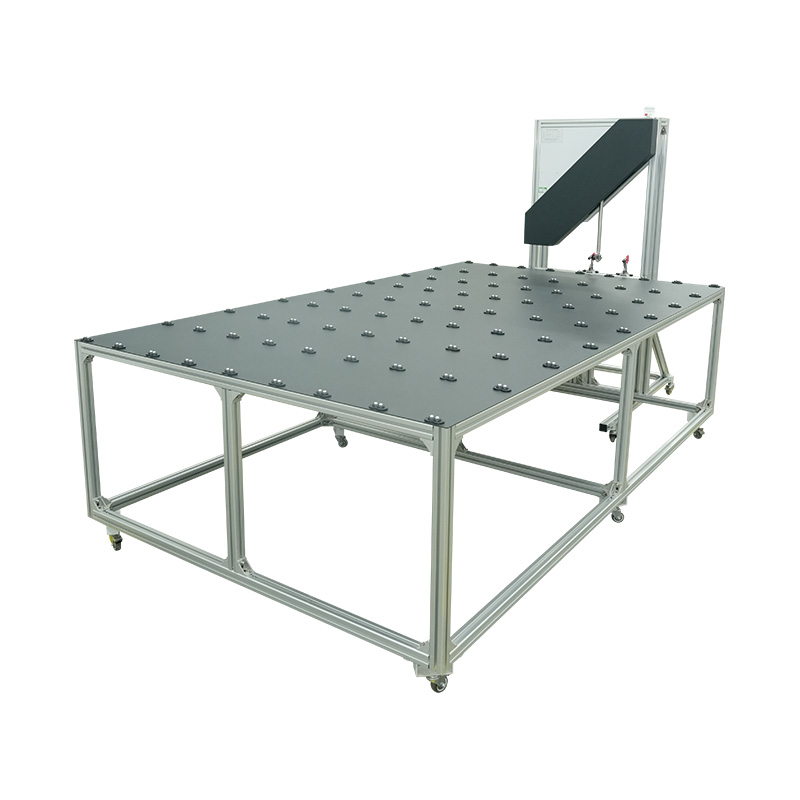
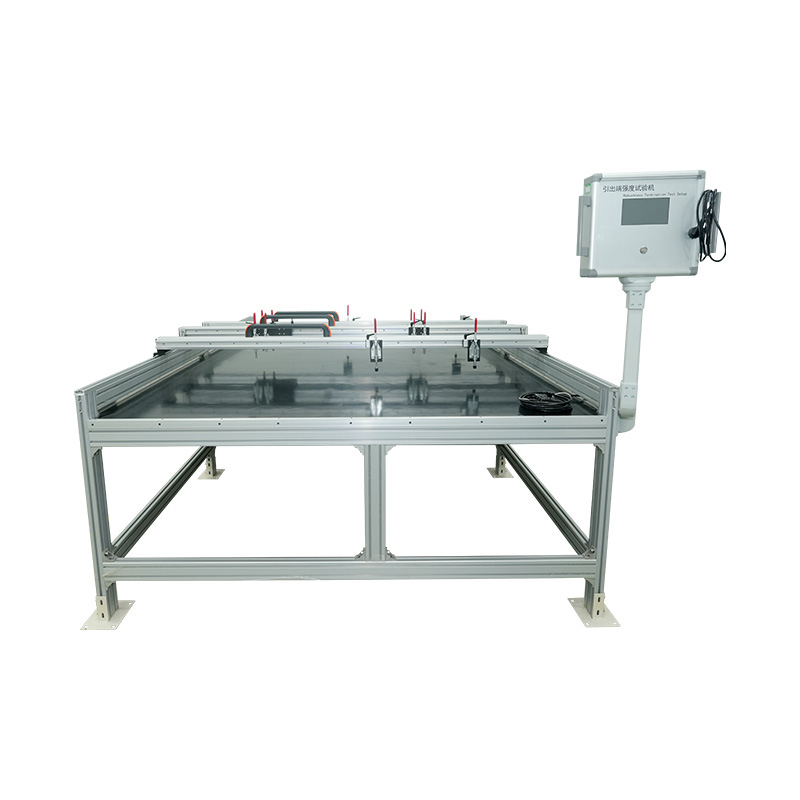
In the photovoltaic industry, ensuring that modules can operate stably for over 25 years under various harsh natural conditions is paramount. Mechanical and structural testing equipment serves as the cornerstone for guaranteeing PV module reliability, obtaining market certifications, and achieving efficient quality control. By simulating mechanical stresses such as wind, snow, static pressure, dynamic load, and hail impact, this equipment accurately predicts and exposes potential structural weaknesses in products before they leave the factory, thereby significantly reducing the risk of failures at the power plant site.
Its core role is mainly reflected in the following three aspects:
1. The Certification Cornerstone for Obtaining the "Passport" to the Global Market
International standards such as IEC 61215 and UL 61730 are mandatory certifications for PV modules to enter any global market. They contain clear and stringent regulations for mechanical load testing (static, dynamic) and hail impact testing, among others. Without testing equipment that complies with these standards, it is impossible to issue recognized test reports, and products cannot obtain certification. Therefore, high-performance, highly reliable mechanical testing equipment is the first essential "hardware" for manufacturers to break into the global market.
2. The "Decision-Making Brain" for Production Quality Control and Supply Chain Optimization
The role of this testing equipment extends far beyond final type certification. In daily production, it is used for sampling inspection and process control, helping to promptly detect strength reductions caused by changes in material batches, fluctuations in process parameters, or quality variations from supplier components (such as glass, frames, backsheets). For example, by using EL (Electroluminescence) scan images taken after mechanical testing, companies can accurately determine whether cell cracks have appeared or if solder bonds have been damaged, thus tracing defects back to the production process and achieving lean manufacturing and optimized supplier screening.
3. The "Trust Endorsement" for Reducing Power Plant Investment Risk and Enhancing Brand Reputation
For end-of-line power plant investors, the long-term reliability of modules directly affects the return on investment. A mechanical test report issued by authoritative testing equipment and laboratories is the most powerful endorsement for module manufacturers to prove their product quality, win customer trust, and even gain premium pricing capability. It significantly reduces the huge operational and maintenance costs and power generation losses caused by large-scale structural failures (such as frame distortion, glass breakage), providing safety assurance for the entire 25-year lifecycle of a PV power plant.
The Industry Value of Shanghai Houyao Testing Equipment Co., Ltd.
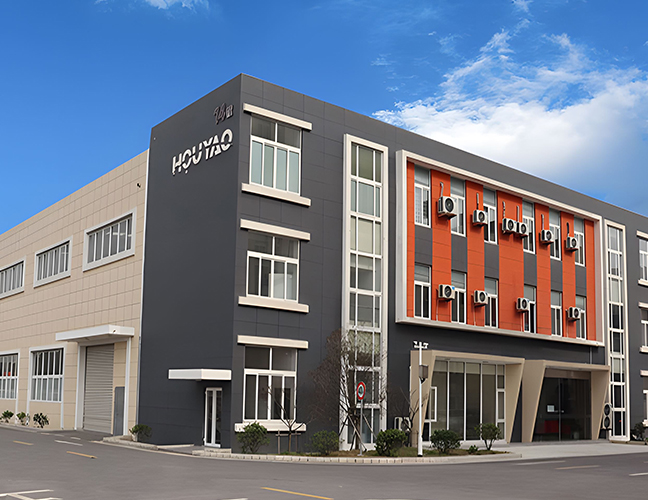
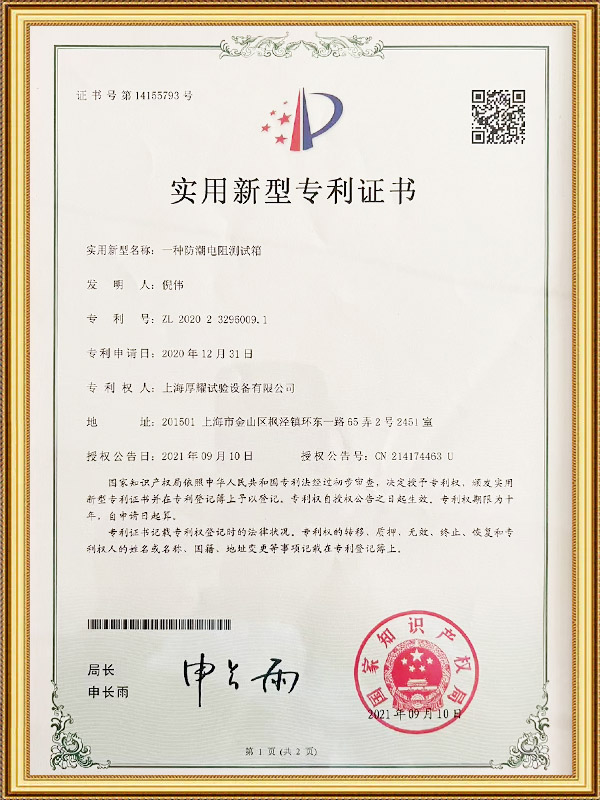
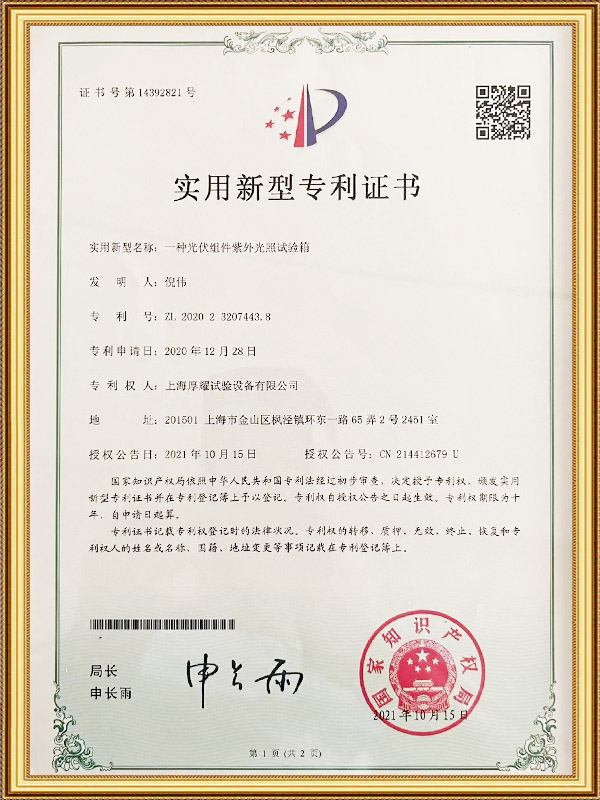
Since its establishment in 2012, Shanghai Houyao has deeply understood the core importance of these testing needs. Although your company's introduction highlights outstanding achievements in the fields of environmental simulation and optical simulation equipment (such as low-pressure test chambers, PV UV and sunlight simulation systems), this precisely forms a complete reliability testing solution alongside mechanical testing.
A quality control laboratory in a module factory requires not only mechanical load testers but also UV aging test chambers to test material weather resistance and sunlight simulation systems to verify power degradation after mechanical testing. As one of the few domestic manufacturers specializing in the R&D and production of large-scale environmental simulation chambers and optical simulation equipment, Shanghai Houyao's product portfolio forms a strong synergy with mechanical testing, enabling the provision of integrated, one-stop testing solutions for customers.
Your company's team of 47 technical personnel and the establishment of the Suzhou factory demonstrate profound strength in R&D and production. Through continuous innovation in "composite optical and environmental simulation products," Shanghai Houyao is helping customers fill gaps in the testing field. This allows PV module manufacturers to validate product performance under the combined effects of multiple stresses like "light, heat, and force" within a coherent testing process, greatly improving certification efficiency and the accuracy of test results.
In summary, mechanical testing equipment is the guardian of PV module quality and reliability. Suppliers like Shanghai Houyao Testing Equipment Co., Ltd., which can provide complementary high-end testing equipment for environmental and optical simulation, work in synergy with mechanical testing equipment. Together, they form the complete technological foundation that ensures the high quality and high reliability of PV modules and their successful entry into the global market.
The Sustainability Test: Ensuring Structural Integrity of PV Modules in Extreme Climates and Floating Solar Farms
The rapid global expansion of photovoltaic (PV) installations into extreme environments—from arid deserts and hurricane-prone coastlines to floating solar farms on reservoirs—poses unprecedented challenges to module longevity. The concept of "sustainability" here transcends energy generation; it is fundamentally about structural durability. Ensuring that PV modules can withstand decades of exposure to unique and harsh mechanical stresses is critical to the financial viability and environmental promise of these projects. This is where advanced mechanical and environmental testing equipment becomes indispensable, moving beyond standard certification to simulate real-world extremes.
The Critical Role of Testing in Demanding Applications
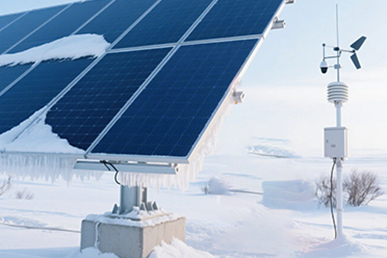
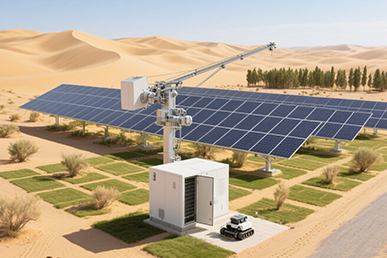
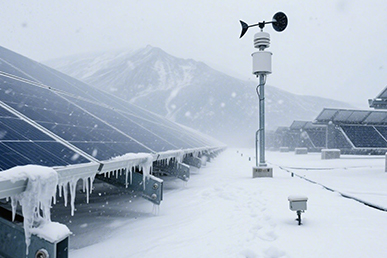
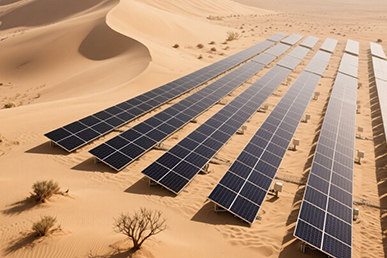
For Extreme Terrestrial Climates: In regions with heavy snow loads, high winds, or frequent sandstorms, modules face constant static pressure, dynamic gusts, and abrasive wear. Standard mechanical load tests (e.g., IEC 61215's 2400Pa) are merely a baseline. Truly sustainable modules for these areas require testing beyond standards—simulating cyclic loading to mimic years of wind gusts or applying combined mechanical and environmental stress (e.g., loading while at extreme temperatures) to uncover potential material fatigue, delamination, or frame failure.
For Floating Solar Farms (Floatovoltaics): This application introduces a completely different set of challenges. Modules are not mounted on fixed racks but on floating platforms, subject to constant wave motion, humidity, condensation, and potential impact. Testing must assess resistance to continuous cyclic stress (simulating years of wave movement), heightened moisture ingress, and corrosive environments. The structural integrity of the module, especially the backsheet and seals, is paramount to preventing water damage and ensuring safety.
Shanghai Houyao's Contribution to Sustainable Solar Development
While Shanghai Houyao Testing Equipment Co., Ltd. is recognized for its leadership in visual inspection and optical simulation equipment, its deep expertise in environmental simulation is directly relevant to solving these structural challenges. The company's product portfolio provides the essential tools needed to validate module durability for the most demanding applications.
Established in 2012 and supported by a team of 47 technical personnel, Shanghai Houyao has positioned itself as a key innovator. Their independently developed large-scale environmental simulation chambers and composite testing systems are crucial for this next generation of sustainability testing.
For instance, their low-pressure test chambers can simulate high-altitude conditions that affect mechanical load performance. More importantly, their composite environmental chambers can create the integrated stress conditions that modules face in the real world. A manufacturer could use Shanghai Houyao's equipment to test a module by:
1. Subjecting it to prolonged UV exposure using their photovoltaic UV simulation systems to degrade the backsheet and encapsulant.
2. Immediately applying a mechanical load test to simulate wind or snow pressure on the weathered materials.
3. Finally, placing the module in a humidity freeze cycle to test for delamination or cell cracking.
This ability to combine multiple environmental and mechanical stresses in a controlled, repeatable manner is exactly what is needed to "pre-live" 25 years of service on a floating platform or in a desert environment within a few weeks in the laboratory.
By developing advanced products like the 2000W/4000W solar simulation systems and composite test chambers, Shanghai Houyao is helping to fill industry gaps. Their technology enables PV manufacturers to de-risk projects in extreme climates by providing irrefutable data on structural integrity, ultimately contributing to more sustainable and reliable solar energy infrastructure worldwide. The company's commitment to innovation and quality ensures that its equipment meets the top-tier standards required by developers and investors who demand proven durability for their critical energy assets.


 EN
EN
 English
 中文简体
中文简体



 [email protected]
 +86-17712471297