What are the critical maintenance procedures for a wet leakage current tester?
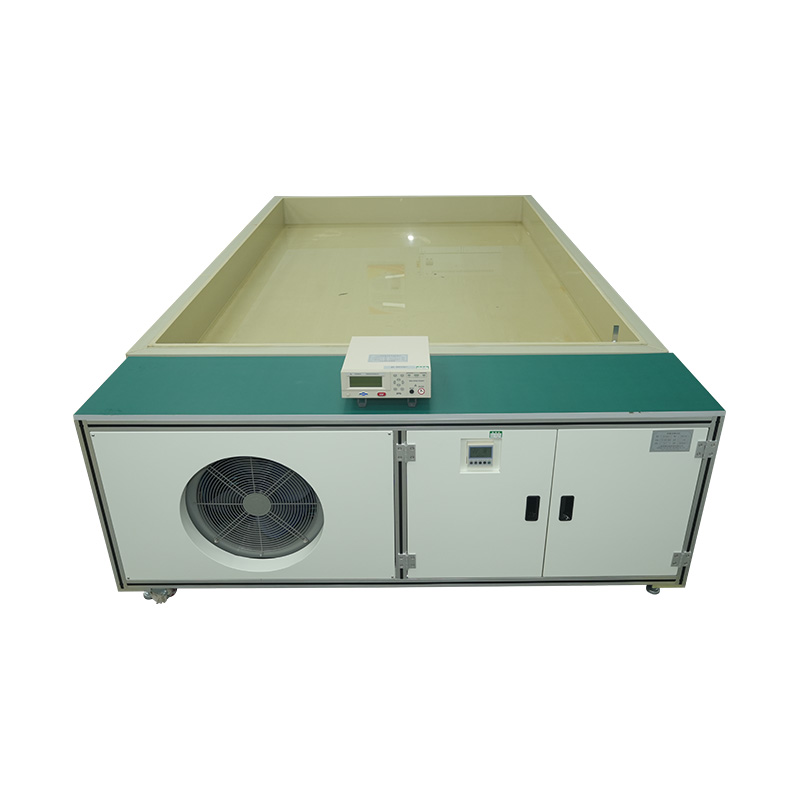
In the rigorous world of product safety and reliability testing, the wet leakage current tester stands as a pivotal instrument. Its primary function is to evaluate the electrical safety of components, particularly photovoltaic modules, by simulating harsh wet conditions to measure their leakage current. This test is not merely a quality check; it is a fundamental safety requirement mandated by international standards such as IEC 61215, UL 1703, and IEC 62790. The integrity of the data produced by this tester directly influences the certification and market acceptance of products in critical industries like aerospace, automotive electronics, and energy storage systems. However, the very nature of its operation—using water and electricity in close proximity—subjects the equipment to significant stress. Consequently, the accuracy, reliability, and longevity of a wet leakage current tester are inextricably linked to a disciplined and comprehensive maintenance regimen. Neglecting this aspect can lead to inaccurate test results, premature equipment failure, and serious safety hazards.
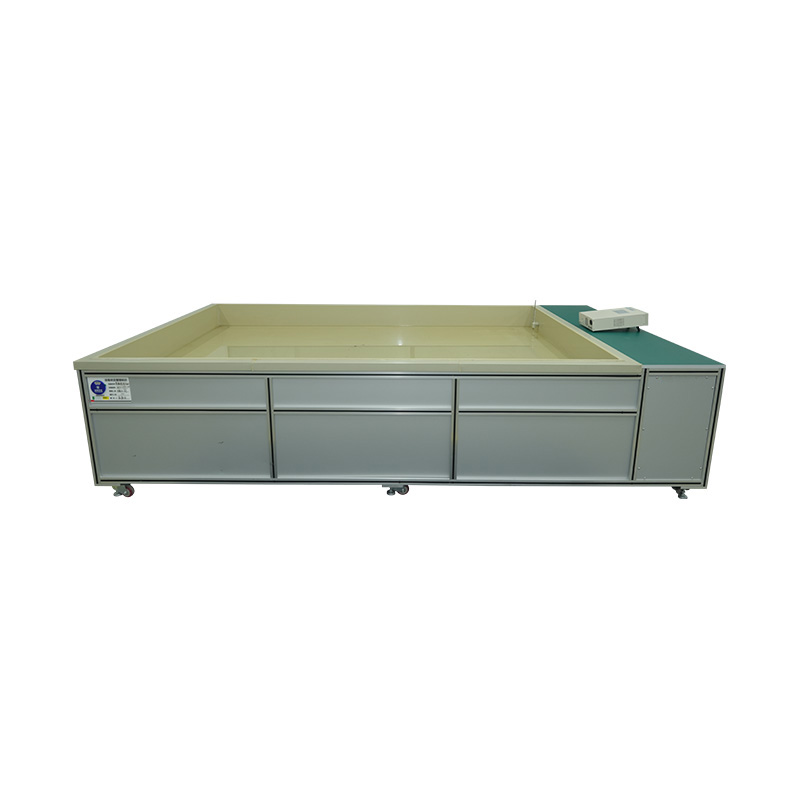
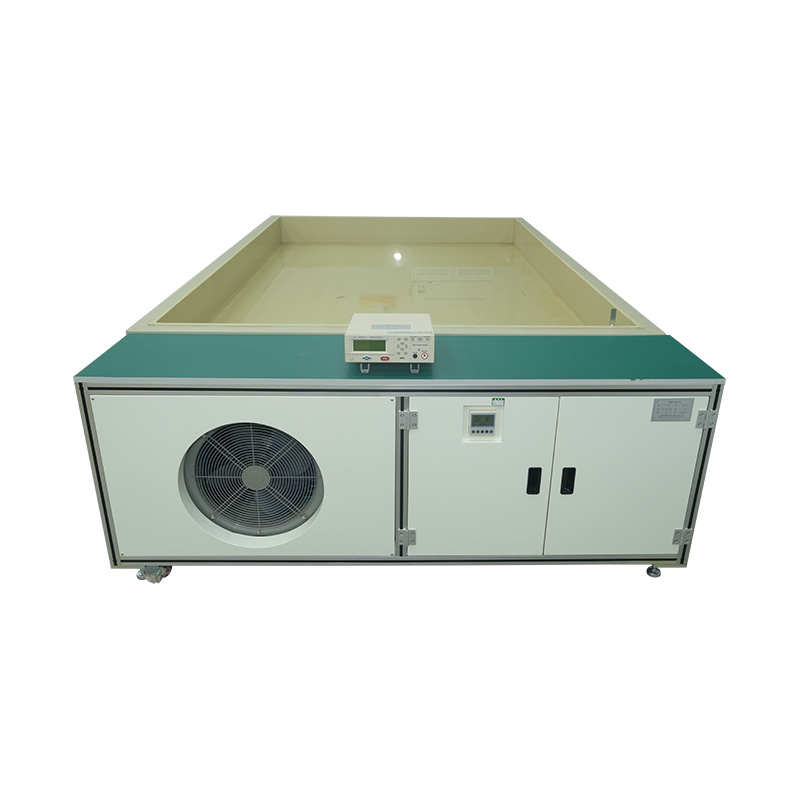
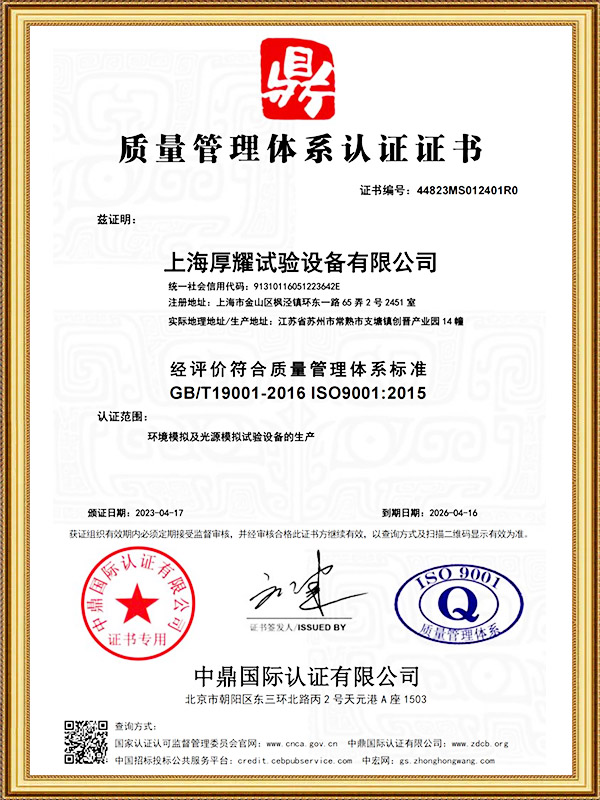
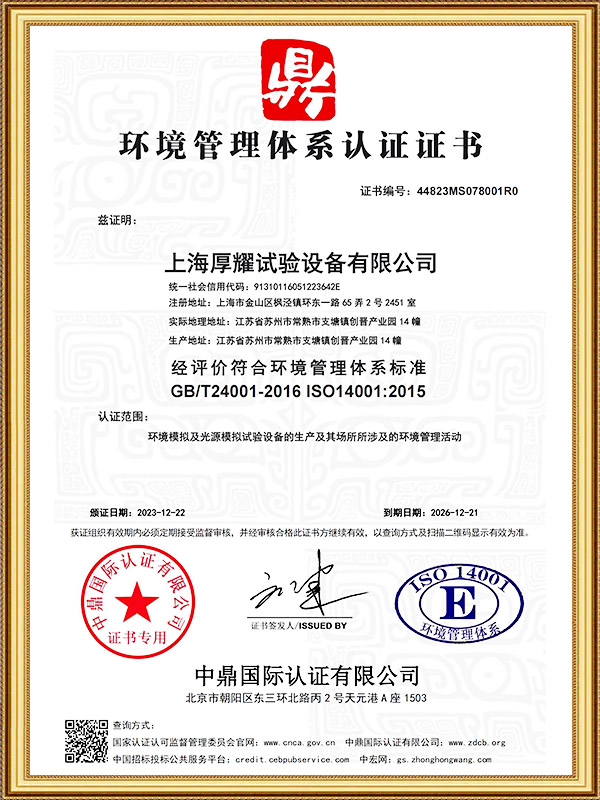
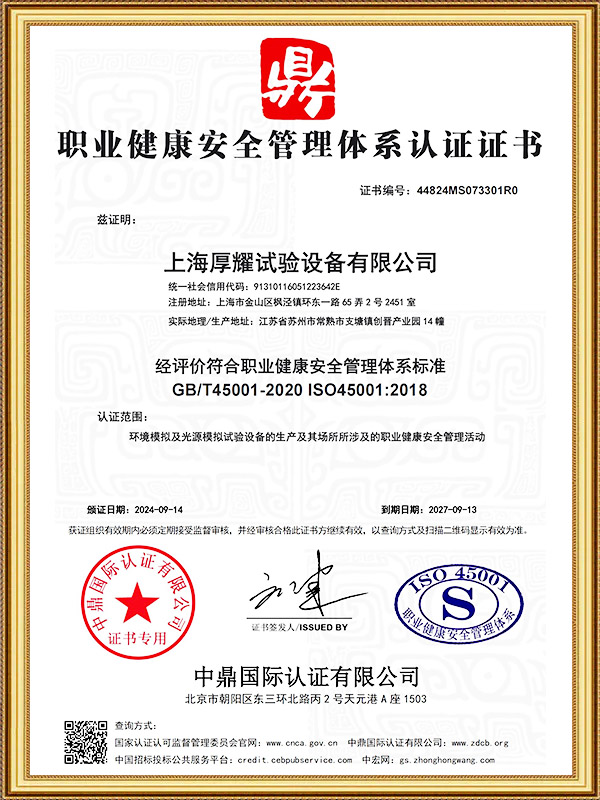
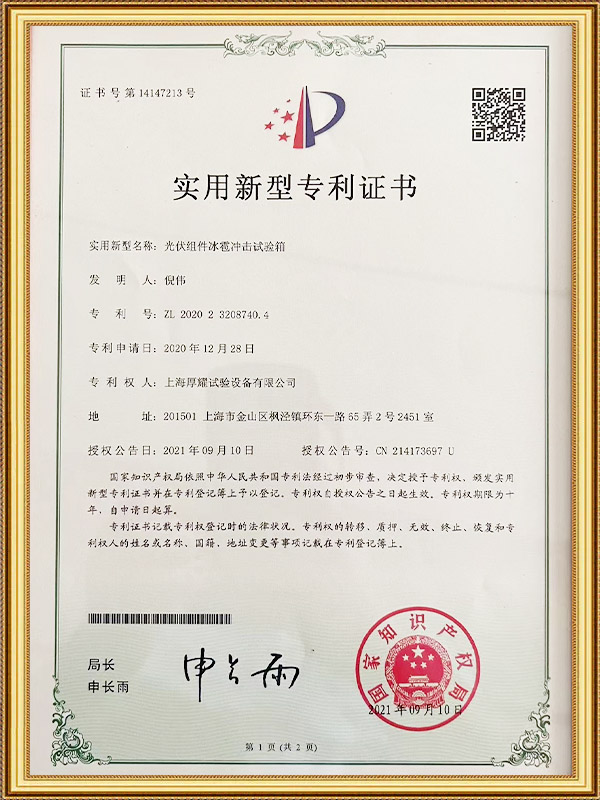
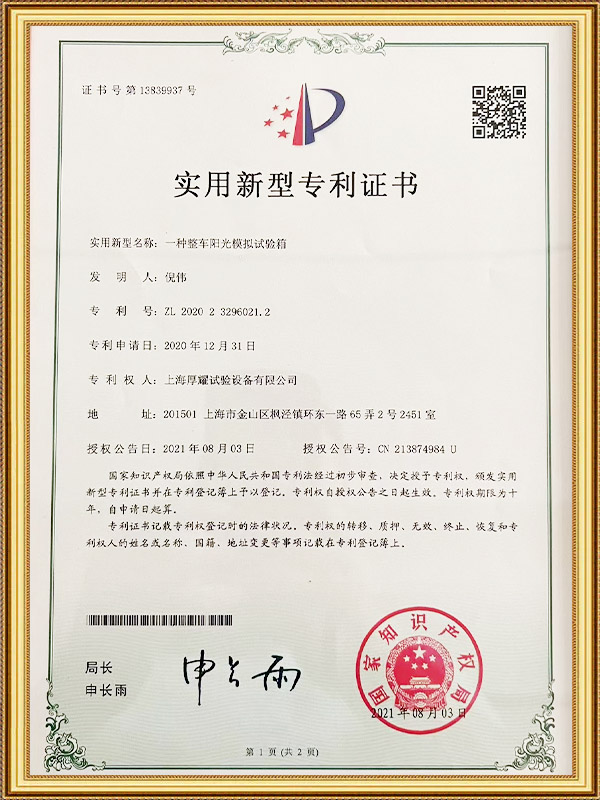
The wet leakage current tester is designed to simulate wet or humid conditions and evaluate the leakage current characteristics of photovoltaic (PV) modules and electrical components. It is a critical safety testing device that ensures components maintain proper insulation even under adverse environmental conditions such as rain, high humidity, or condensation. As one of the few domestic manufacturers specializing in the research and production of large-scale environmental simulation chambers and optical simulation equipment, Shanghai Houyao Testing Equipment Co., Ltd. has independently developed advanced products. The company’s dedication to innovation in testing technology underscores the importance of precision equipment, for which meticulous maintenance is not an option but a necessity. This commitment to excellence ensures that the equipment used across the aerospace and photovoltaics industries delivers trustworthy and repeatable results.
The importance of a preventive maintenance strategy
A reactive approach to maintenance, where actions are only taken after a fault occurs, is fundamentally unsuitable for a wet leakage current tester. A breakdown mid-test can scrap valuable product samples, cause project delays, and incur costly emergency repairs. More insidiously, a gradual drift in calibration or a minor undetected fault can produce pass results for units that are actually faulty, creating a severe safety risk downstream. Therefore, a preventive maintenance strategy is paramount. This strategy involves scheduled, proactive activities designed to prevent failures before they happen. It is based on the manufacturer’s recommendations, historical performance data of the equipment, and the intensity of its usage. A well-documented preventive maintenance plan includes daily, weekly, monthly, and annual tasks, assigns responsibility to qualified personnel, and keeps detailed logs of all activities. This systematic approach minimizes unplanned downtime, extends the operational life of the capital equipment, and, most importantly, safeguards the integrity of the insulation resistance testing process. It is the bedrock of quality assurance for any laboratory performing safety testing.
Daily and operational maintenance procedures
The daily maintenance routine is the first line of defense in preserving the condition of a wet leakage current tester. These procedures are quick checks performed by the operator before and after each use to ensure basic operational readiness and cleanliness.
Before initiating any test, the operator must perform a visual inspection. This includes checking for any obvious signs of damage to cables, connectors, the test chamber, and the probe assembly. The high-voltage cables and their terminations are particularly vulnerable to wear and tear and must be inspected for cracks, abrasions, or burns. The chamber or basin where the test sample is placed and flooded with water must be examined for cracks or leaks that could compromise the test and damage the internal electronics of the tester. The water level sensors and drainage system should also be verified for obvious faults.
The most crucial daily task is the meticulous cleaning and drying of the test chamber and all components that come into contact with water. After completing a wet leakage current test, the chamber must be drained completely. Any residue, minerals, or contaminants left by the water must be wiped clean using a soft, lint-free cloth and, if necessary, a mild, non-abrasive cleaning agent recommended by the manufacturer. This prevents the buildup of scale and corrosion, which can affect sensor accuracy and lead to chamber degradation. All electrodes, probes, and fixtures must be carefully cleaned and dried to prevent oxidation and ensure consistent electrical contact for the next test. The area around the tester should be kept clean and dry to prevent slips and to avoid water ingress into the electrical cabinets.
A simple operational verification test should be run periodically, ideally daily in high-use environments. This involves running a quick test with a known-good, stable test sample or a calibrated dummy load. The results should be consistent with previous readings. Any significant deviation warrants investigation before proceeding with production testing. This quick check can catch drifts in performance early.
Weekly and monthly maintenance checks
On a weekly basis, a more detailed set of inspections should be performed. This involves checking the integrity of the water system. The quality of water used is critical; the standard typically requires water with a specific resistivity. Using deionized water is common, but the storage tank and the tubing that delivers it can become contaminated with algae or mineral deposits. Weekly flushing of the water system with clean, deionized water helps prevent biological growth and clogging. Filters in the water system should be inspected and cleaned or replaced as per the manufacturer’s schedule.
Electrical safety checks are a critical monthly procedure. While these should always be performed by a qualified electrician or trained technician, the monthly check is more formal. It involves verifying the grounding integrity of the entire system. A poor ground connection is an extreme safety hazard when dealing with high voltage and water. The technician should check the resistance of the earth ground connection to ensure it meets the specified safety requirements. All safety interlocks must be tested to confirm they immediately cut power when the test chamber is accessed during operation. Emergency stop buttons must be tested for proper functionality. These checks are non-negotiable for operator safety.
Lubrication of mechanical parts is another monthly task. While a wet leakage current tester is not highly mechanical, it may have motorized lifts for probes, moving parts on the sample fixture, or valves in the water system. These components should be lubricated according to the manufacturer’s specifications using the correct type of lubricant to prevent seizing and ensure smooth operation.
Annual professional calibration and certification
The single most important maintenance procedure for any precision measuring instrument is periodic calibration by a certified professional. For a wet leakage current tester, this is an annual imperative. Calibration is the process of comparing the readings of the instrument against a known reference standard traceable to a national metrology institute. Over time, electronic components can drift, leading to inaccurate readings of voltage, current, and resistance.
A full annual calibration service performed by a qualified technician will involve adjusting the internal electronics of the high voltage power supply and the current measurement system to ensure their output and reading are within the specified tolerance. This process verifies the accuracy of the applied test voltage and the measured leakage current or insulation resistance. It is not sufficient to simply check the calibration; any deviations must be corrected.
Following the calibration, the instrument should be issued a calibration certificate. This document is a vital quality record that provides evidence of the tester’s accuracy for audits and for complying with standards like ISO/IEC 17025. It is proof that the electrical safety tester is producing valid results. Without a valid and recent calibration certificate, any test data generated is of questionable value and likely unacceptable to certification bodies or customers. This procedure ensures the product quality and reliability of the items being tested.
Table: Summary of critical maintenance intervals
| Frequency |
Procedure |
Purpose |
| Daily |
Visual inspection of cables, chamber, and probes. Cleaning and drying of all components. Operational check. |
Prevent immediate hazards, ensure cleanliness, verify basic function. |
| Weekly |
Inspect and flush water system. Check filters. |
Prevent clogs, biological growth, and ensure water quality for accurate resistivity simulation. |
| Monthly |
Electrical safety check (grounding, interlocks, E-stop). Lubricate mechanical parts. |
Ensure operator safety, prevent equipment failure, and maintain smooth mechanical operation. |
| Annually |
Full professional calibration and certification by a qualified technician. |
Ensure measurement accuracy traceable to national standards, validate test data for compliance and quality. |
Troubleshooting common issues and record keeping
Even with a perfect preventive maintenance plan, issues can arise. A systematic approach to troubleshooting is essential. Common problems include inconsistent test results, failure to hold voltage, error messages related to the water system, or tripping of internal circuit breakers. A well-trained technician should start by consulting the manufacturer’s manual, which typically contains a troubleshooting guide. Often, the root cause can be traced back to a maintenance lapse: dirty or oxidized probes, contaminated water, a clogged filter, or a slightly loose cable connection. Documenting every issue, its symptoms, and the resolution is invaluable. This logbook creates a history of the equipment, helping to diagnose recurring problems and informing future maintenance planning.
Comprehensive record-keeping is the thread that ties all maintenance procedures together. A dedicated log should be maintained for every wet leakage current tester. This log must contain dates and details of every maintenance activity performed, from daily cleaning to annual calibration. It should include the names of the operators or technicians involved, any parts replaced, and any deviations or anomalies observed. This documentation is crucial for auditing purposes, for tracking the cost of ownership, and for providing a complete history if the equipment ever requires major repair or is sold. It transforms maintenance from a series of tasks into a managed, data-driven process that continuously improves the reliability and value of the testing equipment.
The wet leakage current tester is more than just a piece of laboratory equipment; it is a guardian of product safety and reliability. Its role in validating the insulation integrity of components under wet conditions is critical for photovoltaic module testing and beyond. Therefore, treating its maintenance as an ancillary activity is a significant risk. The critical maintenance procedures outlined—from daily cleaning to annual professional calibration—form a holistic program that protects a substantial capital investment, ensures the safety of laboratory personnel, and guarantees the unquestionable accuracy of test data. In an industry where quality and safety are paramount, a well-maintained wet leakage current tester is not just a tool for compliance with IEC 61215 and other standards; it is a fundamental pillar of a reputable and responsible manufacturing and quality assurance process. Adhering to a strict maintenance regimen is the definitive way to ensure that this sophisticated electrical safety tester continues to perform its vital function with precision and reliability for years to come.


 EN
EN
 English
 中文简体
中文简体


 [email protected]
 +86-17712471297