What Is a UV Aging Test Chamber, and Why Is It Critical for Material Durability Testing?
In industries ranging from plastics and coatings to textiles and electronics, the durability of materials exposed to sunlight is a make-or-break factor for product performance and lifespan. Sunlight's ultraviolet (UV) radiation is one of the most destructive environmental forces, causing materials to fade, crack, lose tensile strength, or degrade over time. To predict how materials will hold up under real-world UV exposure, manufacturers and researchers rely on a specialized piece of equipment: the UV aging test chamber. But how exactly does this chamber simulate years of sun damage in weeks or months? What scientific principles guide its design? And why is it indispensable for ensuring product quality across industries? This article dives into the mechanics, applications, and importance of UV aging test chambers, shedding light on their role in material science and product development.
1. The Science Behind UV Aging: Why Sunlight Damages Materials
Before understanding UV aging test chambers, it's essential to grasp why UV radiation is so harmful to materials. Sunlight consists of three types of UV rays: UVC (100–280 nm), UVB (280–315 nm), and UVA (315–400 nm). While the Earth's ozone layer absorbs most UVC rays, UVB and UVA penetrate the atmosphere and interact with materials at the molecular level—this interaction is the root cause of aging.
UVB rays, though less abundant than UVA, have higher energy. They break the chemical bonds in polymers (the building blocks of plastics, rubber, and coatings), leading to chain scission (breaking long polymer chains into shorter ones) or cross-linking (forming new bonds between chains). Both processes alter the material's physical properties: chain scission makes plastics brittle and prone to cracking, while cross-linking can cause hardening and loss of flexibility. For example, a plastic outdoor chair exposed to UVB for years may develop tiny cracks on its surface, eventually breaking under weight.
UVA rays, which account for about 95% of UV radiation reaching Earth, have lower energy but deeper penetration. They don't break bonds directly but excite molecules into free radicals—unstable atoms with unpaired electrons. These free radicals react with oxygen in the air (a process called oxidation) to form new compounds that degrade the material. For instance, a polyester textile awning exposed to UVA will fade over time because free radicals break down the dye molecules, stripping the fabric of its color.
In real-world conditions, UV damage is often accelerated by other factors like heat and moisture (e.g., rain, dew). This combination—UV + heat + humidity—is what UV aging test chambers aim to replicate, but in a controlled, accelerated manner.
2. How UV Aging Test Chambers Work: Simulating Years of Damage in Weeks
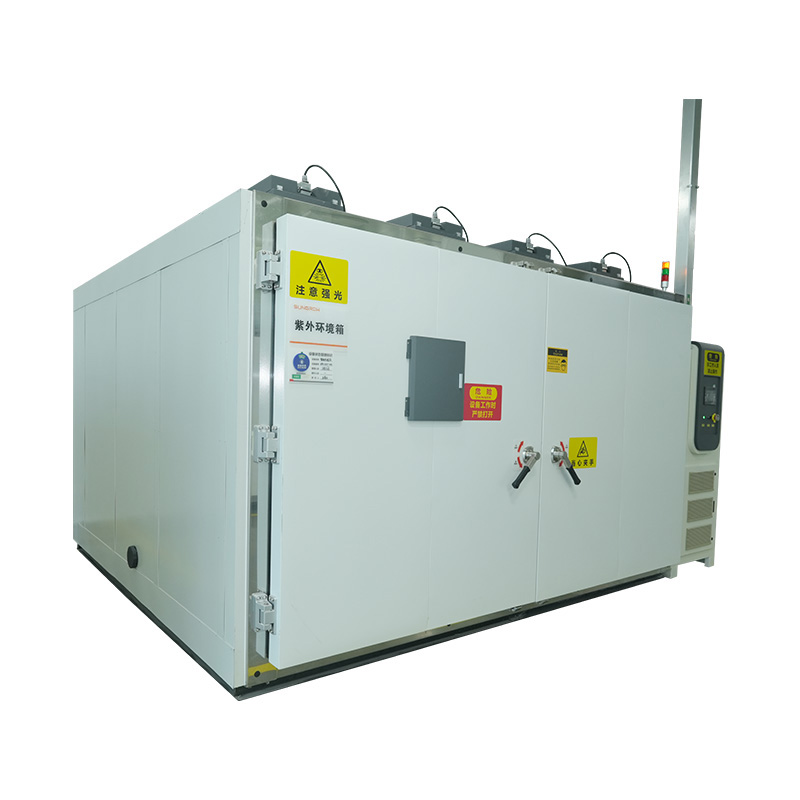
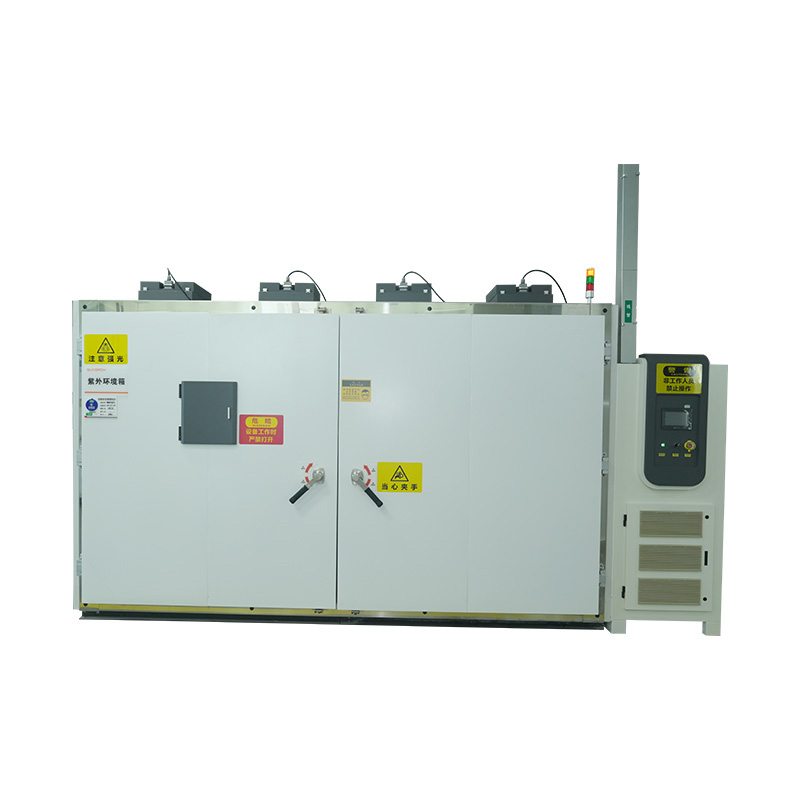
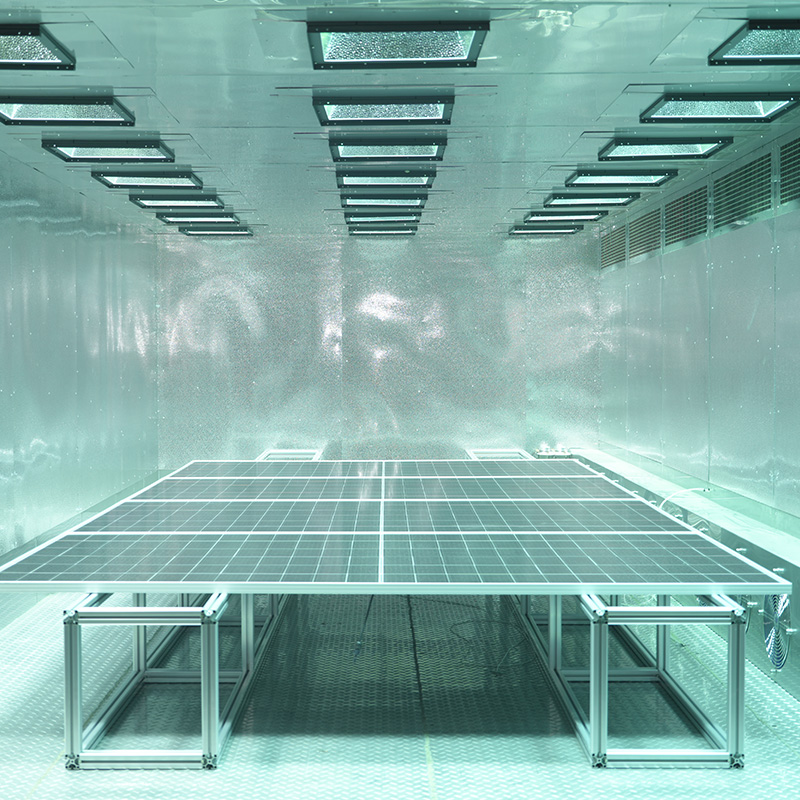
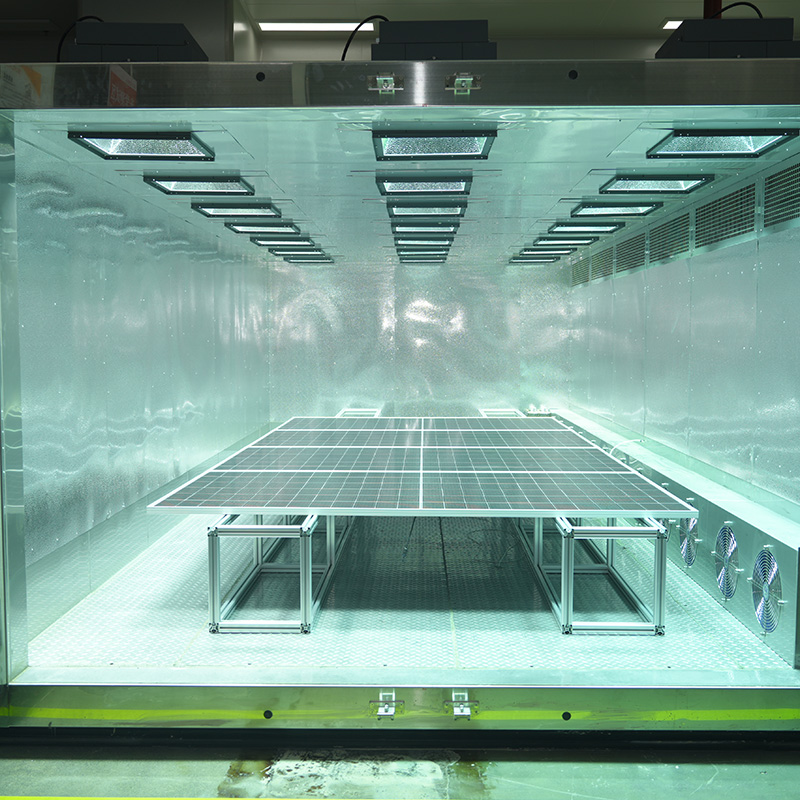
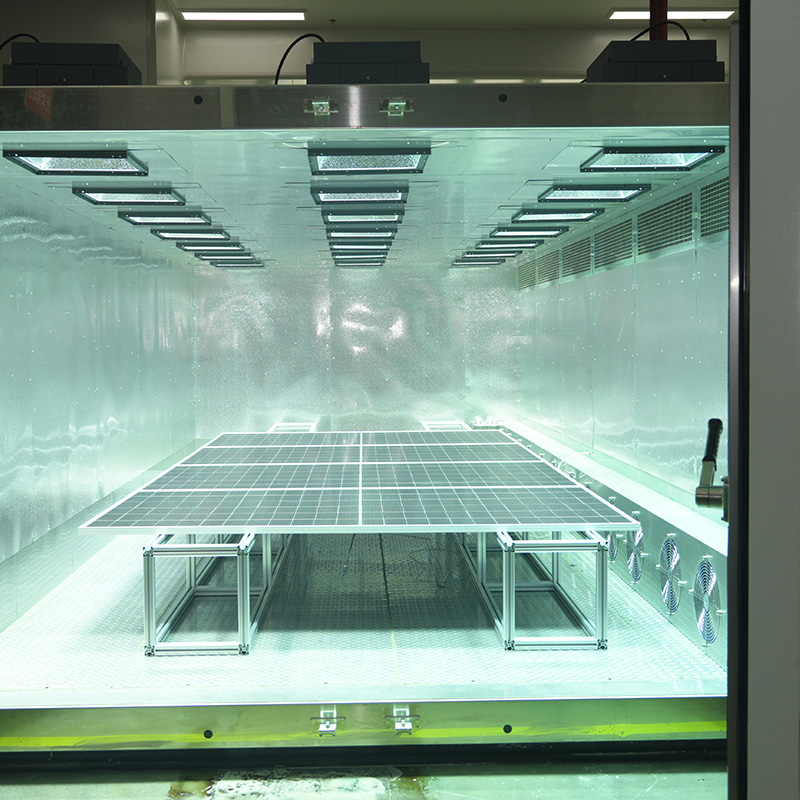
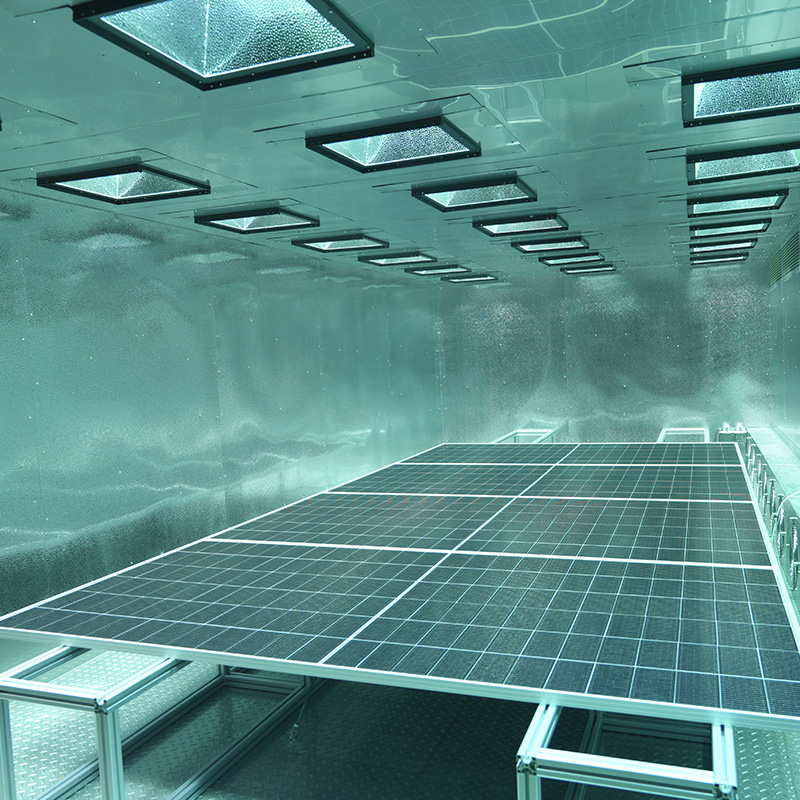
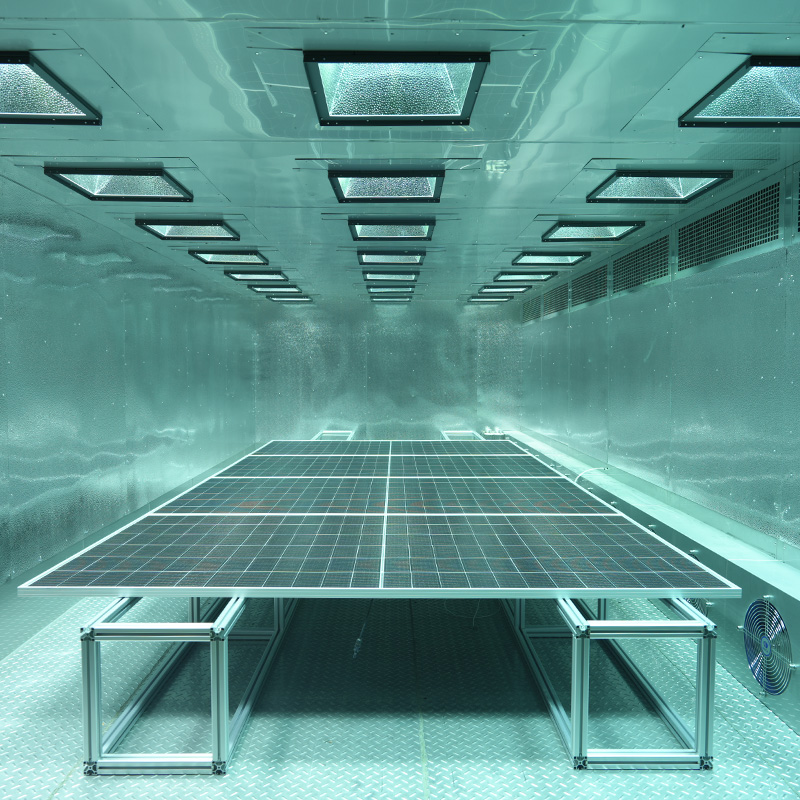
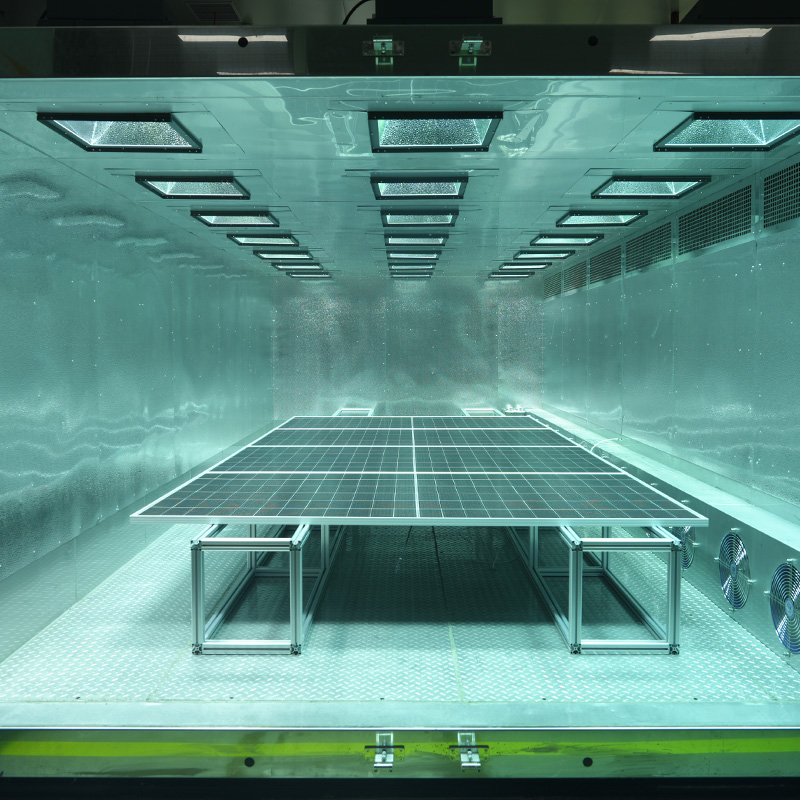
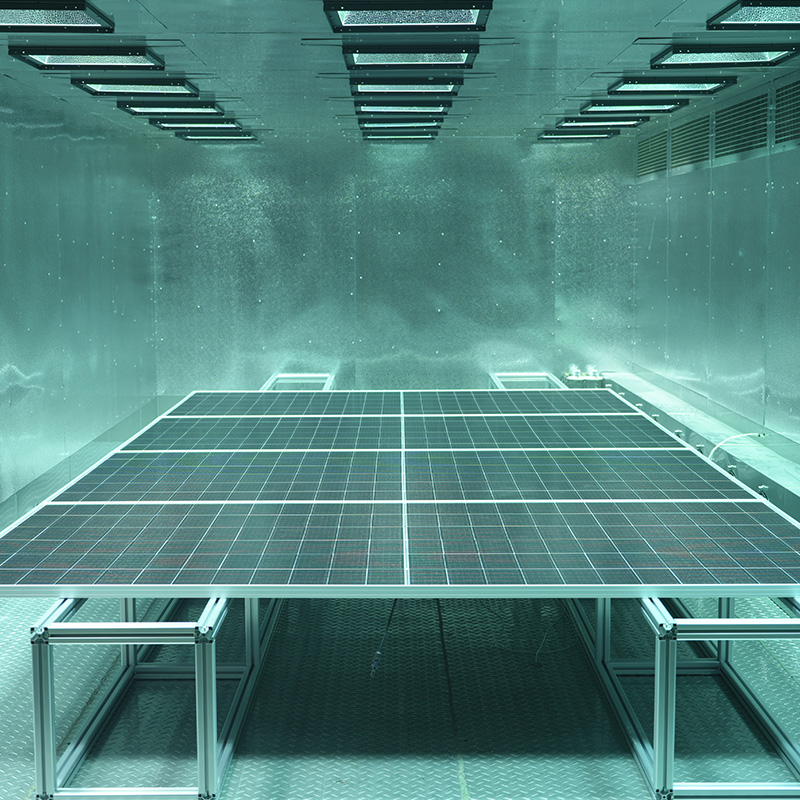
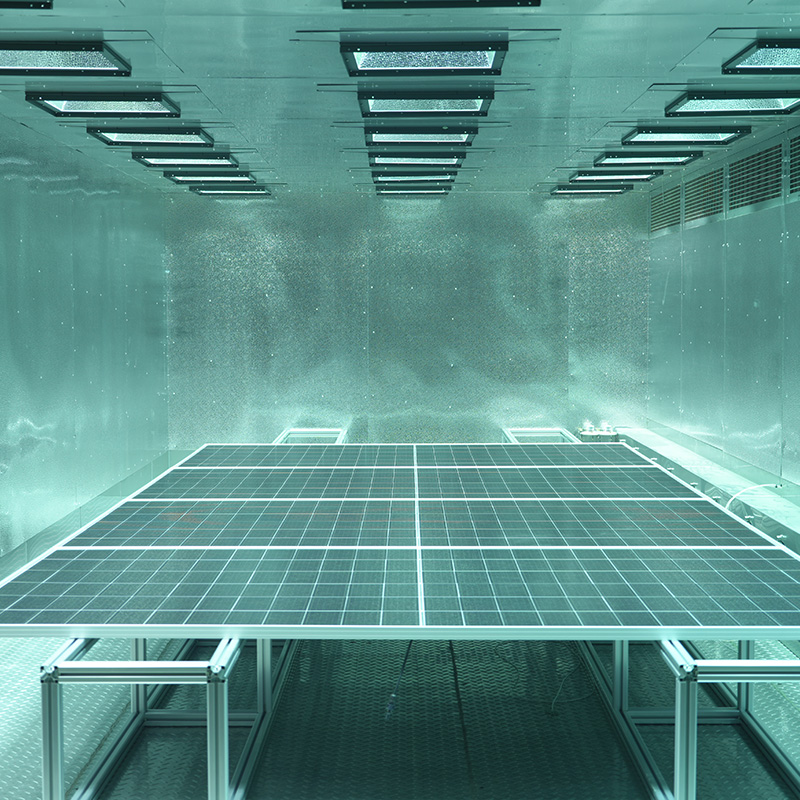
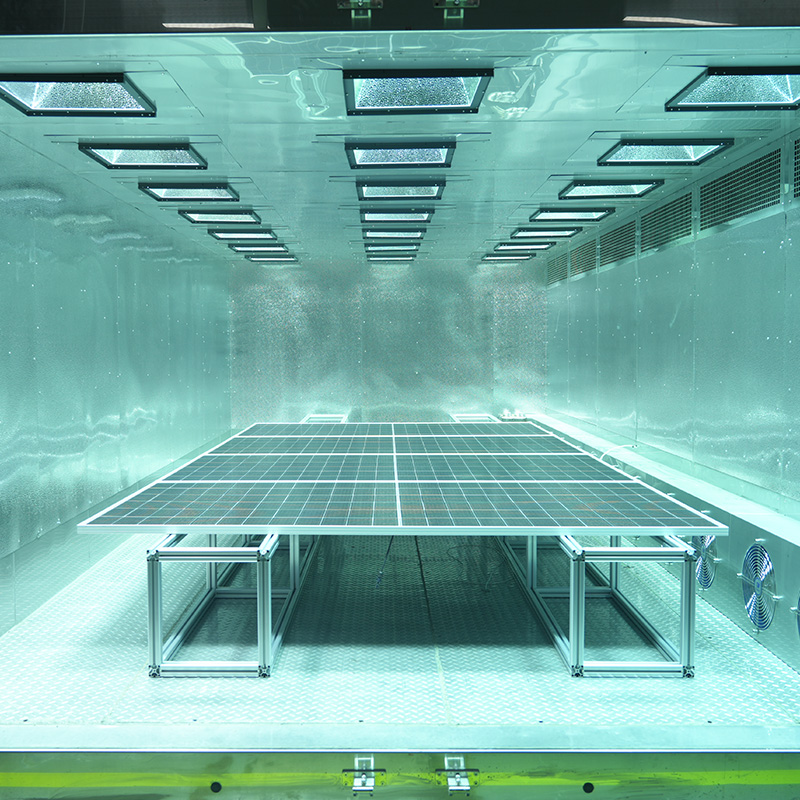
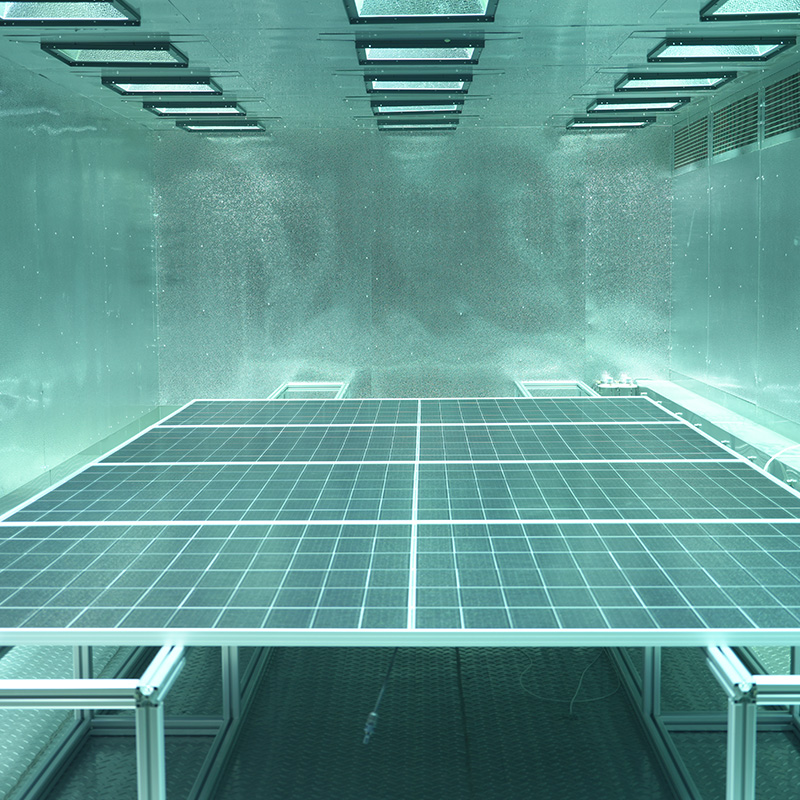
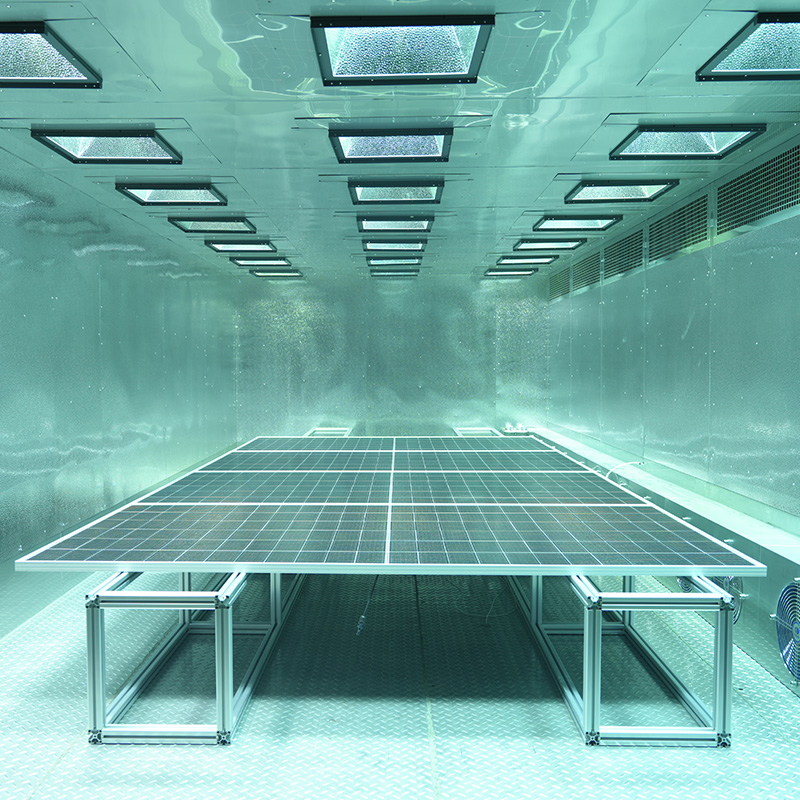
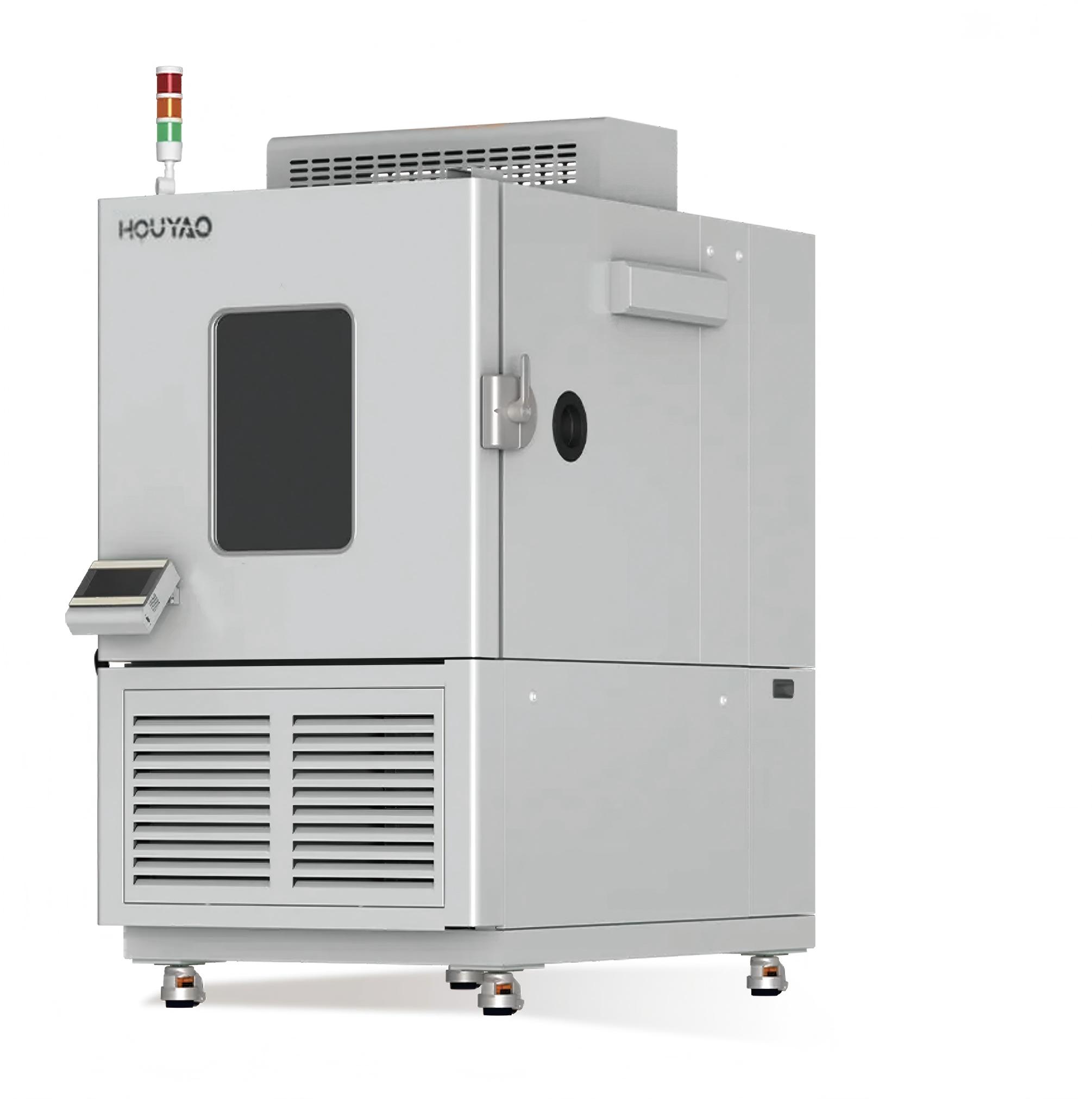
A UV aging test chamber is designed to recreate the most damaging aspects of outdoor exposure, using specialized lamps, temperature controls, and humidity systems to accelerate UV aging. Its core components and operating principles are grounded in material science and environmental simulation, ensuring results that correlate with real-world performance.
Core Components of a UV Aging Test Chamber
- UV Lamps: The heart of the chamber, these lamps emit UV radiation that mimics sunlight. The two most common types are:
- UVA-340 Lamps: Simulate the short-wavelength UVA rays (315–340 nm) that are most responsible for material aging in outdoor environments. They are ideal for testing materials intended for long-term outdoor use (e.g., automotive coatings, building materials).
- UVB-313 EL Lamps: Emit higher-energy UVB rays (313 nm) to accelerate aging even faster. They are used for quick screening tests (e.g., evaluating new plastic formulations) but must be used cautiously—their intense UVB can cause unrealistic damage if not calibrated properly.
- Temperature Control System: UV radiation heats materials in real life, and heat accelerates chemical reactions (including UV-induced degradation). Chambers use heaters and air circulation fans to maintain a consistent "black panel temperature" (the temperature of the material surface, typically 40–60°C) and "chamber air temperature" (the surrounding air, usually 30–50°C).
- Humidity/condensation System: Many chambers include a water reservoir and spray nozzles to simulate dew or rain. Moisture acts as a catalyst for UV damage—for example, water can penetrate tiny cracks caused by UV, speeding up oxidation. Some chambers alternate between "UV exposure cycles" (dry heat) and "condensation cycles" (moist heat) to mimic day-night or wet-dry cycles in nature.
- Control Panel & Data Logging: A digital interface allows users to set parameters (UV intensity, temperature, humidity, cycle duration) and monitor the test in real time. Advanced chambers log data (e.g., temperature fluctuations, UV dose) to ensure test reproducibility—a key requirement for industry standards.
The Accelerated Aging Principle
The key advantage of UV aging test chambers is their ability to compress years of outdoor exposure into weeks or months. This is based on the dose-response relationship: the more UV radiation a material absorbs, the faster it degrades. By increasing the intensity of UV rays (within safe, realistic limits) and controlling temperature and humidity, chambers deliver a higher "UV dose" in a shorter time.
For example, a UVA-340 lamp in a chamber can emit UV radiation at an intensity of 0.71 W/m² (at 340 nm)—about 2–3 times the average UVA intensity in tropical regions. Under these conditions, a 1,000-hour test (≈41 days) can simulate 5–7 years of outdoor exposure in a temperate climate. This acceleration allows manufacturers to test new materials or validate product designs quickly, without waiting years for real-world data.
3. Key Applications of UV Aging Test Chambers Across Industries
UV aging test chambers are not limited to a single sector—any industry that produces materials exposed to sunlight relies on them to ensure product durability. Below are their most critical applications:
Automotive Industry
Cars and trucks are exposed to intense UV radiation, heat, and rain daily. UV aging test chambers are used to test:
- Exterior coatings: Paint, clear coats, and vinyl wraps must resist fading, chalking (a white powdery residue from polymer degradation), and peeling. A 500-hour test can simulate 2–3 years of sun exposure, ensuring the paint remains vibrant and protective.
- Interior materials: Dashboard plastics, seat fabrics, and rubber seals degrade quickly if unprotected. Chambers test these materials to prevent brittleness (which causes dashboard cracks) or color fading (which ruins the interior aesthetic).
- Rubber components: Tires, hoses, and gaskets lose elasticity when exposed to UV. Testing ensures they maintain flexibility and seal properly over time.
Construction & Building Materials
Building materials like siding, roofing, and windows face decades of outdoor exposure. Chambers test:
- Vinyl siding: Prevents warping, cracking, and color fading—critical for maintaining a home's curb appeal and structural integrity.
- Roofing materials: Asphalt shingles, metal roofing, and solar panel coatings are tested to resist UV-induced degradation (e.g., asphalt shingles losing their granule coating, which shortens their lifespan).
- Window films & glass coatings: Ensures tinted films don't fade or peel, and low-e coatings (which reflect heat) retain their performance.
Textile & Furniture Industry
Outdoor textiles (awnings, patio furniture cushions) and indoor fabrics exposed to sunlight (curtains, upholstery) rely on UV testing:
- Outdoor fabrics: Polyester, acrylic, and olefin fabrics are tested to resist fading, mildew (from moisture in chambers), and tensile strength loss. A 300-hour test can simulate 1–2 years of outdoor use, ensuring cushions don't tear or fade.
- Dyes & pigments: Textile manufacturers test dyes to ensure they don't bleed or fade when exposed to UV—a common issue with low-quality fabrics.
Electronics & Plastics Industry
Electronics and plastic products often have components exposed to sunlight:
- Plastic enclosures: Phone cases, outdoor lighting fixtures, and solar inverter housings are tested to prevent brittleness (which leads to cracks and water damage) and color change.
- Cables & wires: Outdoor electrical cables have UV-resistant jackets. Testing ensures the jackets don't degrade, preventing electrical shorts or safety hazards.
- Solar panels: The glass cover and backsheet (the layer behind the solar cells) must resist UV damage to maintain efficiency. Chambers test these components to ensure panels perform well for their 25–30 year lifespan.
4. How to Choose the Right UV Aging Test Chamber: Key Considerations
Not all UV aging test chambers are the same—choosing the right one depends on your industry, test requirements, and compliance needs. Below are the critical factors to evaluate:
Compliance with Industry Standards
Different industries have strict standards for UV aging testing. Ensure the chamber meets the standards relevant to your work:
- ASTM G154: The most common standard for UV aging of non-metallic materials (used in plastics, coatings, and textiles).
- ISO 4892-3: Specifies UV aging tests for plastics, including cycle conditions (e.g., 8 hours of UV exposure at 60°C, 4 hours of condensation at 50°C).
- SAE J2020: Used in the automotive industry to test exterior materials for UV resistance.
- AATCC 186: For testing textile colorfastness to UV radiation.
A chamber that meets these standards ensures your test results are credible and accepted by clients, regulators, or certification bodies.
UV Lamp Type & Intensity Control
Select a chamber with the right lamp type for your material:
- Choose UVA-340 lamps for realistic long-term outdoor simulation (e.g., testing building materials or automotive coatings).
- Choose UVB-313 EL lamps only for quick screening tests (e.g., comparing two plastic formulations) — avoid them for final product validation, as their intense UVB can overestimate damage.
Also, look for chambers with adjustable UV intensity (e.g., 0.35–1.0 W/m² at 340 nm). This allows you to tailor the test to different climates (e.g., lower intensity for temperate regions, higher for tropical areas).
Temperature & Humidity Range
Ensure the chamber can reach the temperature and humidity levels relevant to your application:
- Temperature: Most chambers range from 30–80°C (black panel temperature). For automotive or tropical applications, choose a chamber that can reach 60–70°C.
- Humidity/Condensation: If testing materials exposed to rain or dew (e.g., outdoor textiles, roofing), select a chamber with a condensation system that can maintain 90–100% relative humidity.
Chamber Size & Capacity
Consider the size of your test samples:
- Small chambers (e.g., 50–100 L) are ideal for small samples (e.g., plastic coupons, fabric swatches) and laboratory use.
- Large chambers (e.g., 200–500 L) can accommodate larger samples (e.g., full-size vinyl siding panels, automotive dashboard components) and are better for manufacturing facilities.
Data Logging & Safety Features
- Data logging: Choose a chamber with built-in data logging (e.g., USB or Ethernet connectivity) to record UV intensity, temperature, and humidity. This ensures test reproducibility and allows you to generate reports for clients or audits.
- Safety features: Look for over-temperature protection, UV lamp shields (to prevent eye damage), and emergency stop buttons—critical for operator safety.
5. Common Myths About UV Aging Test Chambers (and the Facts)
Despite their widespread use, there are misconceptions about UV aging test chambers. Let's debunk the most common ones:
Myth 1: "A UV aging test can perfectly replicate 10 years of outdoor exposure."
Fact: While chambers simulate aging accurately, they cannot perfectly replicate every real-world variable (e.g., pollution, wind, varying sunlight angles). Instead, they provide a correlative measure—test results are compared to real-world data to estimate lifespan. For example, if a material passes a 1,000-hour ASTM G154 test, it's expected to last 5–7 years outdoors in a temperate climate, but this may vary slightly based on local conditions.
Myth 2: "Higher UV intensity = faster, better results."
Fact: Increasing UV intensity beyond realistic limits (e.g., >1.0 W/m² at 340 nm) can cause unrealistic damage (e.g., breaking bonds that wouldn't break in natural sunlight). This leads to false negatives (rejecting a material that would perform well outdoors) or false positives (approving a material that fails prematurely). Always follow industry standards for UV intensity.
Myth 3: "UV aging chambers are only for outdoor materials."
Fact: Many indoor materials are exposed to UV radiation (e.g., curtains near windows, office furniture in glass-walled buildings). Chambers are used to test these materials too—for example, ensuring a office chair fabric doesn't fade after years of sunlight through a window.
6. The Future of UV Aging Test Chambers: Innovations on the Horizon
As material science advances and industries demand more precise testing, UV aging test chambers are evolving with new technologies:
Smart Monitoring & AI Integration
Advanced chambers now include IoT (Internet of Things) sensors that monitor UV intensity, temperature, and sample condition in real time. Some even use AI to analyze data—for example, detecting early signs of material degradation (e.g., color change, cracking) and alerting operators before the test ends. This speeds up testing and reduces the need for manual inspection.
Multi-Factor Simulation
Future chambers will integrate more environmental factors to mimic real-world conditions more closely. For example, adding pollution simulation (e.g., exposing samples to ozone or sulfur dioxide) to test how urban air affects material aging, or wind simulation to study how air flow impacts heat and moisture on material surfaces.
Energy Efficiency
Manufacturers are developing more energy-efficient chambers—using LED UV lamps (which consume less power than traditional fluorescent lamps) and insulated chambers to reduce heating/cooling costs. This aligns with global sustainability goals and lowers long-term operating expenses for labs and factories.
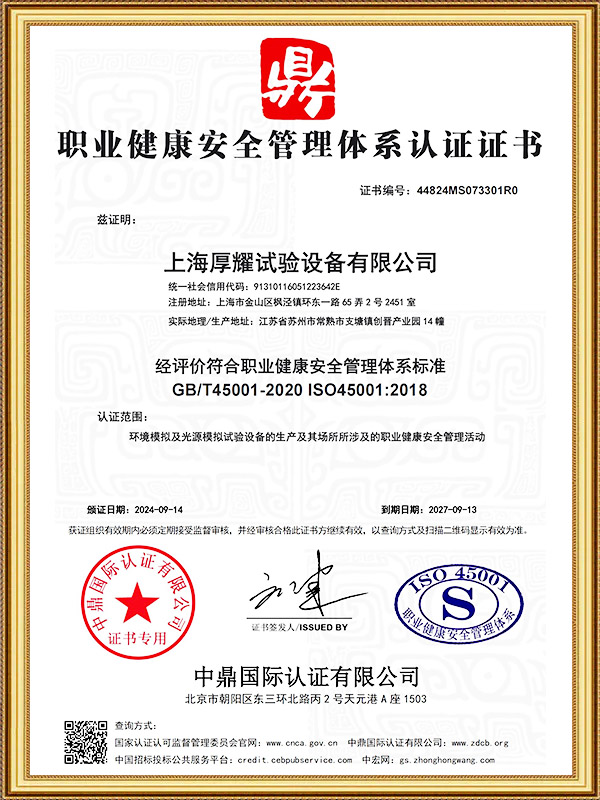
In line with these innovations, Shanghai Houyao Test Equipment Co., Ltd. has been focusing on how to enhance the accuracy and usability of UV aging test chambers, ensuring they meet the evolving needs of industries like automotive, construction, and electronics. By prioritizing compliance with international standards and integrating user-friendly features, the company supports researchers and manufacturers in delivering durable, high-quality products that stand up to the test of sunlight.
Conclusion: Why UV Aging Test Chambers Are Non-Negotiable for Quality Assurance
UV aging test chambers are more than just "simulation tools"—they are critical for ensuring product durability, reducing warranty claims, and building trust with customers. By accelerating UV aging and controlling environmental factors, they provide actionable data that guides material selection, product design, and quality control across industries.
Whether you're a automotive manufacturer testing a new paint formulation, a textile maker ensuring outdoor cushions resist fading, or a construction company validating roofing materials, a UV aging test chamber helps you avoid costly mistakes (e.g., recalling a product that degrades prematurely) and deliver products that last.
As materials become more advanced (e.g., bio-based plastics, high-performance coatings) and industries face stricter regulations for durability, the role of UV aging test chambers will only grow. Investing in a high-quality, standards-compliant chamber is not just a cost—it's an investment in product quality, customer satisfaction, and long-term business success.




 EN
EN
 English
 中文简体
中文简体