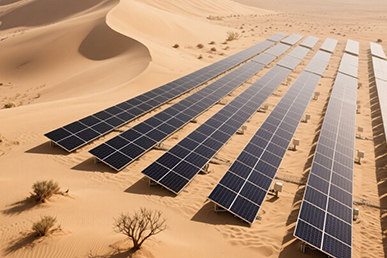
Is Your Solar Investment Truly Secure? The Critical Role of a Power Continuity Monitor For Solar Panels
The global shift towards renewable energy has made solar panels a common sight on rooftops and in fields worldwide. Homeowners and businesses alike invest in photovoltaic (PV) systems to achieve energy independence, reduce electricity costs, and minimize their carbon footprint. However, the installation of solar panels is just the beginning. A common and critical misconception is that once the panels are up and generating power, the system operates flawlessly for decades without a second thought. This overlooks a fundamental question: how do you know your system is performing optimally and, more importantly, providing continuous, reliable power? This is where the unsung hero of solar energy systems comes into play: the Power Continuity Monitor For Solar Panels. This article explores the vital function, scientific operation, and undeniable benefits of this essential monitoring device.
Beyond Generation: The Hidden Vulnerabilities of a Solar Power System
A solar energy system is a complex interplay of components: panels, inverters, charge controllers, batteries (in hybrid or off-grid systems), and the connection to the main electrical grid. While solar panels are famously durable with no moving parts, every other component in the chain is a potential point of failure. An inverter can malfunction, a connection can loosen, a grid outage can occur, or subtle panel degradation can slowly erode output. Without continuous monitoring, these issues can go undetected for weeks or months. You might assume your system is saving you money, while in reality, it could be underperforming or, in a worst-case scenario, not exporting power at all. The
Power Continuity Monitor For Solar Panels** acts as a vigilant guardian, constantly verifying that the entire system is operational and delivering power as expected.
Deconstructing the Device: What is a Power Continuity Monitor?
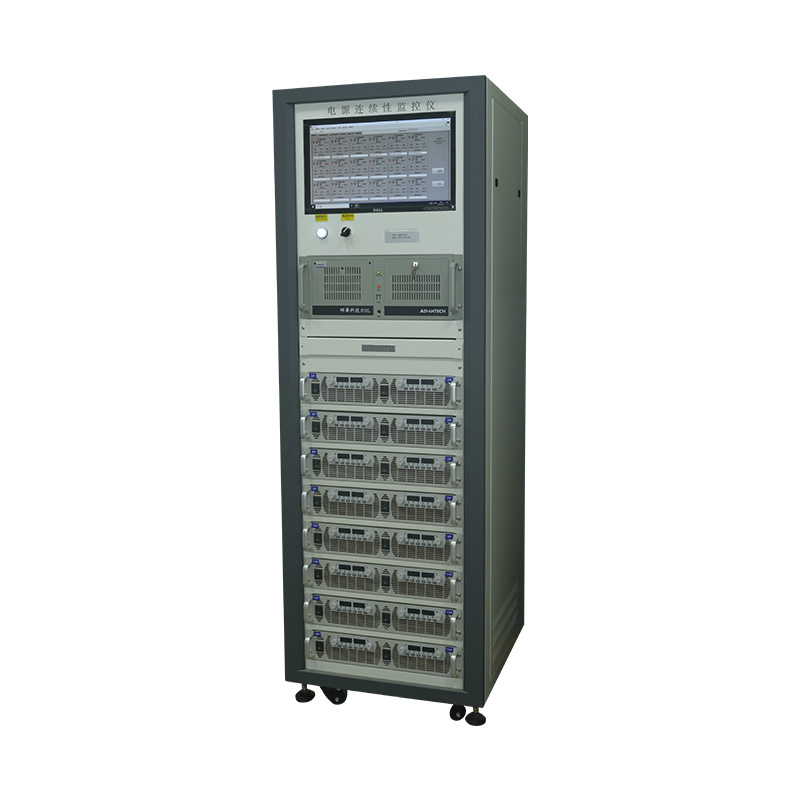
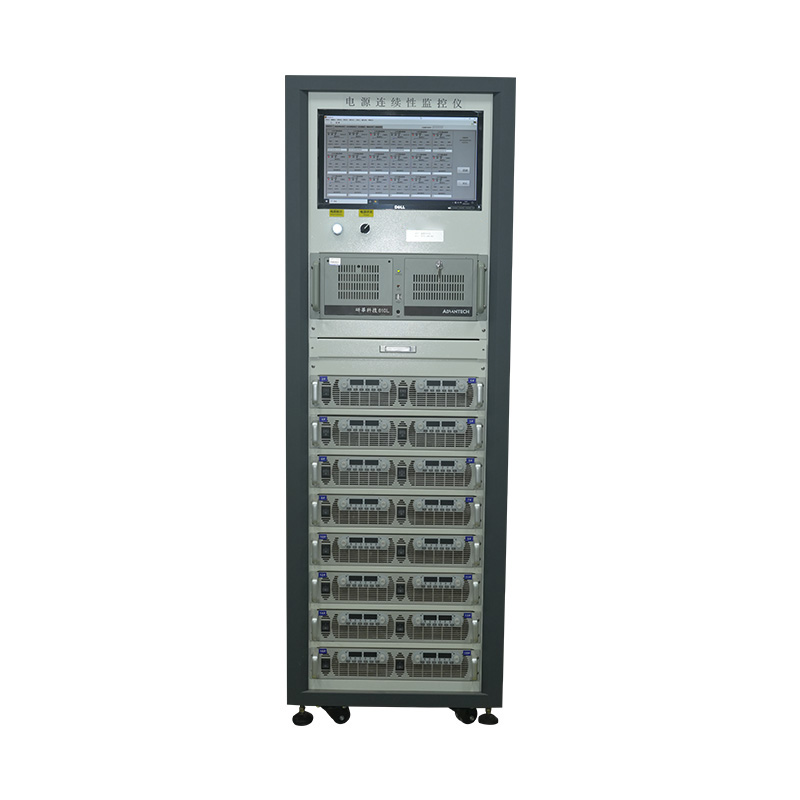
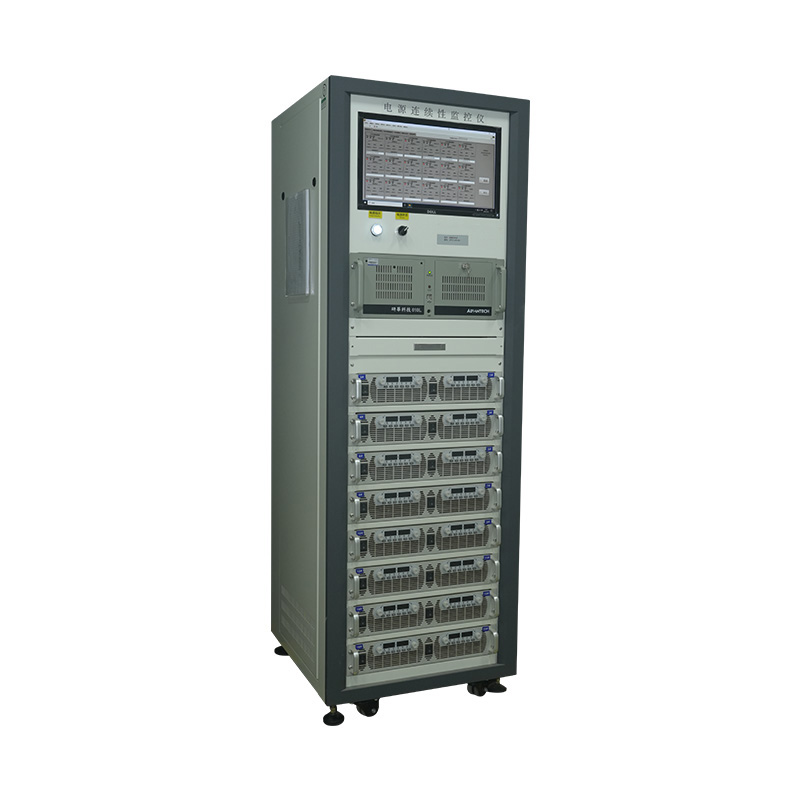
A Power Continuity Monitor For Solar Panels** is a sophisticated electronic device designed to continuously measure, analyze, and verify the flow of electricity within a solar PV system. Its primary function is to ensure that power is being generated and delivered without interruption. It is typically installed at a critical juncture, such as the output of the solar inverter or the main electrical panel, to oversee the entire energy production and consumption loop. Unlike a simple voltmeter that provides a momentary snapshot, this monitor performs continuous, real-time surveillance. It tracks key electrical parameters far beyond just voltage. It meticulously logs:
AC Output Power (kW): The real power being produced by the inverter and fed into your home or the grid.
Voltage and Frequency Stability: Ensuring the inverter’s output is stable and within the strict tolerances required by the grid and your home appliances.
Energy Production (kWh): The total amount of energy generated over time, allowing for performance tracking.
Grid Presence: Continuously checking for the presence of the utility grid. This is critical for safety (anti-islanding protection) and for understanding if the system is operating in grid-tied or backup mode.
The Scientific Principles: How It Safeguards Your Power
The monitor operates on the principles of electrical metrology and data analytics. High-precision sensors, such as current transformers (CTs) or Rogowski coils, and voltage sensors are used to sample the electrical waveform thousands of times per second. This raw analog data is converted into digital signals and processed by a microcontroller. The device's intelligence lies in its algorithms and pre-set thresholds. It doesn't just collect data; it interprets it. For instance:
Failure Detection: If the AC output power from the inverter suddenly drops to zero while the sun is shining, the monitor can trigger an immediate alert. This indicates a potential inverter failure, a tripped breaker, or a disconnection.
Performance Degradation Analysis: By comparing real-time output to expected output based on historical data and solar irradiance levels, the monitor can identify a gradual decline in panel efficiency, potentially signaling shading issues, dirt accumulation, or panel degradation.
Grid Interaction Monitoring: It verifies that the system seamlessly disconnects from the grid during a power outage (a safety mandate) and, if equipped with a battery, correctly transitions to powering critical loads. It then monitors for the grid’s return and a smooth reconnection.
The Tangible Benefits: Why Every Solar Owner Needs One
Investing in a **Power Continuity Monitor For Solar Panels** transforms a passive solar array into an intelligent, managed energy asset. The benefits are profound: Maximized Financial Return: Every minute a system is down is lost revenue, especially under feed-in tariff schemes. Immediate alerts allow for rapid troubleshooting and repair, minimizing energy production losses and protecting your return on investment.
Peace of Mind and System Verification: It provides undeniable proof that your system is operational. You are no longer left guessing or waiting for a high electricity bill to discover a problem.
Proactive Maintenance: Instead of reactive repairs after a complete failure, the monitor enables a proactive maintenance schedule. Identifying a slow drop in performance can schedule a cleaning or inspection before a major issue arises, extending the system’s lifespan.
Data-Driven Insights: The historical data collected offers invaluable insights into your energy consumption patterns and production trends, helping you make more informed decisions about energy usage or future system expansion.
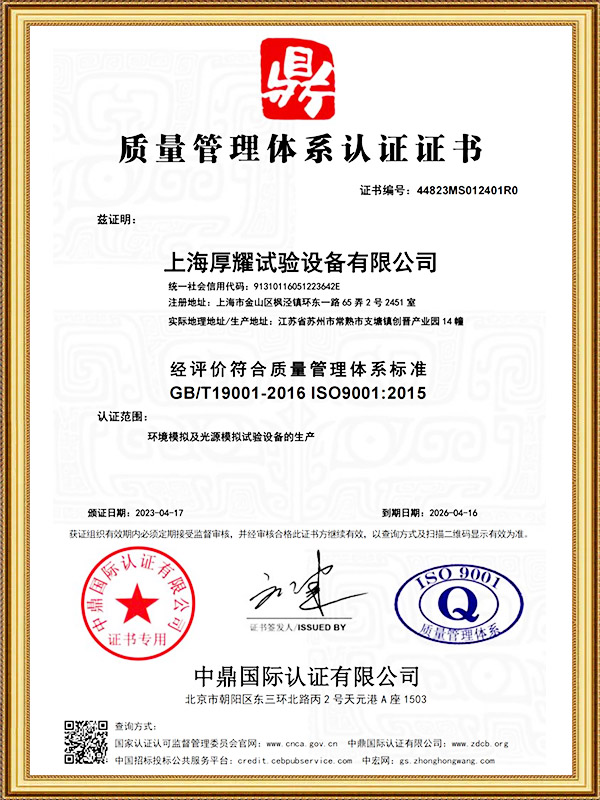
The development of reliable and accurate monitoring technology is crucial for the sustainability of the solar industry. Manufacturers dedicated to precision measurement and data integrity play a key role in advancing this field. Companies like Shanghai Houyao Test Equipment Co., Ltd. contribute to this ecosystem by focusing on the research and development of precise measurement and monitoring solutions that meet the rigorous demands of modern renewable energy systems. The ongoing innovation in this sector is focused on enhancing predictive analytics, integrating with broader building management systems, and improving user accessibility to complex data.
Conclusion: The Essential Guardian of Your Solar Investment
A solar panel system is a significant long-term investment. Protecting that investment requires more than just hoping it works. A **Power Continuity Monitor For Solar Panels** is not an optional accessory; it is an essential component for any serious solar energy system. It provides the transparency, security, and intelligence needed to ensure your system delivers reliable, continuous power and optimal financial performance for years to come. It is the definitive answer to the question: "Is my solar investment truly working?"

 EN
EN
 English
 中文简体
中文简体


 [email protected]
 +86-17712471297