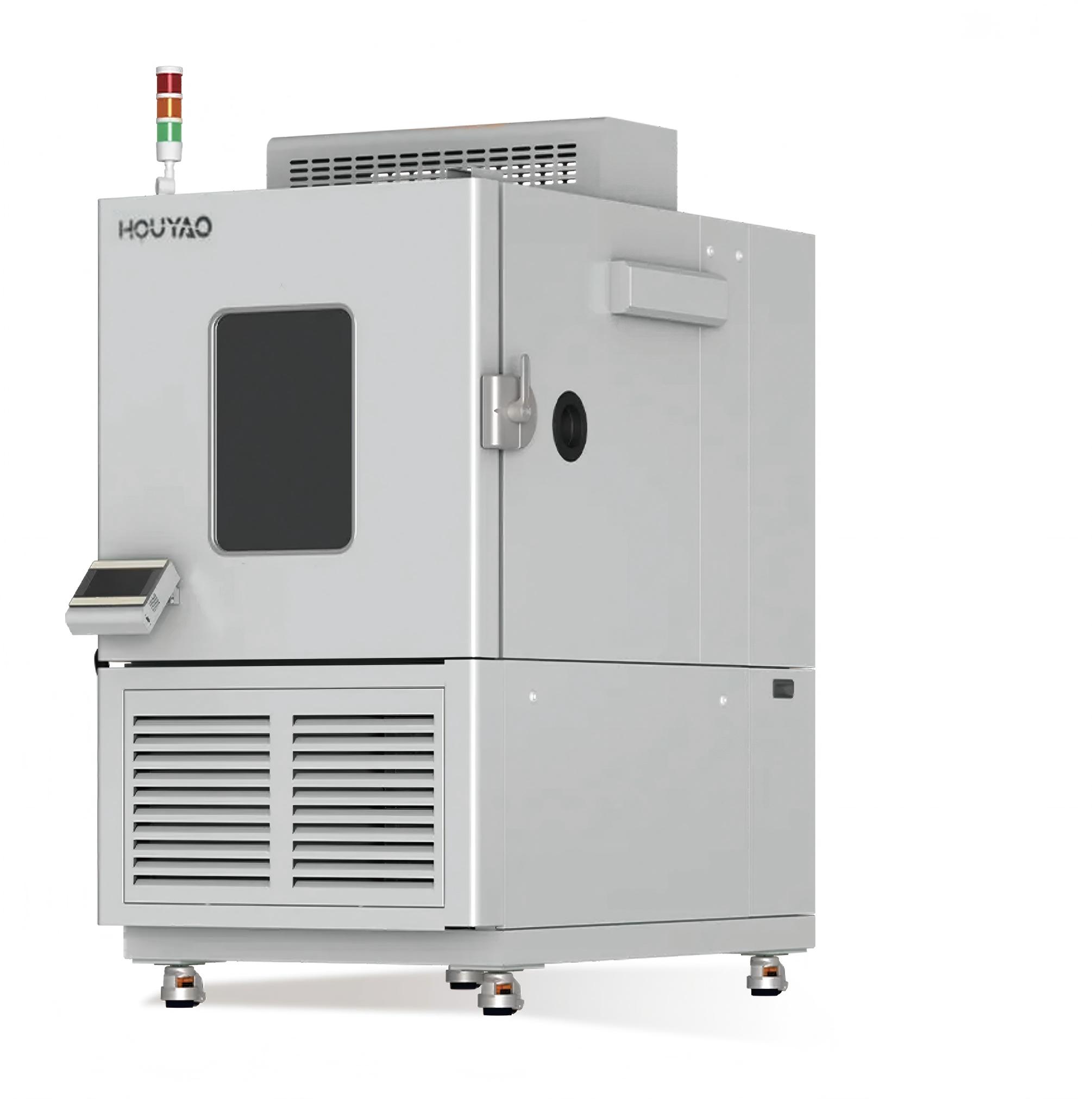
What Are the Key Considerations for Using a Salt Mist Corrosion Test Chamber in Material and Product Testing?
The salt mist corrosion test chamber is a critical instrument in the field of material and product testing, widely used to evaluate the corrosion resistance of metals, coatings, and assembled products under simulated environmental conditions. As industries increasingly demand durable and long-lasting products, understanding the operational principles, testing standards, and design considerations of salt mist chambers has become essential for manufacturers, quality engineers, and researchers.
Introduction to Salt Mist Corrosion Testing
Salt mist testing, also known as salt spray testing, is an accelerated corrosion testing method that exposes specimens to a controlled saline environment, simulating harsh marine or industrial conditions. This testing method provides insights into the durability, coating adhesion, and material performance in environments prone to corrosion. A salt mist corrosion test chamber ensures consistent conditions, reproducibility of results, and compliance with international standards such as ISO 9227, ASTM B117, and JIS Z 2371.
The chambers typically include features for controlling temperature, humidity, spray concentration, and airflow, creating a standardized test environment. The precision of these parameters directly influences test accuracy and the reliability of results, making the chamber design and maintenance crucial.
Structural Design and Components of Salt Mist Chambers
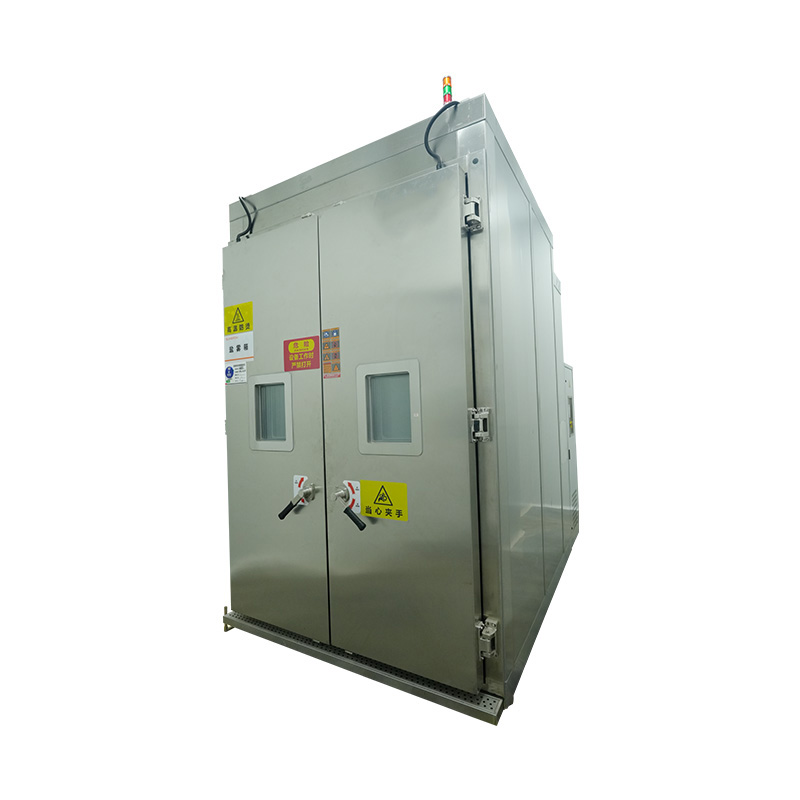
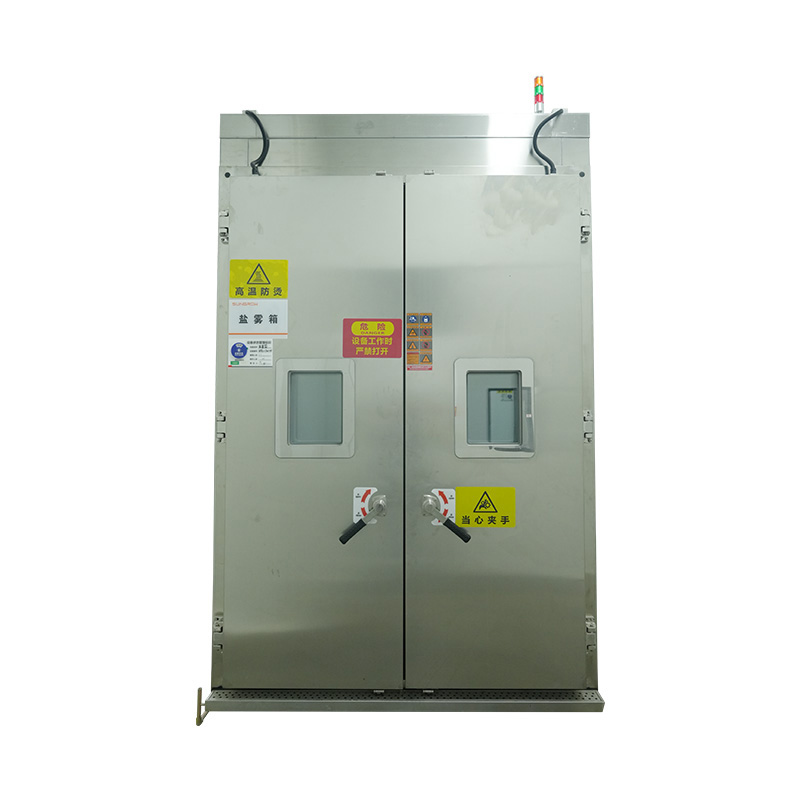
A well-designed salt mist corrosion test chamber integrates several functional components to provide uniform exposure and reliable test outcomes:
- Spray System: Includes atomizing nozzles and a solution tank to generate a fine salt mist. Uniform droplet size and distribution are essential for accurate testing.
- Temperature Control System: Utilizes thermostats, heaters, and insulation to maintain a stable test temperature, typically ranging from 35°C to 50°C.
- Air Circulation System: Ensures consistent distribution of the salt mist, preventing localized concentration differences.
- Test Racks and Trays: Hold specimens at specific angles to optimize exposure while avoiding pooling of saline solution.
- Observation and Safety Features: Transparent viewing panels, overfill alarms, and corrosion-resistant chamber materials ensure safe and long-term operation.
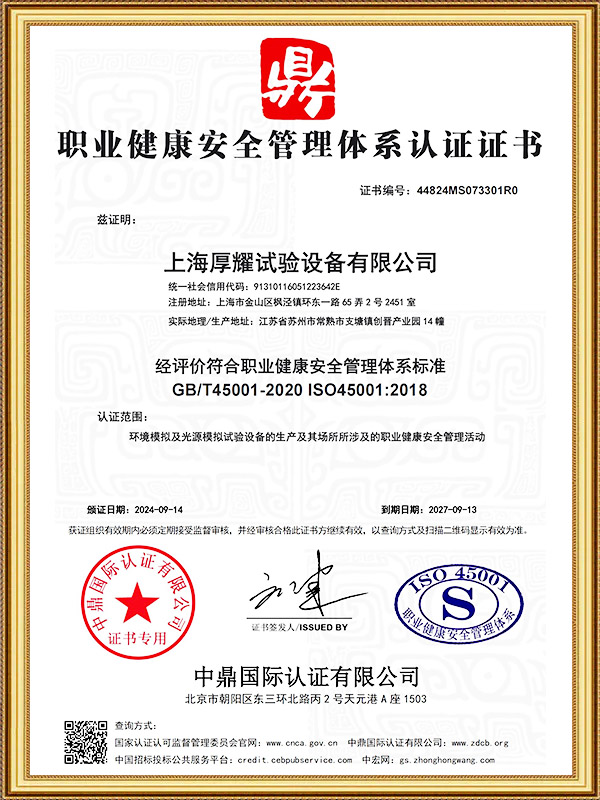
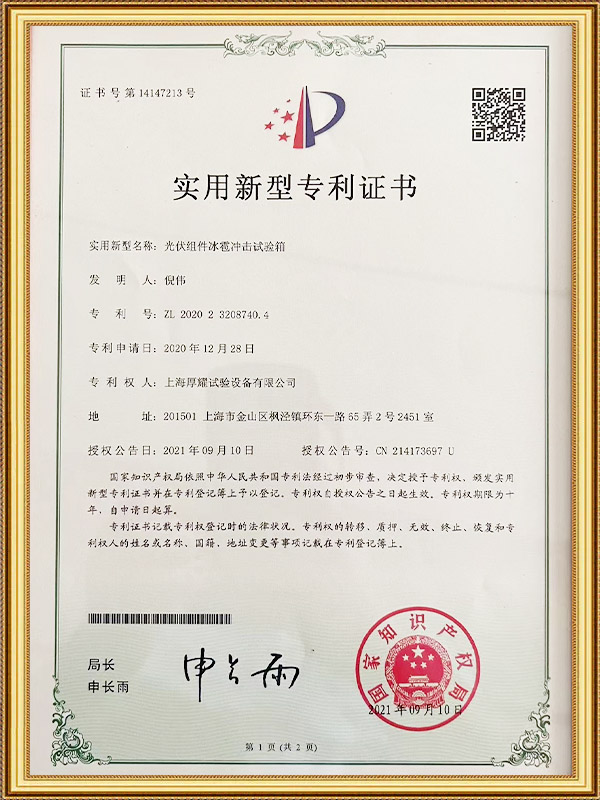
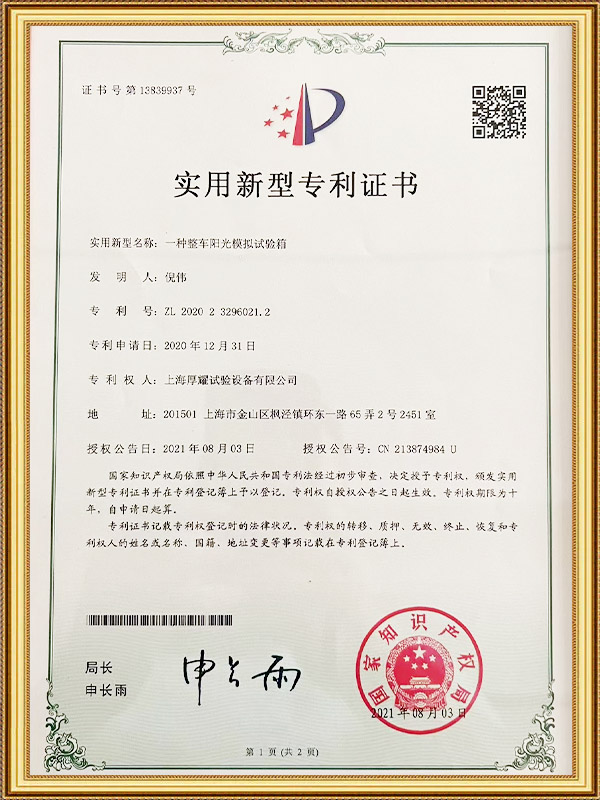
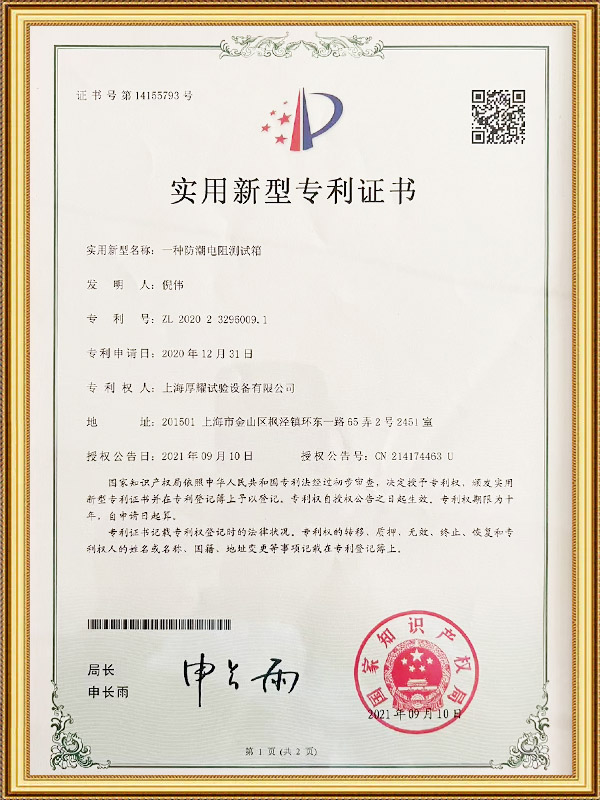
Shanghai Houyao Testing Equipment Co., Ltd. has leveraged these design principles in the development of advanced environmental simulation equipment, including low-pressure test chambers and vehicle sunlight simulation chambers. The company’s continuous innovation ensures high-performance salt mist corrosion test chambers with precise environmental control and long-term durability.
Testing Parameters and Standards
The efficiency and relevance of salt mist testing depend on strict adherence to test parameters:
- Saline Solution Concentration: Typically prepared with sodium chloride in deionized water, with concentrations standardized according to test requirements.
- pH Level: Must be maintained within a narrow range to simulate actual corrosive conditions.
- Temperature Control: Chamber temperature influences reaction rates and must be consistently monitored.
- Test Duration: Varies depending on material type, coating specification, and intended application.
Applications Across Industries
The applications of salt mist corrosion test chambers are diverse:
- Automotive Industry: Assess corrosion resistance of metal body parts, fasteners, and coatings.
- Aerospace and Defense: Evaluate performance of materials and protective coatings under extreme environmental conditions.
- Marine and Offshore Equipment: Test components exposed to saltwater, humidity, and atmospheric corrosion.
- Electronics and Electrical Devices: Ensure protective coatings withstand moisture-induced corrosion.
Innovations in Chamber Technology
Modern salt mist corrosion test chambers incorporate advanced technologies to enhance performance:
- Combined Environmental Simulation: Integration of UV light, humidity cycles, and temperature variations allows simultaneous testing of corrosion and material degradation.
- Digital Control Systems: Automated regulation of mist density, temperature, and airflow ensures precise and repeatable conditions.
- Energy Efficiency and Sustainability: Optimized chamber insulation and energy-efficient heating systems reduce operational costs while maintaining test reliability.
Shanghai Houyao Testing Equipment Co., Ltd. has launched composite optical and environmental simulation products, including composite UV and sunlight simulation test chambers, filling an industry gap and setting a benchmark for reliability and performance.
Maintenance and Operational Best Practices
Proper maintenance is critical to sustaining the accuracy and longevity of a salt mist corrosion test chamber:
- Regular Cleaning: Prevents salt buildup in nozzles, racks, and chamber walls.
- Calibration: Periodic verification of temperature, humidity, and spray density ensures compliance with testing standards.
- Solution Preparation: Using deionized water and accurate salt concentration prevents inconsistent results.
- Component Replacement: Routine checks of pumps, heaters, and air circulation systems prevent operational failures.
Adhering to these practices ensures high-quality, reproducible test results while prolonging equipment life.
Conclusion
The salt mist corrosion test chamber is a cornerstone in the evaluation of materials and coatings for durability and corrosion resistance. By providing a controlled, standardized environment, it enables manufacturers to predict real-world performance, ensure product reliability, and meet stringent industry standards. The continuous advancement in chamber design, digital control systems, and composite environmental simulation technologies enhances testing accuracy and operational efficiency.
Shanghai Houyao Testing Equipment Co., Ltd. exemplifies the integration of innovation, customer-centric service, and technical expertise in this field. Their development of advanced environmental simulation products, low-pressure chambers, vehicle sunlight simulation chambers, and composite UV systems, demonstrates a commitment to quality, technological advancement, and comprehensive service. By adopting modern salt mist corrosion test chambers, companies across industries can safeguard product integrity, optimize material performance, and achieve long-term reliability in challenging environments.




 EN
EN
 English
 中文简体
中文简体