-
 [email protected]
-
 +86-17712471297
[email protected]
+86-17712471297

Content
Damp heat test chambers excel at evaluating product performance under combined temperature and humidity stress, essential for electronics and pharmaceutical stability testing. UV aging test chambers accelerate weathering degradation through ultraviolet radiation exposure, critical for assessing material durability in outdoor applications. Your selection should prioritize moisture and thermal stress simulation for damp heat testing, or photochemical degradation assessment for UV aging applications. Many comprehensive environmental testing programs require both chamber types to ensure complete product reliability validation.
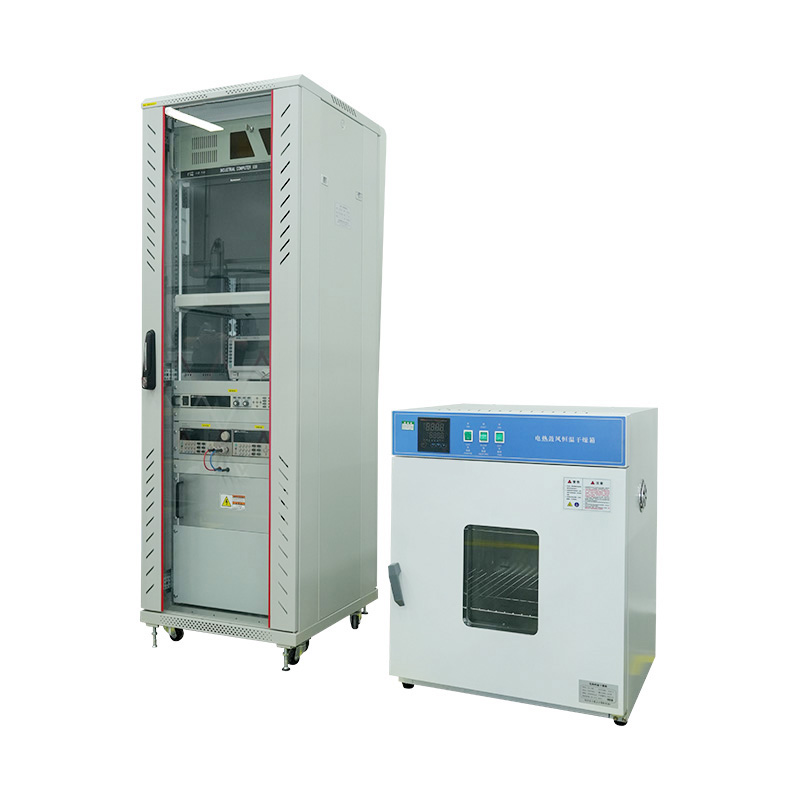
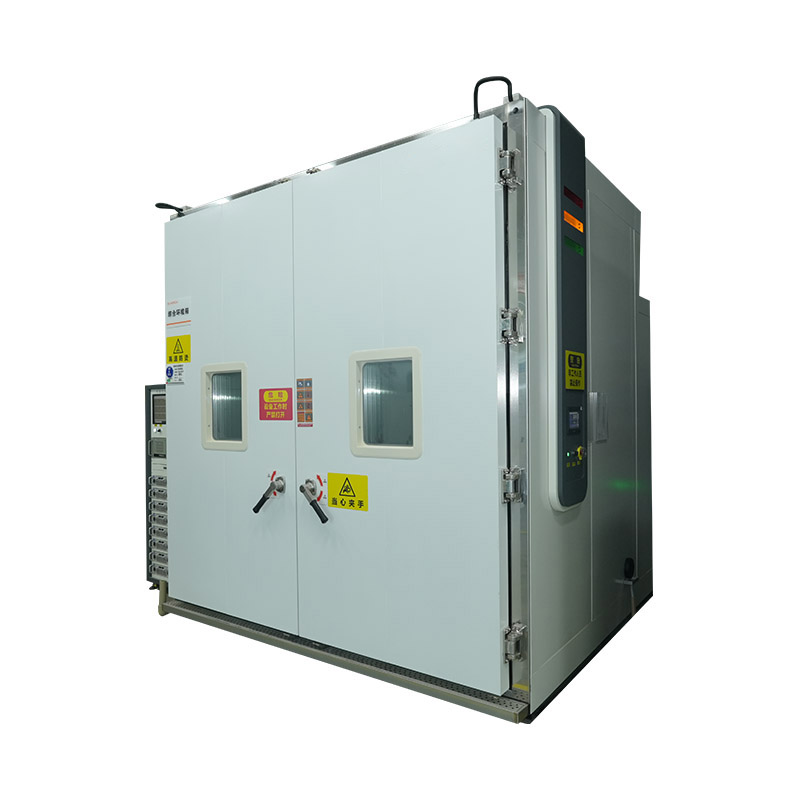
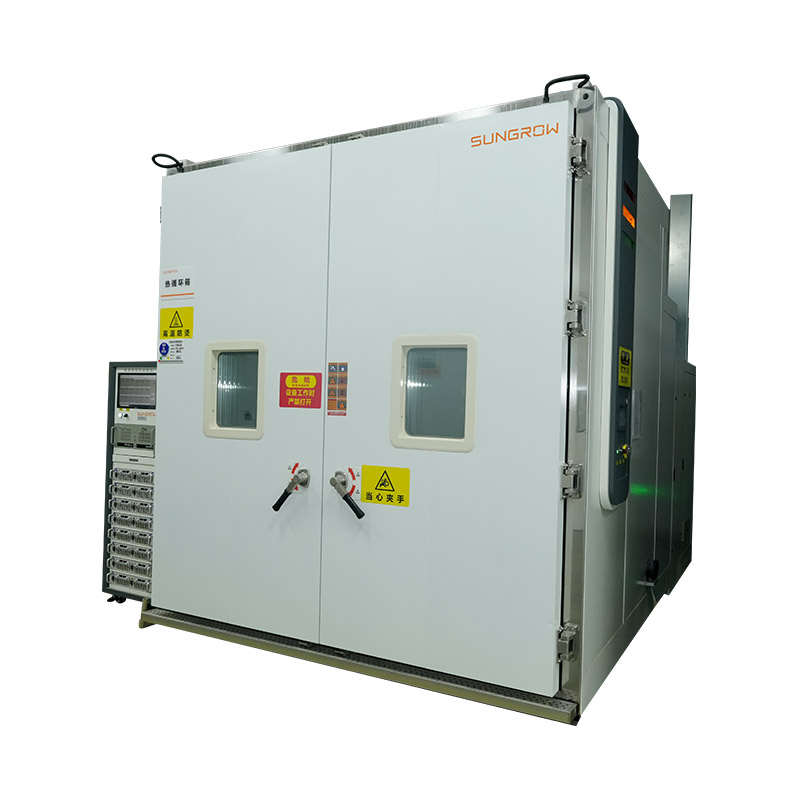
Damp heat test chambers create controlled environments combining elevated temperatures with high humidity levels to accelerate moisture-related failure mechanisms in products and materials. These chambers typically operate within temperature ranges of -70°C to +180°C with relative humidity control from 10% to 98% RH. The core system utilizes steam generators or atomizers to introduce moisture while heating and refrigeration systems maintain precise thermal conditions.
The testing methodology follows established standards including GB/T 2423.3 for steady-state damp heat testing and GB/T 2423.4 for cyclic damp heat methods. These protocols subject specimens to constant conditions of 40°C and 93% RH or cycling between high humidity and dry conditions to identify corrosion, insulation degradation, and material swelling issues. The chambers incorporate forced air circulation to ensure uniform temperature and humidity distribution throughout the test compartment.
Damp heat testing proves essential for electronics manufacturing where moisture ingress causes circuit board corrosion and component failure. Solar panel manufacturers utilize damp heat testing at 85°C and 85% RH for 1,000 hours to verify long-term reliability of photovoltaic modules. Pharmaceutical companies employ these chambers for stability testing following ICH guidelines to determine shelf life and storage conditions for drug products.
The automotive industry relies on damp heat testing to validate electronic control units and sensor assemblies that must withstand underhood humidity conditions. Test durations typically range from 48 hours for screening purposes to 1,000 hours or more for qualification testing, with temperature and humidity profiles customized to match specific environmental exposure scenarios.

UV aging test chambers simulate the damaging effects of solar ultraviolet radiation on materials through controlled exposure to UV-A or UV-B lamps. These chambers accelerate natural weathering processes that typically occur over years into test periods of days or weeks. Standard configurations utilize fluorescent UV lamps emitting wavelengths between 280-400nm, with irradiance levels adjustable from 0.35 to 1.55 W/m² depending on application requirements.
The testing cycle typically alternates between UV exposure periods and condensation phases to simulate day-night weathering patterns. Temperature ranges generally span from ambient to 70°C with humidity levels reaching 90% RH during condensation phases. This cyclic approach reproduces the thermal expansion and contraction stresses combined with photochemical degradation that materials experience in outdoor environments.
UV aging chambers serve critical functions across multiple industries. Plastics manufacturers test polymer formulations for color stability and mechanical property retention following ASTM D4329 protocols. Automotive suppliers evaluate interior materials for dashboard cracking, fading, and embrittlement under SAE J2020 standards. Coatings and paint manufacturers assess gloss retention and chalking resistance to ensure long-term aesthetic performance.
Textile producers utilize UV testing to verify fade resistance of outdoor fabrics and upholstery materials. The rubber industry employs these chambers to evaluate seal degradation and elasticity loss in gaskets and O-rings. Solar energy applications include testing of encapsulant materials and backsheet durability for photovoltaic modules exposed to decades of sunlight exposure.

Environmental testing chambers vary significantly in capacity and capability. Benchtop models provide 1 to 13 cubic feet of test space suitable for small components and R&D applications. Walk-in chambers accommodate large assemblies and production quantities with volumes reaching 12,000 cubic feet. Temperature uniformity specifications typically require ±1°C or better throughout the working volume, with humidity uniformity within ±3% RH.
Ramp rates for temperature transitions range from 1°C per minute in standard chambers to 15°C per minute or higher in rapid change systems. Advanced chambers incorporate programmable controllers supporting complex test profiles with multiple set points, dwell times, and cycling parameters. Data logging systems record temperature, humidity, and irradiance values at regular intervals to provide complete test documentation.
| Specification Parameter | Damp Heat Chamber | UV Aging Chamber |
|---|---|---|
| Temperature Range | -70°C to +180°C | Ambient to +70°C |
| Humidity Range | 10% to 98% RH | Up to 90% RH (condensation) |
| Primary Stress Factor | Moisture and temperature | Ultraviolet radiation |
| Typical Test Duration | 48 to 1,000 hours | 100 to 500 hours |
| Key Industry Standards | GB/T 2423.3, IEC 60068 | ASTM D4329, ISO 4892-3 |
The electronics industry represents the largest user of damp heat test chambers, subjecting printed circuit boards, semiconductors, and connectors to 85°C/85% RH conditions for 1,000 hours to verify moisture resistance. Telecommunications equipment undergoes similar testing to ensure reliability in tropical climates. The photovoltaic industry employs damp heat testing as a mandatory qualification step for module certification to IEC 61215 standards.
UV aging chambers find extensive use in the automotive sector for testing exterior plastics, coatings, and rubber seals. Construction material manufacturers evaluate roofing membranes, window profiles, and sealants for color and performance retention. The cosmetics industry utilizes UV testing to verify packaging integrity and product stability under retail lighting conditions. Aerospace applications include testing of exterior markings and composite materials for UV resistance at high altitudes.
Comprehensive environmental testing programs often sequence multiple chamber types to evaluate combined stress effects. Products may undergo UV aging followed by damp heat exposure to simulate outdoor weathering followed by humid storage conditions. This sequential approach identifies synergistic failure modes that single-stress testing might miss. Agree chambers integrate temperature, humidity, and vibration testing for complete environmental stress screening in a single system.
Highly Accelerated Life Testing (HALT) and Highly Accelerated Stress Screening (HASS) protocols combine rapid temperature cycling with vibration and humidity stresses to identify design weaknesses during product development. These aggressive test methods subject products to stresses well beyond specified operating limits to uncover marginal designs before production release.
Selecting appropriate environmental test chambers requires systematic evaluation of test requirements, sample characteristics, and regulatory compliance needs. Chamber capacity must accommodate specimen dimensions while allowing adequate air circulation for uniform conditions. Temperature and humidity ranges should exceed required test conditions by at least 10% to ensure adequate control margins.
Calibration and validation requirements vary by industry. Pharmaceutical applications require IQ/OQ/PQ validation documentation to satisfy FDA regulations. Aerospace and defense contracts typically mandate compliance with MIL-STD-810 environmental testing standards. Automotive suppliers must demonstrate adherence to SAE and ISO test protocols. Chamber manufacturers should provide calibration certificates, uncertainty budgets, and ongoing service support to maintain measurement traceability.
Damp heat chambers require regular maintenance of humidification systems including water demineralization, steam generator cleaning, and humidity sensor calibration. Condensate drainage systems must be checked to prevent water accumulation and microbial growth. Refrigeration systems need periodic inspection of compressors, condensers, and refrigerant levels to maintain cooling performance.
UV aging chambers require lamp replacement at specified intervals, typically every 1,600 hours of operation, to maintain consistent irradiance levels. Lamp intensity should be monitored using radiometers and recorded throughout test periods. Reflector surfaces require cleaning to maintain uniform irradiance distribution. Condensation systems need water quality maintenance to prevent mineral deposits on test specimens.
Environmental test chamber investments range from $5,000 for basic benchtop units to $200,000 or more for large walk-in systems with advanced features. Damp heat chambers generally command higher prices than basic UV aging systems due to more complex refrigeration and humidity control systems. However, combination chambers offering both temperature/humidity and UV capabilities provide cost savings compared to purchasing separate systems.
Operating costs include electricity consumption, water for humidification, replacement lamps for UV systems, and periodic calibration services. Energy-efficient models utilizing variable-speed compressors and LED lighting reduce ongoing expenses. The cost of inadequate testing through field failures, warranty claims, and product recalls typically far exceeds the investment in proper environmental testing equipment. A single prevented field failure often justifies the entire chamber investment.
Environmental testing chamber technology continues evolving toward improved energy efficiency, enhanced control precision, and integrated data management. Modern systems incorporate touchscreen interfaces, remote monitoring capabilities, and cloud-based data storage for improved accessibility and compliance documentation. LED-based UV sources are emerging as alternatives to fluorescent lamps, offering longer service life and more precise wavelength control.
Sustainability considerations drive development of low-global-warming-potential refrigerants and reduced energy consumption designs. Advanced control algorithms optimize test profiles to minimize energy usage while maintaining test fidelity. Modular chamber designs allow capacity expansion and capability upgrades as testing requirements evolve. These developments ensure environmental testing chambers remain essential tools for product quality assurance in an increasingly demanding marketplace.




We value your suggestions and questions. If you have any questions about our products and services, please contact us. We will treat you responsibly and reply to your information as soon as possible.
 Building 14, Chuangjin Industrial Park, Zhitang Town, Changshu City, Suzhou City, Jiangsu, China
 +86-17712471297


 EN
EN
 English
 中文简体
中文简体