Introduction - The Humidity Freeze Test Chamber as a "Guardian" of Product Reliability
The Humidity Freeze Test Chamber plays a crucial role in modern manufacturing, serving as a rigorous trial that products must pass before being launched. By simulating various extreme climates, it helps engineers find and fix potential product flaws, thereby ensuring product reliability.
What is a Humidity Freeze Test Chamber?
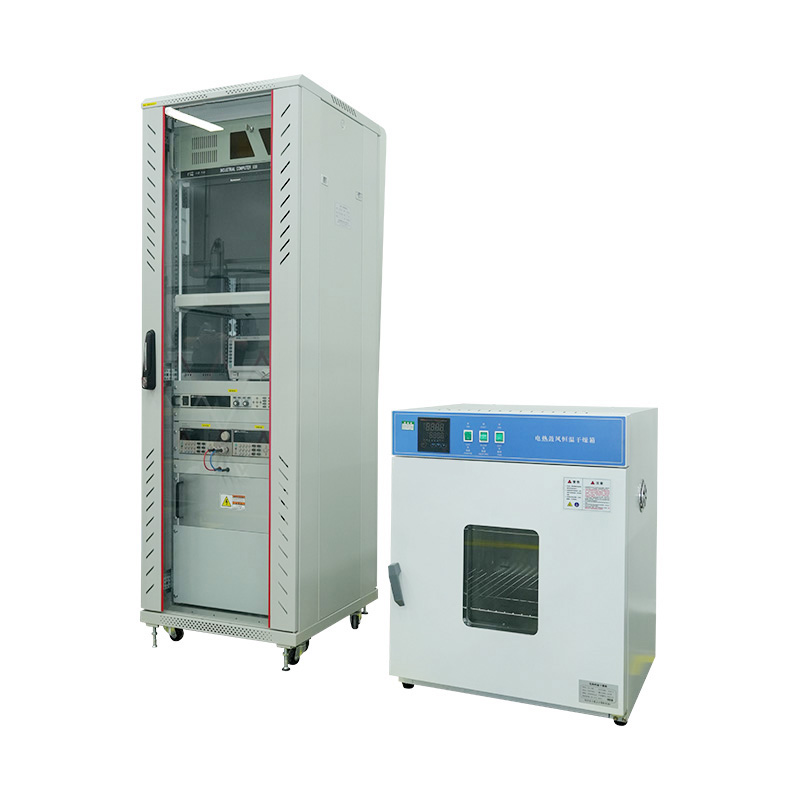
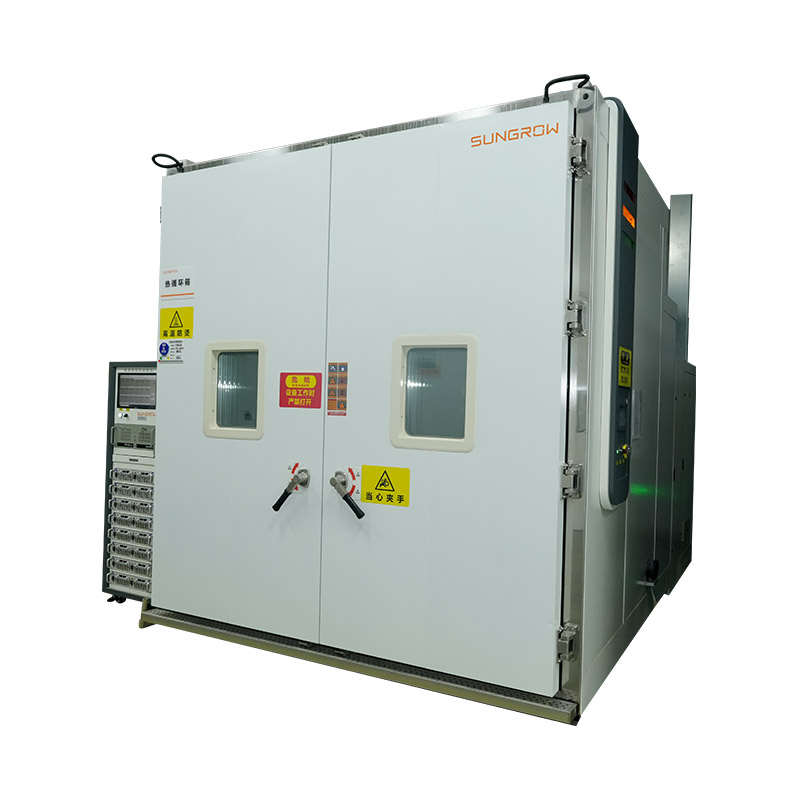
Simply put, a Humidity Freeze Test Chamber is a professional environmental simulation device. Its core function is to precisely replicate the natural world's high and low temperature and high humidity environments. It can not only lower the temperature inside the chamber to extreme cold or raise it to scorching heat, but also precisely control the relative humidity, simulating conditions from dry to saturated. More importantly, it can achieve rapid temperature and humidity cycling, recreating the complex and variable harsh climates a product might encounter during transport, storage, and use, such as a quick shift from a warm, humid summer afternoon to a freezing cold morning below zero.
Why is a Humidity Freeze Test Chamber necessary?
In today's globalized market, a product might be sold worldwide, facing climatic challenges from tropical rainforests to polar ice caps. Whether it’s the smartphone in our hands, the car we drive daily, or the aircraft flying high above, they all must maintain stable and reliable performance under diverse conditions. The role of the Humidity Freeze Test Chamber is precisely this: to efficiently verify a product's functionality and lifespan in extreme environments within a short period. Through this simulated testing, manufacturers can preemptively discover and resolve issues like material aging, component failure, and performance degradation, making it a critical step in product design and quality control.
Key Application Areas for the Humidity Freeze Test Chamber
The application scope of the Humidity Freeze Test Chamber is extremely broad, covering almost all industries that demand high environmental reliability from their products.
- Electronics and Appliance Industry: As electronic products become more sophisticated, their sensitivity to the environment increases. The Humidity Freeze Test Chamber is used to test the performance of smartphone batteries in extreme cold, camera lens fogging during rapid temperature changes, and the heat dissipation and stability of chips in hot and humid environments. This testing ensures that products operate stably even in the most adverse conditions.
- Automotive Manufacturing Industry: Automotive parts need to withstand everything from the severe cold of the north to the humid climate of the south, as well as complex environments like rain, snow, and ice. This equipment is used to test critical components like electronic control units (ECUs), sensors, and battery packs, ensuring they function correctly under any climate, thereby guaranteeing driving safety and vehicle performance.
- Aerospace Industry: Aircraft face extremely low temperatures and pressures at cruising altitudes, and high-humidity environments during takeoff and landing. The Humidity Freeze Test Chamber is used to test avionics, structural materials, and airborne systems, ensuring they do not malfunction in complex and variable environments, guaranteeing the success and safety of flight missions.
- Medical Device Industry: Some medical devices must maintain precision and stability under various temperatures and humidity levels, such as vaccine storage boxes, operating room equipment, and diagnostic instruments. By using the Humidity Freeze Test Chamber, their performance in different environments can be verified, ensuring their reliability when it matters most, and thereby safeguarding the quality of medical services.
Core Functions - Why is a Humidity Freeze Test Chamber Necessary?
The core value of the Humidity Freeze Test Chamber lies in its powerful environmental simulation capabilities. It goes beyond simple temperature changes to simulate the complex climatic conditions a product may face in the real world. This capability is crucial for conducting environmental reliability testing and is a key method for companies to ensure product quality and market competitiveness.
Simulating High and Low Temperature and High Humidity: Comprehensive Environmental Stress Testing
The most basic function of the Humidity Freeze Test Chamber is to provide a precisely controllable high and low temperature and high humidity environment. It can rapidly drop the temperature inside the chamber from dozens of degrees Celsius below zero to scorching temperatures approaching boiling point. At the same time, it can precisely control humidity levels, from a low humidity environment approaching dryness to a high humidity environment nearing saturation, and can even achieve condensation or frost conditions. This comprehensive simulation capability allows engineers to systematically evaluate a product's performance under extreme conditions. For example:
- Low-Temperature Performance: In extremely cold conditions, many materials become brittle and electronic components' performance is significantly reduced. The Humidity Freeze Test Chamber can be used to test the low-temperature discharge efficiency of batteries, the response speed of LCD screens, and the impact resistance of plastic casings.
- High-Temperature Performance: High temperatures accelerate material aging and affect the heat dissipation efficiency of electronic components. The Humidity Freeze Test Chamber can simulate high-temperature environments to test whether a product's heat dissipation design is reasonable and whether components are stable under long-term high thermal loads.
- Humid Heat Performance: High humidity is a major cause of internal short circuits, metal corrosion, and mold growth in products. This equipment can simulate humid environments to test a product's sealing properties and the insulation performance of components under hot and humid conditions.
Helping Companies with Environmental Reliability Testing: Enhancing Product Competitiveness
The Humidity Freeze Test Chamber is more than just a testing tool; it's an indispensable part of the product development and quality control process. Through this rigorous testing, companies can:
- Discover Design Flaws: Before a product hits the market, environmental stress testing can preemptively identify potential failure risks caused by poor design, such as stress cracking in circuit boards due to changes in temperature and humidity.
- Verify Material Performance: Evaluate the durability of new materials or processes in different environments, ensuring that the selected materials meet the long-term usage requirements of the product.
- Enhance Product Quality: Products that have undergone Humidity Freeze Test Chamber testing have their reliability fully verified, which can significantly reduce after-sales failure rates, improve customer satisfaction, and enhance brand reputation.
The environmental reliability testing conducted by the Humidity Freeze Test Chamber helps companies stand out in a competitive market by providing consumers with more reliable and durable products.
Technical Analysis - The Climate Test Chamber Principle
The ability of the Humidity Freeze Test Chamber to precisely simulate complex environments is due to the sophisticated climate test chamber principle behind it. This is not just a simple cooling or heating system, but a complex engineering feat where multiple key components work together to ensure the test environment is highly controllable and accurate.
Core Operating Principle
The Humidity Freeze Test Chamber is mainly composed of the following core systems:
- Refrigeration System: This is the key to achieving the "freeze" and low-temperature environment. It typically uses mechanical compression refrigeration, achieving heat transfer through the circulation of a refrigerant in a compressor, condenser, expansion device, and evaporator, thereby rapidly dropping the temperature inside the test chamber. To achieve even lower temperatures, high-end Humidity Freeze Test Chambers often use cascade refrigeration technology, where two or more refrigeration systems work in series to reach temperatures of -70°C or even lower.
- Heating System: To achieve high-temperature environments, the device is equipped with efficient electric heaters. The heating system is controlled by a precise temperature controller, which can rapidly raise the temperature inside the chamber to the preset high-temperature point and maintain stability. This synergistic work of heating and refrigeration systems allows the device to achieve rapid temperature cycling, simulating drastic temperature changes.
- Humidification and Dehumidification Systems: This is the core of "humidity" control. Humidification is typically achieved using steam or ultrasonic humidification technology, where water is heated or atomized into steam and then sent into the test chamber to increase humidity. Dehumidification is done via a refrigerated coil; when warm, humid air encounters the cold coil, the water vapor condenses into droplets, thereby reducing the air's humidity. This precise balance of humidification and dehumidification ensures that the Humidity Freeze Test Chamber can stably control humidity levels to meet different test standards.
Key Technical Parameters
While understanding the climate test chamber principle, it's also important to pay attention to its key technical parameters, which directly determine the device's performance and scope of application:
- Temperature Range: Determines the maximum and minimum temperatures the device can simulate and is one of the most important parameters when choosing a Humidity Freeze Test Chamber.
- Humidity Range: Refers to the range of relative humidity the device can control, usually between 20%RH and 98%RH.
- Rate of Temperature Change: A metric for the speed of the device's temperature change, measured in °C/minute. A rapid rate of change is crucial for simulating temperature shock tests.
- Temperature Uniformity and Fluctuation: These two parameters reflect the stability and consistency of the temperature inside the device and are important criteria for measuring the accuracy of the test.
Functional Expansion - Distinctions and Connections with the Temperature Shock Test Chamber
In the field of environmental testing, the Humidity Freeze Test Chamber is often confused with the Temperature Shock Test Chamber. Although both can achieve temperature changes, they have fundamental differences in their functional focus and testing purpose. Understanding these distinctions is crucial for selecting the right equipment to meet specific testing needs.
Main Differences: The "Extreme" of the Temperature Shock Test Chamber vs. the "Comprehensive" of the Humidity Freeze Test Chamber
- Different Testing Purposes: The core function of a Temperature Shock Test Chamber is to simulate products experiencing dramatic temperature changes over a very short period (usually seconds to minutes). Its purpose is to evaluate the product's mechanical and electrical performance under extreme temperature stress, for example, whether solder joints will crack due to thermal expansion and contraction, or if materials will undergo permanent deformation from rapid temperature changes. This test emphasizes "shock"—rapid, repeated temperature stress.
- Different Humidity Control: This is the biggest difference between the two. The Humidity Freeze Test Chamber not only controls temperature but also precisely controls humidity, allowing it to simulate complex high and low temperature and high humidity environments such as condensation and frost. A Temperature Shock Test Chamber typically lacks humidity control; its design is focused on rapid temperature transitions to simulate a product moving instantly from one extreme temperature environment to another.
- Different Application Scenarios: Due to their different functional focuses, their application scenarios also differ. The Humidity Freeze Test Chamber is more suitable for tests that need to verify product reliability under long-term, complex climatic conditions, such as durability verification for automotive electronic components or moisture and corrosion resistance testing for outdoor communication equipment. A Temperature Shock Test Chamber, on the other hand, is often used for rapid stress screening of materials and components, for example, for failure mode analysis of circuit boards and semiconductor chips.
Functional Connection: Complementary, Not Substitutional
Despite their differences, they are also connected in some ways and can be seen as different tools in the environmental reliability testing toolkit, complementing each other. For example, a product may need to undergo both long-term humid heat cycle testing in a Humidity Freeze Test Chamber to verify its moisture resistance, and rapid temperature change testing in a Temperature Shock Test Chamber to assess its structural integrity under extreme temperature swings. Therefore, the correct approach is to choose the most suitable testing equipment based on the product's actual application environment and potential failure modes.
Application Scenarios - The Widespread Use of Constant Temperature and Humidity Test Equipment
The Humidity Freeze Test Chamber, as a vital piece of constant temperature and humidity test equipment, is used in a wider range of applications than we might imagine. It not only serves high-tech industries but also plays a key role in the quality control of everyday products. By simulating various extreme climatic conditions, it ensures a product's stability and reliability in its actual use environment.
Automotive Electronics and Parts Testing
In the automotive industry, the use of the Humidity Freeze Test Chamber is critical. Modern cars rely on a large number of electronic control units (ECUs), sensors, and battery packs. These components must function correctly in environments ranging from the freezing cold of Siberia to the hot, humid tropics. Through humidity freeze testing, manufacturers can:
- Verify Battery Performance: Test the charge-discharge efficiency of electric vehicle battery packs in low temperatures, as well as their heat dissipation and safety in hot and humid environments.
- Evaluate Wiring Harnesses and Connectors: Simulate condensation and freezing in humid environments to ensure the insulation performance of automotive wiring harnesses does not degrade and connectors do not fail due to corrosion.
- Test Lights and Displays: Verify the anti-fogging performance of car lights during temperature changes, and the response speed and color stability of in-car displays in extreme temperatures.
Outdoor Communication and Power Equipment
Outdoor equipment must withstand wind, rain, scorching sun, and freezing ice. The Humidity Freeze Test Chamber is the preferred tool for ensuring the reliability of this equipment:
- 5G Base Stations and Antennas: Test their casing materials' anti-aging ability during temperature cycling and the waterproof and moisture-proof performance of internal electronic components in humid heat environments.
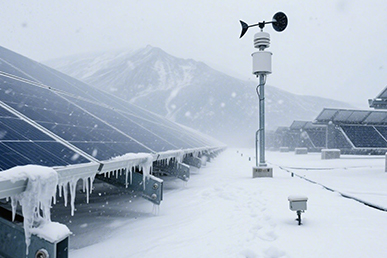
- Solar Panels: Simulate humid freeze environments to assess whether the panel's packaging material will fail due to moisture intrusion, affecting power generation efficiency.
- Smart Meters and Power Grid Equipment: Verify that they can operate precisely and stably under various climatic conditions, such as high temperature, high humidity, and condensation.
Aerospace and Military Equipment
Aerospace and military equipment have almost stringent reliability requirements. The Humidity Freeze Test Chamber is irreplaceable here:
- Onboard Electronic Systems: When an aircraft flies at different altitudes, temperature and humidity change drastically. Through testing, it's ensured that flight control systems, navigation equipment, etc., operate accurately and without error in any environment.
- Satellite Components: Test the environmental adaptability of satellite components during ground storage and transport to ensure they remain in perfect condition before launch.
- Military Equipment: Test military communication equipment, weapon systems, and protective clothing to ensure their durability and reliability in various complex battlefield environments.
Consumer Electronics
The consumer electronic products we use every day also depend on the Humidity Freeze Test Chamber. It helps manufacturers ensure the product experience is consistent across different countries and regions:
- Smartphones and Wearable Devices: Test their waterproof performance in humid environments (like a sauna or during rain) and battery life and touch screen responsiveness in cold weather.
- Household Appliances: Test the reliability of electronic control boards for appliances like refrigerators and air conditioners in long-term humid heat environments to ensure their lifespan.
How to Choose the Right Humidity Freeze Test Chamber
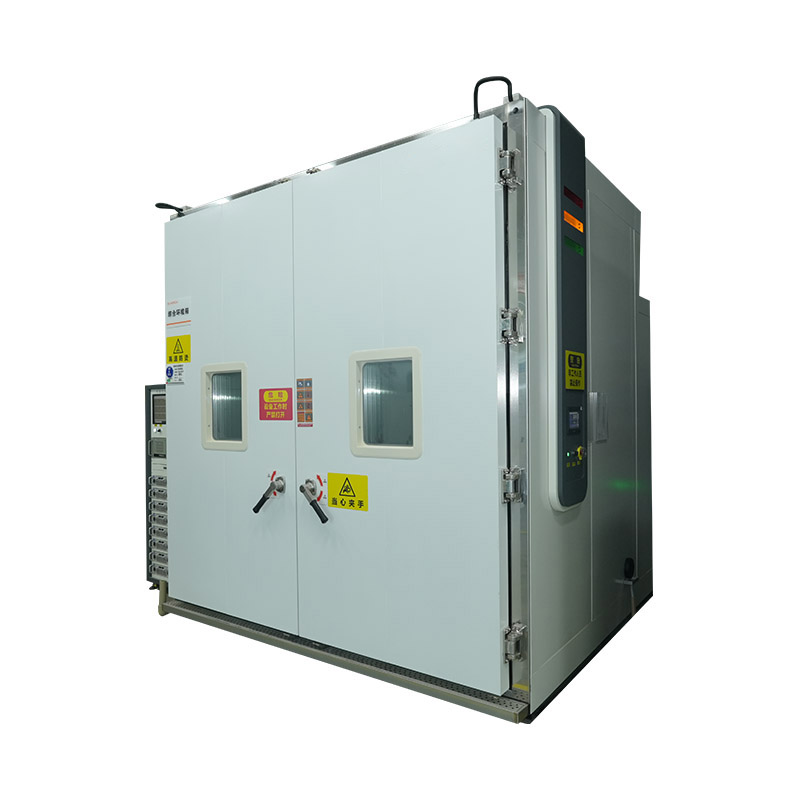
Choosing the right Humidity Freeze Test Chamber is not an easy task; it requires a comprehensive consideration of multiple factors. An ideal device should not only meet current testing needs but also have future scalability to cope with constantly changing products and test standards. Here are some key points to consider to help you make an informed decision.
1. Clarify Test Needs: From Product to Standard
Before choosing a device, you must first clarify your testing purpose. Consider the following questions:
- What is the test object? Is it an electronic component, a finished product, or a material sample? Their size and weight will determine the internal volume of the test chamber.
- What environments need to be simulated? What are the exact temperature and humidity ranges? For example, if your product needs to work in polar climates, you'll need to choose a Humidity Freeze Test Chamber with a lower temperature limit.
- What are the test standards? Many industries have specific test standards (such as IEC, MIL-STD, ASTM, etc.). You need to ensure the selected device can meet the various parameter requirements of these standards, such as rate of temperature change, temperature uniformity, and humidity control accuracy.
2. Core Performance Parameters: Ensuring Rigorous Testing
- Temperature/Humidity Range: This is the most basic parameter. Choosing a range slightly wider than your testing requirements can accommodate future needs.
- Rate of Temperature Change: If you need to perform rapid temperature change tests, you should choose a device with a faster rate of temperature change. This directly relates to the efficiency and accuracy of the test results.
- Temperature Uniformity and Fluctuation: These two parameters reflect the stability of the temperature inside the device. High-precision Constant Temperature and Humidity Test Equipment provides more reliable test results, avoiding distorted data due to temperature differences within the chamber.
- Humidification/Dehumidification Method: Different humidification methods (e.g., steam humidification, ultrasonic humidification) and dehumidification methods have their pros and cons. You should choose based on your specific humidity requirements and water quality needs for testing.
3. Additional Functions and Services: Improving Testing Efficiency
- Programmable Control: Modern Humidity Freeze Test Chambers usually have a programmable controller, which allows for complex test curves to be pre-set, enabling automated testing and reducing manual intervention.
- Remote Monitoring and Data Logging: Some devices support remote monitoring and data logging, making it convenient for users to check the test status and export data for analysis at any time.
- Brand and After-Sales Service: Choosing a reputable brand ensures more reliable product quality and comprehensive after-sales service, including device installation, operation training, and routine maintenance support, which is crucial for long-term use.
In short, choosing a Humidity Freeze Test Chamber is a systematic decision-making process. By comprehensively considering test needs, device performance, and manufacturer services, you can find an ideal device that not only meets current testing requirements but also safeguards future product development.
Future Trends - The Technological Evolution of the Humidity Freeze Test Chamber
With rapid technological advancements, the Humidity Freeze Test Chamber, as a core tool for environmental testing, is also constantly evolving. Future development will focus more on intelligence, energy efficiency, environmental protection, and improving testing efficiency. These technological innovations will enable Constant Temperature and Humidity Test Equipment to better adapt to the needs of emerging industries and provide greater value for businesses.
1. More Intelligent Control Systems
Future Humidity Freeze Test Chambers will be equipped with more advanced intelligent control systems. This means:
- Adaptive Testing: The device will be able to automatically adjust temperature and humidity curves based on the status of the tested product and test data, achieving more precise and efficient testing.
- Remote Monitoring and IoT Integration: Through cloud platforms and IoT technology, engineers can monitor test progress, receive real-time alerts, and remotely control the device from their phones or computers anytime, anywhere, greatly enhancing work flexibility.
- Big Data Analysis: The device will be able to automatically record and analyze vast amounts of test data, helping engineers discover potential product failure modes, optimize designs, and predict product lifespan.
2. More Efficient and Eco-Friendly Technology
In the context of increasingly strict global environmental requirements, the energy-efficient design of the Humidity Freeze Test Chamber has become particularly important. Future development trends include:
- High-Efficiency Refrigeration Technology: The adoption of more advanced variable-frequency compressors and eco-friendly refrigerants to reduce energy consumption and environmental impact.
- Energy Recovery Systems: During heating and cooling processes, heat recovery technology can be used to re-utilize generated heat, further lowering operating costs.
- Modular Design: Modular design makes device maintenance more convenient and allows for flexible configuration based on customer needs, avoiding resource waste.
3. Addressing the Challenges of Emerging Industries
Emerging industries such as 5G communication, IoT, new energy vehicles, and artificial intelligence place new demands on the Humidity Freeze Test Chamber. Future devices will need to have:
- Wider Testing Ranges: To meet the testing needs of new materials and components, the temperature and humidity ranges will be further expanded, and the rate of temperature change will also be faster.
- Smaller Footprint and Higher Integration: With limited laboratory space, a compact and more integrated design will become a trend while maintaining powerful testing capabilities.
- More Specialized Testing Functions: For the specific needs of certain industries, such as battery safety testing and hydrogen energy equipment testing, more customized Humidity Freeze Test Chambers will emerge.
These technological developments will transform the Humidity Freeze Test Chamber from a simple test device into a comprehensive platform that integrates data collection, intelligent control, and efficient energy utilization, providing a solid guarantee for future technological innovation.
FAQ (Frequently Asked Questions)
To help you better understand and use the Humidity Freeze Test Chamber, we have compiled some common questions and provided answers.
1. What are the key points to note for daily maintenance and care of a Humidity Freeze Test Chamber?
Daily maintenance is crucial for ensuring the device's long-term stable operation. It mainly includes:
- Regular Cleaning: The inside of the test chamber should be cleaned regularly, especially the air ducts, humidification water pan, and sensors. This prevents dust and dirt from affecting testing accuracy.
- Checking the Refrigeration System: Regularly inspect the operation of the compressor unit to ensure the refrigerant is sufficient and there are no leaks.
- Checking the Humidification System: Ensure that pure water is used in the humidification tank and clean it regularly to prevent scale buildup that could affect humidification efficiency.
- Calibration: It is recommended to calibrate the temperature and humidity sensors once a year to ensure the accuracy of the test data.
2. How long does a humidity freeze test usually take?
The test duration depends on the specific test standard and product requirements. A simple temperature and humidity cycle test might only take a few hours, while a full environmental reliability test could run continuously for weeks or even months to simulate the environmental changes a product might encounter throughout its entire life cycle. For example, some industry standards require thousands of hours of continuous testing.
3. What's the difference between a Humidity Freeze Test Chamber and a Salt Spray Corrosion Test Chamber?
These two are completely different devices used to test different environmental factors.
- The Humidity Freeze Test Chamber mainly simulates changes in temperature and humidity to evaluate a product's physical performance and electrical functions in a high and low temperature and high humidity environment.
- A Salt Spray Corrosion Test Chamber focuses on simulating the salt spray corrosion environment found in marine or industrial climates, mainly used to test the corrosion resistance of metal materials and coatings.
In short, the former focuses on physical performance and functional testing, while the latter specializes in the chemical corrosion testing of materials.
4. Will the humidity freeze test damage my product?
The very purpose of a humidity freeze test is to find potential product flaws, so it is possible for a product to malfunction or even be damaged during testing. This is not an accident but part of the testing process. The value of the test lies in this "destructive testing," which helps manufacturers proactively discover and solve design and material issues, thereby producing more reliable and durable products.
 [email protected]
 +86-17712471297





 Building 14, Chuangjin Industrial Park, Zhitang Town, Changshu City, Suzhou City, Jiangsu, China
 +86-17712471297


 EN
EN
 English
 中文简体
中文简体