-
 [email protected]
-
 +86-17712471297
[email protected]
+86-17712471297

Content
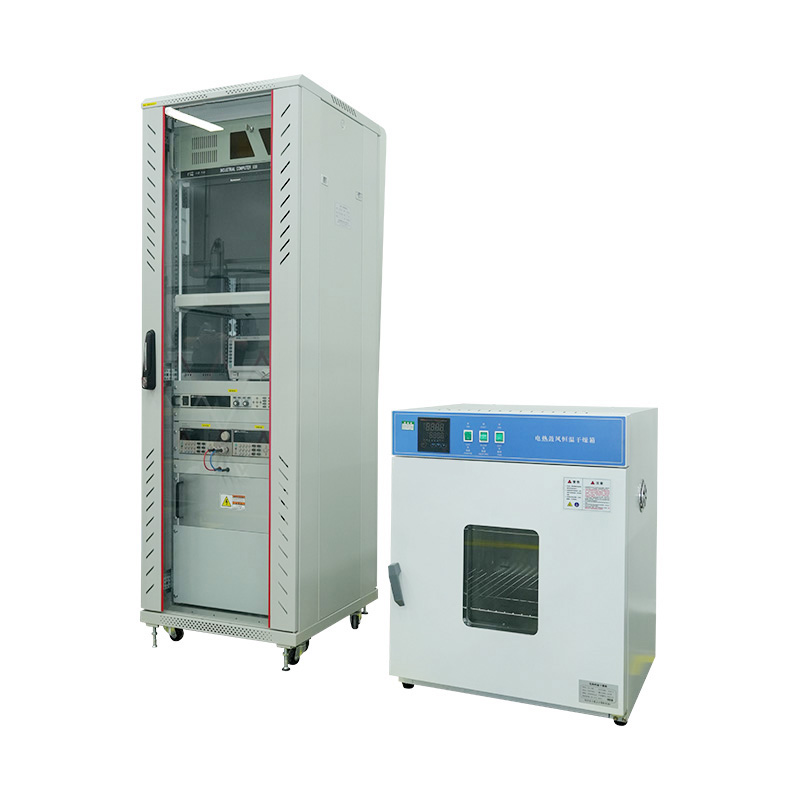
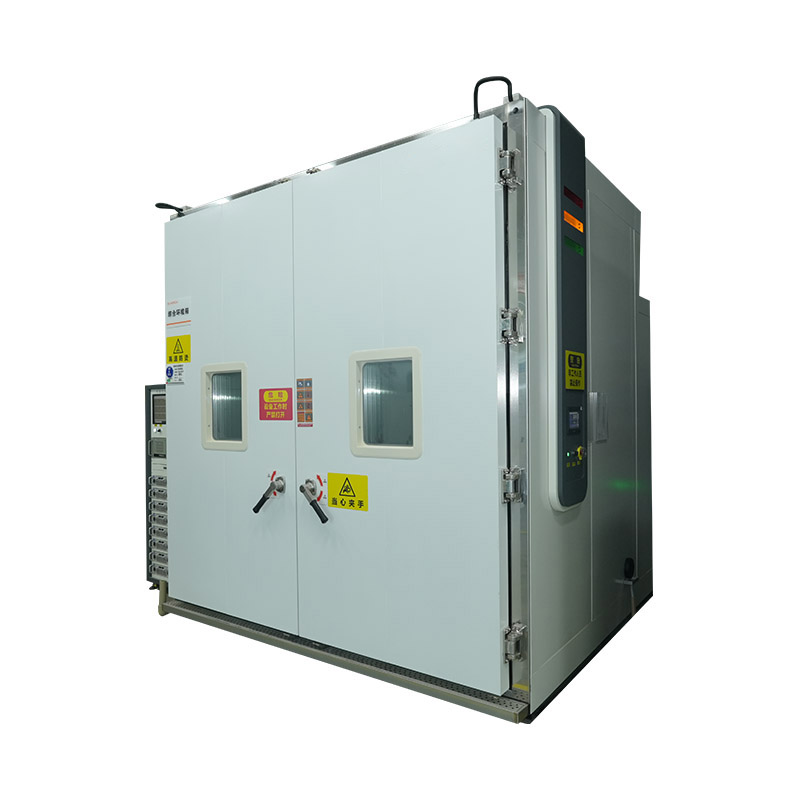
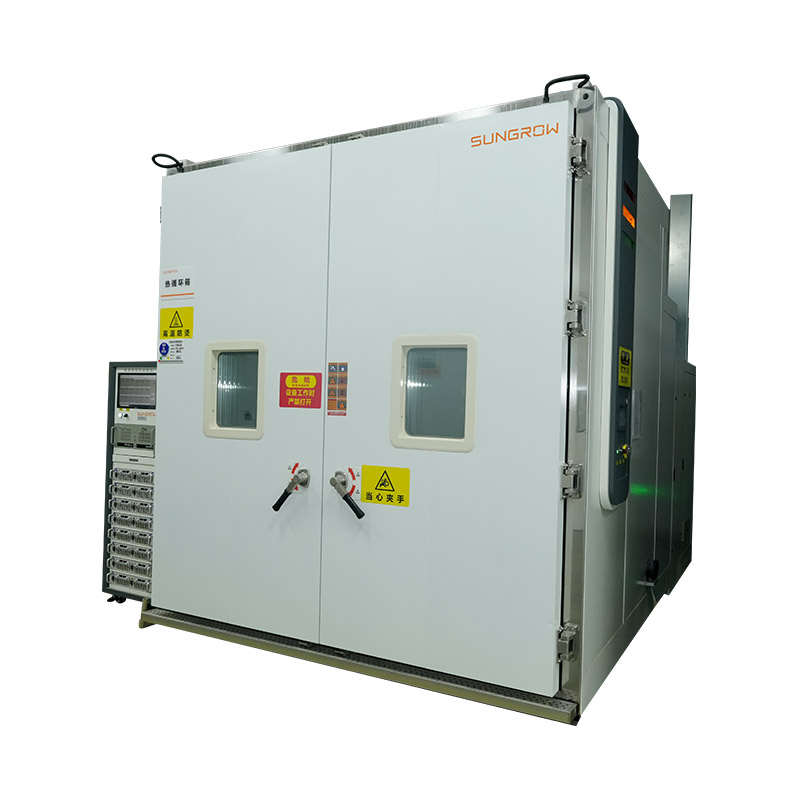
PV module testing chambers are specialized environmental systems used to simulate temperature, humidity, and climate stress conditions to verify the reliability and lifespan of solar panels. These chambers are essential for ensuring that photovoltaic modules meet international standards and maintain stable performance over 20 to 30 years of operation.
By reproducing extreme environmental conditions in a controlled setting, manufacturers and testing laboratories can detect material degradation, sealing failures, and electrical performance loss before products are deployed in the field.

PV module testing chambers are designed to perform multiple accelerated aging and environmental stress tests.
Standard damp heat testing typically runs at 85 degrees Celsius and 85 percent relative humidity for 1000 hours to evaluate long term durability.
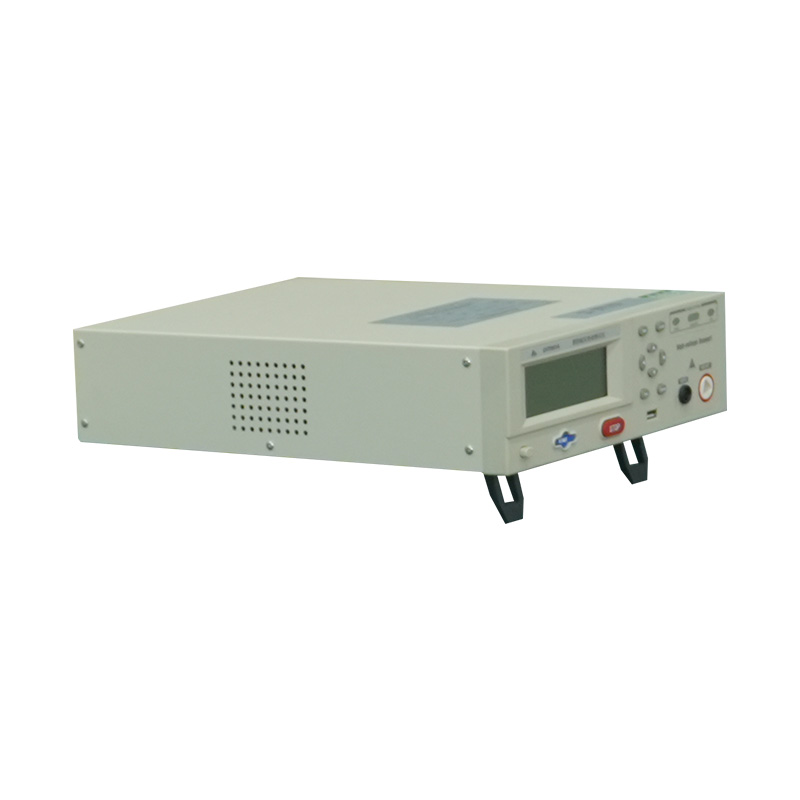
The performance of a PV module testing chamber depends on precise environmental control and system stability.
| Parameter | Range | Importance |
|---|---|---|
| Temperature Range | Minus 40 to 85 degrees Celsius | Simulates extreme climates |
| Humidity Range | 20 to 98 percent | Evaluates moisture resistance |
| Temperature Uniformity | Plus minus 2 degrees Celsius | Ensures consistent results |
| Chamber Volume | Customized sizes | Supports different module formats |
PV module testing chambers are designed to support internationally recognized photovoltaic testing standards.
Testing chambers must maintain stable environmental conditions over extended cycles to meet certification requirements and ensure repeatable test results.
PV module testing chambers are integrated into multiple stages of solar panel production and validation.
Used to evaluate new materials such as encapsulants and backsheet designs under controlled stress conditions.
Ensures each batch of modules meets performance benchmarks before shipment.
Independent labs use these chambers for certification testing and performance validation.
Selecting a suitable testing chamber requires evaluating technical and operational factors.
High precision chambers can maintain temperature fluctuations within plus minus 1 degree Celsius, improving test reliability.
Operating PV module testing chambers involves several technical challenges that require proper system design and maintenance.
Well maintained chambers can operate continuously for over 1000 hours without performance deviation.
PV module testing chambers are critical equipment for ensuring solar panel durability, safety, and long term performance. By simulating real world environmental stress conditions, they enable manufacturers to validate product quality, meet international standards, and reduce failure risks in actual deployment. Proper selection and operation of these chambers directly impact testing accuracy and overall product reliability.

We value your suggestions and questions. If you have any questions about our products and services, please contact us. We will treat you responsibly and reply to your information as soon as possible.
 Building 14, Chuangjin Industrial Park, Zhitang Town, Changshu City, Suzhou City, Jiangsu, China
 +86-17712471297


 EN
EN
 English
 中文简体
中文简体