-
 [email protected]
-
 +86-17712471297
[email protected]
+86-17712471297

Content
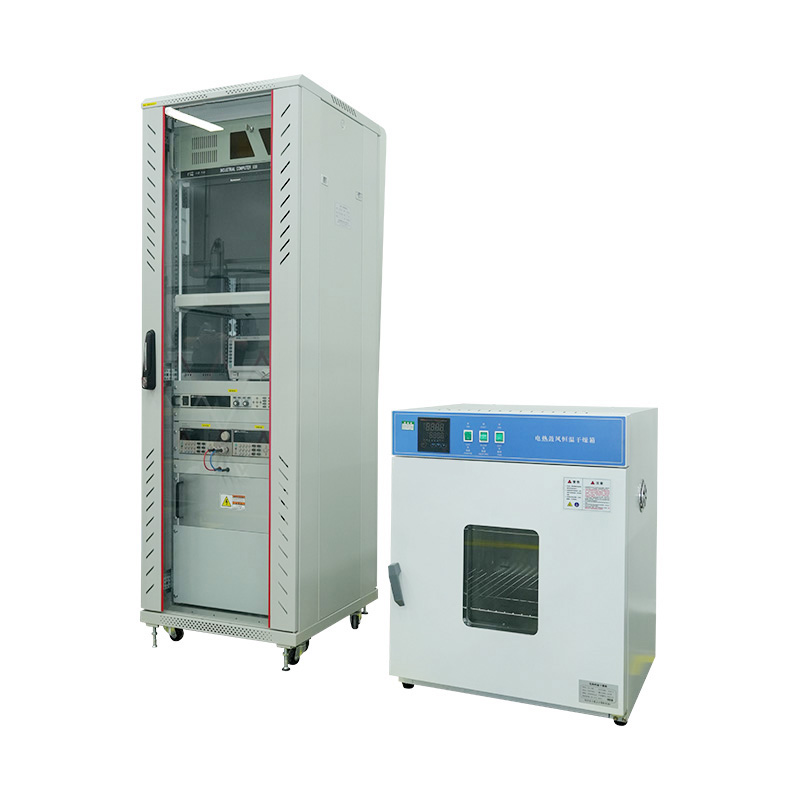
In the competitive landscape of modern manufacturing, the reliability and longevity of a product are paramount. Consumers and industries alike demand that goods perform consistently under a wide array of environmental stresses, from the sweltering heat of a desert to the corrosive salt air of a coastal region. To meet these expectations, manufacturers employ a rigorous process known as environmental durability testing. This critical practice is conducted within a specialized piece of equipment: the environmental durability testing chamber.
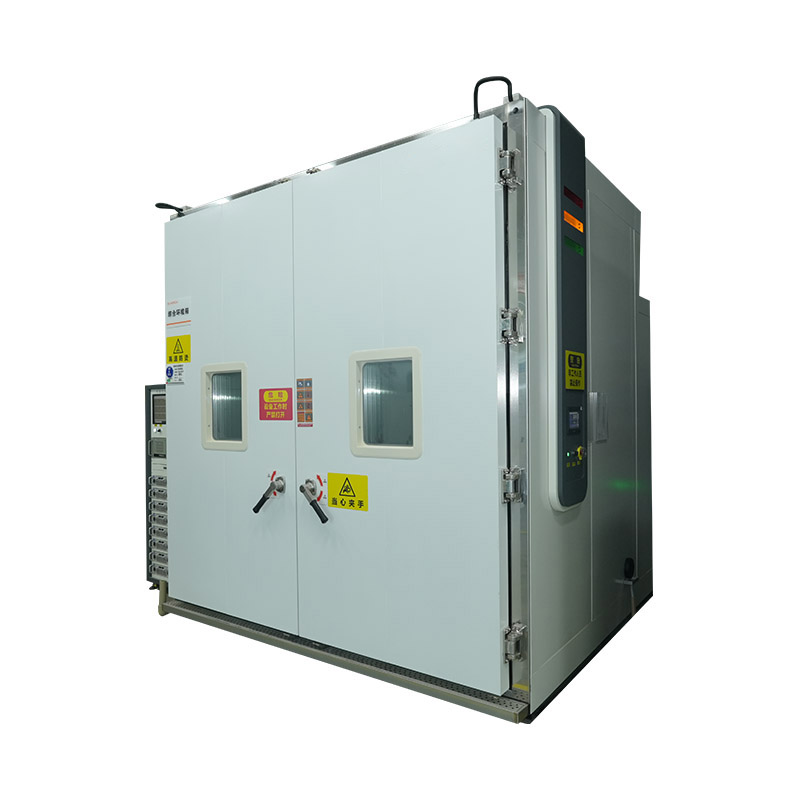
An environmental durability testing chamber is an enclosed apparatus engineered to simulate and control a vast spectrum of environmental conditions. The primary purpose of utilizing these chambers is to subject products, components, and materials to accelerated and precisely controlled stresses. This process helps identify potential failure modes, validate design specifications, and ultimately, ensure product reliability before it reaches the market. By uncovering weaknesses in a controlled laboratory setting, manufacturers can make necessary improvements, thereby reducing warranty claims, enhancing safety, and solidifying brand reputation.
Environmental durability testing is a systematic approach to evaluating how a product will perform over time when exposed to various environmental factors it may encounter during its lifecycle. These factors include, but are not limited to, extreme temperatures, fluctuations in humidity, corrosive elements, intense ultraviolet radiation, mechanical vibration, and changes in atmospheric pressure. The core principle is to simulate these conditions in a controlled environment to accelerate the effects of long-term exposure, thereby predicting the product’s service life and durability in a fraction of the time.
The importance of this practice cannot be overstated. Without it, products could fail prematurely in the field, leading to significant financial losses, safety hazards, and damage to a company’s credibility. By proactively simulating real-world conditions, engineers can make data-driven decisions to enhance product design, select appropriate materials, and improve manufacturing processes. This form of testing is a cornerstone of quality assurance and risk mitigation.
Numerous industries rely heavily on environmental durability testing. The automotive industry tests components to ensure they can withstand everything from Arctic cold to desert heat, as well as resistance to road salts and vibrations. The aerospace sector subjects parts to extreme altitude simulations, rapid temperature cycles, and intense vibration profiles to guarantee safety and performance. In electronics, devices are tested for their resilience to thermal cycling and humidity to prevent malfunctions. The pharmaceuticals industry uses testing to ensure drug stability and packaging integrity under various climatic conditions. Furthermore, materials science utilizes this testing to study material degradation and develop new, more robust compounds for future applications.
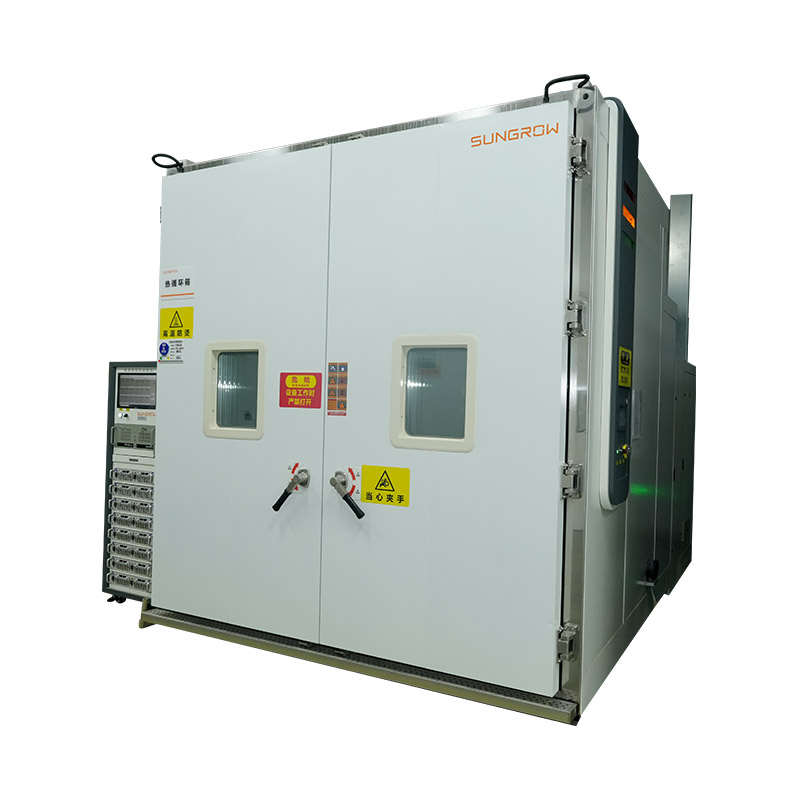
The field of environmental simulation is diverse, leading to the development of specialized chambers, each designed to replicate specific stress factors. Understanding the different types is crucial for selecting the appropriate equipment for a given testing protocol.
Temperature Chambers are among the most fundamental types. They are designed to generate either high or low temperatures. High-temperature chambers can reach extreme heat to test thermal endurance, while low-temperature chambers simulate frigid conditions to assess performance in cold environments. A more advanced variant is the thermal shock chamber, which rapidly transitions a test specimen between extreme hot and cold zones. This thermal cycling is invaluable for testing the mechanical integrity of materials and solder joints in electronics, as the rapid expansion and contraction induce stress that can reveal latent defects.
Humidity Chambers control the moisture content in the air. Simple constant humidity chambers maintain a set level of humidity, while more common and complex temperature humidity test chamber units combine precise control of both temperature and relative humidity. These chambers are essential for testing products for use in tropical climates or any environment where moisture-induced failure, such as corrosion or electrical shorting, is a concern.
Corrosion Test Chambers accelerate the corrosive process to evaluate a material’s resistance. The most recognized type is the salt spray chamber, which creates a dense fog of saltwater mist to simulate a severe coastal environment. More advanced cyclic corrosion chambers can program sequences that include salt spray, drying, and humidity stages, providing a more accurate simulation of real-world cyclic conditions than a constant salt fog.
UV Test Chambers utilize ultraviolet lamps to simulate the degrading effects of sunlight. Different types of UV lamps (UV-A, UV-B, UV-C) are used to replicate various portions of the solar spectrum. These weathering test chamber units are critical for industries that produce polymers, coatings, and textiles, as they help predict color fading, chalking, cracking, and loss of mechanical properties due to light exposure.
Vibration Chambers integrate a vibration system into an environmental enclosure to simultaneously apply mechanical stress and climatic conditions. These systems can be electromagnetic for higher frequency applications or hydraulic for higher force and larger payloads. This combined testing is vital for automotive and aerospace components that experience vibration during operation in harsh environments.
Altitude Chambers, also known as vacuum chambers, simulate the low pressure and thin atmosphere encountered at high altitudes. This testing is essential for aerospace components, electronic equipment destined for high-altitude operation, and testing the sealing integrity of packaging.
The effectiveness of an environmental test chamber hinges on the integration of several key components and features that ensure precise, reliable, and safe operation.
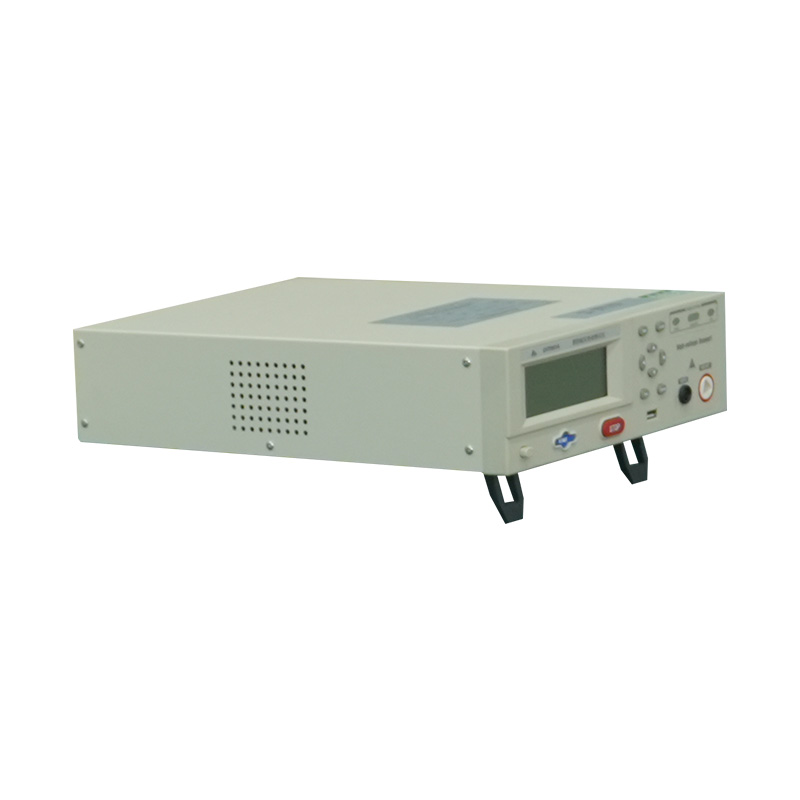
Control Systems form the brain of the chamber. Modern chambers are equipped with programmable controllers featuring intuitive touchscreen interfaces. These systems allow engineers to create complex multi-step test profiles that precisely dictate the chamber’s environment over time. The importance of precise temperature and humidity control is absolute, as even minor deviations can compromise test results. Furthermore, integrated data logging capabilities are essential for recording all parameters throughout the test duration, providing a verifiable audit trail for compliance and analysis.
Sensors are the critical link between the control system and the chamber’s internal environment. Accurate and responsive sensors are required for maintaining setpoints. Common temperature sensors include Platinum Resistance Temperature Detectors (RTDs) and thermocouples. For humidity, capacitive polymer sensors are widely used for their accuracy and stability. In vibration testing, accelerometers provide feedback to the shaker system to ensure the correct vibration profile is applied.
Chamber Construction directly impacts performance and longevity. Interior materials are typically stainless steel for corrosion resistance. High-density insulation, such as fiberglass or PUF (polyurethane foam), is used in walls to ensure thermal efficiency and stability. The chamber size and internal configuration must be chosen to accommodate the test specimens without obstructing airflow, which is vital for uniform temperature and humidity distribution.
Safety Features are non-negotiable. These include over-temperature protection (a independent safety thermostat that cuts power if the primary control fails), emergency stop buttons for immediate shutdown, and alarms for door-open or system fault conditions. For chambers that create extreme environments, access control systems can help prevent accidental exposure to hazardous conditions.
The application of environmental durability testing equipment spans virtually every sector that manufactures physical goods, ensuring reliability and compliance with international standards.
In the automotive industry, an environmental durability testing chamber for automotive parts is used extensively. Components are tested for their ability to endure extreme weather, from the sub-zero temperatures affecting battery performance in electric vehicles to the intense heat on dashboard electronics. Corrosion resistance is tested for body panels and undercarriage parts, while entire assemblies are subjected to vibration to simulate years of driving on rough roads in a matter of weeks.
The aerospace industry demands the utmost reliability. A climatic test chamber for aerospace components must simulate the extreme cold of high altitude, the heat generated by avionics, and the rapid pressure changes during ascent and descent. Composite materials are tested for UV degradation, and critical flight systems undergo combined environmental stress testing with vibration to ensure they will not fail during operation.
For the electronics industry, a temperature & humidity chamber for electronics reliability testing is a standard tool. Printed circuit board assemblies (PCBAs) undergo thermal cycling to identify poor solder joints. Devices are stored in high-humidity environments to test for moisture resistance. Thermal shock chamber for electronic assemblies are used to rapidly stress components, accelerating the failure of those with latent defects.
The pharmaceutical industry uses stability chambers to test drug formulations and packaging under various ICH-defined climatic zones (e.g., 25°C/60%RH). This ensures that medications remain safe, effective, and uncontaminated throughout their shelf life, regardless of the global climate they are shipped to.
In materials science, researchers use durability testing system for industrial materials to study how new polymers, alloys, and composites degrade under environmental stress. This research is fundamental to developing more durable and sustainable materials for future products, from consumer goods to infrastructure.
Choosing the right environmental simulation test chamber is a critical decision that depends on a thorough analysis of testing requirements. Several key factors must be evaluated to ensure the selected equipment meets both current and future needs.
Temperature Range and Accuracy: The first specification to consider is the required temperature range. It must cover all extremes required by the testing standards. However, matching the temperature requirements of the testing application is only part of the consideration. Equally important is the chamber’s ability to maintain a uniform temperature throughout the workspace and its accuracy in holding the setpoint. A wider range than currently needed may be advisable to accommodate future test protocols.
Humidity Range and Control: If humidity is a factor, the chamber must offer the necessary range, typically expressed as a percentage of relative humidity at a given temperature. The system must be capable of both adding and removing moisture from the air with precision. Maintaining precise humidity levels is often more challenging than controlling temperature and requires a well-designed system to avoid overshoot or instability.
Chamber Size and Configuration: The internal volume must be sufficient to hold the test specimens without crowding, as this can obstruct airflow and cause gradients. A common rule is to keep the cross-sectional area of the test item to less than 20% of the chamber’s free airflow area. The internal configuration, including shelving, ports for cables, and the placement of sensors, should also be considered.
Control System and Software: The user interface should be intuitive and allow for easy programming of complex, multi-segment test profiles. Modern systems often include network connectivity for remote monitoring and control. Data logging and analysis features are critical for documenting test conditions and results for quality audits and certification.
Compliance with Standards: Ultimately, the test results must be recognized as valid. Therefore, it is imperative that the chamber is designed to meet the requirements of relevant industry and international standards. These may include ASTM, IEC, ISO, MIL-STD, and other specific protocols. Purchasing IEC/ASTM/ISO Compliant environmental test chambers from a reputable manufacturer is the best way to ensure compliance.
The market for environmental testing equipment is served by several established and respected manufacturers known for their engineering excellence, reliability, and global support networks. These companies offer a wide range of standard and custom chambers to meet diverse application needs. While specific models and brands cannot be endorsed, the industry leaders are recognized for their consistent innovation and quality. Manufacturers typically provide extensive product lines, including high-low temperature test chamber units, climate test chamber solutions, and specialized equipment like HALT (Highly Accelerated Life Testing) chamber and HASS (Highly Accelerated Stress Screening) chamber systems for uncovering product defects rapidly. When selecting a supplier, it is advisable to evaluate their technical support, service network, warranty terms, and ability to provide references for similar applications.

The field of environmental simulation is continuously evolving, driven by technological advancements and increasing demands for efficiency and data integration.
A significant trend is the integration of IoT and remote monitoring. Modern chambers are increasingly connected, allowing engineers to monitor test progress, receive alerts for any deviations, and even adjust parameters from anywhere in the world. This enhances efficiency and facilitates 24/7 testing operations.
Advancements in sensor technology are leading to more accurate and faster measurements. New sensor types provide more detailed data on the chamber environment and the response of the test specimen itself, enabling a more nuanced understanding of material behavior under stress.
There is a growing emphasis on the development of more energy-efficient chambers. Improvements in insulation materials, compressor technology, and refrigeration system design are reducing the operational costs and environmental footprint of these energy-intensive systems.
Finally, there is a move towards customized testing solutions for specific industries. As products become more complex, off-the-shelf chambers may not suffice. Manufacturers are increasingly collaborating with end-users to develop tailored solutions, such as a high-precision environmental chamber for battery testing or a reliability qualification test equipment for semiconductors, that address unique and challenging application requirements.
Environmental durability testing is an indispensable engineering discipline that safeguards product quality, safety, and customer satisfaction. The environmental durability testing chamber is the central tool in this process, enabling the precise simulation of harsh real-world conditions within a controlled laboratory setting. From validating the resilience of a car’s electronics to ensuring the stability of a life-saving drug, these chambers play a vital role across countless industries.
Selecting the right chamber is a complex but critical decision that hinges on a clear understanding of testing standards, material properties, and future needs. By carefully considering factors such as temperature and humidity ranges, chamber size, control system capabilities, and compliance with relevant standards, organizations can invest in equipment that will deliver reliable and valid data for years to come. Ultimately, the rigorous application of environmental durability testing is a proven investment in product reliability and longevity, protecting both the end-user and the manufacturer’s reputation in the global marketplace.




We value your suggestions and questions. If you have any questions about our products and services, please contact us. We will treat you responsibly and reply to your information as soon as possible.
 Building 14, Chuangjin Industrial Park, Zhitang Town, Changshu City, Suzhou City, Jiangsu, China
 +86-17712471297


 EN
EN
 English
 中文简体
中文简体