-
 [email protected]
-
 +86-17712471297
[email protected]
+86-17712471297

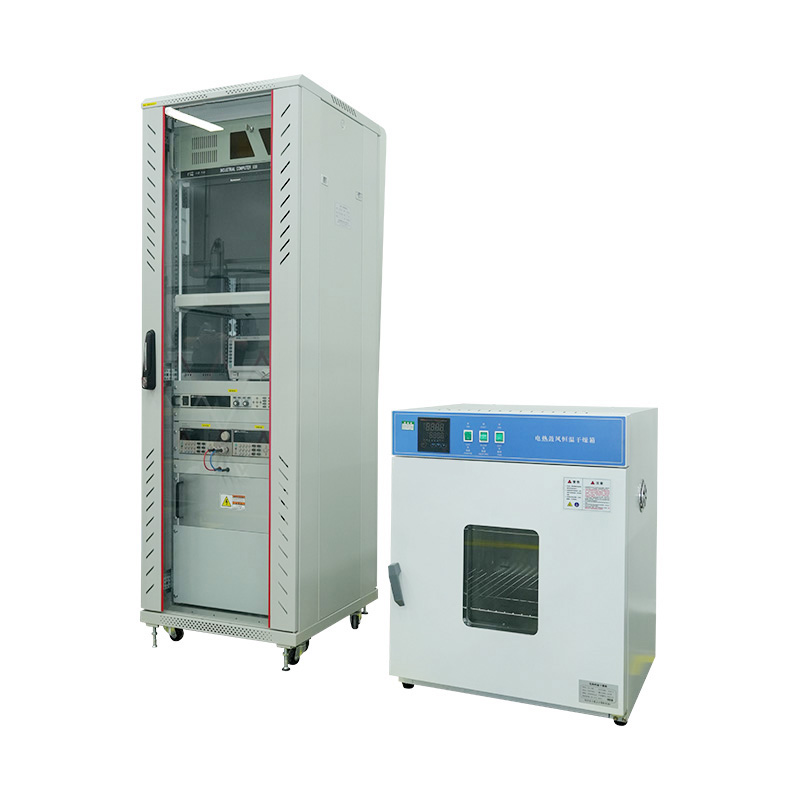
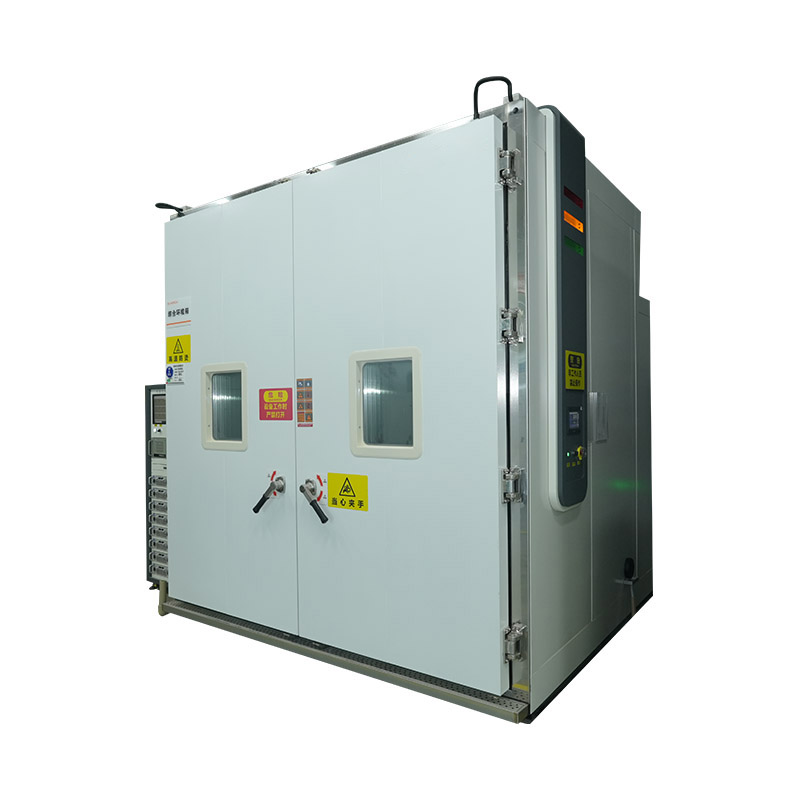
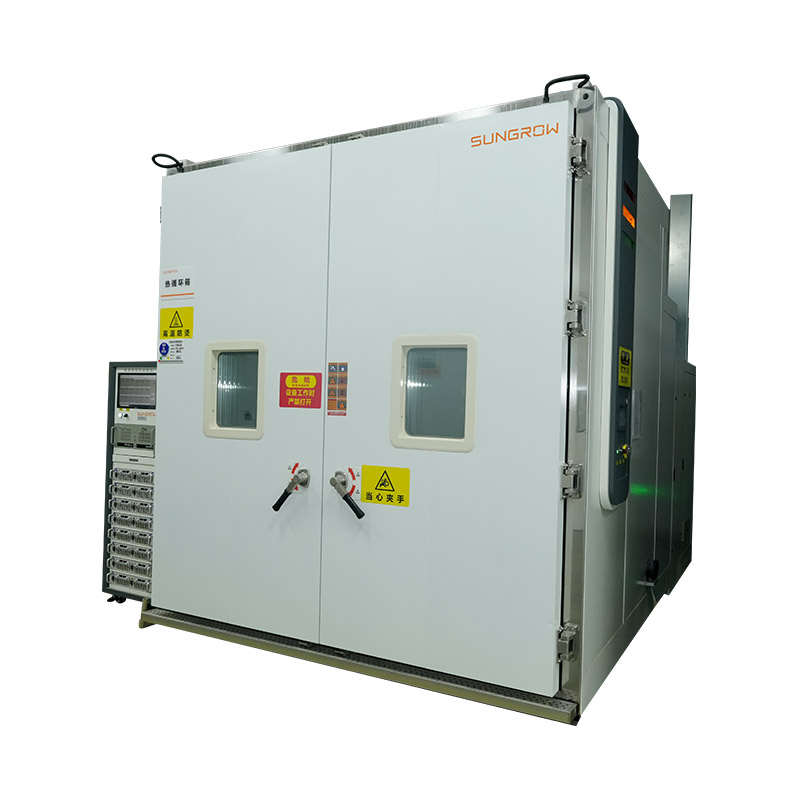
A Damp Heat Test Chamber is a specialized environmental simulation system designed to expose materials, components, and complete assemblies to controlled high-temperature and high-humidity conditions. This form of accelerated aging evaluation plays a critical role in identifying moisture-related degradation mechanisms that may not appear during standard functional testing.
According to the latest technical guidance reaffirmed by the International Electrotechnical Commission (IEC), damp heat testing remains a foundational method for validating long-term product reliability in electronics, energy storage, and automotive systems, particularly as devices become more compact and sensitive to environmental stress.
Source: International Electrotechnical Commission (IEC)
Content
A Damp Heat Test Chamber for reliability testing simulates prolonged exposure to humid and warm climates to evaluate material stability, electrical insulation performance, corrosion resistance, and sealing integrity.
The design and operation of a Damp Heat Test Chamber IEC 60068 compliance are closely aligned with internationally recognized test protocols. These standards define test cycles, duration, and tolerance limits to ensure repeatability and comparability of results.
Commonly referenced damp heat test standards include:
| Standard | Test Method | Typical Application |
| IEC 60068-2-78 | Steady-state damp heat | Electronic components |
| IEC 60068-2-30 | Cyclic damp heat | Assemblies and enclosures |
| ISO 16750 | Environmental testing | Automotive electronics |
Source: International Organization for Standardization (ISO)
A Constant temperature humidity test chamber damp heat operates through coordinated control of heating systems, humidification units, air circulation, and sensor feedback loops.
Compared with basic climatic chambers, damp heat systems require tighter humidity uniformity and longer uninterrupted operation cycles.
While multiple environmental test chambers evaluate durability, their test objectives differ significantly.
| Chamber Type | Primary Stress Factor | Main Purpose |
| Damp Heat Test Chamber | Temperature + humidity | Moisture-related aging |
| Thermal Shock Chamber | Rapid temperature change | Structural stress validation |
| Salt Spray Chamber | Corrosive environment | Surface corrosion testing |
Damp heat testing for electronic components has become increasingly critical due to rising power density and miniaturization trends.
According to a 2024 industry outlook published by SEMI, environmental reliability testing demand continues to grow in parallel with advanced semiconductor packaging technologies.
Source: SEMI Industry Research
Selecting an Environmental simulation chamber damp heat test system requires engineering-level evaluation beyond basic specifications.
In comparison, entry-level chambers may meet short-cycle tests but often struggle with prolonged steady-state damp heat exposure.

Shanghai Houyao Testing Equipment Co., Ltd., established in 2012, has built deep expertise in large-scale environmental simulation and composite optical testing systems. With a dedicated technical team and a manufacturing base established in Suzhou, the company focuses on engineering-driven solutions aligned with international testing requirements.
By integrating environmental and optical simulation technologies, such manufacturers address increasingly complex reliability validation needs across aerospace, automotive electronics, photovoltaics, and energy storage sectors.
It evaluates product reliability under sustained high-temperature and high-humidity conditions to identify moisture-related failure mechanisms.
IEC 60068-2-78, IEC 60068-2-30, and ISO 16750 are widely referenced across industries.
Test durations may range from several hundred to over one thousand hours, depending on the applicable standard.
Electronics, automotive, photovoltaics, aerospace, and energy storage industries frequently use damp heat testing.
Damp heat chambers require higher humidity accuracy, longer continuous operation, and stricter compliance with moisture-related standards.




We value your suggestions and questions. If you have any questions about our products and services, please contact us. We will treat you responsibly and reply to your information as soon as possible.
 Building 14, Chuangjin Industrial Park, Zhitang Town, Changshu City, Suzhou City, Jiangsu, China
 +86-17712471297


 EN
EN
 English
 中文简体
中文简体