-
 [email protected]
-
 +86-17712471297
[email protected]
+86-17712471297

Content
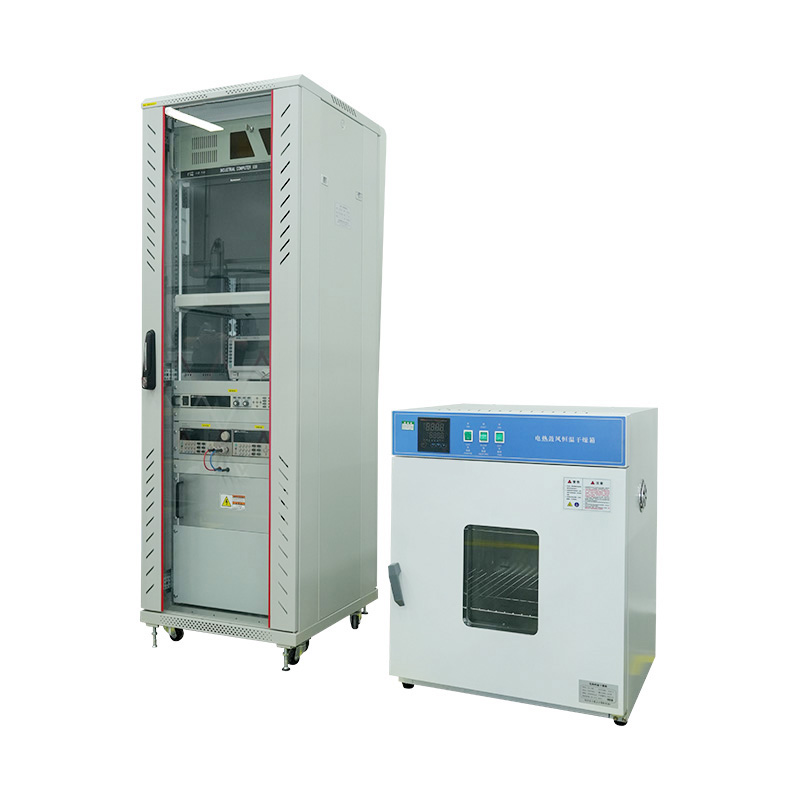
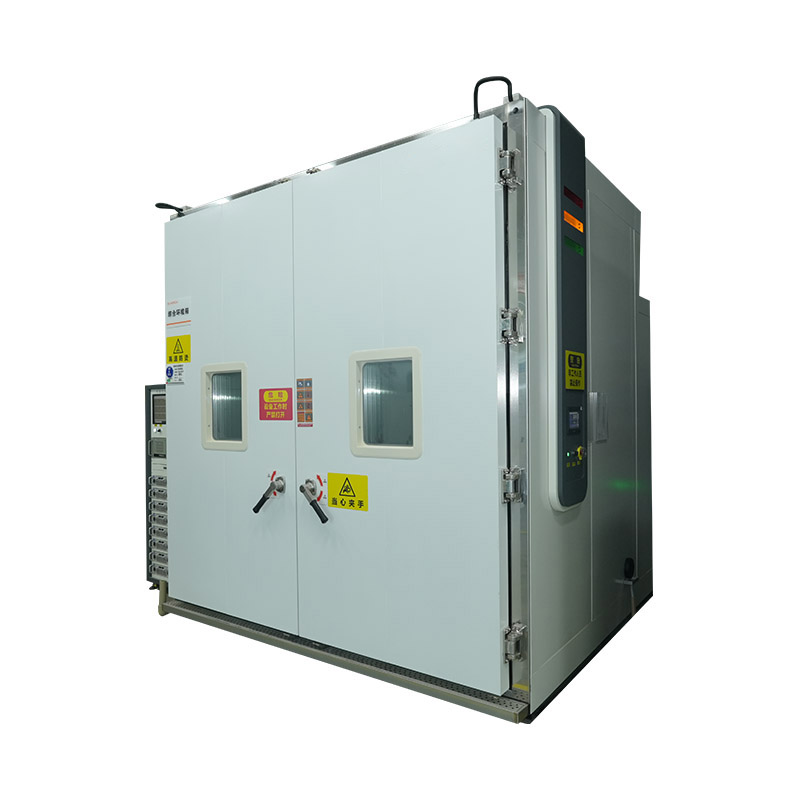
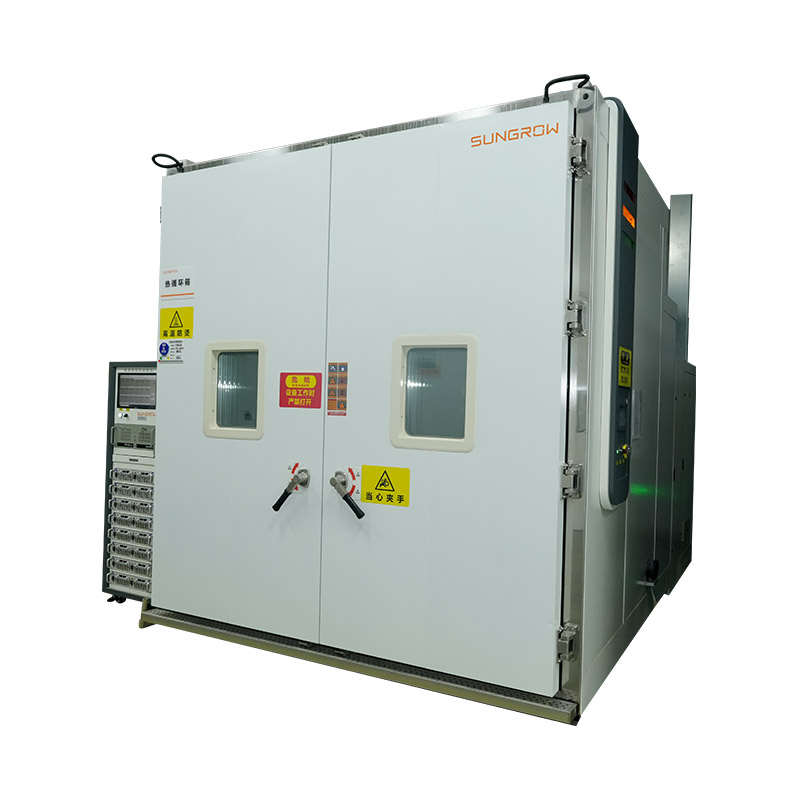
The long-term performance and financial viability of photovoltaic (PV) modules hinge on their ability to withstand decades of exposure to harsh environmental conditions. From the scorching, dry deserts to humid, tropical coasts, PV modules face a relentless assault from heat, moisture, UV radiation, and thermal cycling. To ensure that modules sold globally meet minimum thresholds for reliability and safety, international standards such as those from the International Electrotechnical Commission (IEC) have been established. These are not mere guidelines but often mandatory requirements for market access. At the heart of proving compliance with these rigorous standards lies a specialized piece of equipment: the high temperature humidity test chamber for PV. This device is not just an oven or a humidifier; it is a precision instrument designed to simulate and accelerate years of environmental stress in a controlled, repeatable laboratory setting. By subjecting PV modules to precisely defined high temperature and high humidity conditions, manufacturers and testing laboratories can uncover potential failure modes—such as delamination, corrosion, solder bond degradation, and encapsulant discoloration—before the products ever reach the field. This proactive approach to quality assurance is indispensable for reducing warranty claims, protecting brand reputation, and most importantly, ensuring the stable energy output over the promised 25-to-30-year lifespan. The chamber, therefore, transforms from a simple testing tool into a critical gateway for product certification and global market entry.
Navigating the landscape of PV testing standards is essential for any manufacturer aiming for international distribution. The IEC 61215 series for crystalline silicon terrestrial PV modules and the IEC 61646 series for thin-film terrestrial PV modules are the foundational documents. These standards comprise a sequence of stringent tests designed to evaluate the electrical, mechanical, and environmental resilience of modules. Among the most critical and demanding sequences within these standards are those involving damp heat and humidity freeze cycles. These tests specifically target the vulnerabilities induced by the ingress and prolonged presence of moisture combined with temperature extremes. The humidity freeze cycle test procedure for solar panels is a prime example of a test designed to evaluate the robustness of a module's construction against the damaging effects of water freezing within its layers. This procedure is meticulously outlined in the standards and requires precise chamber control to be executed validly.
The certification process involves a battery of tests, each probing a specific weakness. Key climatic tests include:
Understanding these tests highlights why a standard environmental chamber is insufficient. A dedicated PV test chamber must offer not only precise temperature and humidity control but also the capability for rapid temperature transition, deep sub-zero cooling, and often, integrated electrical biasing or monitoring systems.
A general-purpose environmental chamber cannot guarantee the precision and repeatability required for IEC certification. A chamber built specifically for PV module damp heat and humidity testing incorporates several critical design and functional elements that directly enable standards compliance.
The mandated test conditions have very tight tolerances. For instance, the damp heat test requires maintaining 85°C ± 2°C and 85% RH ± 5% RH. A high-quality PV chamber ensures spatial uniformity (minimal variation in conditions across the test volume) and temporal stability (maintaining setpoints without significant drift over days or weeks). This uniformity is crucial because a module tested in a corner with slightly different conditions could pass, while one in the center might fail, leading to non-representative and non-repeatable results. The chamber's sensors, airflow design, and steam generation system are all optimized to achieve this homogeneity, which is a fundamental requirement for any test data submitted to a certification body.
While the damp heat test is a steady-state condition, tests like humidity freeze and thermal cycling are dynamic. The standards often specify maximum transition times between temperature extremes. A chamber designed for thermal cycling humidity test chamber specifications must have powerful refrigeration and heating systems to achieve these rapid ramps reliably over hundreds or thousands of cycles. The inability to meet the specified ramp rate can invalidate the entire test, wasting time and resources. This capability distinguishes a basic humidity chamber from a true PV reliability testing workhorse.
Many tests, including damp heat and thermal cycling, require periodic interruption for performance measurements (I-V curve tracing) or even continuous electrical biasing of the modules. Modern PV test chambers are designed with ports and feedthroughs that allow for safe electrical connections to the modules inside without compromising the chamber's seal or safety. Some advanced chambers can even integrate with automated measurement systems, allowing for in-situ monitoring of module power output or insulation resistance during the test, providing a richer dataset for failure analysis.
Choosing a chamber solely based on temperature and humidity range is a common pitfall. For compliance testing, several nuanced factors are paramount. First, the chamber's humidity control accuracy for IEC standards is non-negotiable. The method of humidity generation matters; high-quality chambers use precise steam generators rather than simpler pan evaporation systems, leading to better control, faster recovery after door openings, and less mineral deposit. Second, the internal construction must be corrosion-resistant (using materials like stainless steel) to withstand constant high humidity and potential chemical off-gassing from modules. Third, the refrigeration system must be capable of achieving the required low temperatures even while compensating for the latent heat load introduced by high humidity levels—a challenge many generic chambers fail to meet consistently.
Furthermore, the importance of solar panel testing chamber calibration and maintenance cannot be overstated. Certification bodies like TÜV, UL, or Intertek will scrutinize the calibration certificates of the chamber's sensors. A regular, documented calibration schedule traceable to national standards is essential for the credibility of any test report. Preventive maintenance of compressors, humidifiers, and seals ensures the chamber operates within specification throughout the lengthy duration of certification tests, preventing costly test failures due to equipment drift.
When evaluating a high temperature humidity test chamber for PV applications, the following criteria should be carefully assessed. A basic industrial chamber often falls short in key areas critical for valid certification testing.
| Feature | Basic Industrial Chamber | PV-Dedicated Test Chamber |
|---|---|---|
| Temperature/Humidity Uniformity | May have gradients exceeding ±3°C/±5% RH, risking non-uniform testing. | Engineered for high uniformity (e.g., ±1°C/±3% RH) across the entire workspace, ensuring consistent stress on all modules. |
| Ramp Rate Performance | Often slow, focused on steady-state conditions; may not meet IEC transition time requirements. | Designed with high-capacity heating/cooling for fast, reliable ramps as specified in thermal cycling and humidity freeze tests. |
| Construction & Materials | May use coated steel; prone to corrosion under constant damp heat, contaminating the test. | Uses 304 or 316 stainless steel interior for full corrosion resistance and long-term integrity. |
| Calibration & Documentation | May offer basic calibration; documentation may not meet stringent audit requirements. | Designed for audit-ready operation with NIST-traceable calibration, detailed data logging, and maintenance tracking. |
| Electrical Integration | Lacks safe, sealed feedthroughs for in-chamber electrical monitoring or biasing. | Includes multiple electrical feedthroughs and safety systems to allow for performance testing during climate stress. |
Integrating a high-performance test chamber effectively into the product development and qualification cycle is key to maximizing its return on investment. The process begins long before a module is placed inside. A robust workflow involves design verification, where early prototypes undergo stress testing to identify weaknesses. This is followed by formal type approval testing for certification, where the chamber's role is to generate the auditable data required by the standards. Finally, chambers are used in ongoing reliability monitoring for production samples, ensuring manufacturing consistency. For the crucial humidity freeze cycle test procedure for solar panels, the chamber must be programmed with the exact cycle profile, including soak times, ramp rates, and transition periods as dictated by the relevant IEC standard. Meticulous documentation of the chamber's setpoints, calibration status, and the physical logging of the test samples throughout the process are all part of generating defensible data.
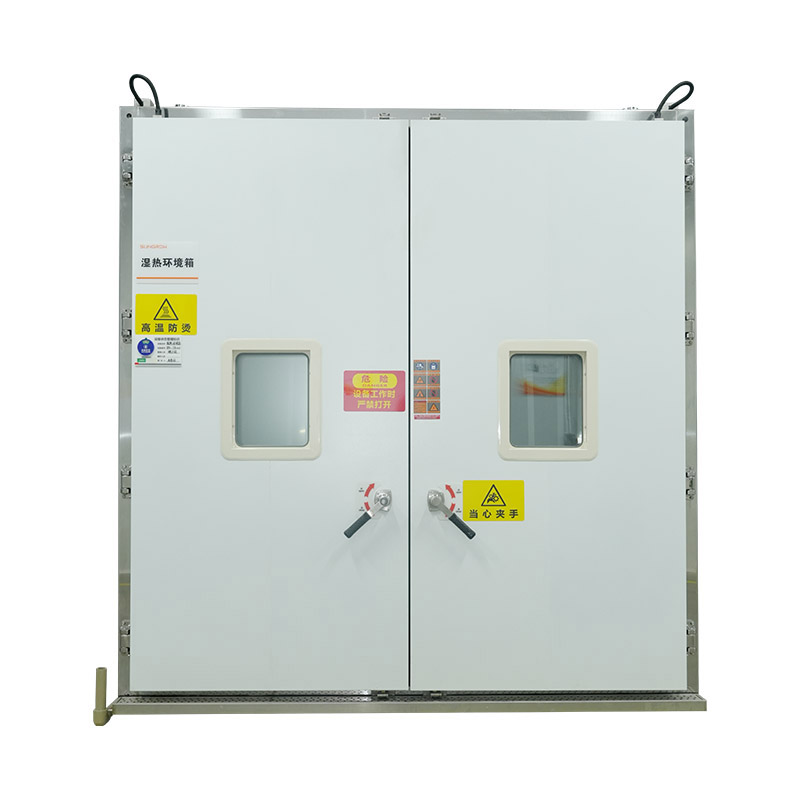
The data generated by the chamber—coupled with visual inspections, electroluminescence imaging, and post-test performance measurements—forms the technical backbone of the certification report. A test laboratory accredited to ISO/IEC 17025 will use the chamber to produce results that are reliable and recognized worldwide. When a chamber demonstrates precise control and repeatability, it provides confidence to certification engineers that any failures observed are genuine product issues, not artifacts of poor test equipment. This credibility is essential for obtaining the certificates that serve as a passport to global markets, from Europe and North America to Asia and Australia. Ultimately, a high temperature humidity test chamber for PV is more than capital equipment; it is a foundational component of a quality management system built on verification and proof, directly enabling manufacturers to deliver on the promise of durable, bankable solar energy assets.


We value your suggestions and questions. If you have any questions about our products and services, please contact us. We will treat you responsibly and reply to your information as soon as possible.
 Building 14, Chuangjin Industrial Park, Zhitang Town, Changshu City, Suzhou City, Jiangsu, China
 +86-17712471297


 EN
EN
 English
 中文简体
中文简体