-
 [email protected]
-
 +86-17712471297
[email protected]
+86-17712471297

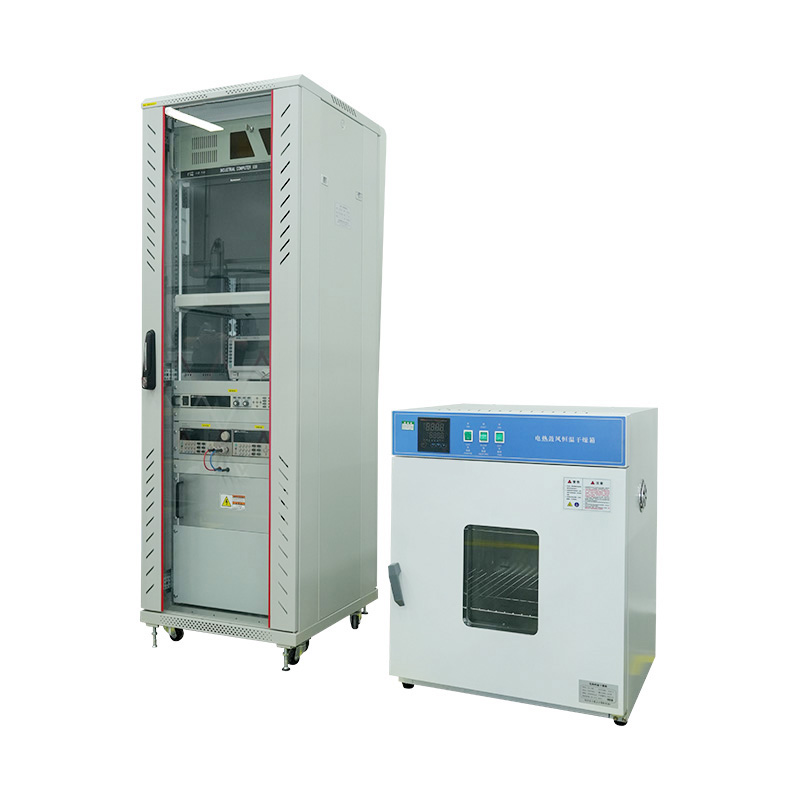
In the fast-evolving photovoltaic (PV) industry, ensuring the long-term durability and performance of solar panels is paramount. A Solar Module UV Aging Test Chamber is an indispensable piece of equipment in this quest for reliability. This specialized chamber simulates the damaging effects of ultraviolet (UV) radiation, temperature, and humidity on photovoltaic modules, providing critical data on their lifespan and resistance to environmental stress. For manufacturers and testing laboratories, investing in the right aging test solution is crucial for product certification, quality assurance, and gaining a competitive edge. This guide delves into the technology, applications, and key considerations for selecting a UV aging test chamber that meets stringent international standards.
Content
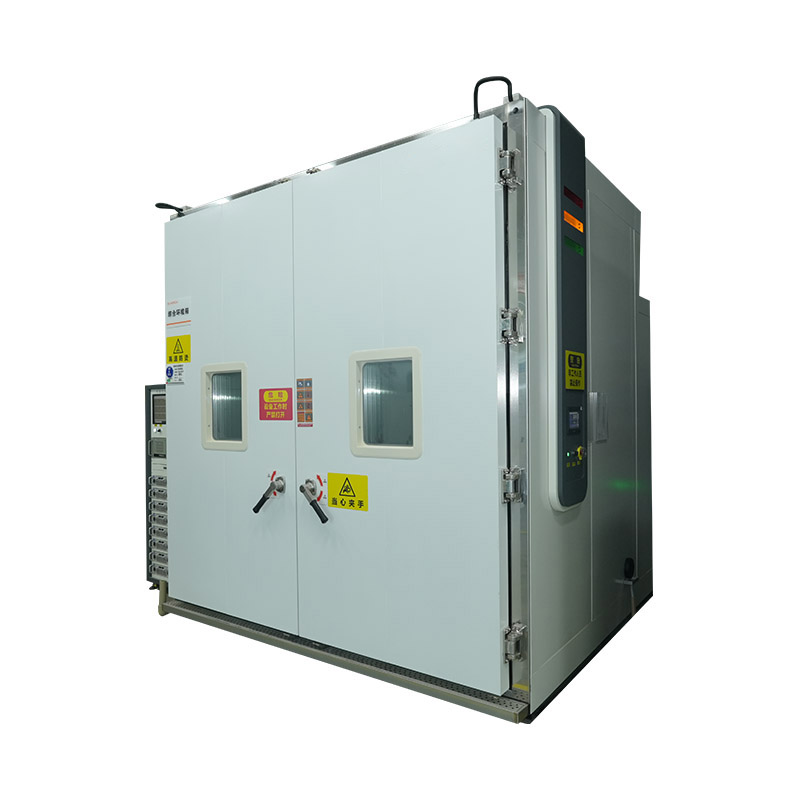
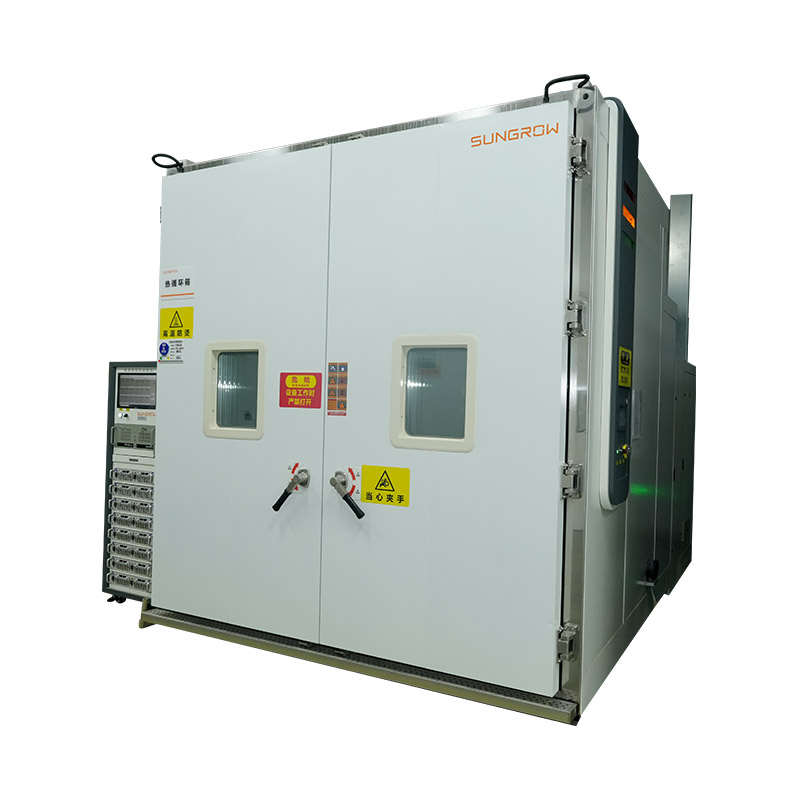
A Solar Module UV Aging Test Chamber is an environmental simulation device designed to accelerate the aging process of solar panels under controlled laboratory conditions. It primarily replicates the spectrum of sunlight, with a strong emphasis on the UV wavelength range that is most responsible for material degradation, such as the yellowing of encapsulants, delamination, and loss of efficiency in photovoltaic cells.
UV aging testing is not a single procedure but a suite of evaluations critical for different stages of product development and certification.
Manufacturers use these chambers to screen and qualify materials like EVA encapsulant, backsheets, front glass, and junction box seals before full-scale production. This proactive solar panel UV resistance testing procedure helps in selecting components that will ensure a 25+ year lifespan in the field.
Meeting global certification standards is mandatory for market access. Chambers are used to perform tests as per:
R&D teams rely on accelerated aging data to innovate new module designs, improve existing products, and predict long-term performance degradation, thereby reducing time-to-market for more robust solar solutions.
Choosing an appropriate test chamber involves more than just checking specifications. It requires a careful analysis of your testing needs and the chamber's capabilities.
The performance of different chambers can vary significantly. Key parameters must be compared to ensure they align with your testing protocols. For instance, a chamber designed for small component testing will differ vastly from one needed for large area solar module UV testing equipment.
When comparing technical specifications, several factors stand out. For example, the uniformity of UV irradiance is more critical for large modules than for small samples. Similarly, the ability to control temperature precisely becomes more challenging as chamber volume increases.
| Feature | Standard Requirement | Advanced/High-Capacity Requirement |
|---|---|---|
| UV Irradiance Range | 0.5 to 1.5 W/m²/nm @ 340nm | Up to 2.0 W/m²/nm or higher, with adjustable levels |
| Temperature Range | RT+10°C to 70°C | -40°C to 120°C (with liquid cooling) |
| Humidity Range | 10% to 95% RH | 5% to 98% RH |
| Test Area / Module Size | Up to standard test sample size | Accommodates full-size modules (e.g., 2m x 2m or larger) |
| Spectral Match (UVA-340) | Meets IEC 61215 requirements | Excellent match with tolerances tighter than standard |
The size of the chamber is a fundamental decision. For laboratories focusing on material coupons or small cells, a benchtop unit may suffice. However, for manufacturers needing to test full-sized modules or perform accelerated UV weathering for PV module certification, a walk-in or drive-in chamber is essential. The internal workspace must accommodate the largest module you plan to test, with adequate space for air circulation. Planning for future needs, such as testing bifacial modules or newer, larger formats, is a crucial aspect of scalability that can protect your investment.
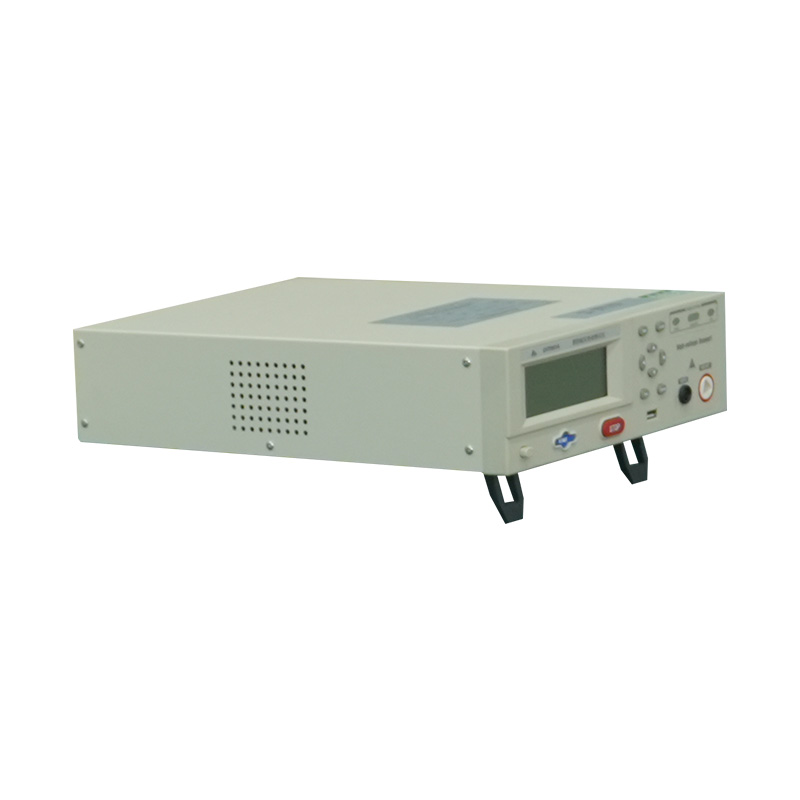
A sophisticated control system is the brain of the chamber. It should allow for easy programming of complex test cycles that mimic real-world conditions—cycling between UV exposure, dark periods, humidity sprays, and temperature extremes. The system must provide detailed, calibrated reports to prove compliance with standards like IEC 61215, which is non-negotiable for certification. When evaluating the cost of UV aging chamber for solar panels, consider the value of a system that offers precise control, comprehensive data logging, and traceable calibration, as these features directly impact the credibility of your test results.
Modern testing demands go beyond simple, steady-state UV exposure. The most reliable data comes from tests that combine multiple environmental stressors, a process known as combined or sequential testing.
In the real world, solar modules endure UV radiation, heat, cold, rain, and humidity simultaneously. Advanced chambers can simulate these combined stresses. A common advanced test is the UV damp heat cyclic test for solar modules, which sequentially applies UV exposure, high temperature, and high humidity. This test is more revealing than standalone tests because it can uncover synergistic degradation mechanisms, such as how UV exposure might make the encapsulant more susceptible to moisture ingress, leading to potential corrosion or delamination.
These protocols require a chamber with robust and flexible programming capabilities to automate the transitions between different environmental conditions seamlessly.
The complexity of these testing systems makes the choice of manufacturer critical. It's an investment in precision engineering and long-term technical support.
Shanghai Houyao Testing Equipment Co., Ltd. brings over a decade of focused expertise to this field. Established in 2012 and supported by a team of 47 technical personnel, the company specializes in the research and production of large-scale environmental and optical simulation equipment. Their move to a Suzhou factory in 2017 was strategic to attract top talent and enhance production capabilities. Their independent R&D has led to advanced products like full-vehicle sunlight simulation chambers and high-power (2000W and 4000W) photovoltaic UV and sunlight simulation systems. Notably, they have pioneered in filling industry gaps with innovative composite test chambers that integrate UV, sunlight, and environmental simulation, providing a more comprehensive and efficient testing solution for clients. Adhering to premium international standards, Shanghai Houyao's equipment serves critical roles in the aerospace, automotive, and notably, the photovoltaics industry. Their commitment to integrity, customer-centric service, and technological excellence makes them a reliable partner for laboratories and manufacturers seeking robust and compliant Solar Module UV Aging Test Chamber solutions.
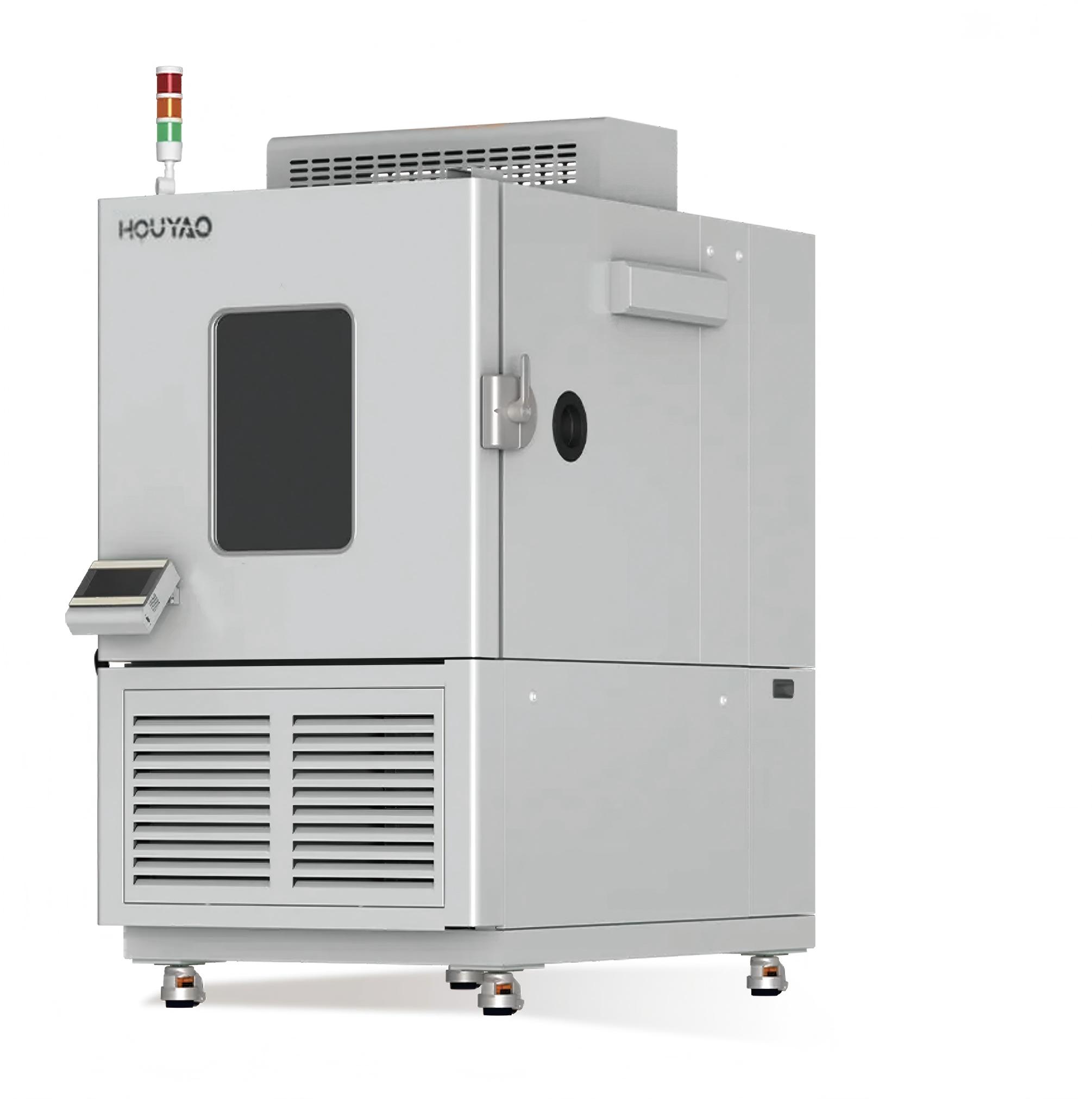
Its primary purpose is to accelerate the aging effects of ultraviolet sunlight, temperature, and humidity on photovoltaic modules in a controlled laboratory setting. This allows manufacturers to predict long-term field performance, identify potential failure modes (like encapsulant yellowing or backsheet cracking), and ensure their products meet the durability requirements of international certification standards within a matter of weeks or months, rather than decades.
Standard UV testing typically involves continuous exposure to UV light at a controlled temperature. The UV damp heat cyclic test for solar modules is a more severe and revealing sequential test. It combines cycles of UV radiation with periods of high temperature and high humidity (e.g., 85°C/85% RH). This sequence better replicates real-world stress combinations, where UV degradation can make materials more vulnerable to moisture ingress, potentially accelerating delamination and corrosion within the module.
Test area size dictates the size of the samples you can evaluate. For accurate results, especially for large area solar module UV testing equipment, the entire module or a representative large section should be exposed under uniform conditions. Testing only a small coupon may not reveal issues related to full-size assembly, such as edge sealing effectiveness or thermal gradients across a large panel. Choosing a chamber that fits your largest current and anticipated future module size is essential for scalable, future-proof testing.
The most critical standards are the IEC (International Electrotechnical Commission) standards for photovoltaic modules. Specifically, the UV preconditioning test outlined in IEC 61215-2:2021 (MQT 10) for crystalline silicon modules and IEC 61646 for thin-film modules. These standards define the required UV dose (e.g., 15 kWh/m²), spectral distribution (using UVA-340 lamps is common), and temperature conditions. Compliance ensures the test data is recognized for certification purposes globally.
The cost of a UV aging chamber for solar panels is driven by several factors: the physical size and internal volume (larger chambers cost more), the temperature and humidity range (extended ranges require more advanced components), the precision and uniformity of the UV irradiation system, and the sophistication of the control and data acquisition software. Additionally, chambers designed for advanced sequential or combined stress testing, which require seamless integration of multiple environmental factors, represent a higher initial investment but provide more comprehensive and accelerated reliability data.

We value your suggestions and questions. If you have any questions about our products and services, please contact us. We will treat you responsibly and reply to your information as soon as possible.
 Building 14, Chuangjin Industrial Park, Zhitang Town, Changshu City, Suzhou City, Jiangsu, China
 +86-17712471297


 EN
EN
 English
 中文简体
中文简体