-
 [email protected]
-
 +86-17712471297
[email protected]
+86-17712471297

Content
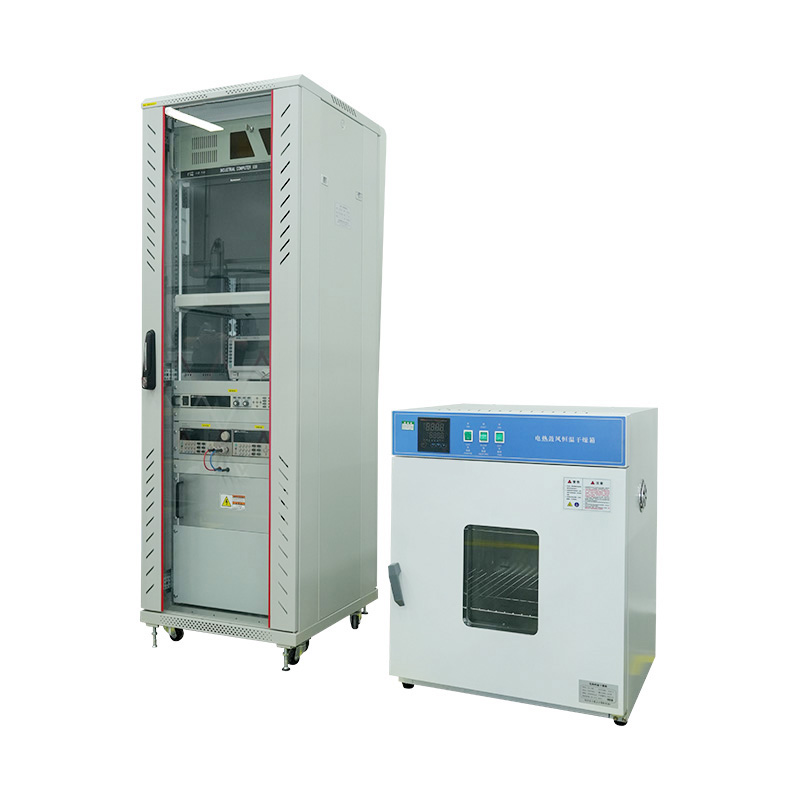
A reliability test chamber is a specially controlled environment designed to simulate real‑world or extreme conditions (such as temperature, humidity, pressure, radiation, etc.) in order to verify the durability, stability and performance of products and materials. :
Reliability testing ensures that products will perform as expected under defined conditions and for a defined period of time. According to reliability engineering principles, exposing products to harsh or accelerated conditions can reveal latent defects early in development or production.
---
In the electronics sector, a reliability test chamber helps simulate thermal cycling, humidity changes, and vibration exposure to evaluate component life. This type of chamber is critical for ensuring that printed circuit boards, sensors and other delicate parts can withstand service conditions.
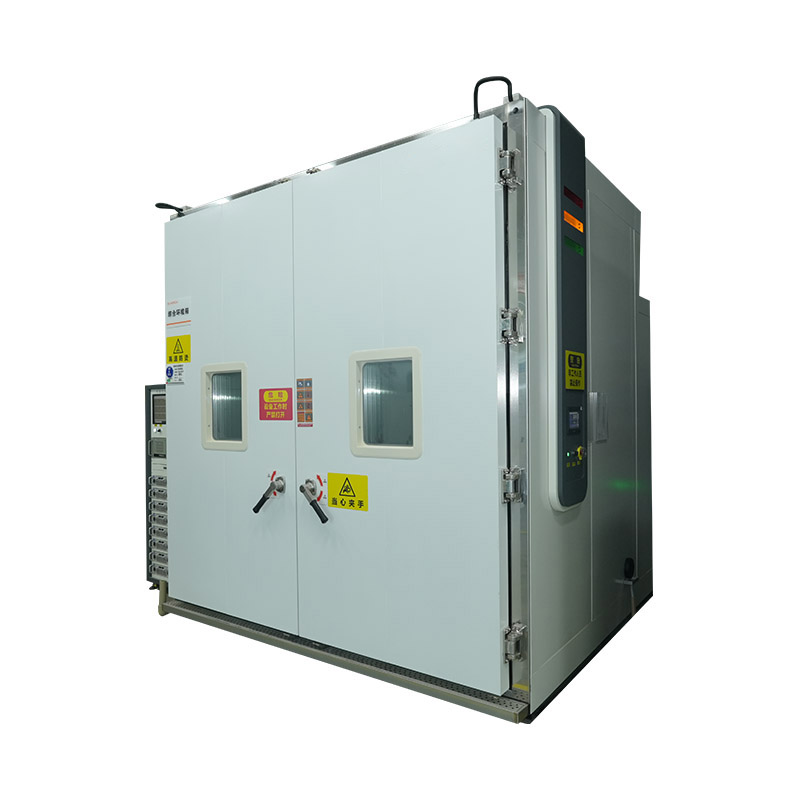
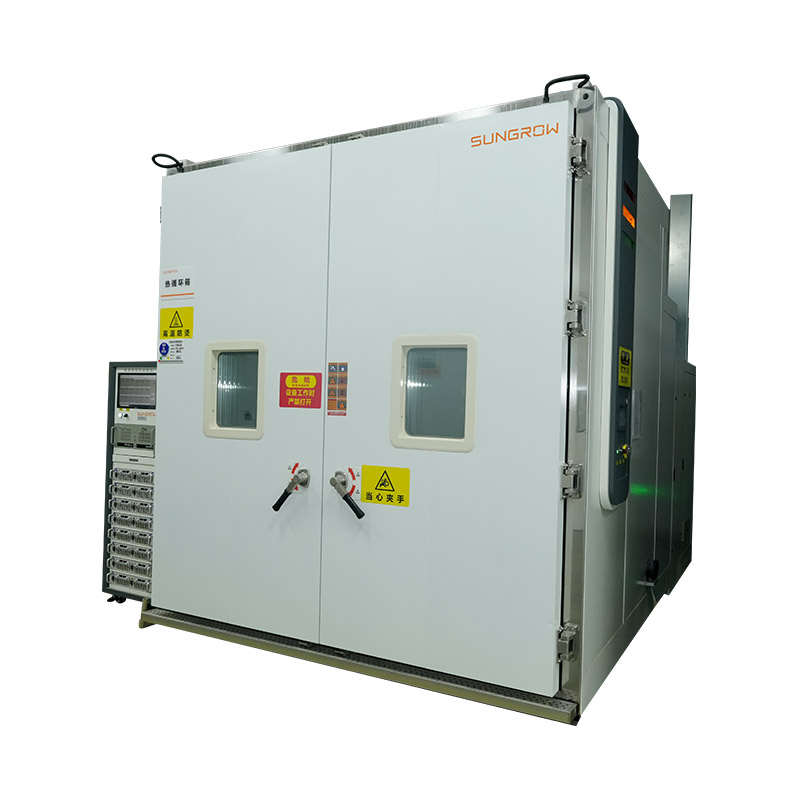
For automotive, aerospace or industrial equipment, a large‑scale reliability test chamber system allows full assemblies, vehicles or large modules to be exposed to defined environments. This ensures real‑size products meet performance and reliability demands.
Some advanced applications require simultaneous multi‑stress simulation—temperature, humidity, UV/solar, low pressure, vibration. A composite environmental reliability test chamber solution integrates these to mimic complex real‑world scenarios.
In aerospace, energy storage or other fields, a low‑pressure reliability test chamber design is used to simulate altitude or vacuum conditions. This ensures components operate reliably at reduced pressures or in vacuum-like environments.
For applications involving solar exposure (such as photovoltaic modules, automotive exterior components, materials that undergo sunlight aging), a vehicle sunlight reliability test chamber application scenario uses UV and solar simulation to assess degradation, durability and performance under sun‑driven conditions.
Below is a comparison between standard off‑the‑shelf chambers and custom‑designed reliability test chambers:
| Aspect | Standard Chamber | Custom‑Designed Chamber |
| Size/Capacity | Fixed, limited size | Tailored to customer product size |
| Environmental Range | Typical temperature/humidity only | Multi‑stress (UV, solar, low pressure) integrated |
| Flexibility | Limited customization | High flexibility: load, sample format, automation |
| Cost & Lead Time | Lower cost, faster delivery | Higher cost, longer development time |
| Best For | Standard components, basic reliability tests | Specialized applications (e.g., vehicle sunlight simulation, composite stress) |
When choosing a reliability test chamber, it’s indispensable to consider relevant industry standards (e.g., temperature cycling, humidity, altitude simulation) and ensure the test chamber design satisfies those. Customization to client use‑case (size, loading, test profile) ensures the chamber truly delivers value.
Shanghai Houyao Testing Equipment Co., Ltd. was established in 2012 and currently has a team of 47 technical personnel. The company specialises in the research and production of large‑scale environmental simulation chambers and optical simulation equipment. In 2017, it set up a factory in Suzhou to attract top industry talent.
The company has independently developed advanced products such as low‑pressure test chambers, full‑vehicle sunlight simulation chambers, 2000 W and 4000 W photovoltaic UV and sunlight simulation systems. It has also innovated to fill industry gaps with composite optical and environmental simulation products, including composite UV and composite sunlight simulation chambers.
These developments directly align with the types discussed above: electronics & components testing, large‑scale vehicle/assembly testing, composite multi‑stress simulation, low‑pressure scenario, and sunlight/UV reliability testing.
Accurate calibration ensures the readings of temperature, humidity, pressure, etc., are correct. Without calibration, the validity of the test results from a reliability test chamber is compromised.
| Frequency | Task | Purpose |
| Daily | Visual inspection, chamber cleanliness | Ensure test environment integrity |
| Monthly | Check fan/airflow, inspect seals, review data logs | Maintain environmental homogeneity |
| Every 6–12 months | Full sensor calibration, thermo‑mapping, preventive service | Ensure measurement accuracy and repeatability |
Future reliability test chambers will combine multiple stresses—thermal, humidity, UV, vibration, low pressure—in one integrated solution, reflecting real‑world exposure more accurately.
Advanced chambers will leverage IoT, data analytics and remote monitoring to offer real‑time insights, predictive maintenance and digital twins of the test environment.
As energy cost and environmental regulation increase, reliability test chamber design will increasingly prioritise energy efficiency, thermal reuse, green refrigerants and lower operational footprint.
 7. Conclusion
In summary, a well‑designed reliability test chamber plays a strategic role in ensuring product durability, quality and market readiness. By selecting the right solution—whether a reliability test chamber for electronics, a large‑scale reliability test chamber system, a composite environmental reliability test chamber solution, a low‑pressure reliability test chamber design or a vehicle sunlight reliability test chamber applications scenario—manufacturers can mitigate risk, validate performance and differentiate in competitive industries. With the strong technical foundation of Shanghai Houyao Testing Equipment Co., Ltd., companies benefit from tailored and high‑standard solutions that serve aerospace, automotive electronics, photovoltaics, biopharma and energy‑storage sectors.



We value your suggestions and questions. If you have any questions about our products and services, please contact us. We will treat you responsibly and reply to your information as soon as possible.
 Building 14, Chuangjin Industrial Park, Zhitang Town, Changshu City, Suzhou City, Jiangsu, China
 +86-17712471297


 EN
EN
 English
 中文简体
中文简体