-
 [email protected]
-
 +86-17712471297
[email protected]
+86-17712471297

Content
Procuring the right test chamber for energy storage systems begins with a thorough understanding of your specific testing requirements. Energy storage and battery technologies have unique testing demands that differ significantly from other industrial or electronic testing applications. The fundamental purpose of these chambers is to simulate various environmental conditions that batteries might encounter throughout their lifecycle, from manufacturing to disposal. This comprehensive understanding will ensure you select equipment that meets both current and future testing needs while providing accurate, reliable results that comply with industry standards.
When evaluating test chambers for energy storage applications, several critical performance specifications demand careful consideration. Temperature range represents one of the most fundamental parameters, as batteries must be tested under extreme conditions they might face in real-world applications. While standard chambers might offer ranges from -40°C to +150°C, advanced battery testing often requires more extreme temperatures, particularly on the low end for automotive applications in cold climates. The rate of temperature change, typically measured in °C per minute, significantly impacts testing efficiency, with faster ramp rates enabling more rapid test cycles but potentially affecting chamber longevity and temperature uniformity.
Humidity control represents another crucial factor, especially for testing battery safety and performance under various environmental conditions. Many battery standards require specific humidity setpoints to evaluate how moisture affects performance and safety characteristics. Additionally, thermal uniformity across the test volume ensures consistent testing conditions for all samples, which is particularly important when comparing performance across multiple battery cells or modules. The chamber's internal dimensions and weight capacity must accommodate not just current testing needs but potential future requirements as battery formats evolve toward larger modules and packs.
Testing energy storage systems introduces unique safety challenges that standard environmental chambers may not adequately address. Batteries undergoing thermal cycling or extreme condition testing can potentially enter thermal runaway, creating fire hazards and releasing toxic gases. Therefore, specialized safety features become non-negotiable requirements rather than optional extras. Explosion-proof construction, including reinforced doors and pressure release mechanisms, can contain potential battery failures and protect both personnel and equipment. Advanced fire suppression systems specifically designed for lithium-ion battery fires provide an additional layer of protection, while dedicated exhaust systems safely remove hazardous gases from the testing environment.
Electrical safety represents another critical consideration, as test chambers must properly isolate high-voltage battery systems from control circuitry and personnel areas. Emergency shutdown systems, both internal and external to the chamber, allow for rapid response to developing safety situations. Additionally, remote monitoring capabilities enable operators to observe tests from a safe distance, particularly during potentially hazardous test phases. These safety considerations directly impact chamber design, material selection, and control system architecture, making them fundamental to the procurement decision process rather than secondary considerations.
Identifying the essential features of reliable battery test chambers requires understanding the intersection between technical performance, operational practicality, and long-term reliability. The test chamber for energy storage and battery market offers diverse solutions with varying feature sets, making informed selection crucial for obtaining equipment that delivers consistent performance throughout its operational lifespan. Beyond basic temperature and humidity control, several specialized features distinguish chambers specifically designed for battery testing from general-purpose environmental chambers.
Modern battery test chambers incorporate sophisticated control and monitoring systems that far exceed basic temperature controllers. These systems typically feature touchscreen interfaces with intuitive programming capabilities, allowing technicians to create complex test profiles that simulate real-world usage patterns and environmental conditions. The ability to program multi-step test sequences with conditional branching enables simulation of complex scenarios, such as daily charge-discharge cycles combined with seasonal temperature variations. Data logging capabilities capture comprehensive test data, including temperature, humidity, voltage, and current measurements from the batteries under test, providing a complete record for analysis and compliance documentation.
Remote monitoring and control functionality has become increasingly important, allowing researchers to oversee tests from outside the laboratory environment. This capability enhances both safety and operational efficiency, particularly for tests running outside normal business hours. Alarm systems with multiple notification methods (visual, audible, email, SMS) alert operators to deviations from test parameters or equipment malfunctions, enabling prompt intervention before test validity is compromised or safety hazards develop. The integration capabilities with battery cyclers and other test equipment create unified testing environments where environmental conditions and electrical testing parameters are perfectly synchronized.
The construction quality and material selection of a test chamber directly impact its performance, durability, and maintenance requirements. Interior materials must withstand not just temperature extremes but potential exposure to battery electrolytes and other chemicals in case of cell failure. Stainless steel interiors offer excellent corrosion resistance and cleanability, while specialized coatings can provide additional protection against specific chemical exposures. Door seals and gaskets must maintain integrity throughout the temperature range, preventing moisture ingress and temperature loss that could compromise test results.
Insulation quality significantly affects both temperature performance and operational costs, with high-quality insulation minimizing thermal transfer to the laboratory environment and reducing compressor workload. The refrigeration system represents one of the most critical components, with compressor quality, design redundancy, and serviceability directly impacting chamber reliability and lifespan. Redundant cooling systems can maintain temperature control even if the primary system fails, protecting valuable test samples and preventing test interruption. These construction elements collectively determine the chamber's ability to maintain stable conditions through extended test durations and numerous thermal cycles.
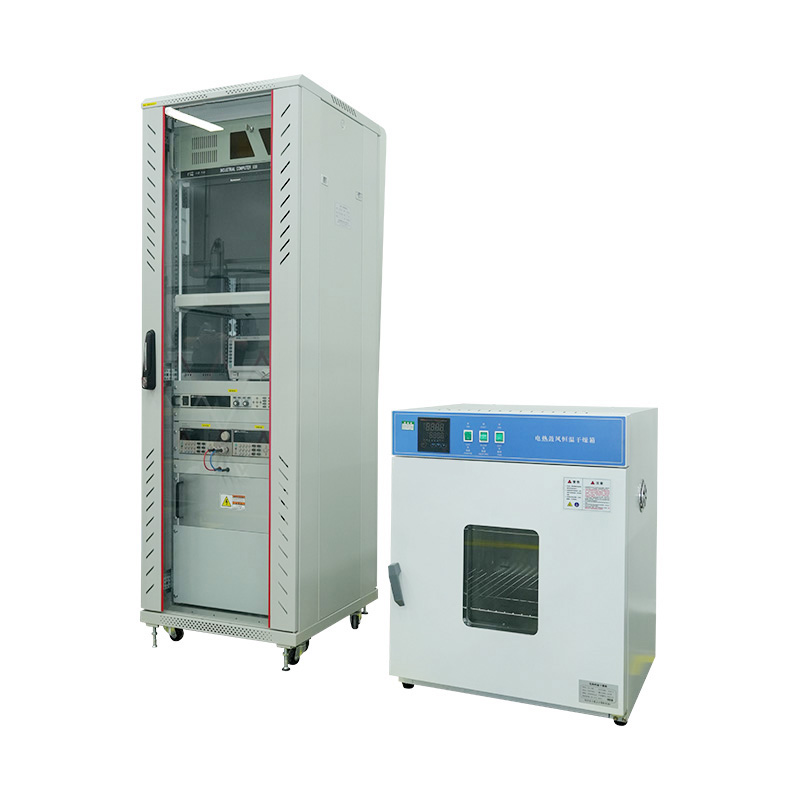
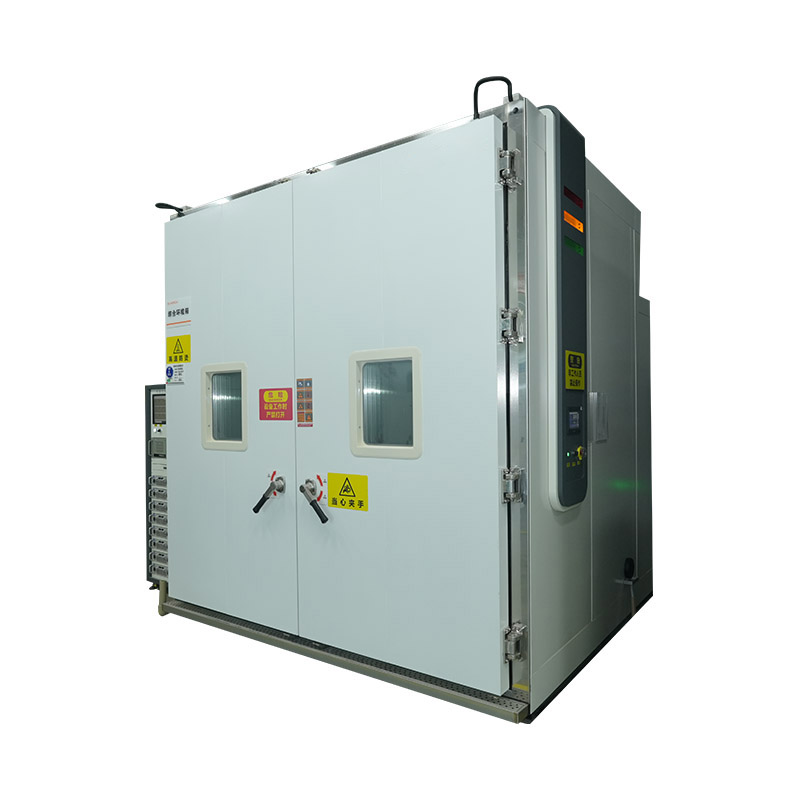
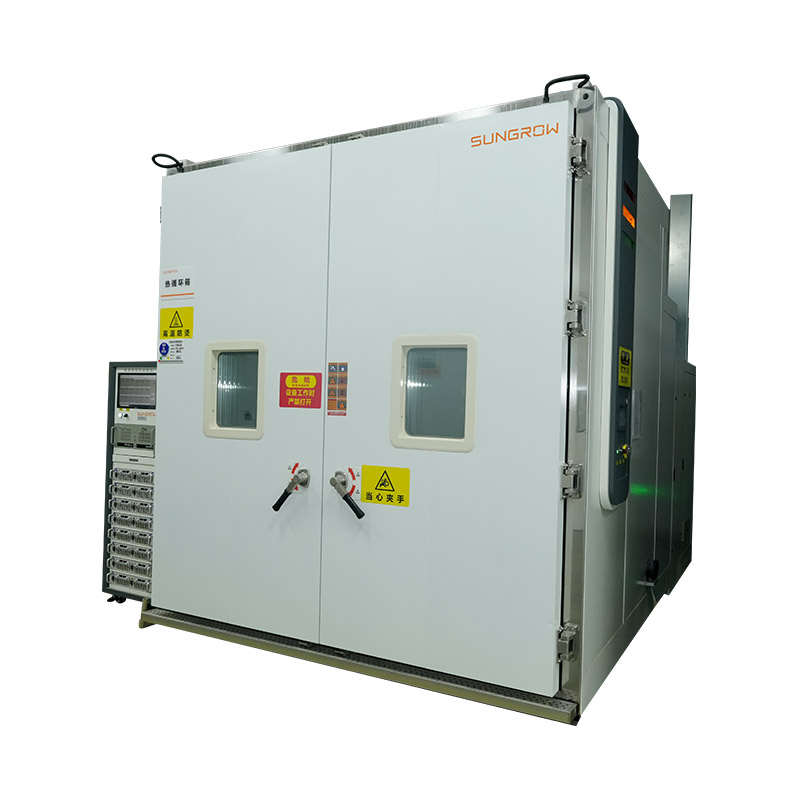
The landscape of test chambers for energy storage applications encompasses several distinct chamber types, each with specific capabilities, advantages, and limitations. Understanding these differences is crucial for selecting the appropriate chamber technology for your specific testing requirements. The thermal chamber for large battery modules represents just one category within a broader ecosystem of testing equipment designed to validate battery performance and safety under various environmental conditions.
Temperature chambers and thermal shock chambers serve distinct purposes in battery testing protocols, with fundamental differences in their operational principles and applications. Temperature chambers provide stable, controlled environments where batteries can be tested at specific temperature setpoints for extended durations. These chambers excel at simulating long-term exposure to specific climate conditions, such as storage in desert environments or operation in tropical climates. They typically offer precise temperature control and excellent uniformity throughout the test volume, making them ideal for performance characterization and lifecycle testing at constant temperatures.
In contrast, thermal shock chambers rapidly transition test samples between extreme temperature setpoints, simulating the sudden environmental changes that batteries might experience in real-world applications. For example, an electric vehicle battery might experience rapid cooling when moving from direct sunlight into an air-conditioned garage, or rapid heating when starting operation in cold weather. These chambers utilize separate hot and cold zones with mechanical transfer systems or liquid CO2/LN2 injection to achieve rapid temperature transitions. While they excel at testing mechanical and electrical integrity under thermal stress, they typically offer less precise control at stable temperatures compared to dedicated temperature chambers.
The table below compares key characteristics of temperature chambers versus thermal shock chambers for battery testing applications:
| Parameter | Temperature Chamber | Thermal Shock Chamber |
|---|---|---|
| Temperature Transition Rate | Moderate (1-5°C/min typical) | Extremely Fast (up to 60°C/min) |
| Temperature Stability | Excellent (±0.1°C to ±0.5°C typical) | Good at setpoints, poor during transitions |
| Application Focus | Long-term exposure testing | Thermal cycling and shock resistance |
| Testing Standards Supported | ISO 16750, IEC 62133, UL 1642 | MIL-STD-810, JESD22, ISO 16750 |
| Sample Capacity | Typically larger volumes | Limited by transfer mechanism |
| Operational Costs | Moderate energy consumption | Higher due to rapid cycling |
Beyond standard environmental chambers, several specialized chamber types address specific battery safety testing requirements that standard equipment cannot safely accommodate. Abuse testing chambers incorporate enhanced safety features to contain the potentially hazardous results of pushing batteries beyond their operational limits. These chambers feature reinforced construction, explosion-proof designs, advanced fire suppression systems, and dedicated ventilation to safely manage thermal runaway events and resulting gases. The environmental test chamber price for battery safety validation reflects these additional safety features and construction requirements.
Altitude simulation chambers recreate low-pressure conditions equivalent to high elevations, testing battery performance and safety in applications ranging from electric aircraft to automotive systems operating in mountainous regions. These chambers must control both temperature and pressure simultaneously, creating additional engineering complexity. Vibration test systems, often integrated with temperature chambers, simulate the mechanical stresses batteries experience in transportation and mobile applications. Combined environment chambers represent the most sophisticated category, simultaneously controlling temperature, humidity, vibration, and sometimes pressure to replicate real-world conditions where multiple environmental factors interact.
Selecting the right manufacturer for your battery test chamber involves careful evaluation of multiple factors beyond initial equipment cost. The manufacturer's expertise, support capabilities, and long-term reliability directly impact the chamber's performance throughout its operational lifespan. A comprehensive evaluation process should assess technical capabilities, quality systems, service infrastructure, and industry-specific experience to identify partners who can provide not just equipment but ongoing support and expertise.
A manufacturer's technical expertise and specific experience with battery testing applications significantly influence their ability to provide appropriate solutions for your requirements. Manufacturers with extensive background in energy storage testing understand the unique challenges and requirements of these applications, from safety considerations to testing methodologies. Their engineering teams should demonstrate familiarity with relevant industry standards and testing protocols, enabling them to recommend chamber configurations that align with your specific testing needs. The manufacturer of climatic chambers for EV batteries typically possesses specialized knowledge about automotive testing requirements and standards.
Evaluating a manufacturer's industry experience involves examining their project portfolio, requesting case studies similar to your application, and seeking references from existing customers with comparable testing requirements. Manufacturers actively participating in industry organizations and standards committees often maintain greater awareness of evolving testing requirements and emerging technologies. Their design philosophy should emphasize not just meeting current specifications but anticipating future needs through modular designs and upgrade paths. This forward-looking approach protects your investment as testing requirements evolve with advancing battery technologies.
Manufacturing quality directly impacts chamber performance, reliability, and measurement accuracy. Reputable manufacturers implement comprehensive quality management systems, often certified to international standards such as ISO 9001. These systems ensure consistent manufacturing processes, thorough component inspection, and rigorous final testing before equipment shipment. The calibration systems used during manufacturing should be traceable to national standards, ensuring measurement accuracy that supports reliable test results and compliance with regulatory requirements.
Third-party certifications specific to test equipment provide additional validation of manufacturing quality and performance claims. Look for manufacturers whose chambers carry certifications from recognized organizations, indicating independent verification of performance specifications. The manufacturing facility itself offers insights into quality commitment—organized production areas, modern equipment, and structured processes typically correlate with higher product quality. Documentation quality, including detailed technical specifications, installation requirements, and maintenance procedures, also reflects overall manufacturing standards and support capabilities.
Developing an accurate budget for test chamber procurement requires understanding both the initial acquisition costs and the long-term total cost of ownership. The custom battery testing chamber specifications significantly influence pricing, with specialized requirements typically commanding premium prices but potentially delivering superior long-term value through enhanced capabilities, reliability, and efficiency. A comprehensive budgeting approach considers multiple cost categories beyond the base equipment price to avoid unexpected expenses that can impact project timelines and total investment.
Initial acquisition costs encompass the chamber itself along with any necessary options, accessories, and professional services required for successful implementation. Base chamber pricing varies significantly based on size, temperature range, performance specifications, and control system sophistication. Standard chambers with moderate specifications typically represent the most cost-effective option for basic testing requirements, while chambers designed for extreme temperatures, rapid temperature change rates, or specialized applications command premium pricing. The low cost thermal cycling chamber for battery packs might represent an entry-level solution with limited capabilities compared to more sophisticated systems.
Configuration options significantly impact both functionality and cost, with common additions including enhanced safety features, additional measurement channels, communication interfaces, and specialized software capabilities. These options should be evaluated based on current requirements and future needs, with careful consideration of which features provide essential functionality versus which represent desirable but non-critical enhancements. Installation and commissioning services, while adding to initial costs, often prevent costly operational issues and ensure the chamber performs to specification from initial operation. The table below outlines typical cost ranges for various chamber configurations:
| Chamber Type | Temperature Range | Typical Volume | Price Range | Key Applications |
|---|---|---|---|---|
| Basic Temperature | -40°C to +150°C | 100-500L | $15,000 - $40,000 | Performance testing, basic qualification |
| Extended Range | -70°C to +180°C | 100-500L | $35,000 - $75,000 | Automotive testing, extended validation |
| Thermal Shock | -65°C to +150°C | 50-200L | $50,000 - $120,000 | Reliability testing, failure analysis |
| Safety Testing | -40°C to +150°C | 200-1000L | $75,000 - $200,000+ | Abuse testing, thermal runaway |
| Custom Solutions | Customer defined | Custom | $100,000+ | Specialized applications, research |
While initial acquisition costs receive significant attention, the total cost of ownership (TCO) over the chamber's operational lifespan often reveals different value propositions among competing solutions. TCO analysis incorporates multiple cost components beyond the purchase price, including installation expenses, energy consumption, maintenance requirements, calibration costs, potential downtime expenses, and eventual decommissioning. Chambers with higher initial costs but superior energy efficiency may deliver lower TCO through reduced operational expenses, particularly in facilities with continuous testing operations.
Energy consumption represents a significant ongoing expense, influenced by insulation quality, refrigeration system efficiency, and heat rejection method. Modern chambers with variable-speed compressors and advanced control systems typically offer substantially better energy efficiency compared to older designs, though their initial cost may be higher. Maintenance requirements and associated costs vary significantly between manufacturers and chamber types, with simpler mechanical designs often offering lower maintenance costs but potentially reduced capabilities. Service contract options, parts availability, and typical response times for repairs all impact operational reliability and potential downtime costs from testing interruptions.
Successful implementation and operation of battery test chambers require careful planning, proper installation, and established operational procedures. Even the most capable chamber will underperform if incorrectly installed, improperly operated, or inadequately maintained. Developing comprehensive implementation and operational protocols ensures consistent testing results, maximizes equipment lifespan, and maintains safe operating conditions throughout the chamber's service life.
Proper installation begins with thorough site preparation addressing space requirements, utility connections, and environmental conditions. The installation location must provide adequate clearance around the chamber for proper airflow, service access, and safe operation, with specific distance requirements typically outlined in the manufacturer's installation documentation. Floor loading capacity should be verified for larger chambers, particularly those designed for testing heavy battery packs or multiple modules simultaneously. Ambient conditions in the installation area, including temperature, humidity, and airborne contaminants, can impact chamber performance and reliability.
Utility connections require careful planning, with electrical requirements ranging from standard single-phase power for smaller chambers to dedicated three-phase circuits for larger systems with significant compressor loads. Water source and drain access may be necessary for chambers with humidity capabilities or water-cooled refrigeration systems. Compressed air connections might be required for certain safety features or pneumatic components. Properly sizing these utility connections prevents operational issues and potential safety hazards, while dedicated circuits prevent interference with other laboratory equipment. Professional installation by qualified technicians ensures all connections meet specifications and local codes.

Establishing comprehensive operational procedures ensures consistent testing conditions and valid results across different operators and test sequences. Standard operating procedures should cover normal operation, programming methodologies, sample loading protocols, emergency responses, and data management practices. Operator training represents a critical component, ensuring personnel understand not just how to operate the chamber but why specific procedures are important for test validity and safety. Documentation practices should capture all test parameters, environmental conditions, and any deviations from standard procedures.
Preventive maintenance protocols preserve chamber performance and prevent unexpected downtime through scheduled inspections, component replacements, and system verification. Basic maintenance typically includes regular cleaning, filter replacement, and visual inspections for signs of wear or damage. More comprehensive maintenance involves performance verification, safety system checks, and refrigeration system servicing performed at specified intervals. Calibration schedules ensure measurement accuracy remains within required tolerances, with calibration frequency determined by usage intensity, required measurement uncertainty, and quality system requirements. Detailed maintenance records support troubleshooting, validate test results, and demonstrate compliance with quality standards.




We value your suggestions and questions. If you have any questions about our products and services, please contact us. We will treat you responsibly and reply to your information as soon as possible.
 Building 14, Chuangjin Industrial Park, Zhitang Town, Changshu City, Suzhou City, Jiangsu, China
 +86-17712471297


 EN
EN
 English
 中文简体
中文简体