-
 [email protected]
-
 +86-17712471297
[email protected]
+86-17712471297

Ensuring the long-term durability and performance of photovoltaic (PV) modules is paramount in the solar energy industry. One of the most critical tools for validating this resilience against environmental stressors is the Salt Mist Corrosion Test Chamber. This specialized equipment simulates harsh, saline conditions to accelerate corrosion, helping manufacturers identify potential failures before deployment. For over a decade, Shanghai Houyao Testing Equipment Co., Ltd. has been at the forefront of developing advanced environmental simulation technology, including state-of-the-art corrosion test chambers tailored for the rigorous demands of the photovoltaic sector. This article delves into the specifics of salt mist testing for PV modules, exploring its importance, procedures, and key selection criteria.
Content
PV modules are designed to operate for 25 years or more in diverse outdoor environments, including coastal regions with high salt content in the air. Salt mist can lead to severe degradation, including:
The Salt Mist Corrosion Test Chamber provides a controlled, accelerated environment to replicate years of exposure in a matter of weeks, enabling manufacturers to verify the protective qualities of materials and seals.
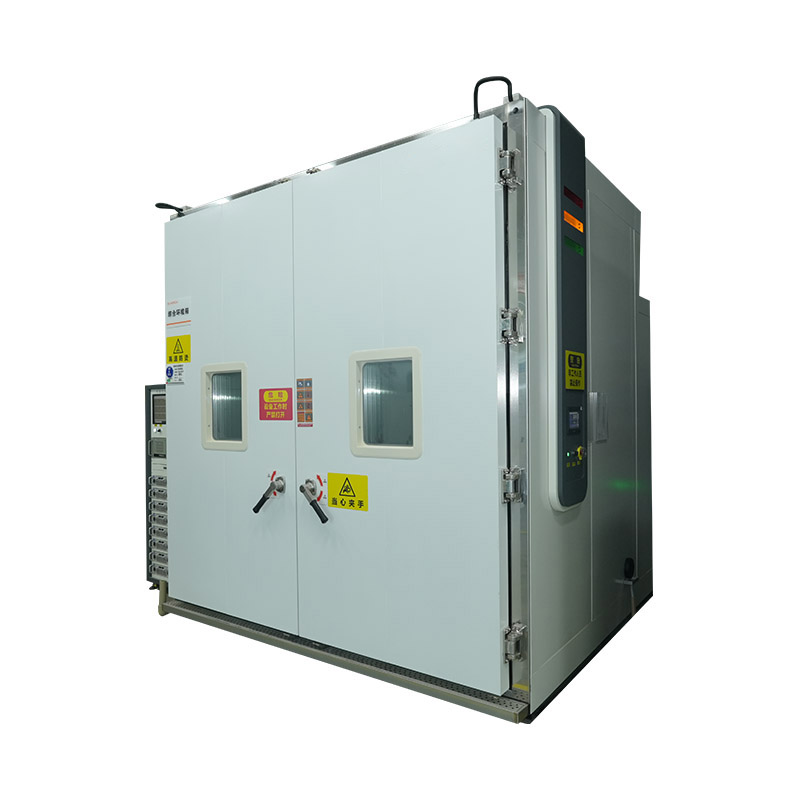
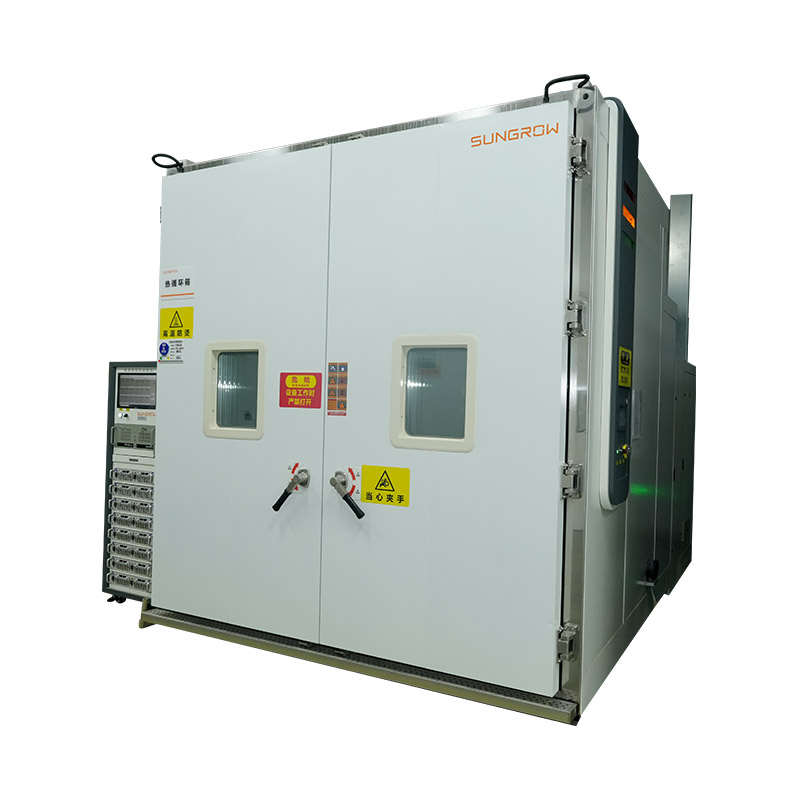
A Salt Mist Corrosion Test Chamber is an environmental simulation device that creates a corrosive atmosphere by atomizing a salt solution (typically sodium chloride) into a fine mist. This mist settles on test specimens, accelerating the corrosion process to evaluate a product's resistance.
A standardized salt spray test procedure for solar panels is crucial for obtaining reproducible and meaningful results. The process generally follows these steps, often aligned with standards like IEC 61701.
To ensure the integrity of your test data, adhering to best practices for salt fog testing photovoltaic modules is essential.
Understanding how to set up a salt mist test for PV panels involves both chamber configuration and sample management.
The benefits of salt corrosion test for solar energy extend far beyond simple quality control.
Different international standards govern salt spray testing. Comparing salt spray chamber standards for PV industry is vital for selecting the right test protocol.
While the test principle is similar, key differences in duration, temperature, and pass/fail criteria exist. For instance, IEC 61701 is specifically designed for PV modules, whereas ASTM B117 is a more general-purpose standard.
| Standard | Primary Application | Typical Test Duration | Key Focus |
| IEC 61701 | Photovoltaic (PV) Modules | 96 to 1000+ hours | Corrosion and electrical performance degradation. |
| ASTM B117 | Metallic Coatings & Materials | 24 to 2000+ hours | General corrosion resistance of coatings. |
| ISO 9227 | Corrosion Tests in Artificial Atmospheres | 24 to 2000+ hours | Neutral salt spray (NSS), acetic acid salt spray (AASS). |
As shown in the table, the IEC 61701 standard is the most relevant for PV testing as it directly addresses the performance and safety of the solar modules post-exposure.
With a dedicated team of 47 technical personnel and a focus on large-scale environmental simulation, Shanghai Houyao Testing Equipment Co., Ltd. understands the precision required for PV testing. When selecting a chamber, consider:
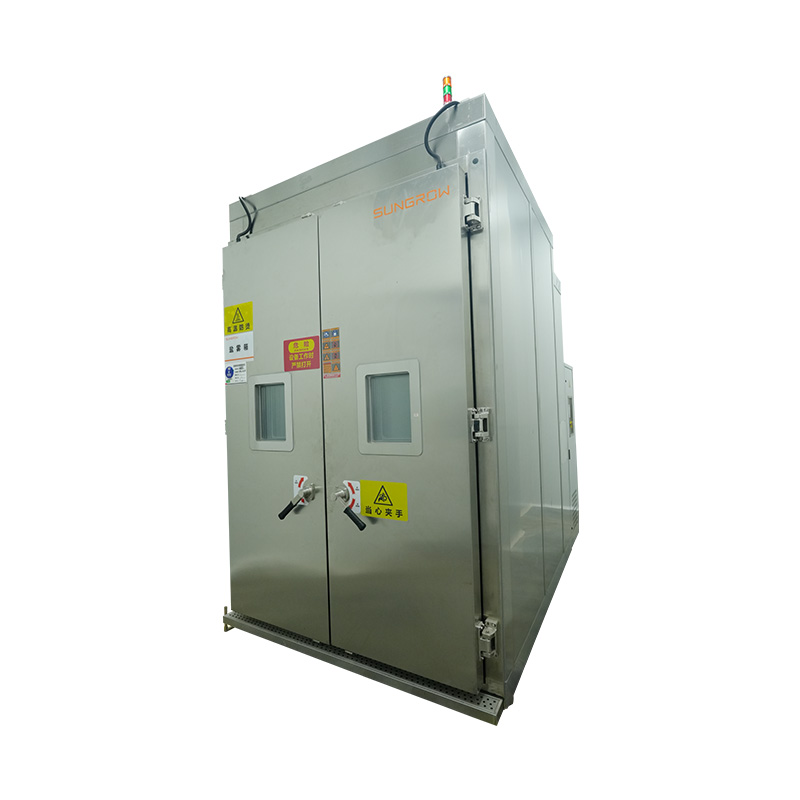
The primary purpose is to accelerate the effects of salt-laden environments on PV modules to assess their long-term corrosion resistance, identify potential failure points, and ensure they meet industry reliability standards before being installed in coastal or other corrosive locations.
Test duration varies based on the standard and the severity level required. According to IEC 61701, tests can range from a basic 96-hour exposure to more severe tests lasting 1000 hours or more, simulating decades of field exposure.
The terms are often used interchangeably. Technically, "salt spray" can refer to a test with larger droplet sizes, while "salt mist" implies a finer, more suspended aerosol. However, in industry practice and standards like ASTM B117, "salt spray" is the common term for the test, and the chamber generates a fine mist.
No, it is an accelerated stress test, not a lifespan prediction tool. It provides a comparative assessment of a module's resistance to corrosion relative to other modules or a set of pass/fail criteria. It helps rank performance and identify weak designs rather than giving a precise number of years.
IEC 61701 is specifically tailored for photovoltaic modules. It not only assesses visual corrosion but, crucially, also evaluates the electrical performance degradation of the module after testing, which is the ultimate measure of its functionality and safety.





We value your suggestions and questions. If you have any questions about our products and services, please contact us. We will treat you responsibly and reply to your information as soon as possible.
 Building 14, Chuangjin Industrial Park, Zhitang Town, Changshu City, Suzhou City, Jiangsu, China
 +86-17712471297


 EN
EN
 English
 中文简体
中文简体