-
 [email protected]
-
 +86-17712471297
[email protected]
+86-17712471297

Content
A UV aging test chamber simulates years of sunlight exposure in a matter of weeks, letting manufacturers predict how a material will hold up to real-world weathering before it ever leaves the lab. This guide covers how UV aging chambers work, what standards they test against, and what to look for when specifying one.
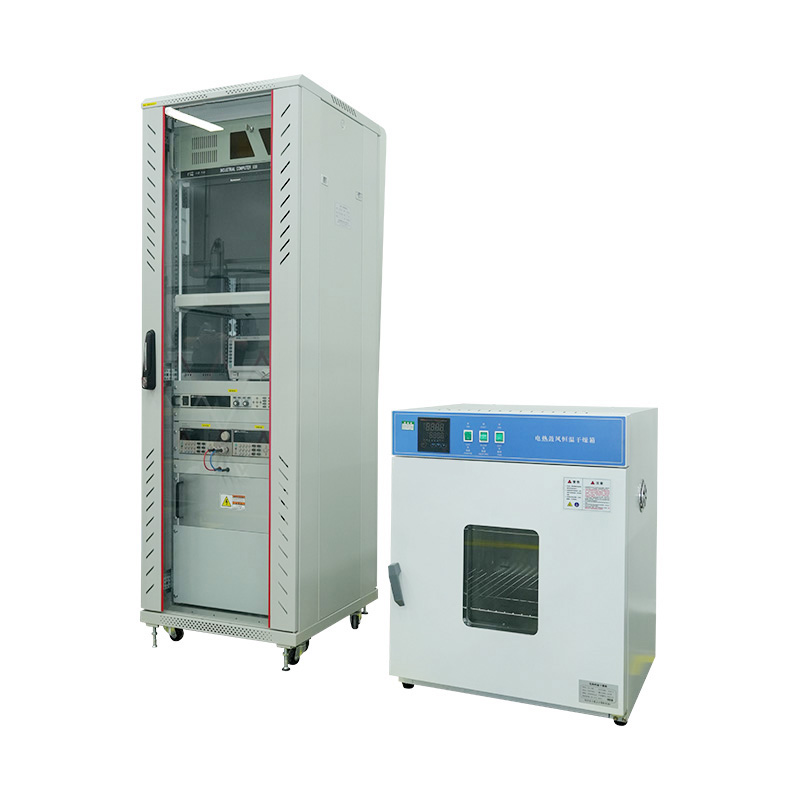
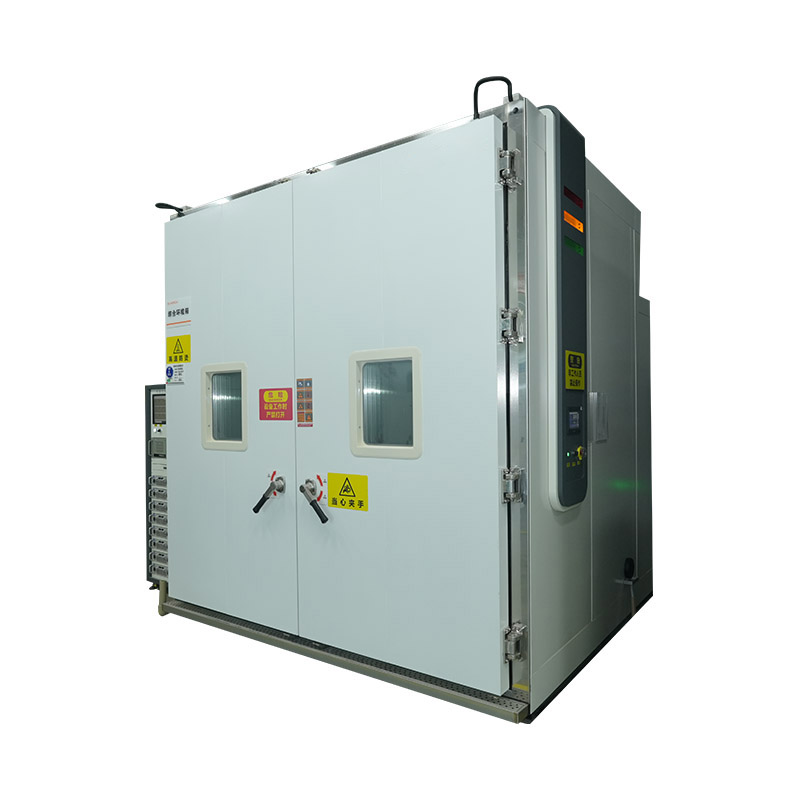
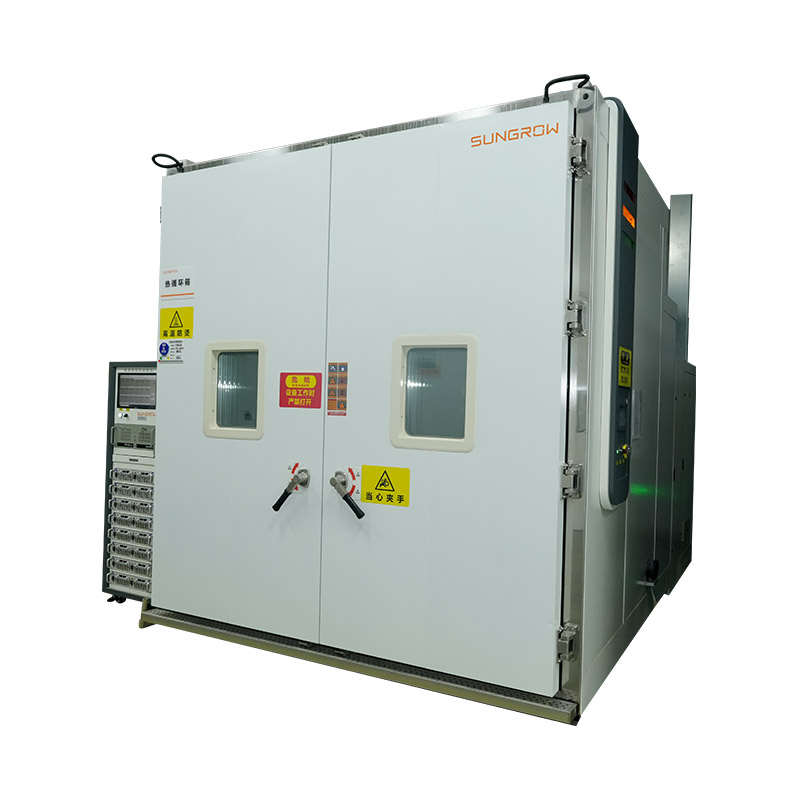
A UV aging test chamber is a controlled testing environment that exposes materials to ultraviolet light, heat, and moisture cycles to simulate the degrading effects of prolonged outdoor sun and weather exposure. Rather than waiting months or years to observe how a material naturally fades, cracks, or weakens outdoors, manufacturers use these chambers to accelerate that degradation under controlled, repeatable conditions.
UV lamps replicate the wavelength range responsible for material degradation from sunlight.
Alternating moisture exposure simulates dew, rain, and humidity effects.
Programmable heating cycles replicate real-world thermal stress.
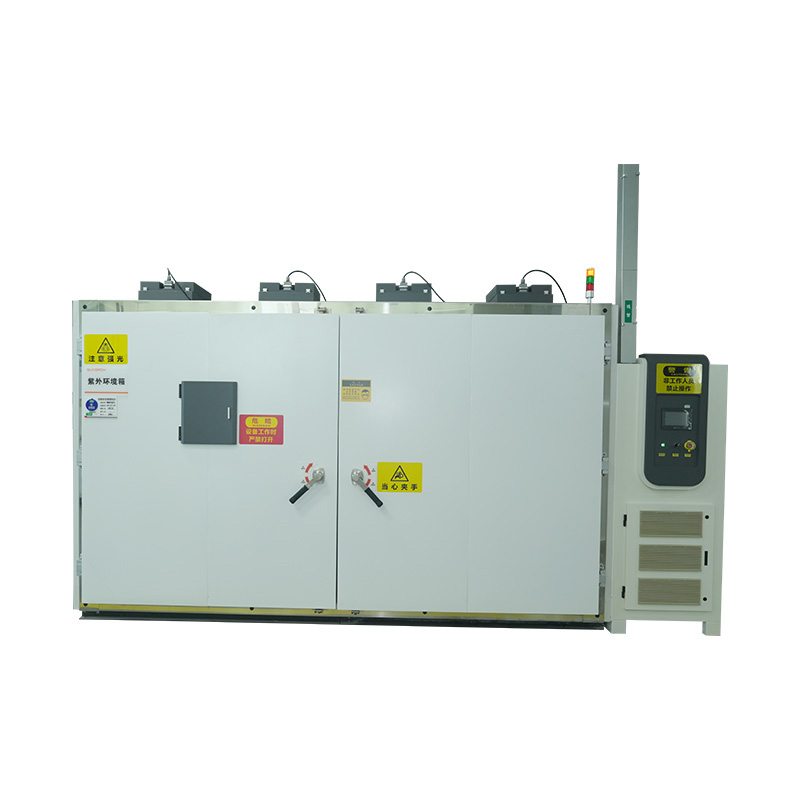
Inside the chamber, UV lamps — typically UVA or UVB fluorescent tubes — irradiate test specimens mounted on racks, while the chamber cycles between light exposure and condensation phases. During the condensation phase, specimens are exposed to humidity or direct water condensation at an elevated temperature, simulating the effect of morning dew or rainfall. This alternating cycle of UV exposure and moisture, repeated over a programmed testing period, accelerates the same degradation mechanisms — chalking, fading, cracking, and loss of mechanical strength — that occur naturally over months or years of outdoor exposure.
| Property Tested | What Degradation Indicates |
|---|---|
| Color and gloss retention | Resistance to fading and surface dulling from UV exposure |
| Surface integrity | Resistance to chalking, cracking, or crazing |
| Mechanical strength | Retention of tensile strength, flexibility, and impact resistance |
| Material weight/mass change | Indicates material breakdown or component loss over exposure cycles |
Common material properties evaluated through UV aging test chamber cycles.
UV aging test chambers are typically operated according to standardized test methods that define lamp type, irradiance level, cycle timing, and temperature settings, allowing results to be compared consistently across labs and manufacturers. Common referenced standards include ASTM G154 for fluorescent UV exposure of materials, along with related ISO standards covering plastics, coatings, and other material categories. Following a recognized standard ensures test results are meaningful for regulatory compliance, quality certification, or comparison against a material's published specifications.
Standard compliance: confirm the chamber supports the specific test standards required for your industry or certification.
Lamp type and irradiance control: UVA-340 lamps closely simulate sunlight's UV spectrum for most weathering applications; confirm irradiance is measurable and controllable.
Chamber capacity: match specimen rack size and chamber volume to your typical test batch sizes.
Cycle programmability: look for flexible control over UV, condensation, and temperature cycle timing to match different test protocols.
Calibration and monitoring: built-in irradiance sensors and regular calibration support help ensure consistent, defensible test results over time.
Matching chamber specifications to the exact standards and materials being tested — rather than assuming any UV chamber will produce comparable results — is what ensures accelerated aging data actually predicts real-world material performance.



We value your suggestions and questions. If you have any questions about our products and services, please contact us. We will treat you responsibly and reply to your information as soon as possible.
 Building 14, Chuangjin Industrial Park, Zhitang Town, Changshu City, Suzhou City, Jiangsu, China
 +86-17712471297


 EN
EN
 English
 中文简体
中文简体