-
 [email protected]
-
 +86-17712471297
[email protected]
+86-17712471297

Content
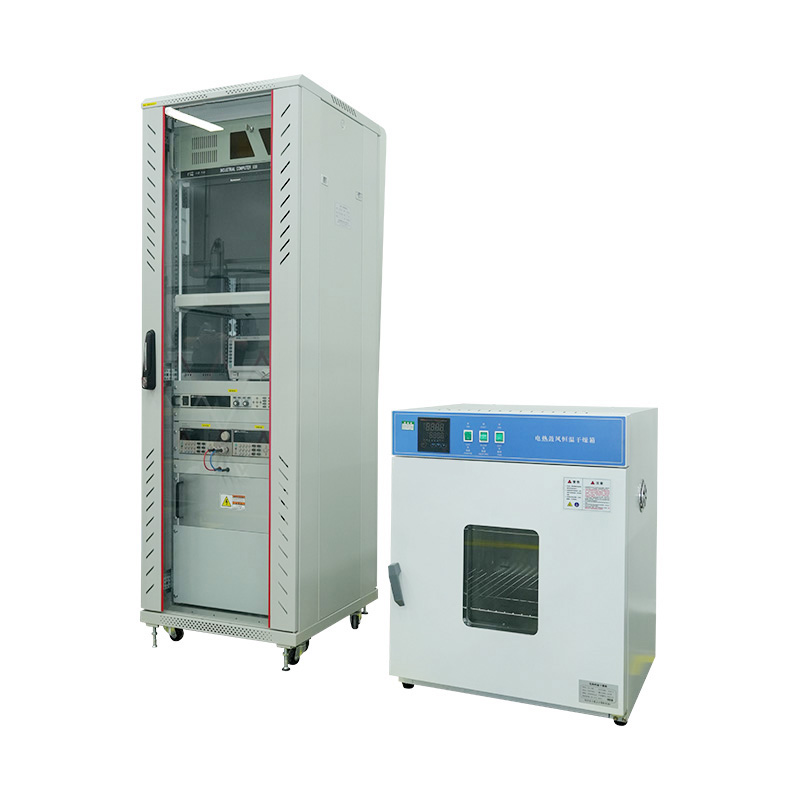
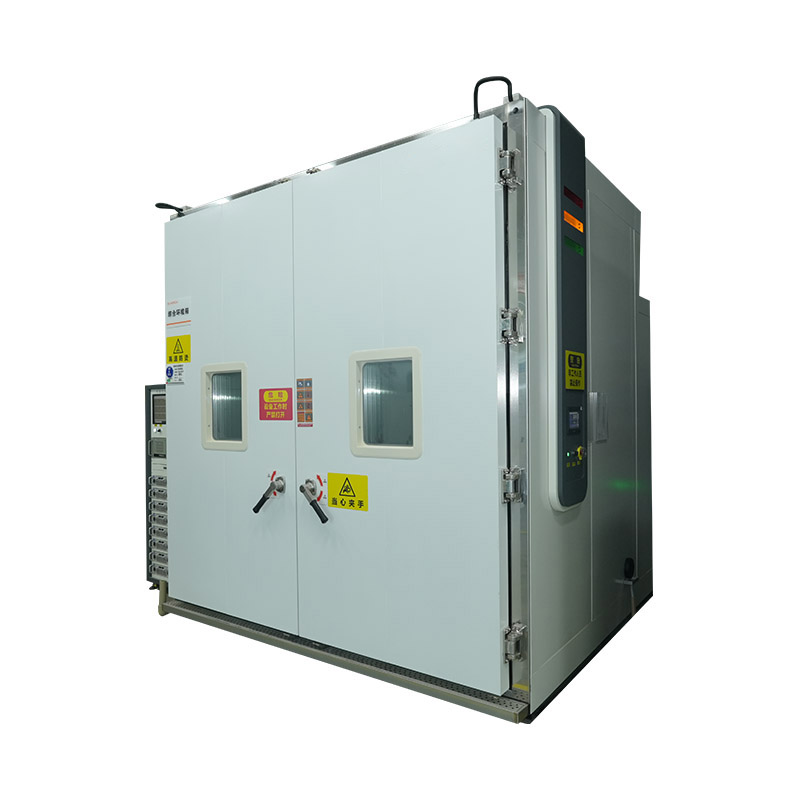
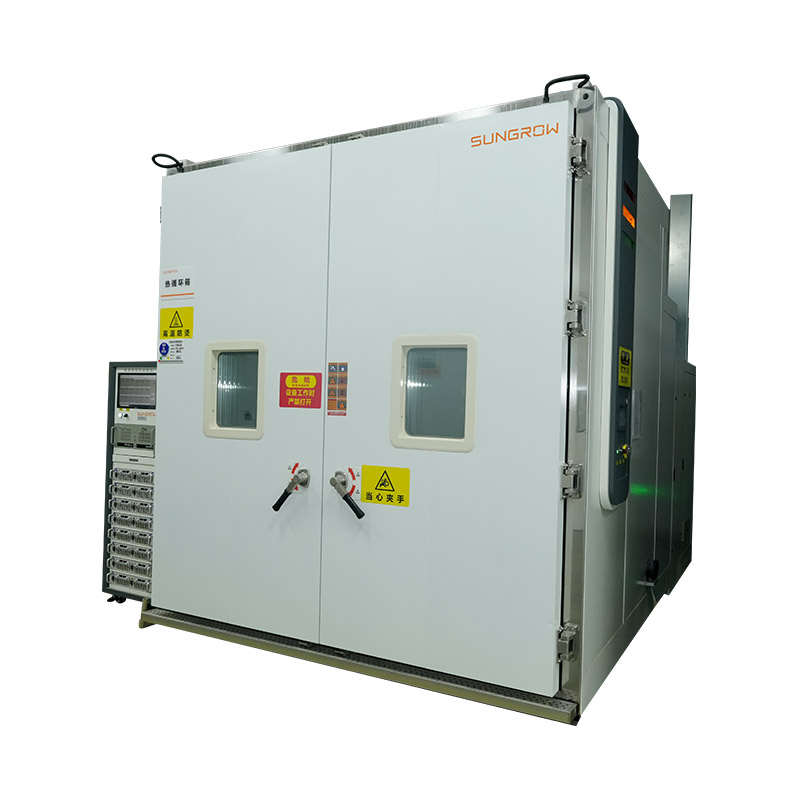
A Solar Module UV Aging Test Chamber is a specialized environmental simulation system designed to expose photovoltaic modules to controlled ultraviolet radiation. By replicating long-term sunlight exposure within a short experimental cycle, this equipment helps evaluate how solar panels degrade under high-intensity UV conditions. Modern chambers use advanced lighting systems, temperature control, humidity regulation, and UV wavelength filtration to reproduce real outdoor stress conditions. These controlled variables ensure repeatable and standardized testing environments, which are essential for quality evaluation and product certification. The chamber also plays a key role in evaluating encapsulation materials, adhesive layers, backsheet durability, and optical performance of photovoltaic modules. When engineers apply solar panel UV exposure testing equipment, they gain insights into material weaknesses that may lead to discoloration, cracking, delamination, or efficiency decline. Compared with natural exposure, chamber testing is significantly faster, providing data that supports product development and reliability improvements. Additionally, industries rely on UV chambers to meet global compliance requirements, such as ensuring a module meets photovoltaic module UV aging test standards. This makes UV testing not only a quality-control tool but a critical process for long-term solar system performance evaluation and certification.
| Testing Parameter | Description |
| UV Intensity | Adjustable based on standard requirements |
| Temperature Control | Replicates real outdoor thermal stress |
| Humidity | Helps simulate climatic aging conditions |
UV exposure is one of the most critical aging factors affecting the performance and lifespan of photovoltaic systems. Repeated UV radiation accelerates material degradation, causing yellowing, reduced transparency, weakened polymer structures, and declining energy efficiency. The UV accelerated weathering chamber for solar modules allows manufacturers and laboratories to predict these changes in a controlled and quantifiable manner. When solar panels operate in harsh climates, they face continuous irradiation, which accelerates wear and tear beyond normal expectations. Without proper UV durability testing, products may fail prematurely, resulting in reduced reliability and increased maintenance costs. For developers, this type of testing supports innovation by allowing early detection of material flaws and enabling improved formulations for encapsulants and protective films. Furthermore, UV testing ensures that products comply with international regulations. Meeting photovoltaic module UV aging test standards ensures that modules are ready for deployment in large-scale photovoltaic installations, helping reduce long-term risk and increasing project investment confidence.
| Impact Factor | Influence on Modules |
| UV Radiation | Accelerates chemical and optical degradation |
| Heat Cycling | Enhances structural stress and cracking risks |
| Humidity | Causes delamination and corrosion |
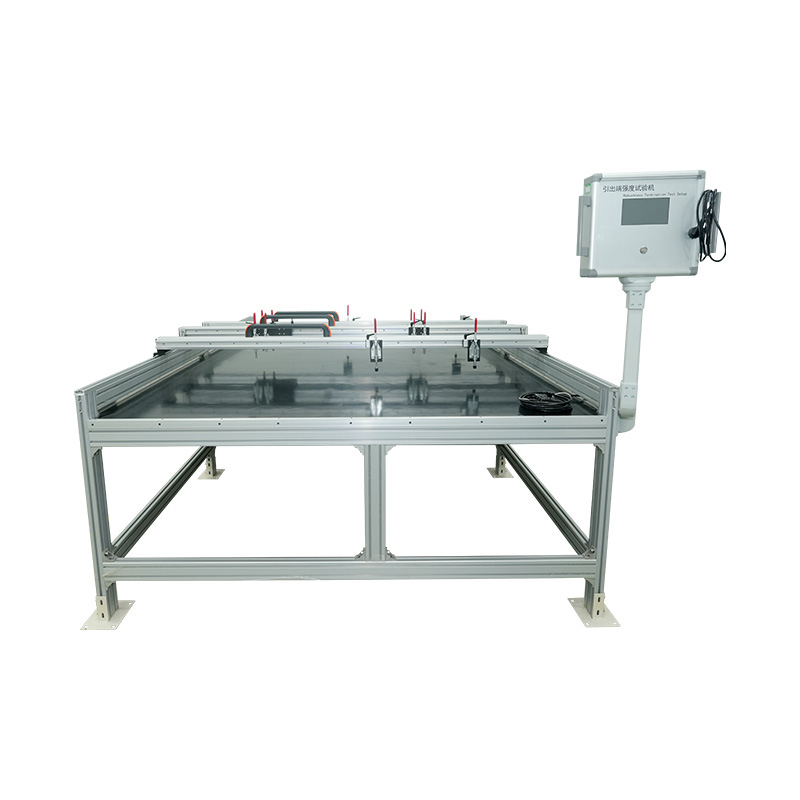
Manufacturers rely on UV test chambers to confirm how solar modules withstand long-term exposure to high-intensity ultraviolet light. For panels installed in regions with strong sunlight or high-altitude environments, UV degradation is a serious concern. Through controlled accelerated experiments, a solar module durability UV testing method eliminates guesswork and quantifies the resilience of each material layer. Thin-film modules, crystalline silicon panels, and bifacial modules often face unique UV challenges. A UV chamber helps evaluate these issues before real-world deployment. The results guide design decisions such as selecting improved EVA films, UV-stable backsheets, and enhanced coating materials. Ultimately, this improves the reliability and long-term yield of photovoltaic installations.
| Module Type | UV Resistance Needs |
| Crystalline Silicon | Prevent discoloration of encapsulants |
| Thin-Film | Protect flexible layers from cracking |
| Bifacial | Ensure UV stability on both sides |
Advanced photovoltaic research depends heavily on precise UV simulation to study long-term material reliability. The UV environmental simulation chamber for PV panels allows laboratories to explore how encapsulants, adhesives, and protective coatings behave under different wavelength ranges. This scientific approach helps researchers innovate new materials that offer greater stability and efficiency. Research institutions often use UV chambers to evaluate the degradation rate of experimental materials. With accurate control over irradiance, temperature, and humidity, researchers can simulate harsh environmental scenarios impossible to reproduce outdoors. Data collected from these tests supports new patents, material formulations, scientific publications, and industrial applications. Moreover, UV testing accelerates the development of next-generation modules that must perform reliably for decades, especially as global demand for renewable energy continues to grow rapidly.
| Research Area | UV Testing Application |
| Encapsulants | Study yellowing and optical aging |
| Coatings | Evaluate UV-protective effectiveness |
| Backsheets | Check structural degradation over time |
There are two primary ways to test UV durability: natural outdoor exposure and accelerated artificial testing. Natural testing provides realistic long-term data but typically requires years to complete. In contrast, an accelerated UV test chamber can compress years of sunlight exposure into weeks or months. Using a UV accelerated weathering chamber for solar modules ensures controlled irradiance, temperature, and humidity, which natural exposure cannot guarantee. This method is especially advantageous for product development cycles, certification requirements, and quality assurance processes. Although natural exposure offers irreplaceable authenticity, accelerated testing provides repeatability and efficiency. Manufacturers often combine both methods to achieve the most accurate results.
| Method | Pros | Cons |
| Accelerated UV | Fast and repeatable | May not fully replicate climate variations |
| Natural Exposure | Authentic environmental stress | Requires long testing cycles |
A UV test chamber uses specific narrow-band ultraviolet wavelengths to simulate the most harmful portion of the solar spectrum. In contrast, xenon test systems reproduce a broader spectrum, including visible and infrared radiation. Each method has strengths depending on the type of evaluation required. For UV-specific degradation mechanisms such as EVA yellowing or polymer breakdown, a Solar Module UV Aging Test Chamber provides a more focused and energy-efficient solution. Xenon systems are preferred for full-spectrum evaluations, such as optical performance and thermal cycling under simulated sunlight. Manufacturers may choose one or both depending on the scope of certification and research goals.
| System | Main Feature | Best Application |
| UV Chamber | Targeted UV wavelengths | Material aging analysis |
| Xenon System | Full-spectrum sunlight | Performance and optical testing |
Selecting the right equipment requires understanding performance, reliability, and compliance expectations. Choosing a high-quality Solar Module UV Aging Test Chamber helps ensure testing accuracy and long-term consistency. Users should evaluate UV wavelength stability, irradiance uniformity, calibration options, chamber size, software controls, cooling systems, and safety features. Engineers must also compare energy consumption, long-term maintenance cost, and automation capabilities. A well-designed chamber enhances workflow efficiency and reduces operational risks. Because advanced systems offer better repeatability and control, investing in a professional-grade chamber becomes essential for accurate aging studies.
| Selection Factor | Importance |
| UV Stability | Ensures consistent results |
| Chamber Size | Supports full-size module testing |
| Cooling System | Prevents overheating during long tests |
Many global photovoltaic standards require UV testing to certify long-term durability. These standards specify irradiance levels, wavelength ranges, exposure cycles, and acceptance criteria. The photovoltaic module UV aging test standards ensure that modules operate reliably in diverse environmental conditions. Choosing a chamber compatible with international standards ensures accurate results and smooth certification processes. Manufacturers often integrate multiple testing capabilities—such as temperature cycling, humidity freeze, and mechanical load testing—to complete a full reliability profile required for deployment. Ensuring compliance reduces long-term financial risk and increases confidence for large-scale solar installations.
| Standard | UV Testing Requirement |
| IEC-Referenced UV Tests | Requires specific UV wavelength and irradiance |
| Regional Performance Codes | Demand verified durability over extended cycles |
Most UV chambers use wavelengths around 280–400 nm, focusing especially on the UV-A and UV-B ranges that cause the majority of polymer degradation. This ensures accurate simulation of long-term solar exposure.
Depending on the standard, typical UV aging tests range from several hundred to several thousand hours. Accelerated chambers can simulate years of exposure within weeks.
No. While accelerated systems provide fast and repeatable data, natural exposure remains important for validating real-world performance. Most manufacturers use both methods.
Encapsulants (EVA, POE), backsheets, optical coatings, and adhesives are the most vulnerable components. UV exposure leads to yellowing, cracking, and loss of transparency.
Yes. Many international photovoltaic standards require UV exposure testing to ensure long-term durability and compliance before market deployment.

We value your suggestions and questions. If you have any questions about our products and services, please contact us. We will treat you responsibly and reply to your information as soon as possible.
 Building 14, Chuangjin Industrial Park, Zhitang Town, Changshu City, Suzhou City, Jiangsu, China
 +86-17712471297


 EN
EN
 English
 中文简体
中文简体