-
 [email protected]
-
 +86-17712471297
[email protected]
+86-17712471297

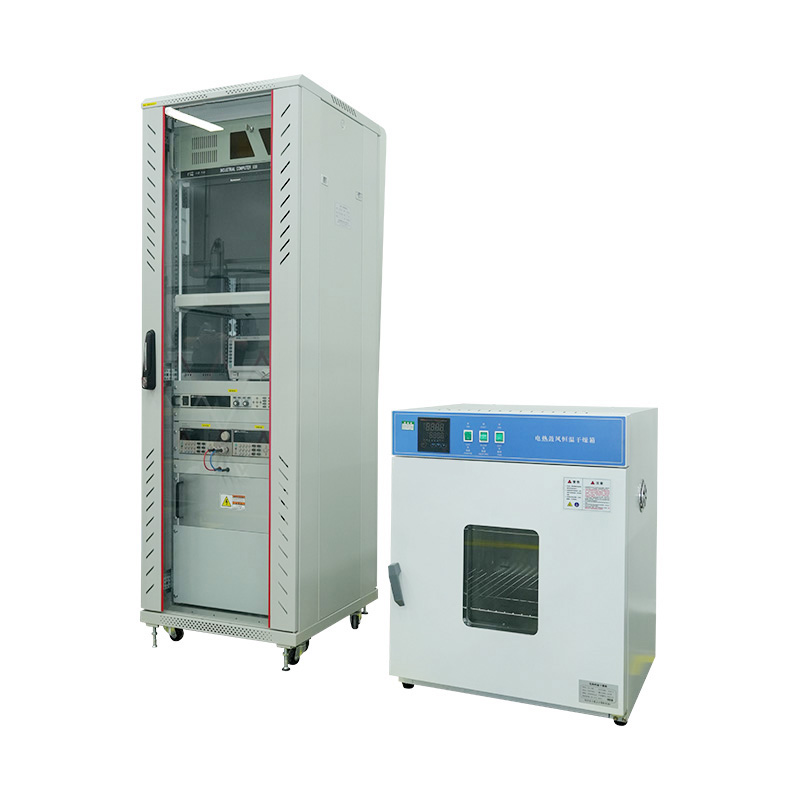
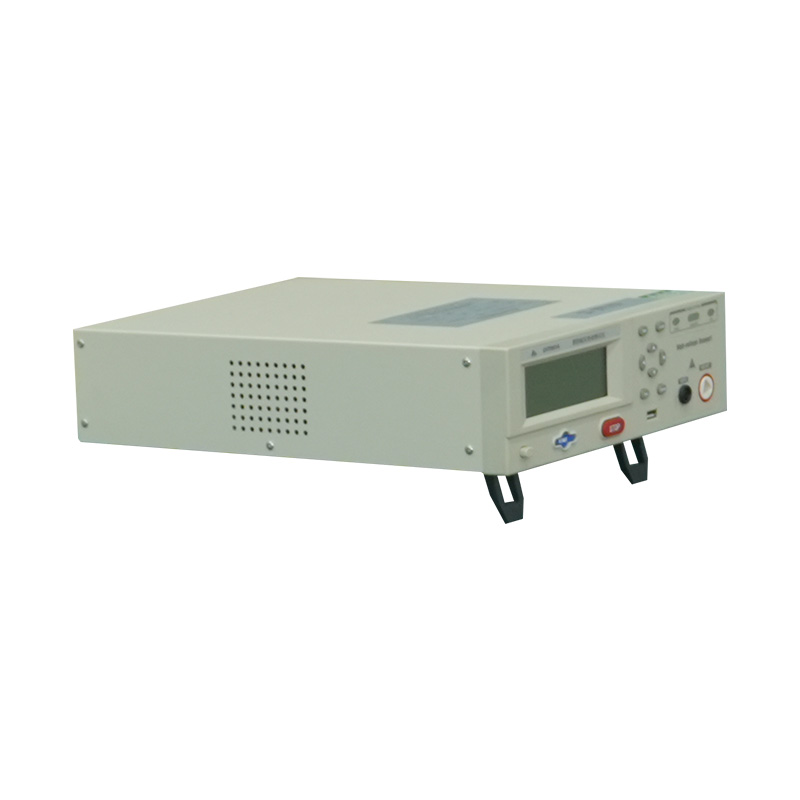
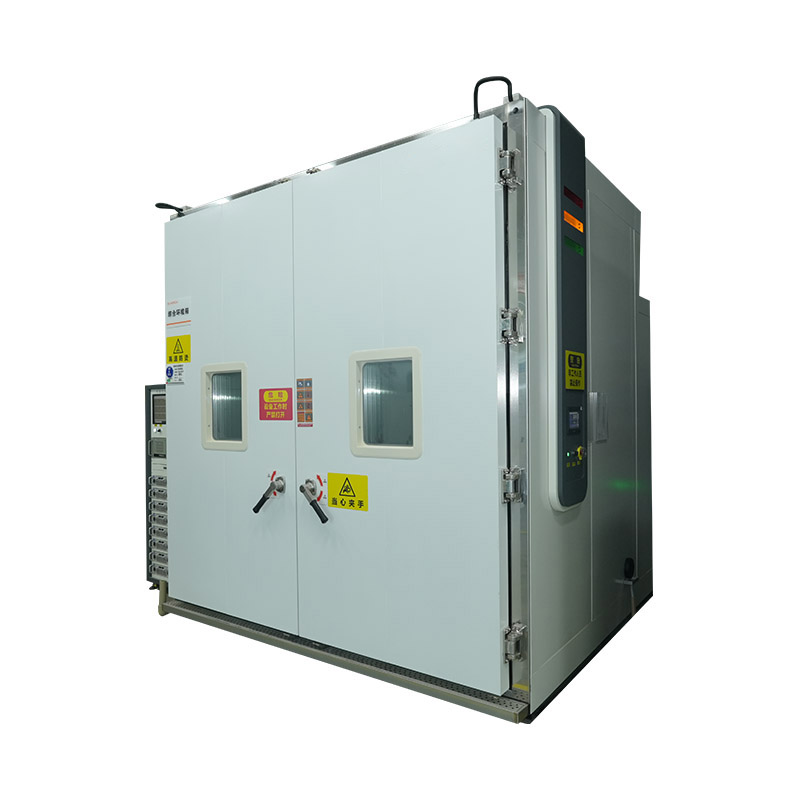
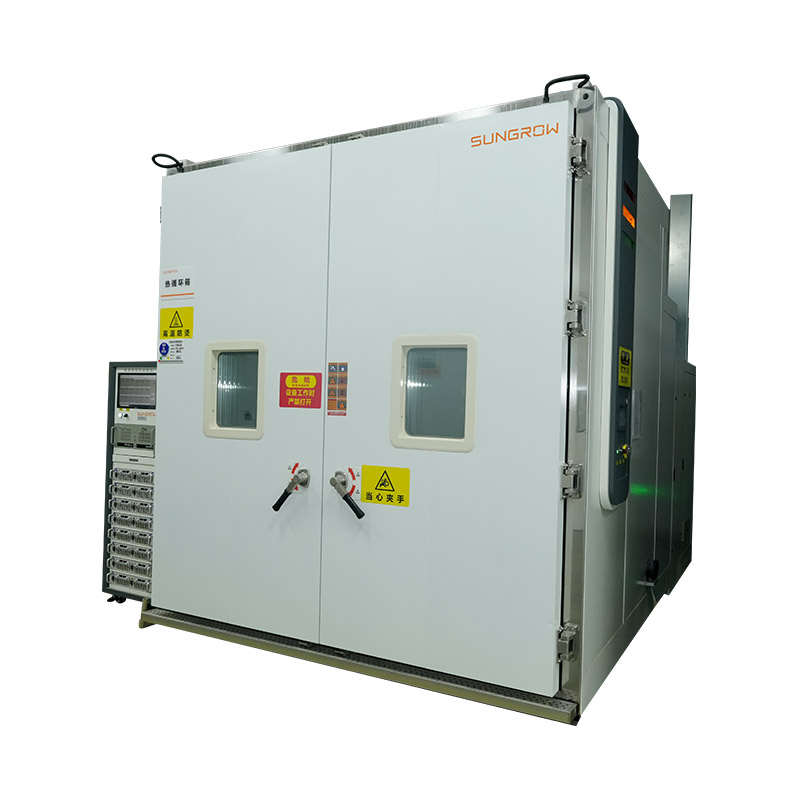
In the relentless pursuit of product quality and longevity, engineers and manufacturers worldwide are shifting away from sequential, single-factor testing methods. Today's advanced products, from aerospace components to consumer electronics, are constantly subjected to a combination of simultaneous stresses—temperature, humidity, vibration, and altitude—in the real world. A single environmental stress test simply cannot capture these complex failure mechanisms. This fundamental necessity has driven the adoption of the Composite Environmental Stress Test System, a sophisticated piece of equipment designed to simulate these coupled, harsh conditions with high fidelity. This article will delve into the critical technical, economic, and procedural aspects of utilizing these integrated systems to achieve unparalleled product reliability and robustness.
Content
The marketplace demands products that last longer and perform flawlessly under increasingly challenging operational conditions. To meet this demand, organizations must adopt testing methodologies that reflect real-world multi-stress environments. Relying on outdated, single-factor testing is no longer viable, as it often fails to uncover critical synergistic failure modes. For instance, a component might withstand high temperature or high vibration individually, but the combination of both simultaneously could lead to a catastrophic, unforeseen structural or electronic failure. This gap necessitates the strict adherence to and development of robust accelerated composite environmental testing standards. These standards, often outlined by industry bodies like ISO, IEC, or military specifications, guide the creation of precise, combined stress profiles that significantly reduce the time required to predict a product's lifespan, thereby accelerating the time-to-market without compromising quality. The goal is not just to see if a product fails, but to understand *why* and *when* it fails under realistic cumulative stress.
The operational success of combined stress testing is entirely dependent on the chamber's ability to accurately and simultaneously apply multiple environmental factors. This engineering feat requires a completely different approach from traditional chambers, leading to the specialized multi-factor reliability testing chamber design. A key consideration is the integration of dynamic systems, such as electrodynamic shakers for vibration, with static controls for temperature and humidity, ensuring that one factor does not adversely affect the fidelity of another. For example, maintaining a stable temperature profile while a component is undergoing high-G vibration requires advanced thermal management and robust, thermally-isolated mounting systems. This sophisticated design ensures that the test article is subjected to a truly composite and reproducible stress state, maximizing the relevance of the test data and providing high confidence in the product's ultimate reliability.
| Feature | Single-Factor Chamber | Composite Environmental Stress Test System |
| Primary Goal | Component endurance under one stress. | System reliability under coupled, real-world stresses. |
| Failure Mechanism Discovery | Limited; only primary single-stress failures. | Comprehensive; includes synergistic failures. |
| Test Time/Efficiency | Longer overall time due to sequential testing. | Significantly reduced time due to simultaneous application. |
| Equipment Complexity | Lower; simpler control systems. | Higher; advanced integration and control algorithms. |
While the initial capital expenditure for a Composite Environmental Stress Test System is substantial, a thorough cost-benefit analysis of composite stress screening reveals a compelling economic justification. The true cost of product failure extends far beyond warranty replacements; it includes legal liability, loss of brand reputation, and significant logistical costs associated with field service and recalls. By identifying latent defects, weak components, and manufacturing flaws early in the production cycle (via High Accelerated Life Testing, or HALT), the composite stress screening process acts as a powerful financial insulator. It screens out "infant mortality" parts before they ever leave the factory floor, transforming a reactive, expensive failure management process into a proactive, predictable quality control mechanism. The ROI is realized through higher product quality, fewer field failures, and ultimately, a stronger competitive position derived from a reputation for reliability.
The cost to fix a defect increases exponentially the later it is discovered in the product life cycle. A flaw that costs pennies to correct during the design phase might cost thousands in a post-sale recall. Composite stress screening, a critical function of the Composite Environmental Stress Test System, is designed to maximize the discovery of these flaws during the least expensive stage: pre-release. By exposing every product unit (or a statistically significant sample) to a rapid series of combined stresses, the system forces latent defects—such as poor solder joints, inadequate adhesive bonds, or incorrect component tolerances—to manifest quickly and safely within the controlled environment. This early detection drastically cuts down on warranty claims, reduces product liability exposure, and protects the market perception of the brand. The savings in field failure costs alone typically justify the investment in the testing equipment within a short period.
| Metric | Traditional Testing Approach | Composite Environmental Stress Test System |
| Defect Discovery Rate | Low to Medium (misses synergistic defects). | High (forces latent defects to manifest). |
| Total Cost of Quality (Field) | High (due to field failures and recalls). | Lower (due to proactive screening). |
| Time-to-Market Impact | Slower (sequential tests and potential re-spins). | Faster (accelerated and comprehensive testing). |
| Initial Investment | Lower (buying multiple single-factor machines). | Higher (for the integrated system). |
The data produced by a Composite Environmental Stress Test System is only as good as the system’s precision. Given the complex interaction of humidity, temperature, and dynamic vibration, the requirement for meticulous humidity and vibration combined test equipment calibration is paramount. Calibration is not a one-time event; it is a critical, periodic maintenance task that ensures all sensors—thermocouples, humidity transmitters, and accelerometer feedback systems—are providing accurate, traceable readings. Failure to regularly calibrate can lead to significant discrepancies between the intended stress profile and the actual stress applied to the test article. For example, an uncalibrated humidity sensor might indicate 85% RH when the actual level is 95% RH, invalidating the test's ability to simulate tropical conditions. Proper calibration is a fundamental pillar of any quality management system (like ISO 9001) and ensures that the significant investment in the multi-factor reliability testing chamber design translates into reliable, trustworthy data.
Maintaining a Composite Environmental Stress Test System requires a holistic approach that goes beyond simple cleaning. The complexity of simultaneously managing thermal, moisture, and mechanical forces means that wear and tear can affect multiple subsystems at once. Best practices dictate a combination of preventive and predictive maintenance schedules. Preventive measures include the scheduled replacement of consumables like refrigeration oil and air filters, as well as the regular inspection of seals and gaskets, which are crucial for maintaining the required environmental conditions. Predictive maintenance involves continuous monitoring of critical system parameters—such as compressor run-time, vibration system coil temperature, and chiller performance—to anticipate failure before it occurs. Furthermore, comprehensive staff training is essential; operators must be proficient in recognizing abnormal system behavior that could indicate an impending need for the specialized humidity and vibration combined test equipment calibration procedure. This diligence ensures maximum uptime and the continuous delivery of high-quality test data.
The aerospace industry represents one of the most demanding applications for combined stress testing. Components and materials used in aircraft and spacecraft must survive extreme thermal cycles (from cryogenic to superheated), rapid pressure changes, and sustained high-frequency vibration during launch and operation. Consequently, aerospace material composite stress testing procedures are among the most stringent in the world. These procedures rigorously define multi-axis testing, where stresses like vibration, temperature, and vacuum (or simulated altitude) are applied in precise, often non-linear sequences. For example, a satellite battery pack might be tested with simultaneous thermal vacuum cycling and random vibration to replicate the launch environment followed by orbital operations. The data gleaned from the Composite Environmental Stress Test System is not just for quality assurance; it forms the foundation of flight qualification and certification, directly impacting mission feasibility and astronaut safety. The complexity mandates a system capable of extreme control and high precision to meet standards like RTCA DO-160 or MIL-STD-810.
For aerospace applications, the testing is often centered around highly specific mission profiles, which define the precise environmental conditions an object will encounter from the factory floor to the end of its projected lifespan in orbit or flight. The Composite Environmental Stress Test System allows engineers to load these mission profiles—which can last hundreds or thousands of hours—directly into the control system. This capability ensures that the tested part is not merely surviving generic stress but is proving its fitness for the actual, complex operational environment. The fidelity of the testing, especially the accurate synchronization of factors like thermal ramp rates and vibration spectrums, is crucial. Any deviation could result in an under-tested component being deployed, jeopardizing billions of dollars of equipment and, critically, human lives. Therefore, compliance with aerospace material composite stress testing procedures is non-negotiable, and the testing report serves as a foundational piece of the aircraft or spacecraft's airworthiness certification.
| Industry Standard | Core Application | Composite Test Focus |
| MIL-STD-810 | Defense/Military Equipment | Combined stress for operational readiness (e.g., Icing/Freeze-Thaw, Temp/Humidity). |
| RTCA DO-160 | Commercial Airborne Equipment | Environmental conditions for aircraft, often requiring high-altitude and complex vibration/thermal profiles. |
| JEDEC/AEC Q100 | Automotive Electronics | Focus on reliability under road conditions, often combining temperature cycling, moisture, and mechanical shock/vibration. |
| IEC 60068 | General Electronics/Materials | Fundamental test sequences for demonstrating basic environmental resilience. |

Traditional, sequential testing frequently misses synergistic failures—those that occur only when two or more stresses are applied simultaneously, which is the exact scenario a Composite Environmental Stress Test System is designed to replicate. The most common missed failures include: fatigue crack propagation accelerated by concurrent thermal cycling and vibration; electrical shorts or opens caused by humidity-induced corrosion combined with mechanical flex from vibration; and the accelerated degradation of polymer seals or adhesives when exposed to the combination of high temperature and high stress (creep). By following stringent accelerated composite environmental testing standards, the system is forced to uncover these multi-factor flaws, significantly boosting the product's mean time between failures (MTBF) in the field. These systems are essential for validating the multi-factor reliability testing chamber design is truly representative of the end-use environment.
Handling the dynamic interaction of vibration and temperature is the core engineering challenge of the multi-factor reliability testing chamber design. This is typically managed via a dedicated thermal break or isolation system between the electrodynamic shaker and the chamber's internal volume. The thermal break minimizes the heat transfer from the chamber's extreme temperatures to the shaker coil, which must remain at a stable operating temperature for accurate performance. Furthermore, the test article fixturing must be thermally and dynamically optimized. Fixtures must be light, rigid, and have low thermal mass, minimizing the temperature gradient across the product while accurately transmitting the vibration forces. Specialized data acquisition systems monitor the test article and chamber environment in real-time, providing feedback to the controller to maintain the specified stress profile accuracy, a necessity for processes like aerospace material composite stress testing procedures.
A thorough cost-benefit analysis of composite stress screening must go beyond the initial purchase price of the Composite Environmental Stress Test System. Key factors include the reduction in internal scrap and rework costs due to early detection; the quantifiable decrease in warranty claims and field service expenses; and the value of faster time-to-market. Additionally, the analysis must account for the intangible benefits: enhanced brand reputation for quality, reduced liability insurance premiums, and the competitive advantage gained from having demonstrably superior product reliability data. The recurring cost of the specialized humidity and vibration combined test equipment calibration and maintenance should also be included as an operational expense, offset by the significant long-term savings realized from proactively mitigating costly failures.





We value your suggestions and questions. If you have any questions about our products and services, please contact us. We will treat you responsibly and reply to your information as soon as possible.
 Building 14, Chuangjin Industrial Park, Zhitang Town, Changshu City, Suzhou City, Jiangsu, China
 +86-17712471297


 EN
EN
 English
 中文简体
中文简体