Understanding Environmental Simulation Chambers
Author: HouYao
Date: 2025-12-23
What Are Environmental Simulation Chambers?
Definition and Core Functions
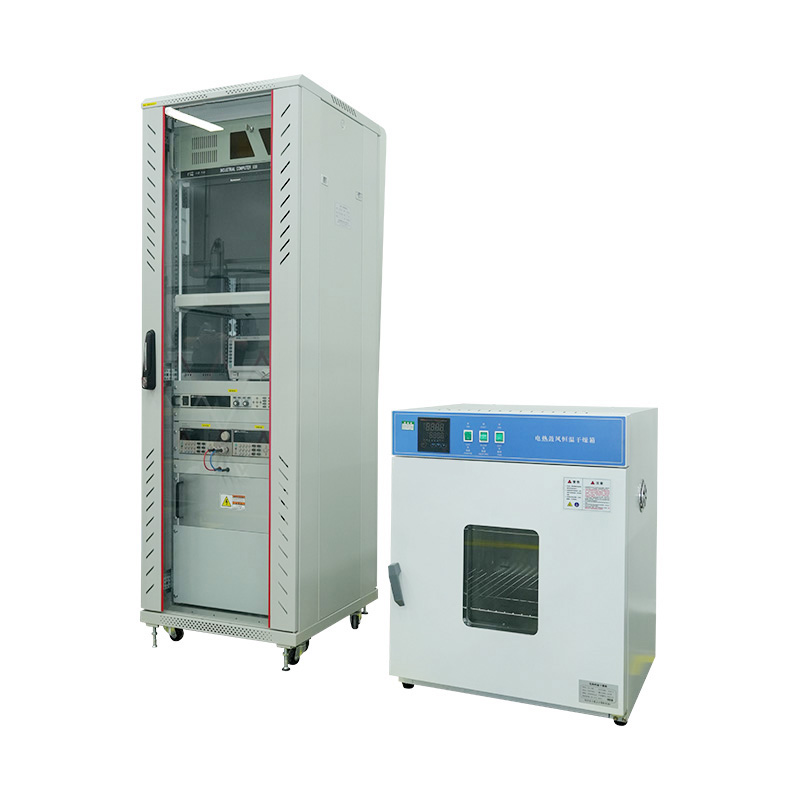
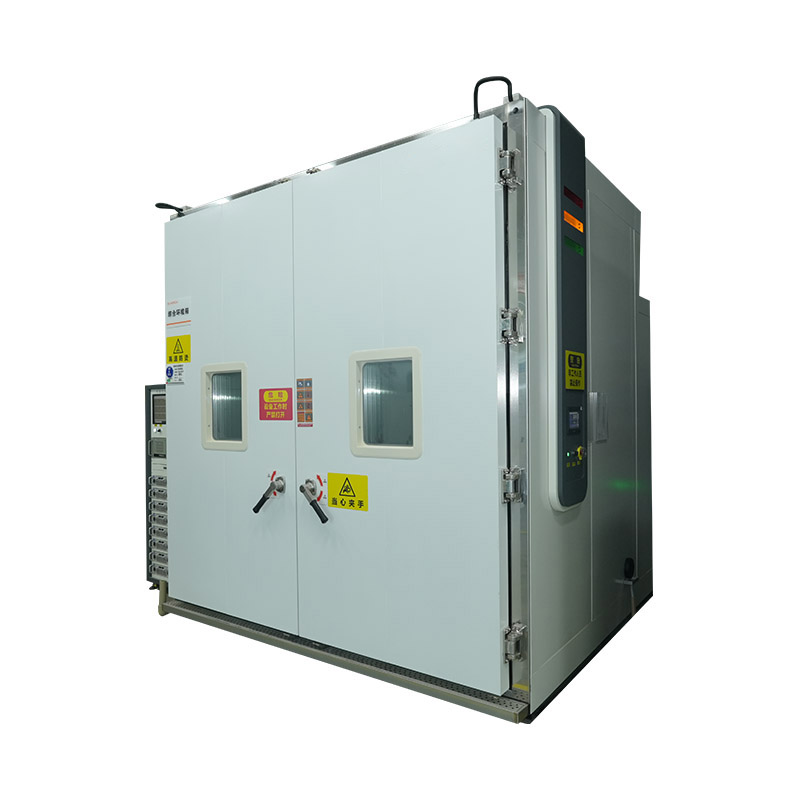
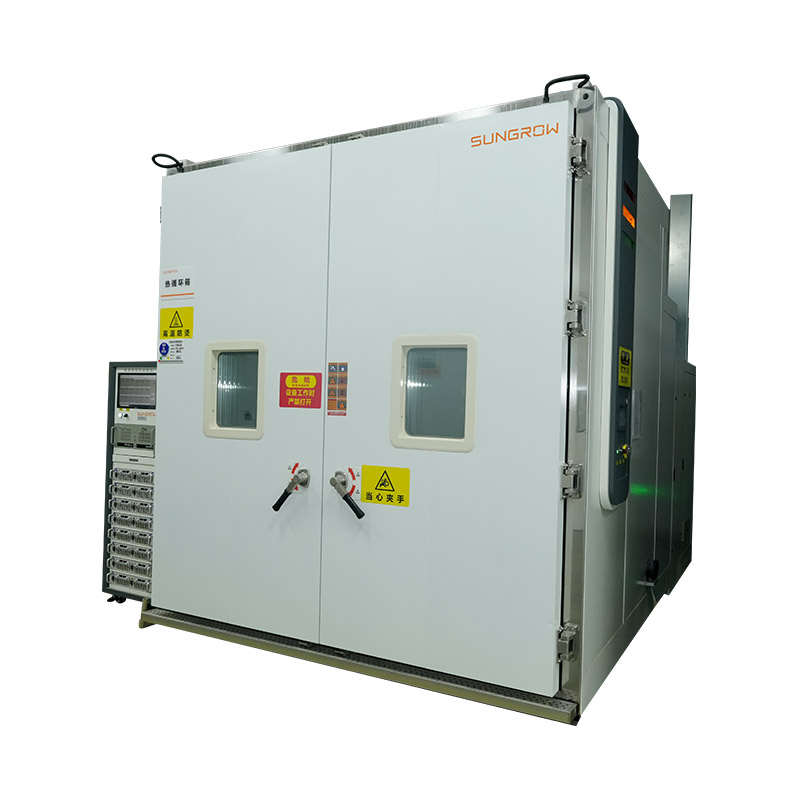
- Environmental simulation chambers are controlled test environments designed to replicate real‑world conditions such as temperature, humidity, pressure, and light to evaluate products, materials, and components.
- They support accelerated life testing by simulating stress factors that products encounter during their lifecycle.
Key Testing Environments Simulated
- Temperature cycling from extreme cold to extreme heat
- Humidity and corrosive environments
- Altitude, UV exposure, and pressure variations
Applications Across Industries
environmental simulation chambers applications in aerospace testing
- Aerospace components are tested under varied altitude, temperature, and pressure changes to ensure reliability during flight conditions.
- These chambers mimic conditions at high altitudes or cabin depressurization to validate safety and performance.:contentReference[oaicite:3]{index=3}
- Chambers are used to validate electronics durability under thermal shock and humidity cycles.
- Automotive sensors and battery packs are tested to meet performance thresholds in real‑world road environments.
Renewable Energy and Material Testing
- Testing solar panel materials against UV and thermal stresses informs design improvements.
- Renewable energy components undergo long‑term environmental durability assessments.
Purchasing and Selection Guidance
how to choose environmental test chamber for electronics reliability
- Assess the required temperature range, humidity control accuracy, and data logging capabilities.
- Consider industry standards and calibration support to ensure consistent repeatability.
Custom vs Standard Solutions
- Standard chambers offer broad applicability for general testing.
- Custom‑built chambers accommodate specialized protocols for unique test profiles.
Selection Criteria Comparison
| Criteria |
Standard Chamber |
Custom Chamber |
| Application Flexibility |
Medium |
High |
| Cost |
Lower |
Higher |
| Test Specificity |
General |
Tailored |
Maximizing Performance & Longevity
environmental simulation chamber maintenance best practices
- Regular calibration ensures accuracy and data integrity.
- Routine cleaning and HVAC checks prevent sensor drift and component wear.
Calibration and Compliance
- Chambers should follow traceable calibration standards to maintain repeatability.
- Compliance with industry testing protocols ensures regulatory acceptance.
Benefits of Environmental Simulation Chambers
benefits of environmental simulation chambers for product durability
- They reveal design weaknesses early, reducing field failures.
- Sustainability gains come from fewer recalls and longer product life.
Long‑Term Reliability and R&D Impact
- Simulated accelerated life tests compress years of use into days or weeks.
- This information feeds back into design enhancements and material selection.
Chamber Performance Comparison
environmental simulation chambers performance comparison guide
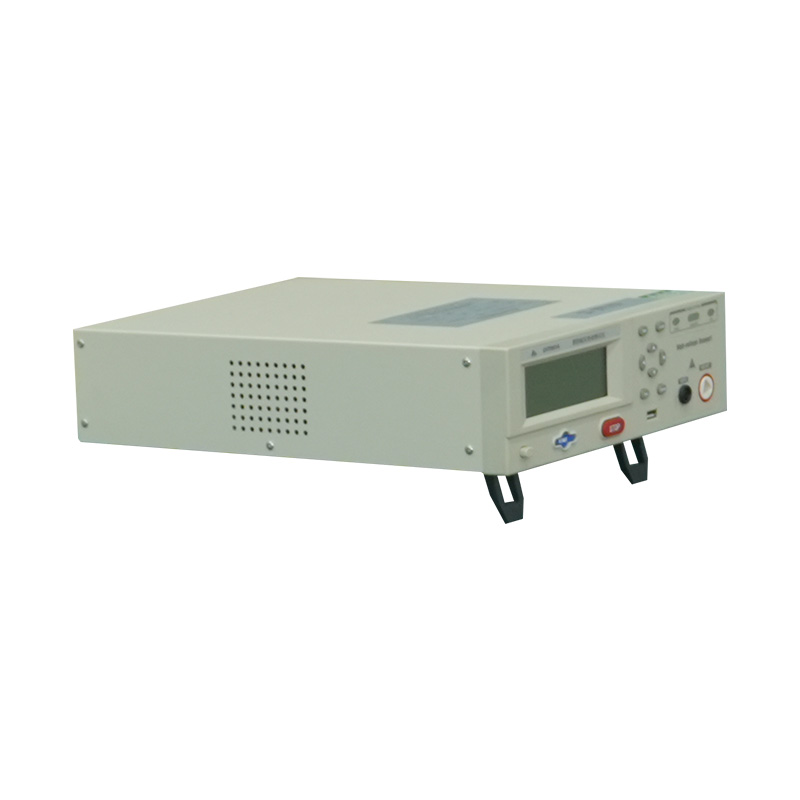
- Key performance metrics include temperature range, humidity accuracy, ramp rate, and control stability.
- Performance impacts repeatability and how closely the simulation matches real‑world conditions.
Performance Metrics Table
| Metric |
Definition |
Importance |
| Temperature Range |
Lowest to highest controlled temperature |
Determines applicability |
| Humidity Precision |
Consistency in relative humidity control |
Affects material stress outcomes |
| Data Logging |
Recorded environmental conditions |
Critical for verification |

FAQs
- What industries benefit most from environmental simulation chambers? Aerospace, automotive, electronics, photovoltaics, and biopharmaceuticals.
- How often should chambers be calibrated? Regular calibration intervals depend on usage but typically follow traceable standards.
- Can environmental simulation chambers simulate UV exposure? Yes, advanced systems can integrate UV and sunlight simulation.
- What is the difference between a standard and custom chamber? Standard chambers suit broad use, while custom designs target specific test profiles.
- Why combine multiple environmental factors? Multi‑factor tests reflect real‑world stresses more accurately, improving product reliability.
 [email protected]
 +86-17712471297






 Building 14, Chuangjin Industrial Park, Zhitang Town, Changshu City, Suzhou City, Jiangsu, China
 +86-17712471297


 EN
EN
 English
 中文简体
中文简体