-
 [email protected]
-
 +86-17712471297
[email protected]
+86-17712471297

In the rapidly evolving photovoltaic (PV) industry, ensuring the long-term durability and performance of solar modules is paramount. A critical tool in this quest for reliability is the Solar Module UV Aging Test Chamber. This specialized equipment simulates the damaging effects of ultraviolet (UV) radiation, allowing manufacturers to predict product lifespan and identify potential failure modes before deployment. This guide delves into the technology, standards, and best practices surrounding these essential test chambers, offering valuable insights for professionals in quality assurance, R&D, and engineering.
Content
Solar modules are exposed to harsh environmental conditions for 25 to 30 years. UV radiation, a component of sunlight, is a primary stressor that can cause significant material degradation.
Accelerated testing in a Solar Module UV Aging Test Chamber helps replicate years of sun exposure in a matter of weeks or months, providing critical data on module resilience[1].
A sophisticated UV aging chamber is more than just a box with UV lamps. It integrates several precise systems to create a controlled and repeatable accelerated aging environment.
The heart of the chamber is its UV light source. Xenon arc lamps are most commonly used as they best simulate the full spectrum of sunlight, including UV, visible, and infrared light. A key challenge is filtering the lamp output to match specific UV spectra required by international standards.
Real-world degradation involves a combination of stresses. Modern chambers integrate precise control over:
Adherence to globally recognized standards ensures test results are comparable, reliable, and accepted across the industry. The solar module UV test standard IEC 61215 is the foundational document, with its specific sequence for UV preconditioning. Another critical protocol is UV aging test for photovoltaic panels IEC 62788-7-2, which provides more detailed procedures for evaluating polymeric materials in modules.
| Standard/Protocol | Primary Focus | Typical UV Exposure | Key Parameters Controlled |
|---|---|---|---|
| IEC 61215 MQT 10 (UV Preconditioning) | Module durability screening | 15 kWh/m² (280-400 nm) | Irradiance, Chamber Temperature (60°C ±5) |
| IEC 62788-7-2 | Polymeric material durability | Varies (e.g., 60-120 kWh/m²) | Spectrum, Irradiance, Temperature, Humidity Cycles |
| ASTM G155 | Non-metallic materials exposure | Cycle-dependent | Spectrum, Irradiance, Temperature, Spray Cycles |
For specialized applications like accelerated UV testing for solar panel encapsulants, parameters are often intensified to focus on the specific degradation pathways of EVA or polyolefin materials.
Choosing a UV chamber for solar panel reliability testing requires careful consideration of technical specifications, compliance, and long-term support.
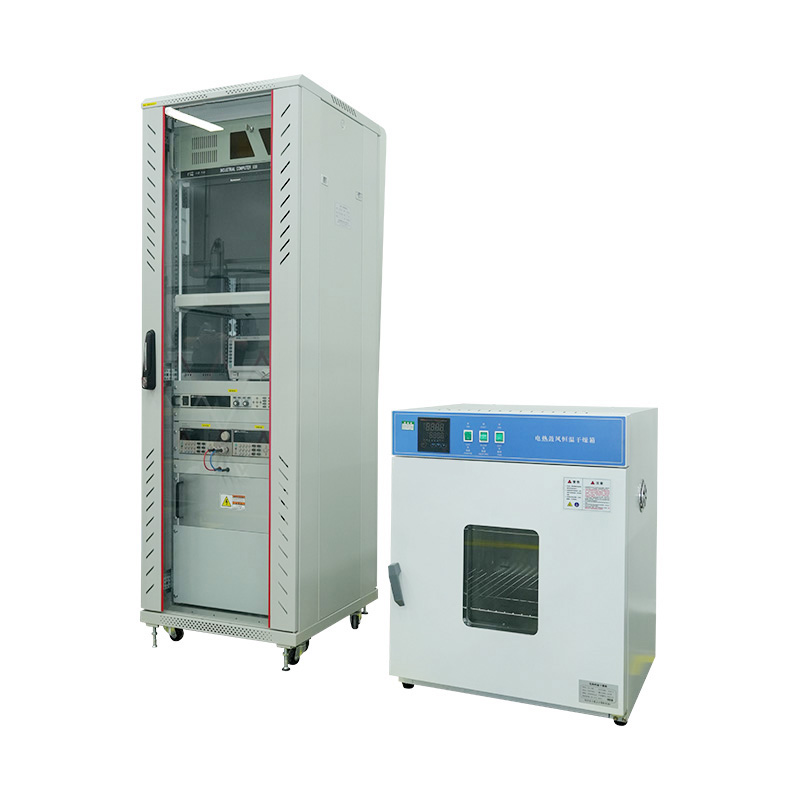
Companies like Shanghai Houyao Testing Equipment Co., Ltd., established in 2012, leverage their team of 47 technical personnel and specialized Suzhou factory to develop advanced solutions. Their focus on independently developed products like high-power photovoltaic UV simulation systems and composite environmental chambers positions them as a provider capable of meeting complex testing needs, from aerospace to photovoltaics, while adhering to premium international standards.
The role of UV testing is expanding with technological advancements.
Chambers are now used for photovoltaic module material UV resistance evaluation at the R&D stage, helping to select next-generation encapsulants, backsheets, and coatings much faster than outdoor testing.
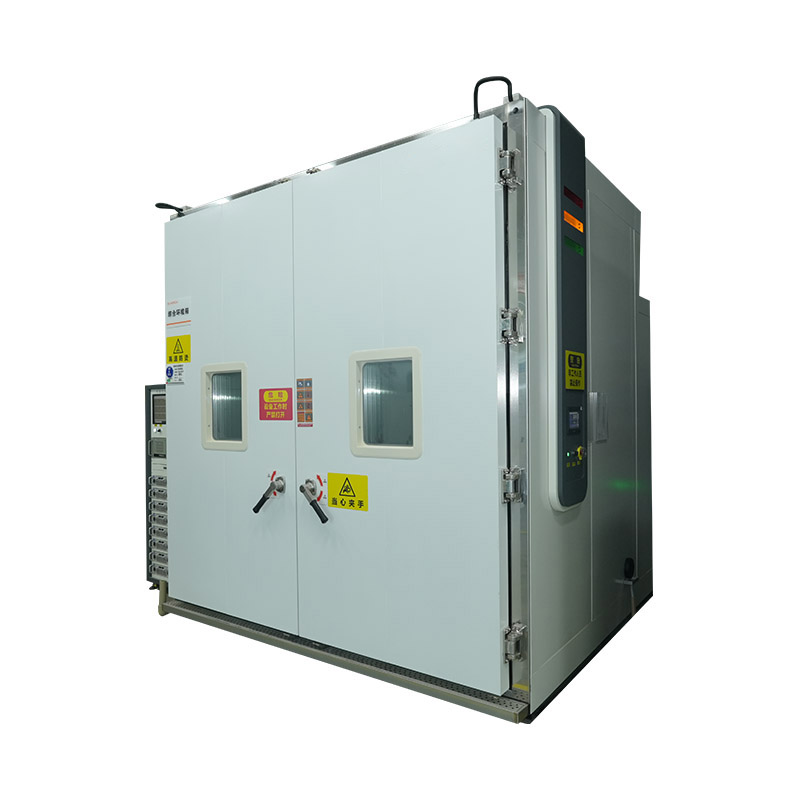
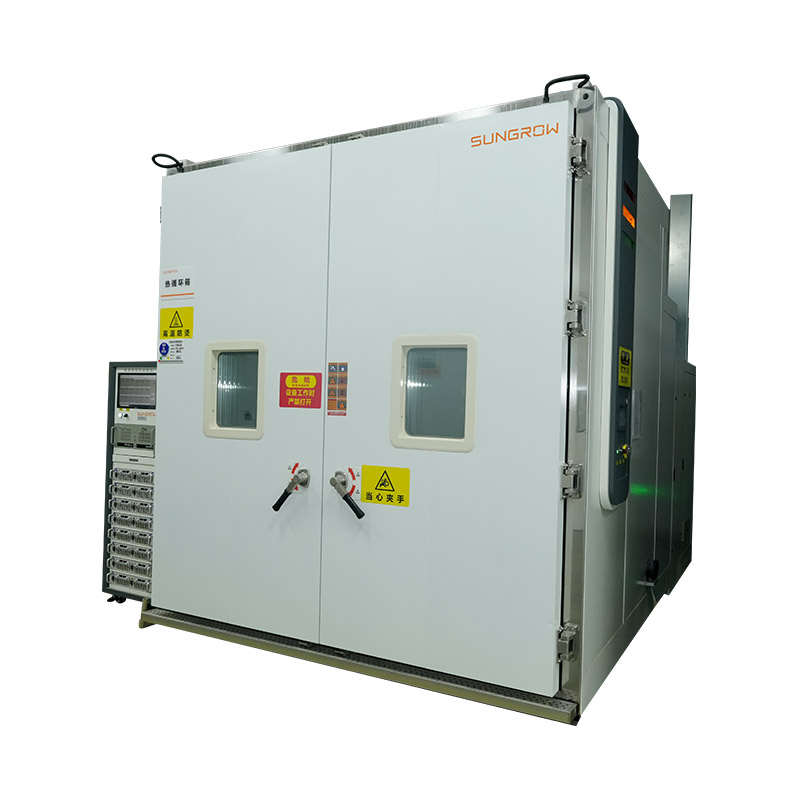
The future lies in combined stress testing. The most advanced chambers, like composite UV/sunlight simulation chambers, can simultaneously or sequentially apply UV radiation, full-spectrum sunlight, temperature extremes, humidity, and even mechanical loading. This provides a more realistic and accelerated assessment of module reliability under real-world conditions.
The UV preconditioning test (MQT 10) is designed to uncover early-life failures related to UV exposure, such as adhesive or encapsulant degradation, before the module undergoes damp heat and thermal cycling tests. It acts as a screening procedure.
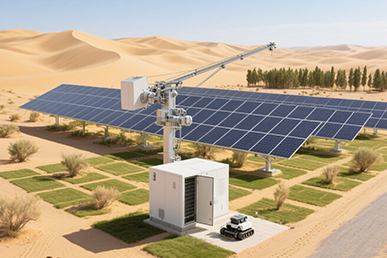
Accelerated tests can compress years of field exposure into weeks. For example, the IEC 61215 UV preconditioning dose of 15 kWh/m² is roughly equivalent to several months of outdoor UV exposure in a desert climate, but at a much higher intensity to accelerate effects.
While specialized for UV, chambers using full-spectrum xenon lamps can help study some LID phenomena. However, dedicated solar module UV test standard IEC 61215 sequences focus on material degradation, not solely cell-based LID like boron-oxygen or LeTID.
UVA (315-400 nm) and UVB (280-315 nm) lamps have different spectral outputs. UVB is more aggressive and causes faster degradation but may not accurately represent terrestrial sunlight. Xenon with appropriate filters is the preferred source for solar simulation as it matches the sun's spectrum including UVA.
Poor uniformity means different areas of a module receive different UV doses, leading to inconsistent and unreliable test results. High uniformity ensures that degradation is due to material properties, not chamber artifacts, allowing for valid comparisons between samples.
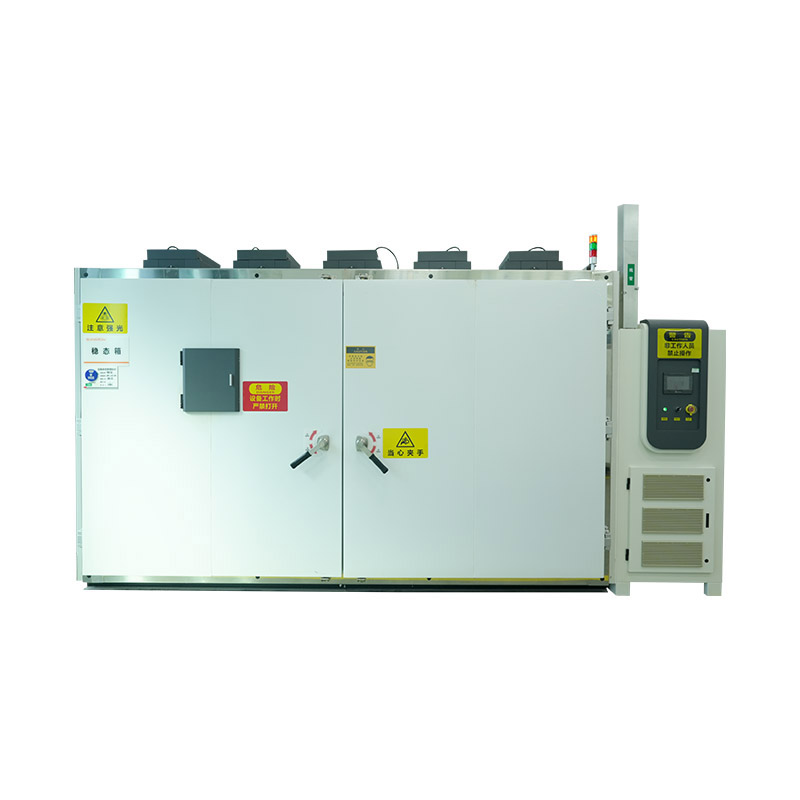
The Solar Module UV Aging Test Chamber is an indispensable asset in the PV industry's toolkit for ensuring product quality and longevity. From validating designs against the solar module UV test standard IEC 61215 to conducting advanced photovoltaic module material UV resistance evaluation, this technology provides the accelerated data needed for innovation and risk mitigation. As the industry pushes for higher efficiencies and longer warranties, the demand for precise, reliable, and comprehensive testing solutions—such as those developed by specialized manufacturers committed to technological excellence—will only continue to grow. Understanding the chamber's functionality, the governing standards, and the selection criteria empowers professionals to make informed decisions that ultimately contribute to more durable and trustworthy solar energy systems.
[1] International Electrotechnical Commission. "IEC 61215-1:2021 Terrestrial photovoltaic (PV) modules - Design qualification and type approval - Part 1: Test requirements." 2021.
[2] International Electrotechnical Commission. "IEC 62788-7-2:2020 Measurement procedures for materials used in photovoltaic modules - Part 7-2: Environmental exposures - Accelerated weathering tests of polymeric materials." 2020.
[3] Wohlgemuth, J., & Kurtz, S. "Reliability Testing Beyond Qualification as a Key Component in Photovoltaic Progress." IEEE Journal of Photovoltaics, 2021.
[4] Pern, J. "Module Encapsulation Materials, Processing and Testing." NREL/TP-520-25288, 1998.



We value your suggestions and questions. If you have any questions about our products and services, please contact us. We will treat you responsibly and reply to your information as soon as possible.
 Building 14, Chuangjin Industrial Park, Zhitang Town, Changshu City, Suzhou City, Jiangsu, China
 +86-17712471297


 EN
EN
 English
 中文简体
中文简体