-
 [email protected]
-
 +86-17712471297
[email protected]
+86-17712471297

In the rapidly advancing solar photovoltaic (PV) industry, ensuring the long-term durability and performance of solar modules is paramount. A critical tool in this endeavor is the Solar Module UV Aging Test Chamber. This sophisticated equipment simulates and accelerates the damaging effects of ultraviolet (UV) radiation, allowing manufacturers to predict product lifespan and improve material design. This comprehensive guide delves into the technology, standards, and applications of UV aging test chambers, providing essential knowledge for professionals in quality assurance, R&D, and manufacturing.
Content
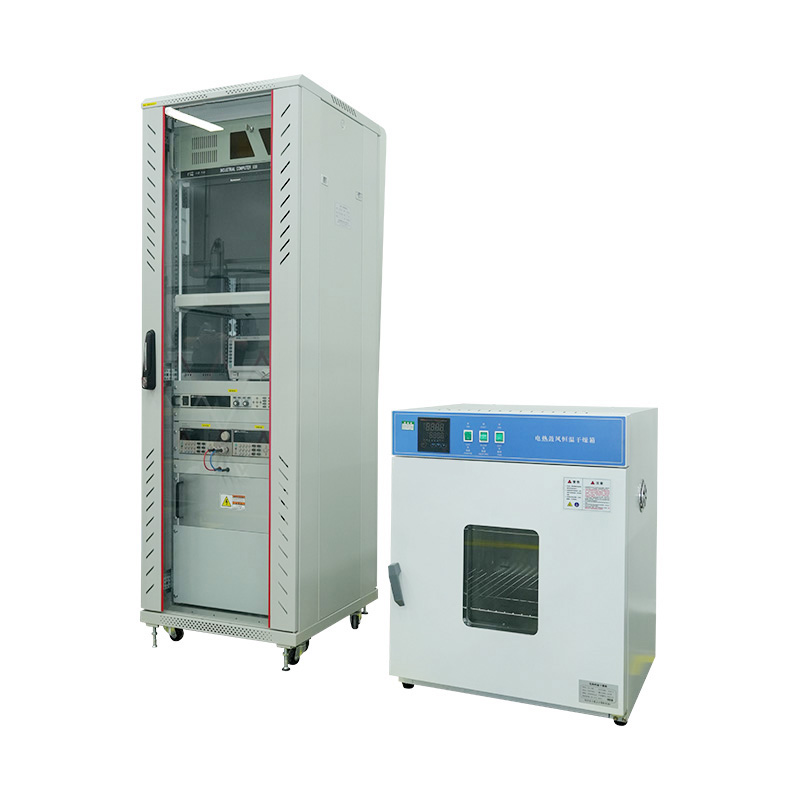
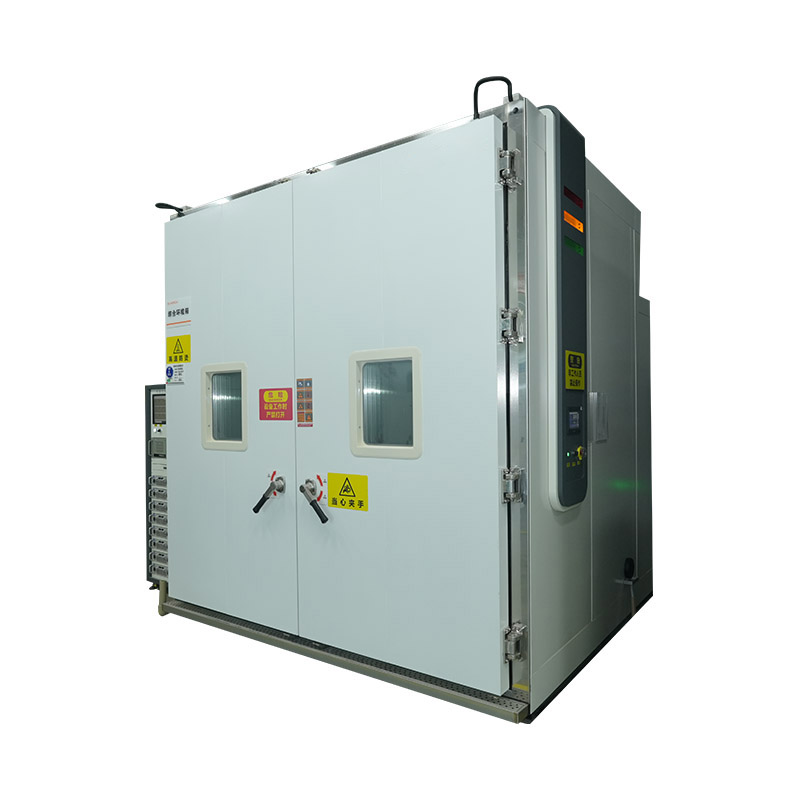
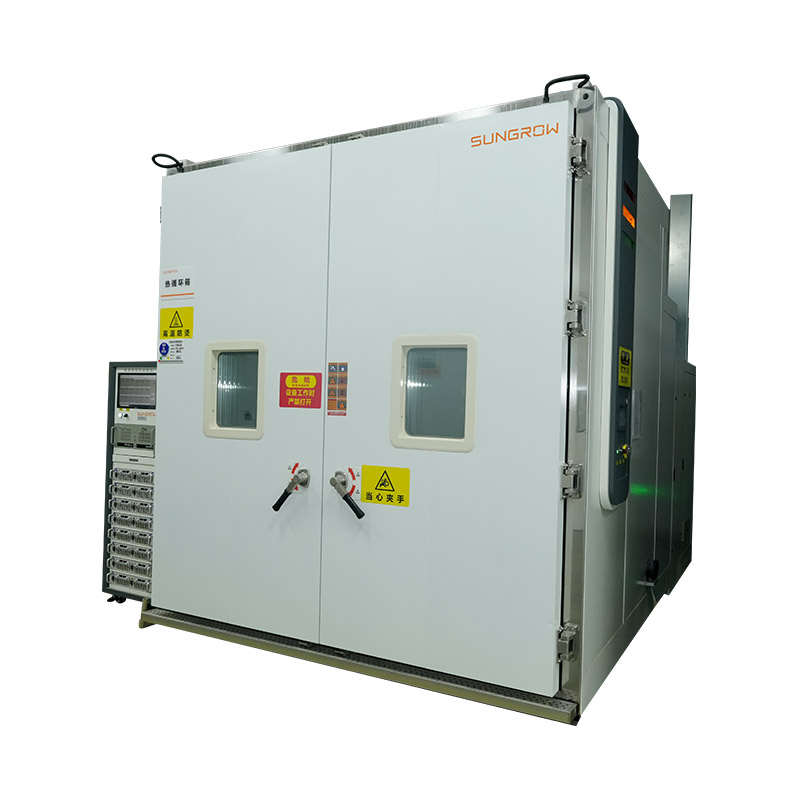
A Solar Module UV Aging Test Chamber is a specialized environmental simulation device designed to expose solar panels to controlled, intense ultraviolet light. The primary goal is to replicate years of sun exposure in a condensed timeframe, identifying potential failures such as encapsulant yellowing, backsheet degradation, delamination, and loss of mechanical or electrical properties.
Adherence to international standards ensures test results are reliable, reproducible, and recognized globally. Several key standards govern UV aging tests for photovoltaic modules.
Understanding specific application scenarios is crucial for selecting the right test protocol. Here, we explore five key long-tail applications that address distinct industry needs.
The backsheet is the first line of defense against environmental stress. Testing focuses on its weatherability and insulation properties.
The encapsulant (typically EVA or POE) bonds the cells and protects them. UV exposure can cause significant degradation.
Choosing the right light source is a fundamental decision. Each has advantages depending on the test objective. While both are effective, their spectral power distribution differs significantly. Xenon arcs offer a full-spectrum light closer to natural sunlight, including visible and infrared. Fluorescent UV lamps concentrate energy in the ultraviolet region, providing a faster acceleration factor for UV-specific damage mechanisms.
| Feature | Xenon Arc Lamp | Fluorescent UV Lamp |
|---|---|---|
| Spectrum | Full spectrum, closely matches sunlight | Peaks in UV regions (UVA, UVB) |
| Test Focus | Overall weathering (UV, heat, moisture) | Primarily UV-induced degradation |
| Acceleration Rate | Moderate, more realistic | High for UV damage |
| Operational Cost | Higher (lamp cost, cooling) | Relatively Lower |
| Best For | Composite stress testing, certification | R&D, material screening, UV aging test chamber for photovoltaic backsheet degradation |
Both methods are vital but serve different purposes in the product development cycle. Outdoor exposure provides real-world data under actual environmental conditions, but it is time-consuming and variable. Chamber testing offers controlled, repeatable, and accelerated conditions to obtain predictive data quickly.
| Aspect | Outdoor Exposure Testing | Chamber Accelerated Testing |
|---|---|---|
| Timeframe | Years | Weeks or Months |
| Conditions | Natural, variable (uncontrolled) | Precisely controlled and repeatable |
| Correlation | Actual field performance | Predicted performance based on acceleration factors |
| Primary Use | Final validation, long-term studies | R&D, quality control, rapid comparison |
Investment in a UV aging test chamber varies significantly based on capabilities. Several key factors influence the overall cost of solar panel UV durability testing equipment.
The field of environmental simulation is constantly evolving. Leading manufacturers are developing solutions to address complex, real-world stress scenarios.
Modern challenges require simulating multiple stresses simultaneously. The latest innovation involves composite UV and composite sunlight simulation chambers. These advanced systems combine UV radiation with other environmental factors like temperature cycling, humidity, and even mechanical load in a single, integrated test sequence. This provides a more accurate and harsh simulation of actual operating environments, leading to better product reliability predictions.
As module sizes and power ratings increase, so does the need for powerful, uniform irradiation. State-of-the-art systems, such as 2000W and 4000W photovoltaic UV and sunlight simulation systems, are now available to ensure large-area modules or multiple samples receive consistent and adequate irradiance levels for valid testing.
Choosing a UV aging test chamber requires careful consideration of your specific testing needs and standards compliance.
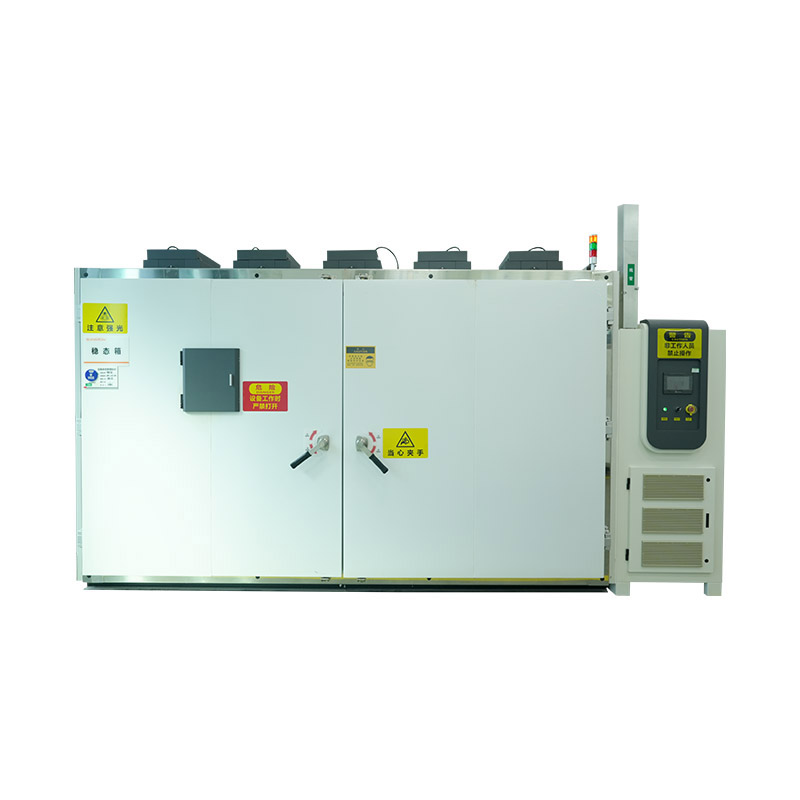
With over a decade of specialization, Shanghai Houyao Testing Equipment Co., Ltd. has established itself as a key player in the niche field of large-scale environmental and optical simulation. Since its establishment in 2012 and the expansion of its production capabilities with a Suzhou factory in 2017, the company has focused on attracting top technical talent. This commitment to R&D has resulted in a portfolio of advanced, independently developed products, including low-pressure test chambers, full-vehicle sunlight simulation chambers, and high-power 2000W/4000W photovoltaic simulation systems.
Shanghai Houyao's strength lies in its ability to innovate and fill industry gaps. Recognizing the need for more realistic testing, the company has pioneered the development of composite optical and environmental simulation products. Their composite UV and composite sunlight simulation chambers are prime examples, allowing for simultaneous application of multiple stressors. Adhering to stringent international premium standards, Shanghai Houyao's equipment serves critical roles in the aerospace, automotive electronics, photovoltaics, biopharmaceuticals, and energy storage sectors. Guided by principles of integrity and a people-oriented approach, the company remains dedicated to providing tailored solutions that meet the evolving accelerated weathering test for solar panel encapsulant and other durability assessment needs of its global clientele.
The duration varies by standard and objective. A common UV preconditioning test per IEC 61215 involves 15 kWh/m² of UV exposure, which typically takes a few days in a chamber. More comprehensive durability studies can run for hundreds or thousands of hours.
Not an exact lifetime, but it provides a highly reliable comparative assessment. By establishing acceleration factors based on known failure modes, engineers can extrapolate field performance and rank materials or designs for their durability.
Lamp replacement intervals depend on the type (xenon or fluorescent) and usage hours. Manufacturers provide recommended life spans (e.g., 1500-2000 hours for xenon arcs). Regular radiometric calibration is more critical and should be performed frequently to ensure test consistency.
Absolutely. Temperature and humidity are critical accelerating factors. Most degradation mechanisms are thermo-oxidative, meaning the combination of UV light, heat, and moisture accelerates reactions like hydrolysis and photo-oxidation far more than UV light alone.
The main advantage is realistic simulation. A composite chamber can apply UV, temperature cycles, humidity, and sometimes rain or salt spray in concert, mirroring the synergistic stress encountered in nature. This often reveals failure mechanisms that single-stress tests might miss.
[1] International Electrotechnical Commission. (2016).IEC 61215-1:2016 Terrestrial photovoltaic (PV) modules - Design qualification and type approval - Part 1: Test requirements.
[2] International Electrotechnical Commission. (2020).IEC 62788-7-2:2020 Measurement procedures for materials used in photovoltaic modules - Part 7-2: Environmental exposures - Accelerated weathering tests of polymeric materials.

We value your suggestions and questions. If you have any questions about our products and services, please contact us. We will treat you responsibly and reply to your information as soon as possible.
 Building 14, Chuangjin Industrial Park, Zhitang Town, Changshu City, Suzhou City, Jiangsu, China
 +86-17712471297


 EN
EN
 English
 中文简体
中文简体