-
 [email protected]
-
 +86-17712471297
[email protected]
+86-17712471297

Content
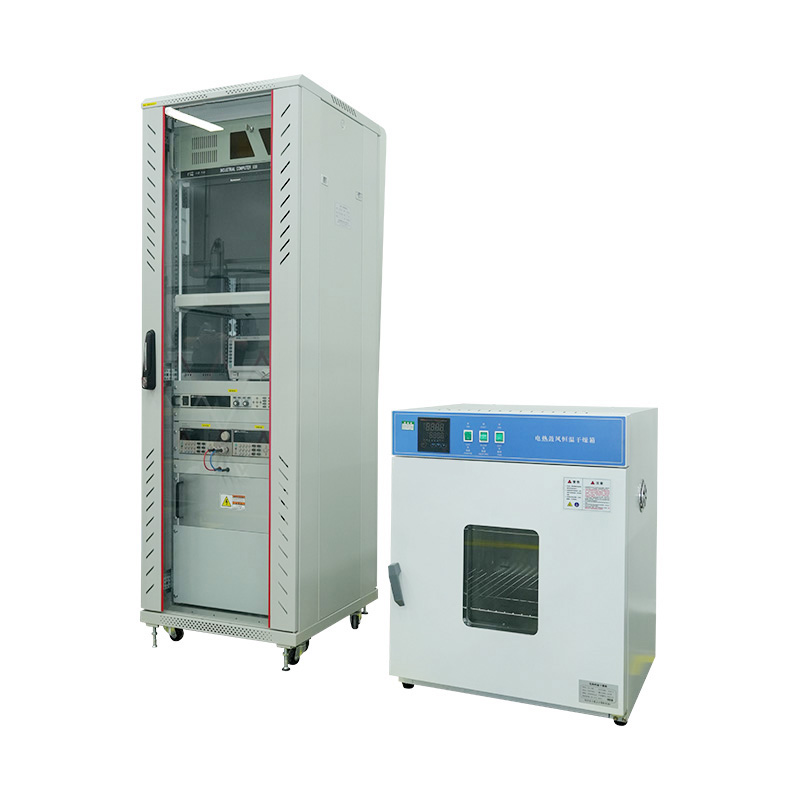
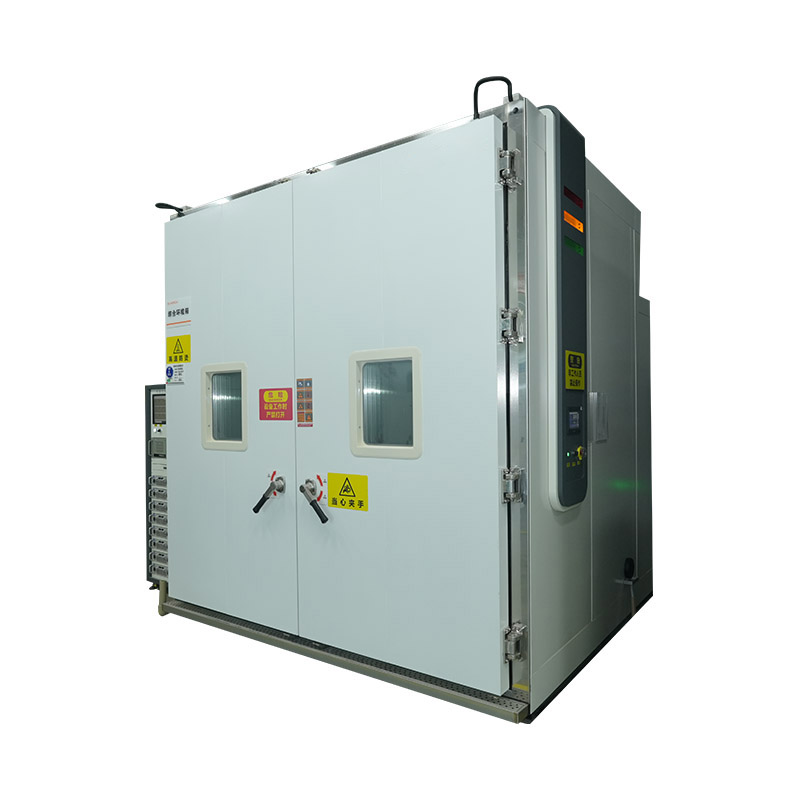
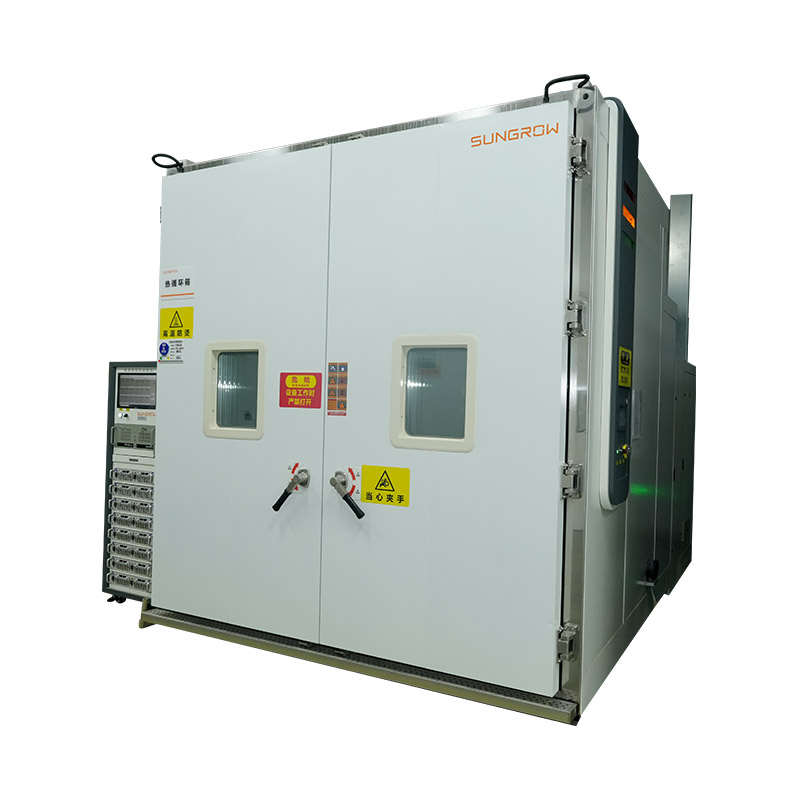
A solar module UV aging test chamber is the standard tool used to simulate years of outdoor ultraviolet exposure in a controlled laboratory environment, allowing manufacturers and certification bodies to quantify photodegradation before a module ever reaches a rooftop or field installation. The core finding from long-term field data is unambiguous: UV-induced degradation accounts for a significant share of the power loss observed in modules older than five years, with encapsulant yellowing, backsheet embrittlement, and delamination at the cell-encapsulant interface all tracing back to photochemical damage that UV aging chambers are specifically designed to accelerate and measure.
For a 25- to 30-year warranty to be technically credible, module designs must pass standardized UV pre-conditioning as part of the IEC 61215 and IEC 61730 sequences. The UV aging chamber is the instrument that generates the irradiation dose required by those sequences — making it not optional equipment for any serious quality assurance laboratory or R&D program.
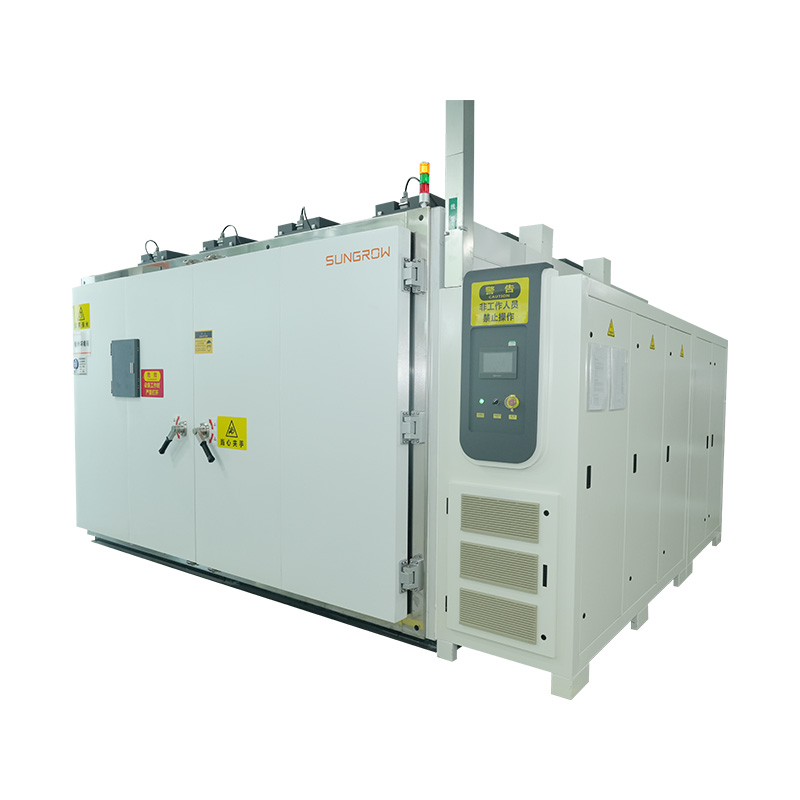
The chamber exposes full-size or coupon-scale solar modules to a controlled UV spectrum, typically covering the 280–400 nm range, at elevated irradiance levels that compress years of outdoor exposure into days or weeks. The key operating parameters are:
At the end of the UV exposure sequence, modules are evaluated for visual defects (yellowing, delamination, bubbling), peak power loss (typically pass criterion: ≤5% Pmax reduction), and insulation resistance, before being re-routed to subsequent environmental stress tests.
Multiple international standards reference UV aging as a mandatory or conditional test step. Understanding which standard applies to which product type prevents costly re-testing during certification audits.
| Standard | Applicable Module Type | UV Dose Requirement | Spectrum / Lamp |
|---|---|---|---|
| IEC 61215-2 MQT 10 | Crystalline silicon (c-Si) | 15 kWh/m² (280–385 nm) | UVA-340 or filtered xenon |
| IEC 61646 MQT 10 | Thin-film modules | 15 kWh/m² (280–385 nm) | UVA-340 or filtered xenon |
| IEC 61730-2 MST 54 | All module types (safety) | Aligned with IEC 61215 sequence | As per 61215 |
| IEC 62788-7-2 | Encapsulant materials | Up to 60 kWh/m² (extended) | UVA-340 |
| UL 61730 / UL 1703 | North American market modules | Equivalent to IEC 61215 MQT 10 | UVA-340 or equivalent |
Beyond the minimum IEC dose, manufacturers developing bifacial modules, Building-Integrated PV (BIPV) products, or modules with novel polymer backsheets often run proprietary extended UV sequences at 30–120 kWh/m² to validate material performance claims that exceed the baseline certification threshold.
Not all UV aging chambers deliver equivalent results. Several design variables have a measurable impact on test reproducibility and correlation with real-world outdoor degradation:
Spatial non-uniformity above ±10% introduces dose gradients across a 2 m × 1 m module, meaning different zones accumulate different UV loads and the recorded total dose understates the maximum local exposure. High-quality chambers achieve ±5% or better uniformity verified by a calibrated UV radiometer grid measurement during commissioning and after lamp replacement.
UVA-340 fluorescent lamps lose approximately 20–30% of their initial UV output after 1,500 hours of operation. Chambers without closed-loop irradiance control either under-dose specimens as lamps age or require frequent manual recalibration. Closed-loop control using an in-situ UV sensor adjusting lamp power maintains the setpoint irradiance throughout the lamp's service life and eliminates a major source of inter-laboratory variability.
Photochemical degradation rates in EVA and POE encapsulants are temperature-dependent, following Arrhenius kinetics. A 10°C rise in specimen temperature during UV exposure can increase degradation rate by a factor of 1.5 to 2.0, so chambers without active temperature control or with poor airflow distribution produce results that are artificially accelerated relative to the intended test condition. Precise BPT control at 60°C ± 3°C, enforced by uniform forced-air circulation across the specimen rack, is the baseline requirement for reproducible results.
Standard IEC 61215 certification requires testing full-size modules (typically 1.7 m × 1.0 m to 2.2 m × 1.1 m for current high-wattage products). Chambers with an exposure area of at least 2.4 m × 1.2 m accommodate current large-format modules without requiring sample cutting, which would invalidate results for encapsulant and backsheet integrity assessment. For high-volume R&D screening, multi-module configurations with 4–6 specimen positions in a single chamber significantly reduce per-sample test cost.
Post-UV inspection generates several interconnected data points that must be read together rather than in isolation:
For material development programs, UV aging chambers are frequently integrated with FTIR spectroscopy analysis of extracted encapsulant samples, tracking carbonyl peak growth at 1740 cm⁻¹ as a molecular-level marker of EVA photo-oxidation — providing mechanistic insight rather than just pass/fail outcomes.
Selecting the right chamber for a quality assurance or R&D application involves balancing technical capability, throughput, and long-term operating cost. The following checklist covers the parameters that most frequently differentiate chamber performance in practice:
List prices for production-grade solar module UV aging chambers with full-size module capacity and closed-loop control typically range from USD 18,000 to USD 55,000 depending on exposure area, lamp count, and automation level. Operating cost — primarily lamp replacement at 1,500–2,000 hour intervals — runs approximately USD 800–1,500 per lamp set depending on lamp count and supplier pricing.

We value your suggestions and questions. If you have any questions about our products and services, please contact us. We will treat you responsibly and reply to your information as soon as possible.
 Building 14, Chuangjin Industrial Park, Zhitang Town, Changshu City, Suzhou City, Jiangsu, China
 +86-17712471297


 EN
EN
 English
 中文简体
中文简体