-
 [email protected]
-
 +86-17712471297
[email protected]
+86-17712471297

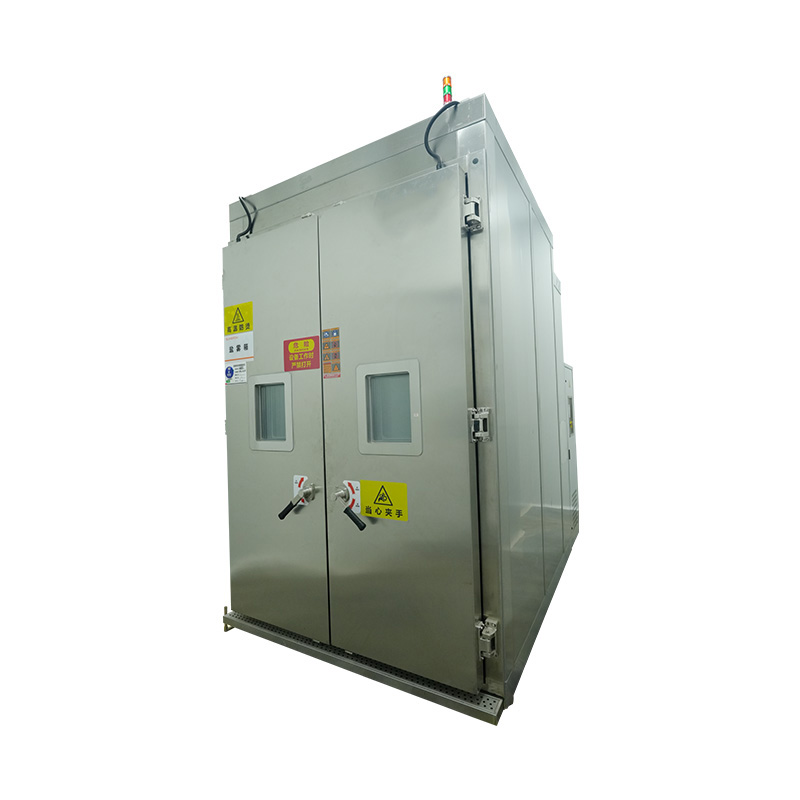
A salt mist corrosion test chamber provides the most reproducible and accelerated method to validate the long-term durability of photovoltaic modules in marine, coastal, and high-humidity environments. By generating a controlled 5% sodium chloride fog at 35°C, the chamber compresses years of natural salt exposure into weeks, exposing potential failures in frames, glass seals, and junction boxes before modules reach the field. This direct feedback loop allows manufacturers to certify compliance with IEC 61701 and engineer solar panels that survive real-world corrosive stress.
Content
Chloride ions from atmospheric salt act as a persistent electrolyte, attacking the aluminium frame, cell metallization, and conductive ribbons. In coastal PV installations, the annual corrosion rate of unprotected metal components can be 10 to 20 times higher than in inland areas. A single microscopic breach in the anodized layer of a solar panel frame creates a galvanic cell when coupled with stainless steel fasteners, leading to pitting, edge delamination, and eventual moisture ingress into the laminate.
Junction box failures are another common consequence. Salt deposits bridge live conductors, triggering leakage currents and diode short-circuits. Without a rigorous salt mist test, these degradation mechanisms may remain hidden until the module’s power output drops below the warranty threshold, often after 5 to 8 years of operation in a salt-laden atmosphere.
International test protocols define the severity and duration of salt fog exposure for photovoltaic products. The table below aligns the most commonly referenced standards with their primary test objectives.
| Standard | Test Duration | Key Focus Area |
|---|---|---|
| IEC 61701 | 56 to 672 hours | Module corrosion resistance under full salt spray |
| IEC 60068-2-52 | Cyclic, up to 28 days | Components and enclosures in alternating salt mist and humidity |
| ISO 9227 | 24 to 1000+ hours | General neutral salt spray baseline for metallic materials |
IEC 61701 is the direct PV-specific standard, often requiring a minimum of 56 hours for initial qualification, with extended tests reaching 672 hours to simulate decades of severe marine exposure. Compliance is demonstrated when the module exhibits no major visual defects and retains at least 95% of its initial power after the test sequence.
The chamber must maintain a stable fog dispersion with a condensate collection rate of 1.0 to 2.0 mL per 80 cm² per hour. The sodium chloride solution is prepared at 5% concentration by mass with a controlled pH between 6.5 and 7.2 at 25°C. Using deionized water of conductivity below 20 µS/cm prevents unwanted chemical interactions that could skew corrosion patterns.
The chamber interior is set to 35°C ± 2°C. Temperature gradients across the test space must not exceed 2°C, as hotspots accelerate evaporation and alter the surface wetness time of the photovoltaic samples. A properly sized chamber uses a bubble tower or atomizer with a non-clogging nozzle, combined with an indirect heating system, to avoid direct radiant heat on the module surface.
When PV modules are exposed to a salt fog environment for even a moderate 200 hours, several distinct failure mechanisms can surface:
In one documented case, a batch of commercial modules rated for coastal use showed a 7.2% power drop after 480 hours of neutral salt spray, traced directly to corroded ribbon interconnects. Without this chamber validation, the modules would have been deployed in offshore floating solar farms, leading to costly underperformance.
Choosing the right equipment means matching chamber specifications to the physical dimensions of full-size panels and the throughput required. Consider the following checklist when specifying a salt mist corrosion test chamber for photovoltaic modules:
A well-specified chamber delivers repeatable fog patterns and validates that every module under test receives identical corrosive stress. This consistency is what turns a salt mist corrosion test chamber for PV modules from a quality check tool into a true engineering asset, enabling data-driven improvements in materials, coatings, and edge seal designs that will define the next generation of durable solar technology.




We value your suggestions and questions. If you have any questions about our products and services, please contact us. We will treat you responsibly and reply to your information as soon as possible.
 Building 14, Chuangjin Industrial Park, Zhitang Town, Changshu City, Suzhou City, Jiangsu, China
 +86-17712471297


 EN
EN
 English
 中文简体
中文简体