-
 [email protected]
-
 +86-17712471297
[email protected]
+86-17712471297

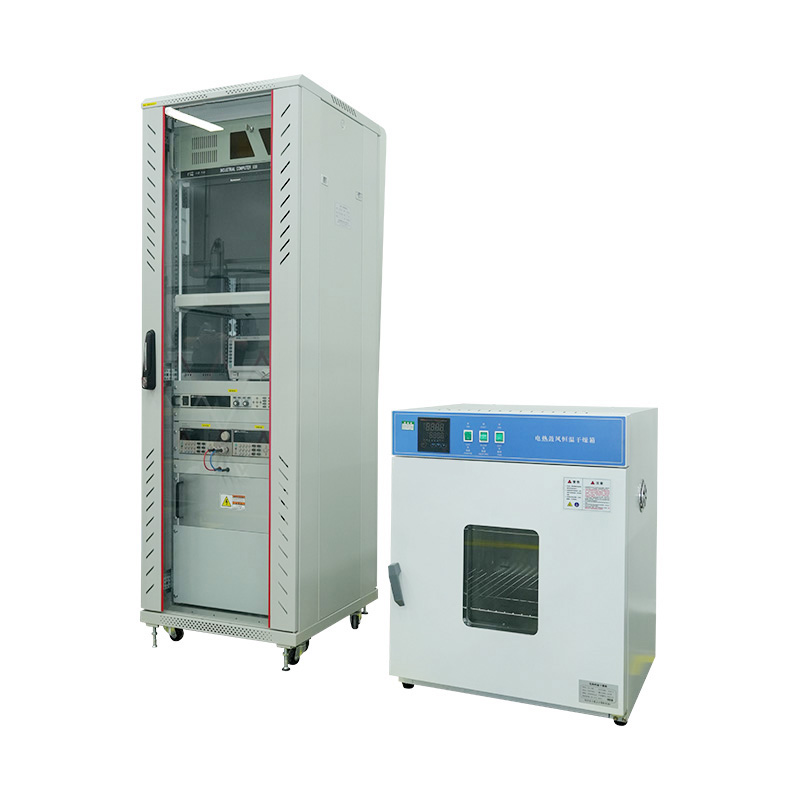
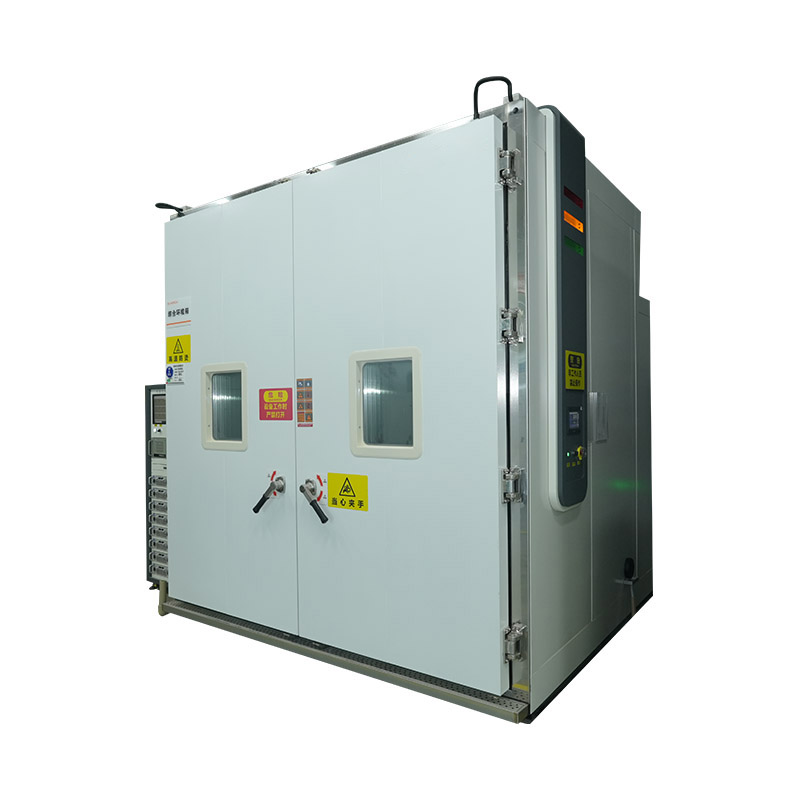
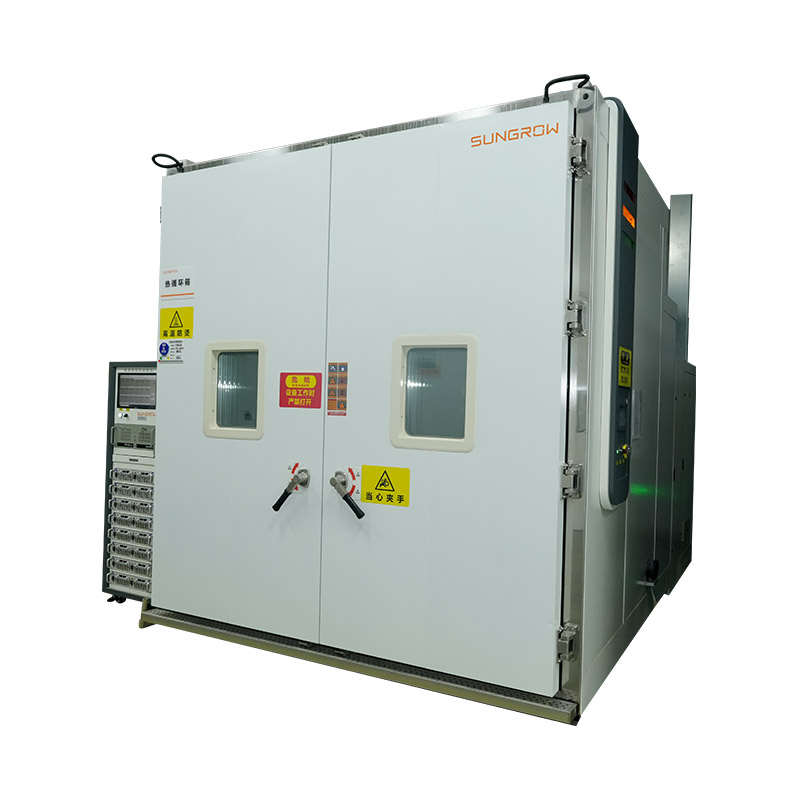
PV module testing chambers are essential equipment for validating the long-term reliability of solar panels before they enter the field. The three most critical chamber types—damp heat test chambers, UV aging test chambers, and humidity freeze test chambers—each simulate a specific degradation mechanism that modules will encounter over a 25–30 year service life. Together, they form the core of the IEC 61215 and IEC 61730 qualification test sequences required by international certification bodies. Selecting the right chamber specifications and understanding what each test reveals about module failure modes allows manufacturers, test laboratories, and procurement engineers to make confident decisions about product quality.
Content
Solar panels are exposed to some of the harshest environmental conditions of any mass-produced consumer product. A rooftop installation in a humid tropical climate may experience daily temperature swings of 40°C, sustained UV irradiance exceeding 1,000 W/m², and relative humidity above 85% for months at a time. A utility-scale installation in a desert environment adds thermal cycling stress from extreme daytime heat followed by cold nights.
Field failures in PV modules are expensive. Replacing a single panel in a utility array can cost $150–$400 including labor and logistics, and degradation that reduces power output by even 0.5% per year beyond the warranted rate has significant financial impact over a 30-year asset life. Accelerated aging chambers compress years of field exposure into days or weeks of controlled laboratory stress, enabling manufacturers to identify weak points in encapsulant adhesion, cell metallization, junction box sealing, and frame integrity before products ship.
The IEC 61215 standard—the primary international qualification framework for crystalline silicon and thin-film modules—mandates specific chamber-based tests as pass/fail requirements. Modules that fail these tests cannot be certified, and uncertified modules are excluded from most utility and commercial procurement processes.

The damp heat test is widely regarded as the most demanding single chamber test in the PV qualification sequence. It directly targets the moisture ingress pathways that lead to the most common and economically significant field failure modes in crystalline silicon modules.
Per IEC 61215-2, the damp heat test requires modules to be exposed to 85°C temperature and 85% relative humidity (RH) for 1,000 continuous hours—a condition commonly referred to in the industry as "85/85." This combination accelerates moisture diffusion through encapsulant materials at a rate approximately 50–100 times faster than average outdoor conditions, effectively simulating several decades of humid climate exposure in under six weeks.
To pass, a module must meet all of the following after completing the 1,000-hour soak:
The 85/85 condition specifically stresses encapsulant integrity—particularly EVA (ethylene vinyl acetate) and POE (polyolefin elastomer) films that bond the cells to the front glass and rear backsheet. Moisture ingress through these layers causes acetic acid formation in EVA encapsulants, which attacks silver cell contacts, corrodes busbars, and degrades the electrical performance of cell interconnects.
Modules with inadequate edge sealing, improperly cured encapsulant, or substandard junction box gaskets show measurable insulation resistance drops within the first 200–300 hours of damp heat exposure. This makes the test highly effective at screening out manufacturing quality issues before field deployment.
Ultraviolet radiation is responsible for a distinct and significant category of PV module degradation that the damp heat test does not capture. UV aging test chambers simulate cumulative solar UV exposure to assess encapsulant discoloration, backsheet brittleness, and surface coating degradation.
IEC 61215-2 specifies UV preconditioning before thermal cycling and humidity freeze tests. The standard UV test requires a total UV dose of 15 kWh/m² in the 280–400 nm wavelength band, with at least 5 kWh/m² in the 280–320 nm (UV-B) sub-band. Chamber temperature is maintained at 60°C ± 5°C during irradiation to replicate the combined thermal and photochemical stress of outdoor exposure.
For more demanding extended UV testing—used in research and for modules targeting markets with high annual UV index such as Australia, the Middle East, or high-altitude installations—cumulative doses of 60–120 kWh/m² are applied to simulate 10–20 years of field UV exposure.
UV aging chambers for PV testing use one of two primary lamp technologies, each with distinct advantages:
Irradiance uniformity across the test plane must be within ±15% per IEC requirements, necessitating regular lamp calibration using a calibrated UV radiometer traceable to national standards.
The humidity freeze test combines high humidity exposure with sub-zero temperature cycling to simulate the damaging effects of freeze-thaw cycles on moisture-laden module structures. It is particularly relevant for modules deployed in temperate and continental climates where winter temperatures regularly drop below 0°C following periods of high humidity.
The IEC 61215-2 humidity freeze sequence consists of the following steps, repeated for 10 cycles:
Pass criteria mirror those of the damp heat test: Pmax degradation must not exceed 5%, no critical visual defects, and insulation resistance must remain above baseline thresholds.
The volumetric expansion of water as it freezes (approximately 9% expansion by volume) generates mechanical stress within the module laminate. This stress is concentrated at interfaces between materials with different thermal expansion coefficients—particularly at cell-to-encapsulant interfaces, along busbar solder joints, and at the junction box adhesive bond.
| Chamber Type | Test Conditions | Duration | Primary Failure Modes Detected | IEC Standard Reference |
|---|---|---|---|---|
| Damp Heat Test Chamber | 85°C / 85% RH | 1,000 hours | Encapsulant delamination, busbar corrosion, insulation breakdown | IEC 61215-2 MQT 13 |
| UV Aging Test Chamber | 15 kWh/m² UV dose, 60°C | Variable (dose-based) | Encapsulant yellowing, backsheet chalking, AR coating loss | IEC 61215-2 MQT 10 |
| Humidity Freeze Test Chamber | 85°C/85% RH → −40°C, 10 cycles | ~10 days (10 cycles) | Delamination, solder fatigue, frame seal cracking | IEC 61215-2 MQT 12 |
The three chamber-based tests do not operate in isolation. IEC 61215 organizes them within a sequential testing flow where UV preconditioning, thermal cycling, and humidity-based tests interact to reveal cumulative degradation that no single test captures alone.
The standard test sequence relevant to these chambers proceeds as follows:
This sequential structure is intentional. UV preconditioning weakens adhesive bonds and encapsulant crosslink density, making the module more susceptible to the mechanical stresses of subsequent thermal cycling and humidity freeze tests. A module that passes damp heat in isolation but fails after the full sequential exposure reveals latent quality issues that single-test protocols would miss.
Procurement of PV module testing chambers requires careful evaluation beyond basic temperature and humidity range specifications. The following parameters directly affect test accuracy, throughput, and total cost of ownership.
| Parameter | Damp Heat Chamber | UV Aging Chamber | Humidity Freeze Chamber |
|---|---|---|---|
| Temperature Uniformity | ±0.5°C | ±2°C | ±1°C |
| Humidity Accuracy | ±2% RH | N/A | ±3% RH |
| Minimum Internal Dimension | 1,500 × 1,000 mm | 1,200 × 800 mm | 1,500 × 1,000 mm |
| Cooling Speed | Not critical | Not applicable | ≥100°C/hour |
| Data Logging | Continuous, ≤5 min interval | UV dose integration required | Continuous, ≤1 min interval |
| Calibration Requirement | Annual NIST-traceable calibration | Per-test lamp irradiance verification | Annual NIST-traceable calibration |
IEC 61215 qualification represents a minimum bar for market access, not a guarantee of 25-year field performance. The industry has developed supplementary test protocols that use the same three chamber types at more demanding conditions to better predict long-term reliability.
Large-scale independent test laboratories such as TÜV Rheinland, UL Solutions, and PVEL (PV Evolution Labs) publish annual scorecards ranking module manufacturers by performance on these extended test sequences. Modules in the top quartile of PVEL's Scorecard consistently show damp heat degradation below 2% and humidity freeze degradation below 1.5% after extended test sequences—providing a data-backed benchmark for procurement decisions.




We value your suggestions and questions. If you have any questions about our products and services, please contact us. We will treat you responsibly and reply to your information as soon as possible.
 Building 14, Chuangjin Industrial Park, Zhitang Town, Changshu City, Suzhou City, Jiangsu, China
 +86-17712471297


 EN
EN
 English
 中文简体
中文简体