-
 [email protected]
-
 +86-17712471297
[email protected]
+86-17712471297

In the realm of environmental reliability testing, the damp heat test chamber stands as a critical tool for validating the long-term durability of products. Whether it is a semiconductor chip, an automotive control unit, or a high-performance solar panel, moisture is a silent predator that can cause catastrophic failures through corrosion, insulation breakdown, and physical swelling. To ensure product integrity in humid environments, manufacturers rely on two primary methodologies: Steady State Damp Heat Testing and Cyclic Damp Heat Testing. Understanding the technical nuances between these methods and the hardware required to perform them is essential for any quality assurance professional.
Content
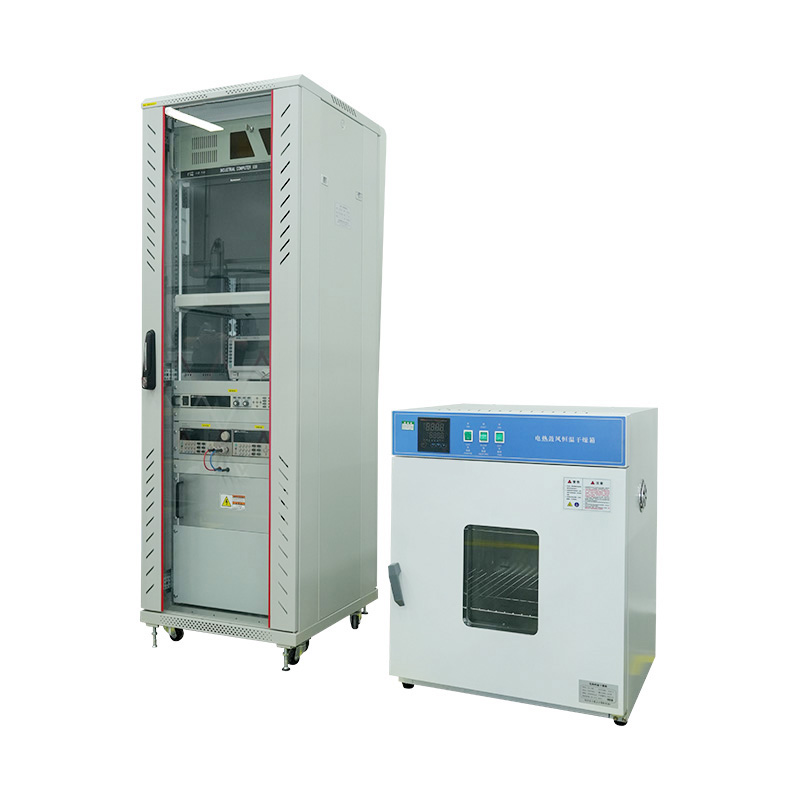
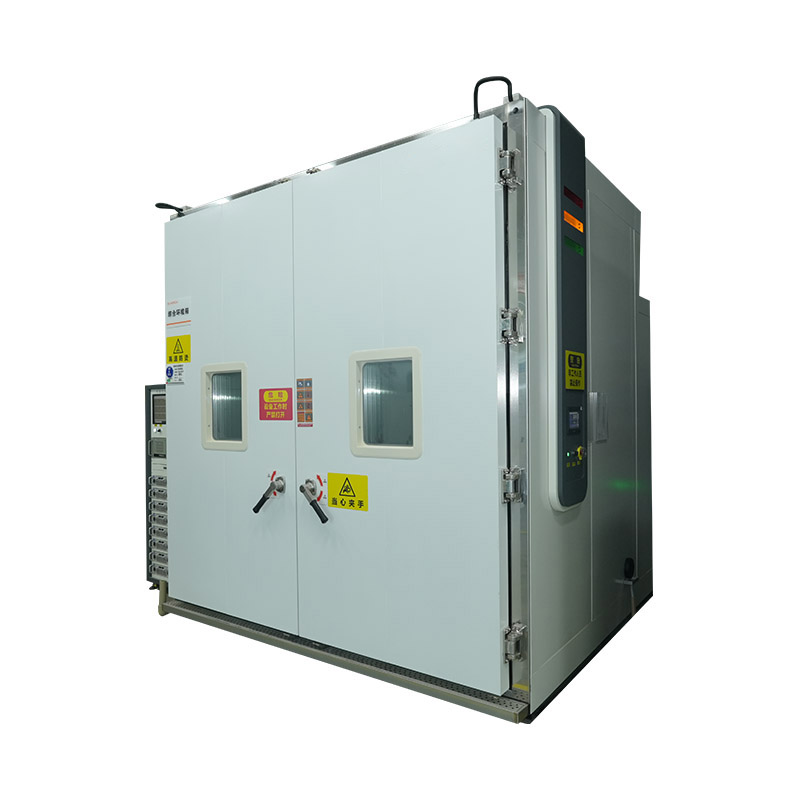
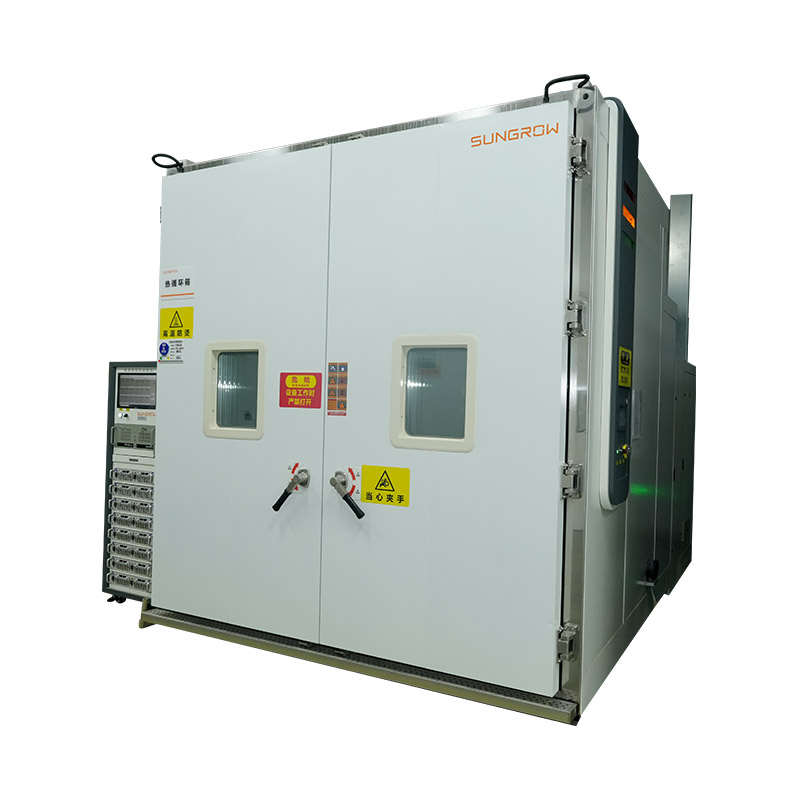
A damp heat test chamber is designed to simulate the harsh atmospheric conditions of high temperature and high humidity. By creating a controlled environment, these chambers accelerate the natural aging processes that would typically take years to manifest in the field. The primary objective is to evaluate how moisture vapor penetrates materials and how elevated temperatures catalyze chemical reactions, such as oxidation on PCB traces or the degradation of polymer coatings.
Unlike standard ovens, a dedicated damp heat chamber must manage the delicate balance between dry-bulb temperature and wet-bulb temperature. This requires sophisticated humidity generation systems, often utilizing steam generators or ultrasonic humidifiers, coupled with precise airflow management to prevent localized condensation that could skew test results.
The most common question from procurement managers is whether they need a steady-state chamber or one capable of complex cycling. The answer lies in the specific failure mechanisms you aim to trigger.
Often referred to as the “85/85 Test” (85°C and 85% Relative Humidity), the steady-state test maintains a constant environmental stress over a long duration—typically 1,000 hours or more. This method is primarily used to evaluate:
Cyclic testing is far more dynamic. It alternates between high and low temperatures (e.g., 25°C to 55°C) while maintaining high humidity levels. This creates a “breathing” effect where moisture is forced into and out of the specimen through expansion and contraction. Key benefits include:
To help you distinguish between different chamber capabilities, the following table outlines the typical performance parameters for high-quality industrial damp heat test chambers.
| Feature | Standard Damp Heat Chamber | High-Performance Cyclic Chamber |
|---|---|---|
| Temperature Range | +10°C to +90°C | -70°C to +180°C |
| Humidity Range | 20% to 98% RH | 10% to 98% RH |
| Temperature Stability | ±0.5°C | ±0.2°C |
| Humidity Stability | ±2.5% RH | ±2.0% RH |
| Ramp Rate (Heating) | 1°C to 3°C / min | 3°C to 15°C / min |
| Cooling Method | Air-cooled | Water-cooled or Cascade Refrigeration |
| Standard Compliance | IEC 60068-2-78, MIL-STD-202 | IEC 60068-2-30, JESD22-A100 |
When evaluating a manufacturer’s damp heat test chamber, the internal components determine the accuracy and longevity of the equipment.
In the electronics sector, the “Highly Accelerated Stress Test” (HAST) is a specialized form of damp heat testing. However, for most consumer electronics, the standard 85°C/85% RH steady-state test remains the gold standard for qualifying the reliability of microchips and passive components.
Automotive components, particularly those located in the engine bay or near the chassis, must endure extreme humidity cycles. Chambers used here must support rapid temperature transitions to simulate a vehicle starting in a cold environment and reaching peak operating temperature in a humid coastal region.
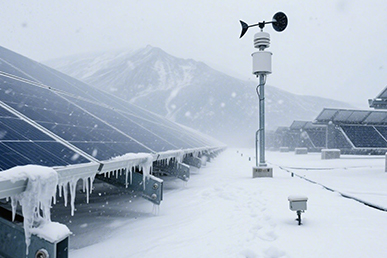
Solar panels are exposed to the elements for decades. The IEC 61215 standard requires damp heat testing at 85°C and 85% RH for 1,000 hours to ensure the ethylene-vinyl acetate (EVA) encapsulant does not delaminate and that the ribbon connectors do not corrode.
A common mistake is selecting a chamber that is too small for the load. For heat-dissipating specimens (active electronics), the chamber volume should be at least five times the volume of the test item. This ensures adequate airflow and prevents “hot spots” where the local humidity level might drop significantly due to the heat generated by the product itself. Uniformity is the hallmark of a professional-grade damp heat test chamber.
1. What is the difference between IEC 60068-2-78 and IEC 60068-2-30?
IEC 60068-2-78 covers steady-state damp heat testing where temperature and humidity remain constant. IEC 60068-2-30 covers cyclic damp heat testing where the temperature fluctuates to induce condensation and mechanical stress.
2. Why is 85°C and 85% RH the most common test setting?
This setting, known as the 85/85 test, is a standardized accelerated stress level that effectively forces moisture into materials without exceeding the physical limits of most plastics and semiconductors.
3. How often should I calibrate the humidity sensors in my chamber?
For ISO 9001 and IATF 16949 compliance, it is recommended to calibrate the sensors every 6 to 12 months, depending on the frequency of use and the chemical environment of the test specimens.
4. Can I perform a damp heat test without a humidity-controlled chamber?
No. Standard ovens only control temperature. As temperature rises in a closed oven, the relative humidity drops significantly, making it impossible to simulate a damp heat environment without an active humidification system.
5. How do I prevent water droplets from falling on my test sample?
Professional chambers are designed with a sloped ceiling or specialized baffles. This ensures that any condensation forming on the interior roof drains down the walls rather than dripping directly onto the specimen.




We value your suggestions and questions. If you have any questions about our products and services, please contact us. We will treat you responsibly and reply to your information as soon as possible.
 Building 14, Chuangjin Industrial Park, Zhitang Town, Changshu City, Suzhou City, Jiangsu, China
 +86-17712471297


 EN
EN
 English
 中文简体
中文简体