-
 [email protected]
-
 +86-17712471297
[email protected]
+86-17712471297

Content
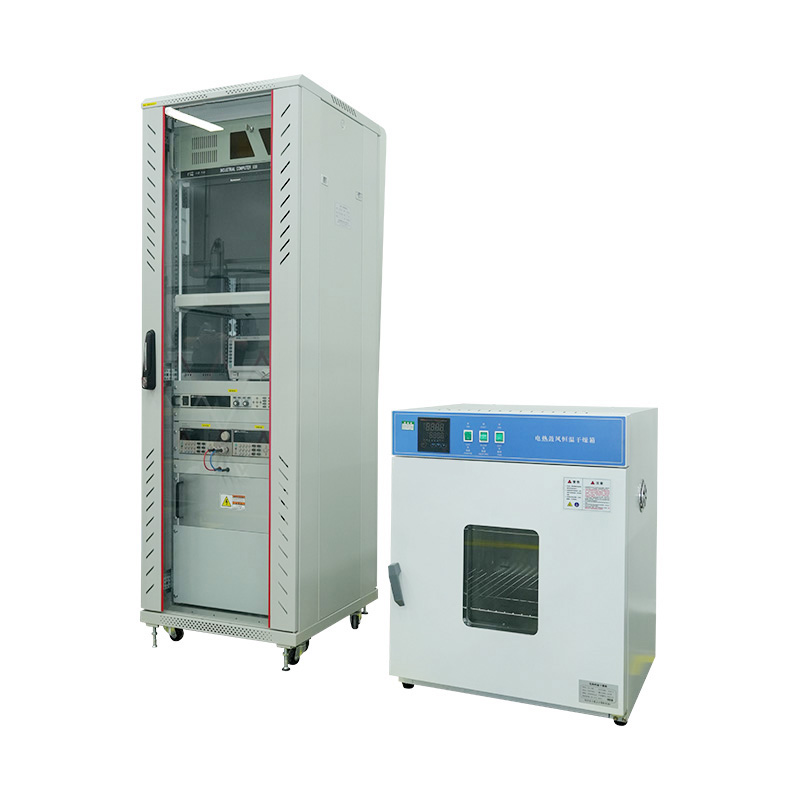
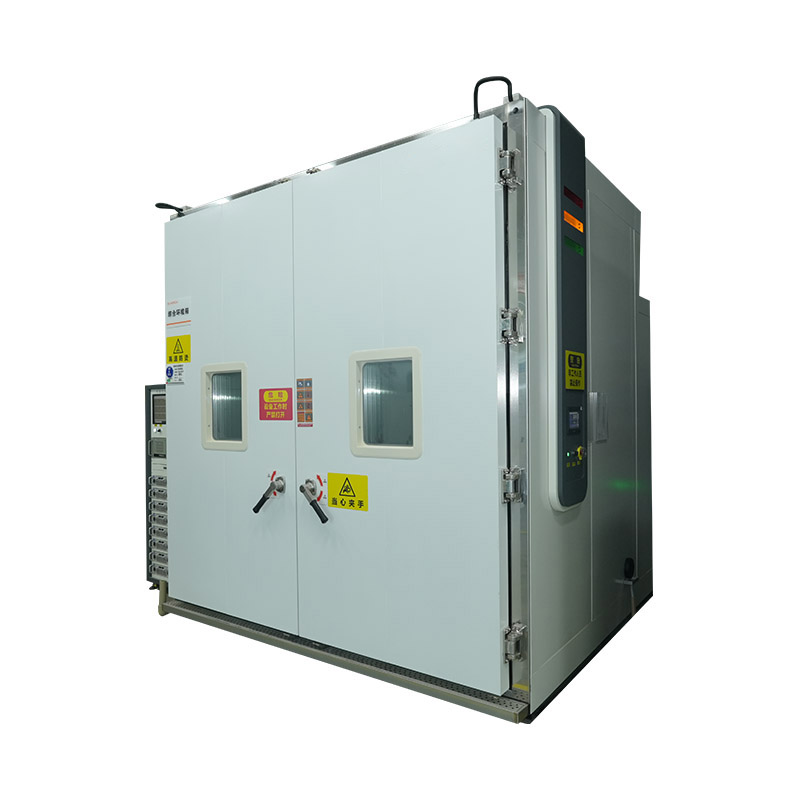
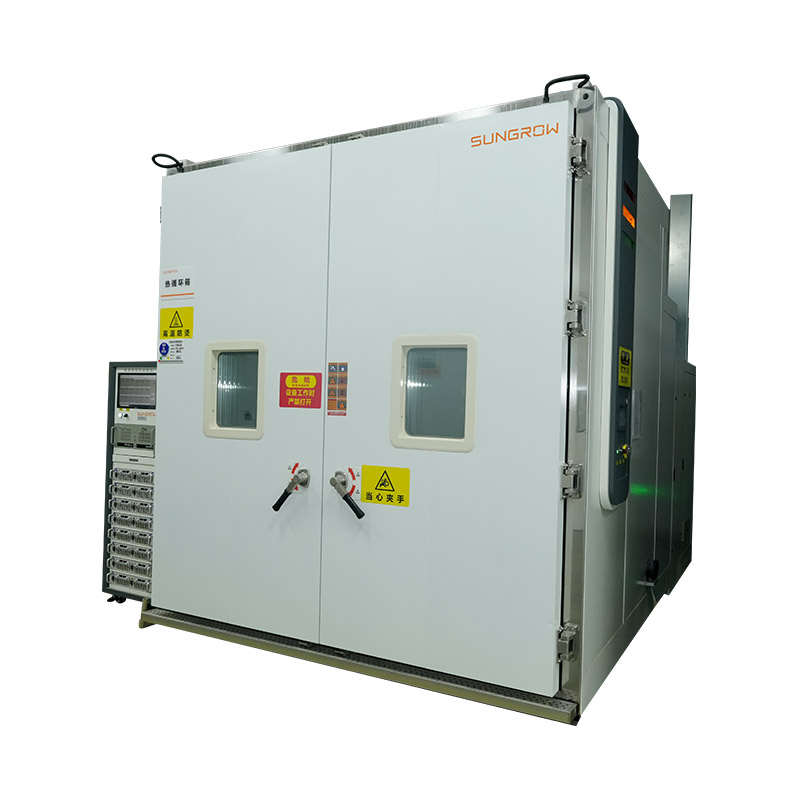
Photovoltaic (PV) modules operate outdoors for 25 to 30 years, exposed to extreme heat, freezing cold, intense UV radiation, high humidity, and rapid thermal cycling. Without rigorous environmental qualification, premature failure in the field translates directly into lost energy yield, warranty claims, and reputational damage. A climatic test chamber for photovoltaic products replicates these real-world stressors in a controlled laboratory setting, compressing decades of environmental exposure into weeks of accelerated testing.
International standards such as IEC 61215 (crystalline silicon modules), IEC 61646 (thin-film modules), and IEC 61730 (safety qualification) mandate a defined sequence of climatic tests before any PV product reaches the market. Passing these tests is not merely a regulatory checkbox — it provides statistically meaningful evidence of long-term reliability and is increasingly demanded by project financiers, insurers, and utility-scale buyers.

A purpose-built climatic test chamber for photovoltaic products must support several demanding test sequences simultaneously or in rapid succession:
Chambers must maintain tight temperature and humidity uniformity (typically ±2 °C and ±3% RH) across the full working volume to ensure that every module position in a multi-module load receives the same stress level, keeping test results comparable and repeatable.
Selecting the right chamber involves more than matching a temperature range. Engineers sourcing a climatic test chamber for photovoltaic products should evaluate the following specifications carefully:
| Parameter | Typical Requirement for PV Testing | Why It Matters |
|---|---|---|
| Temperature range | −40 °C to +85 °C (min) | Covers IEC 61215 TC and HF extremes |
| Humidity range | 10%–98% RH | Required for DH and HF sequences |
| Heating/cooling ramp rate | ≥100 °C/h (air), ≥200 °C/h preferred | Throughput and standard compliance |
| Interior volume | 400 L – 1,500 L+ | Accommodates full-size 2 m × 1 m panels |
| Electrical feedthroughs | High-current, UV-rated cable ports | Enables in-situ IV curve and insulation monitoring |
| Safety features | Over-temperature protection, leakage detection | Protects DUT and lab personnel |
Large-format panels (G12 and M10 cells now produce modules exceeding 2.2 m in length) demand walk-in or large-volume chambers. Confirm that the chamber door opening and internal rack spacing accommodate your specific module format before procurement.
A solar simulation environmental chamber integrates an artificial sun — a xenon arc lamp, metal halide array, or LED-based solar simulator — directly inside a climatic enclosure. This combination unlocks test capabilities that a standalone chamber simply cannot deliver:
Solar simulators integrated into climatic chambers are classified by spectral match, non-uniformity, and temporal instability per IEC 60904-9. For most bankability and qualification work, a Class AAA simulator (spectral match A, non-uniformity ≤2%, instability ≤1%) is required to ensure that IV measurements taken during or after climate exposure are traceable and comparable across laboratories.
The rapid commercialization of perovskite-silicon tandem cells, bifacial modules, and building-integrated PV (BIPV) materials is pushing climatic test equipment into new territory. Perovskite layers are highly sensitive to moisture and oxygen, meaning that some test sequences must be conducted in inert-atmosphere chambers or with controlled trace humidity levels as low as 1% RH — far below what most standard chambers support.
Bifacial modules require illumination from both faces simultaneously during light soaking. Solar simulation environmental chambers designed for bifacial testing incorporate a secondary illumination panel on the chamber floor, with independently adjustable irradiance to simulate a realistic albedo contribution (typically 10%–30% of front-side irradiance).
As module power outputs exceed 700 W and string voltages in utility-scale arrays approach 1,500 V DC, chambers must also support high-voltage potential-induced degradation (PID) testing per IEC 62804, where modules are biased at system voltage while exposed to damp heat. This requires specialized high-voltage feedthroughs and isolation systems rated for continuous operation at elevated temperature and humidity.
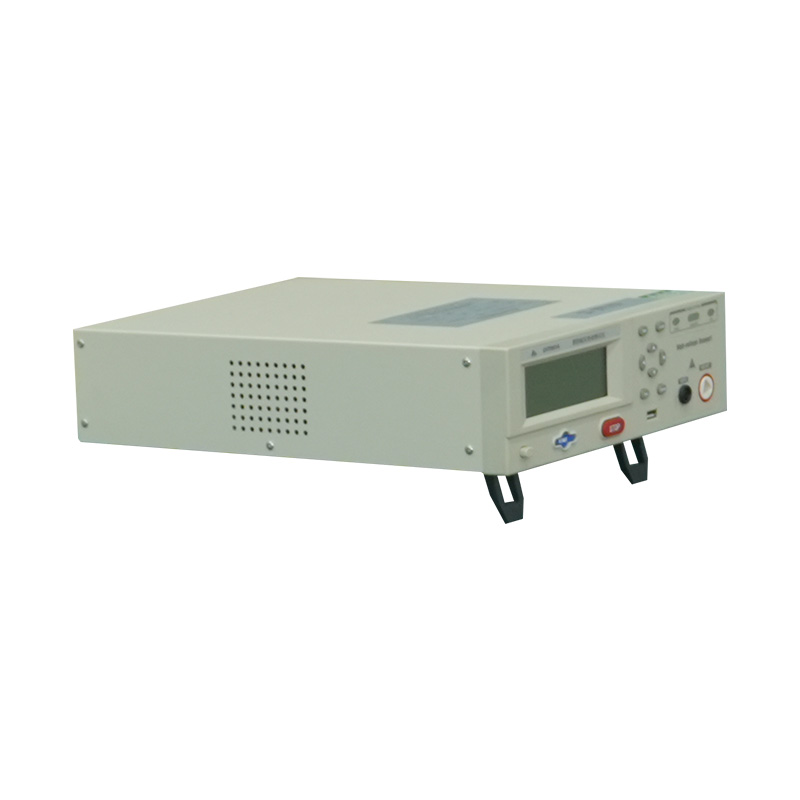
Modern climatic chambers for PV testing are not passive enclosures — they are integrated measurement platforms. Leading laboratories connect their chambers to:
The combination of precise environmental control and comprehensive in-situ measurement transforms a climatic test chamber for photovoltaic products from a simple stress tool into a comprehensive reliability research platform — capable of generating the mechanistic insight needed to engineer the next generation of durable, bankable solar technology.

We value your suggestions and questions. If you have any questions about our products and services, please contact us. We will treat you responsibly and reply to your information as soon as possible.
 Building 14, Chuangjin Industrial Park, Zhitang Town, Changshu City, Suzhou City, Jiangsu, China
 +86-17712471297


 EN
EN
 English
 中文简体
中文简体