-
 [email protected]
-
 +86-17712471297
[email protected]
+86-17712471297

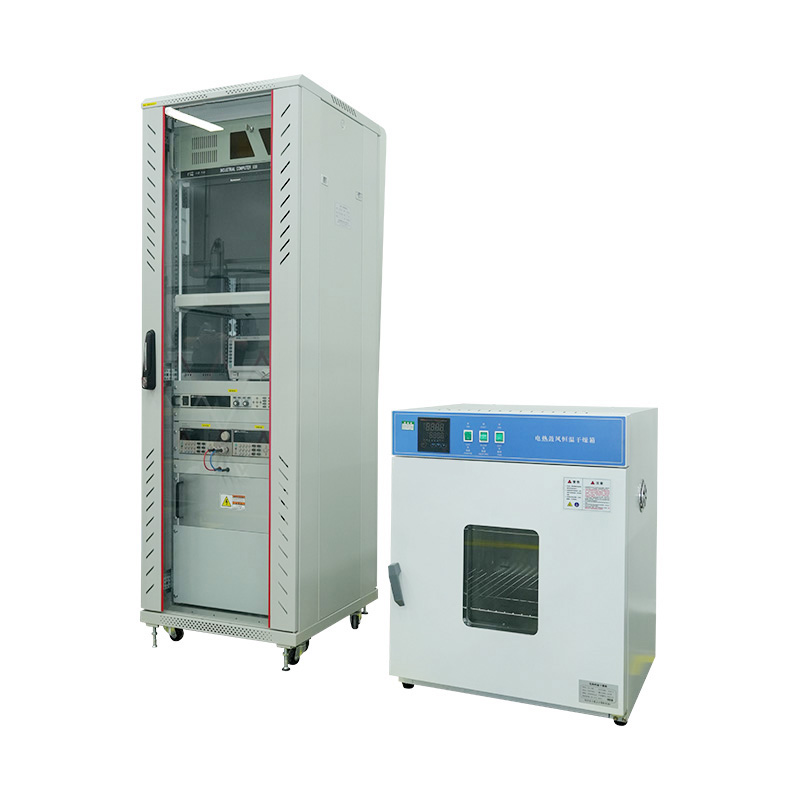
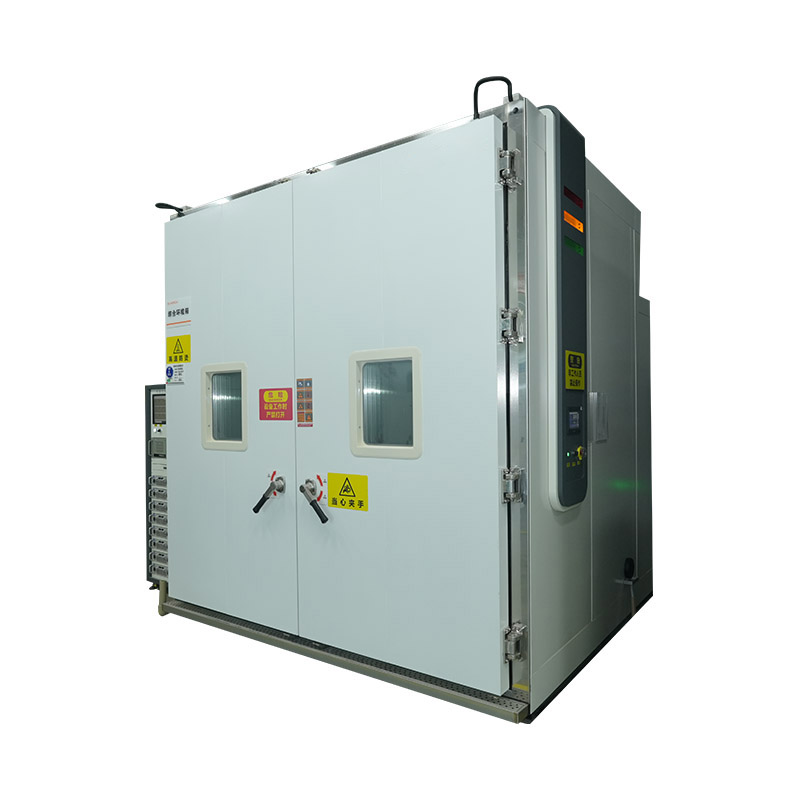
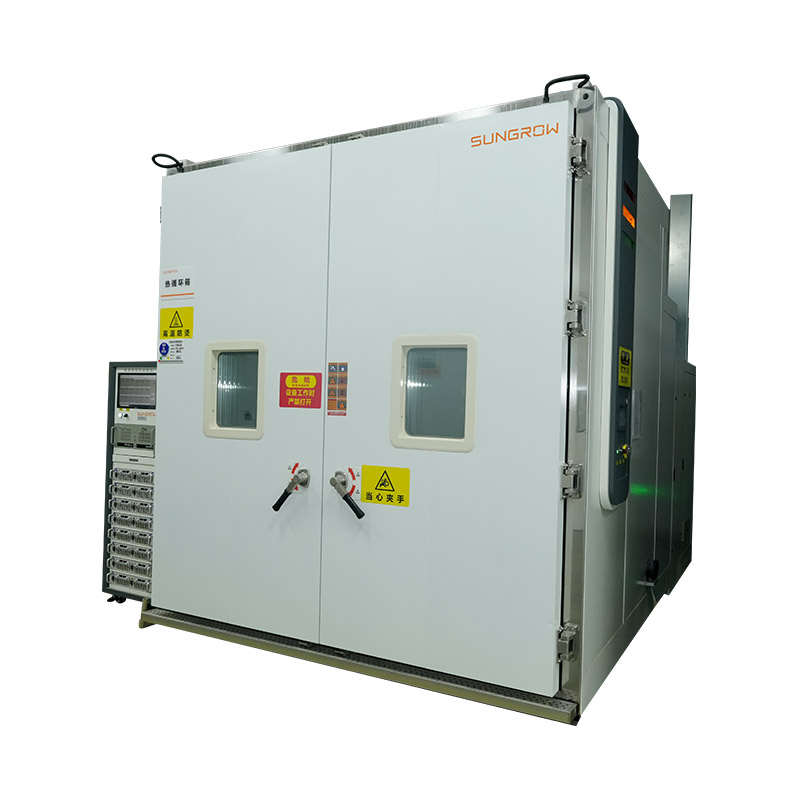
The IEC 60068-2-78 damp heat steady state test is an environmental testing standard that subjects a product to a constant high temperature and high humidity, non-condensing environment for a specified duration. Its purpose is to accelerate moisture-induced failure mechanisms such as corrosion and insulation degradation. For photovoltaic (PV) modules, a specialized Damp Heat Test Chamber runs this test at 85 degrees Celsius and 85 percent relative humidity for 1,000 hours, serving as a critical gate for product qualification. The related humidity freeze test adds a rapid drop to minus 40 degrees Celsius after the damp heat soak, using the expansion of freezing water to find mechanical weaknesses and seal failures. Together, these tests provide a practical, constructive way to confirm that a product will survive hot, wet, and freezing real-world environments.
Content
IEC 60068-2-78 is a fundamental standard from the International Electrotechnical Commission that defines a test to determine the ability of a component or equipment to withstand prolonged exposure to damp heat. The test is steady state, meaning the temperature and humidity are held constant, not cycled. The 2025 third edition introduced several key updates, including a mandatory preconditioning step, the use of dew point temperature in the severity description, and refined chamber performance requirements. The main objective is to investigate how high relative humidity affects a specimen over time, which is essential for predicting long-term reliability in tropical or poorly ventilated operational settings.
The standard provides several preferred test severities, and the choice depends on the product's intended use environment and risk profile. Two conditions are most prevalent across industries.
A critical requirement of the test is that condensation on the specimen is prohibited. The dew point of the chamber air must be lower than the temperature of the test sample at all times to ensure water vapor does not transition to liquid on the product's surface.
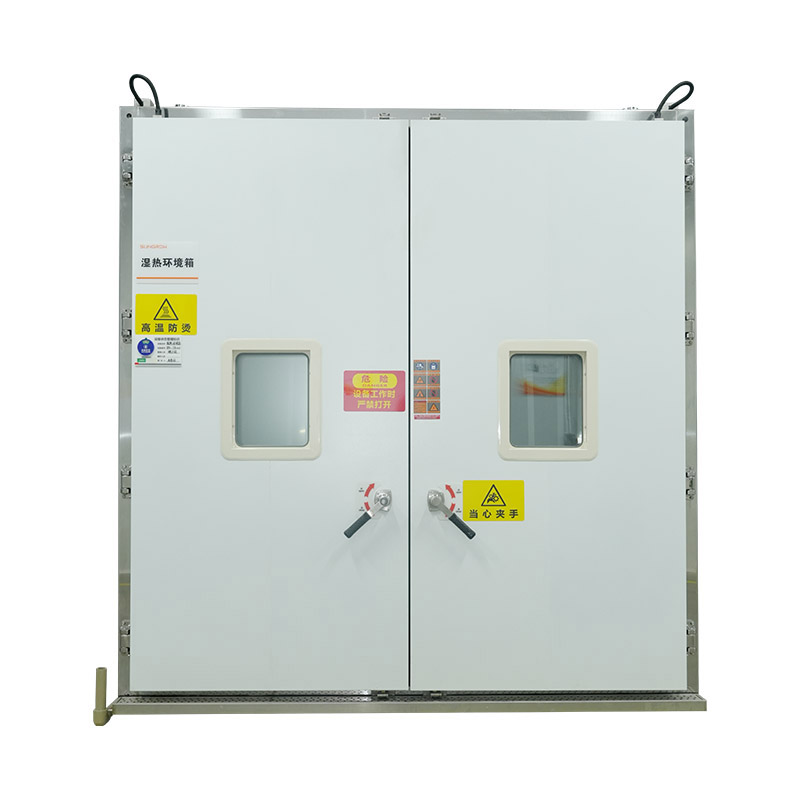
The humidity freeze test is a distinct and more aggressive cyclic test that combines a long damp heat soak with a subsequent rapid freeze. While often confused, it serves a different purpose than the steady-state damp heat test. It is formally described in standards like IEC 60068-2-30 (Damp heat, cyclic) and as a specific profile within the IEC 61215 PV module qualification sequence. A typical humidity freeze cycle proceeds as follows.
This cycle is typically repeated multiple times. The sudden transition from extreme heat and moisture to extreme cold causes any water that has ingressed into cracks or seals to freeze and expand. This mechanical stress exposes lamination failures in PV module backsheets, cracks in solder joints, and loss of seal integrity far faster than a steady humidity test alone could achieve.
Testing photovoltaic modules for damp heat resistance per IEC 61215 demands a specialized chamber. The core requirement is the ability to reliably maintain the 85 degrees Celsius and 85 percent relative humidity environment for over 1,000 hours with tight tolerances, typically plus or minus 2 degrees Celsius for temperature and plus or minus 5 percent for relative humidity. The market trend towards larger PV modules has driven chamber design innovation. Modern chambers can accommodate panels up to 2,700 mm in height and 1,200 mm in width in a vertical, upright configuration, optimizing laboratory floor space and ensuring uniform airflow over the module surface.
Selecting a damp heat test chamber is an engineering investment. The following features are critical for producing valid, repeatable test data and ensuring long operational life.
The environmental testing landscape includes several standards that utilize damp heat. The table below clarifies the specific application of each, preventing confusion between a steady-state soak and a cyclic test with freezing.
| Standard | Test Type | Typical Profile | Primary Application |
|---|---|---|---|
| IEC 60068-2-78 | Damp Heat, Steady State | 40 deg C / 93% RH or 85 deg C / 85% RH, constant | General electronics, materials, components |
| IEC 60068-2-30 | Damp Heat, Cyclic | Cyclic variations with high humidity and condensation | Products exposed to dew and daily cycling |
| IEC 61215 (MQT 13) | Damp Heat for PV Modules | 85 deg C / 85% RH for 1,000 hours | Solar panel long-term moisture resistance |
| IEC 61215 (MQT 12) | Humidity Freeze for PV Modules | 85 deg C / 85% RH to minus 40 deg C cycles | PV module seal integrity and freeze resistance |
Successfully integrating these tests into a product development or qualification program requires a strategic approach beyond simply purchasing a machine. The following actionable strategies focus on preventing common failures and ensuring a wise equipment investment.
Linking observed failures to their physical cause is the first step to a robust design. The damp heat and humidity freeze tests consistently expose a specific set of weaknesses.
A test chamber is a long-term asset. Selection must be driven by a clear specification tied to the target standards.
To guarantee repeatable results, adopt these practical habits as part of your lab's standard operating procedure.




We value your suggestions and questions. If you have any questions about our products and services, please contact us. We will treat you responsibly and reply to your information as soon as possible.
 Building 14, Chuangjin Industrial Park, Zhitang Town, Changshu City, Suzhou City, Jiangsu, China
 +86-17712471297


 EN
EN
 English
 中文简体
中文简体