-
 [email protected]
-
 +86-17712471297
[email protected]
+86-17712471297

Environmental simulation chambers are essential tools for testing the durability and performance of products under various environmental conditions. With increasing emphasis on sustainability, the design of these chambers has evolved to incorporate eco-friendly and energy-efficient technologies. This article explores the latest innovations in environmental simulation chamber design, focusing on energy-saving features and sustainable practices.
Content
Modern environmental simulation chambers integrate advanced technologies to reduce energy consumption while maintaining high performance. Key innovations include:
| Refrigerant Type | Energy Efficiency | Environmental Impact |
| CO₂ | High | Low |
| R449A/R469A | Moderate | Moderate |
| R134A | Low | High |
Designing environmental simulation chambers with sustainability in mind involves integrating features that minimize environmental impact. Notable design innovations include:
A leading environmental chamber manufacturer implemented a combination of CO₂ refrigeration systems, renewable energy sources, and recyclable materials in their latest chamber models. The result was a 30% reduction in energy consumption and a 20% decrease in material waste, demonstrating the effectiveness of sustainable design practices.
Adopting eco-friendly and energy-efficient environmental simulation chambers offers several benefits:
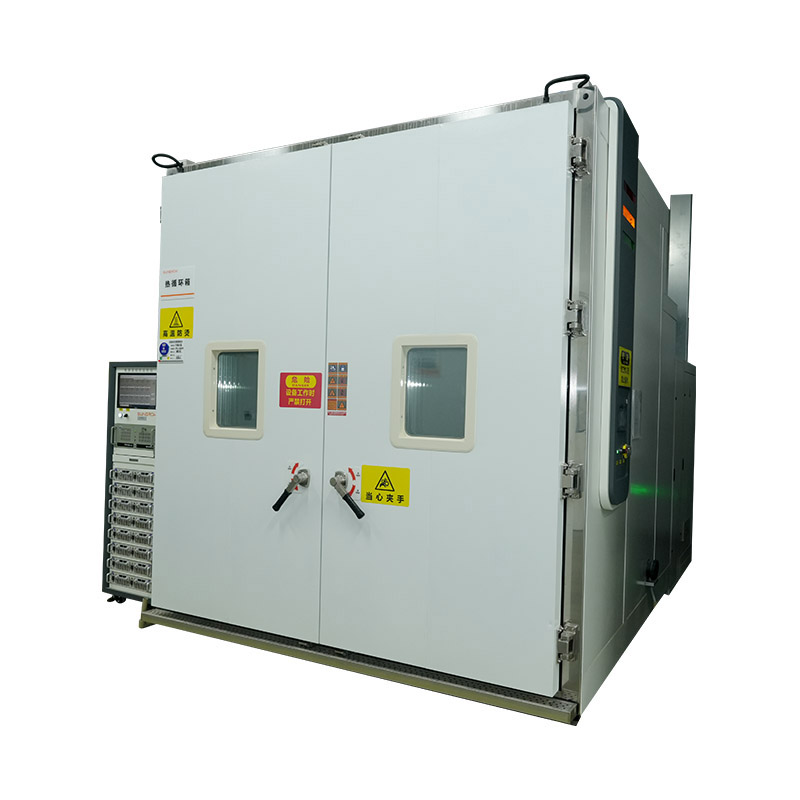
Eco-friendly environmental simulation chambers incorporate energy-efficient technologies such as CO₂ refrigeration systems, advanced insulation materials, and renewable energy sources. These features reduce energy consumption and minimize environmental impact.
By utilizing energy-efficient technologies, these chambers lower electricity consumption, leading to significant cost savings over time. For instance, CO₂ refrigeration systems have been shown to reduce energy usage by up to 10,000 kWh per month.
Sustainable chambers are constructed using recyclable materials and incorporate modular designs to minimize waste. The use of renewable energy sources and eco-friendly refrigerants further enhances their sustainability.
Design innovations such as improved insulation and advanced control systems enhance the performance of environmental chambers by maintaining stable internal conditions with minimal energy input, ensuring accurate and reliable testing results.
Yes, various industry standards and certifications guide the design and operation of eco-friendly environmental simulation chambers. Adhering to these standards ensures compliance with environmental regulations and promotes sustainability in testing practices.





We value your suggestions and questions. If you have any questions about our products and services, please contact us. We will treat you responsibly and reply to your information as soon as possible.
 Building 14, Chuangjin Industrial Park, Zhitang Town, Changshu City, Suzhou City, Jiangsu, China
 +86-17712471297


 EN
EN
 English
 中文简体
中文简体