-
 [email protected]
-
 +86-17712471297
[email protected]
+86-17712471297

Content
A Salt Mist Corrosion Test Chamber is an essential tool for evaluating the resistance of materials and products to corrosion caused by salt-laden environments. Industries such as automotive, electronics, coatings, and heavy machinery rely on these chambers to ensure the durability and longevity of their products. By simulating harsh environmental conditions, manufacturers can predict potential failures, enhance product performance, and meet international quality standards. Implementing effective corrosion testing helps in reducing maintenance costs, avoiding warranty claims, and ensuring customer satisfaction.
The Salt Spray Test Chamber for Automotive Parts is designed specifically to test the durability of vehicle components under salt-laden environments. These chambers replicate corrosive conditions similar to coastal or winter road exposure, helping engineers identify weaknesses in materials. By subjecting automotive parts to prolonged salt mist, manufacturers can ensure coatings, metals, and fasteners perform reliably, avoiding unexpected failures and reducing warranty costs.
| Feature | Automotive Focus | Standard Salt Spray |
| Duration | 48–500 hours | 24–300 hours |
| Temperature Control | 35 ± 2°C | Ambient ± 5°C |
| Sample Capacity | Multiple parts simultaneously | Small batch |
The Neutral Salt Spray Test Chamber ISO 9227 is widely recognized for testing metals and coatings against corrosion under controlled laboratory conditions. This chamber provides a neutral pH salt solution to simulate realistic environmental stress, ensuring materials meet international durability standards. Companies use it to verify that products like metal fasteners, hardware, and industrial coatings can withstand long-term exposure to moisture and saline conditions.
| Parameter | Neutral Salt Spray ISO 9227 | Acidic Salt Spray |
| Solution pH | 6.5–7.2 | 3–5 |
| Test Duration | 24–1000 hours | 24–500 hours |
| Application | General metal coatings | Accelerated testing |
The Cyclic Corrosion Test Chamber for Coatings is designed to replicate dynamic environmental conditions including humidity, salt spray, and dry cycles. This method provides more realistic simulation of real-world corrosion compared to traditional continuous salt spray tests. It is particularly effective for evaluating protective coatings, paints, and surface treatments applied to metals or composites. Manufacturers can optimize coating formulations and application methods to improve long-term durability.
| Test Type | Cyclic Corrosion | Continuous Salt Spray |
| Environmental Simulation | Humidity + Salt + Dry cycles | Constant salt mist |
| Accuracy | High | Moderate |
| Application | Coatings & paints | Metals |
The Salt Mist Corrosion Chamber for Electronics Testing evaluates corrosion susceptibility of sensitive electronic components. Moisture, salt, and temperature variations can damage circuit boards, connectors, and sensors. This chamber allows manufacturers to detect potential failures early, ensuring electronic products perform reliably even in harsh environmental conditions. Incorporating this testing improves product safety, reduces warranty claims, and enhances brand reputation.
| Feature | Electronics Chamber | Standard Salt Spray |
| Humidity Control | 20–95% RH | Ambient RH |
| Temperature Range | 25–60°C | 35 ± 2°C |
| Application Focus | Sensitive electronics | Metal components |
Selecting the best Salt Mist Corrosion Test Chamber requires careful consideration of testing requirements, industry standards, chamber capacity, and maintenance needs. Understanding how these factors interact ensures accurate results, maximizes product durability, and aligns with regulatory compliance. Additionally, operational efficiency and long-term maintenance requirements can significantly influence cost-effectiveness.
| Factor | Small Lab Chamber | Industrial Chamber |
| Sample Capacity | 1–10 samples | 10–100 samples |
| Cost | Low | High |
| Maintenance | Basic | Advanced |
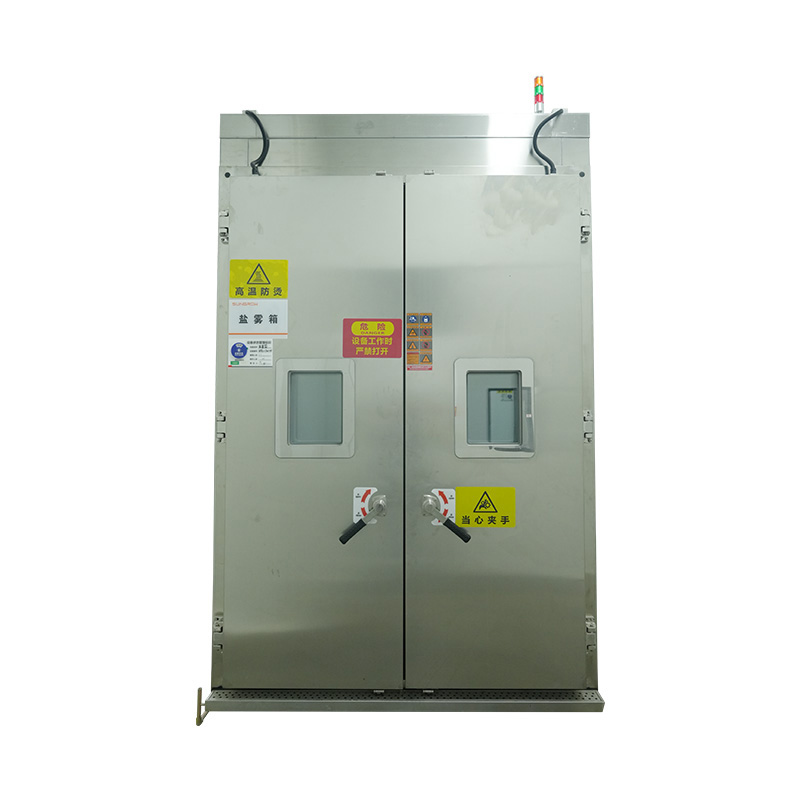
When investing in a Salt Mist Corrosion Test Chamber, balancing initial cost with long-term performance is crucial. High-quality chambers may require a higher upfront investment but offer precise testing, improved reliability, and reduced maintenance costs. Evaluating energy efficiency and operational costs ensures that testing remains sustainable, particularly for industries with frequent or large-scale testing needs.
| Chamber Type | High-End | Budget |
| Initial Cost | High | Low |
| Operational Cost | Moderate | High |
| Test Accuracy | Very High | Moderate |
Choosing the right Salt Mist Corrosion Test Chamber is critical for ensuring product durability, safety, and compliance across industries. By carefully evaluating chamber types, testing standards, capacity, and operational efficiency, manufacturers can select the optimal equipment for their specific needs. Proper selection leads to more reliable results, cost savings, and improved product performance in corrosive environments.
Standard salt mist corrosion test chambers provide continuous exposure to salt spray, mainly suitable for metals. Cyclic chambers simulate alternating conditions of humidity, salt spray, and dry periods, offering a more realistic evaluation of coatings and paints. Cyclic tests better predict real-world performance and coating longevity.
Calibration frequency depends on usage, but generally, a Salt Spray Chamber for Automotive Parts should be calibrated every 6–12 months. Regular calibration ensures accuracy, maintains compliance with standards such as ASTM B117, and prevents testing errors that could compromise product reliability.
While metals and electronics can undergo salt mist corrosion testing, electronic components require specialized chambers like Salt Mist Corrosion Chamber for Electronics Testing to control humidity, temperature, and prevent electrical damage. Standard chambers may harm sensitive circuitry.
Maintenance includes regular cleaning of the chamber, checking spray nozzles for blockages, ensuring proper salt solution concentration, and periodic calibration. Following a Salt Spray Chamber Maintenance and Calibration Guide ensures accurate and reliable testing over time.
By simulating varying environmental conditions, a Cyclic Corrosion Test Chamber for Coatings provides a realistic assessment of coating performance under actual service conditions. It helps manufacturers optimize formulation, thickness, and application methods to achieve maximum protection against corrosion.





We value your suggestions and questions. If you have any questions about our products and services, please contact us. We will treat you responsibly and reply to your information as soon as possible.
 Building 14, Chuangjin Industrial Park, Zhitang Town, Changshu City, Suzhou City, Jiangsu, China
 +86-17712471297


 EN
EN
 English
 中文简体
中文简体