-
 [email protected]
-
 +86-17712471297
[email protected]
+86-17712471297

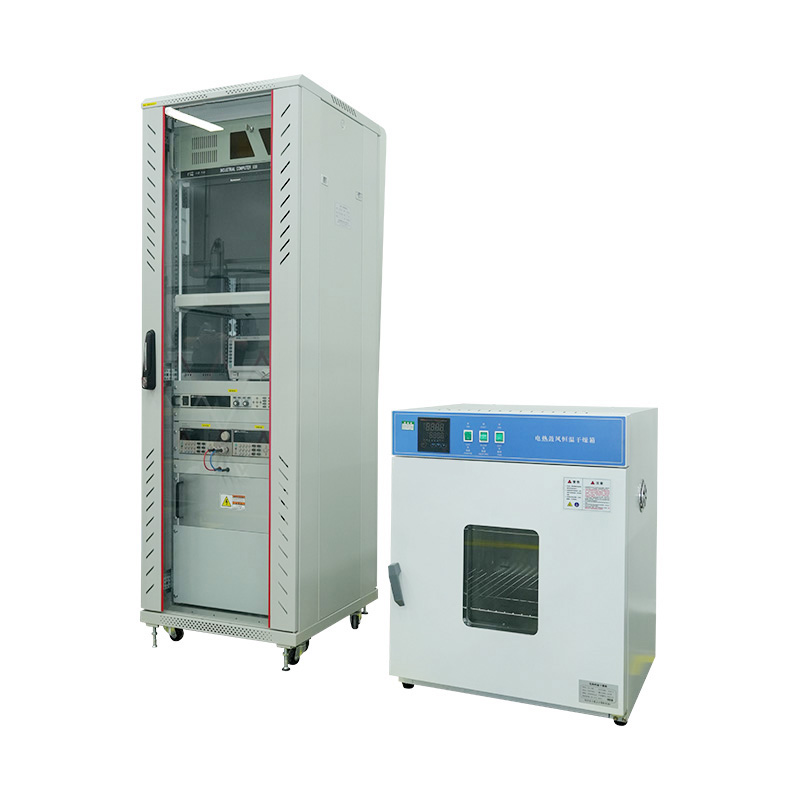
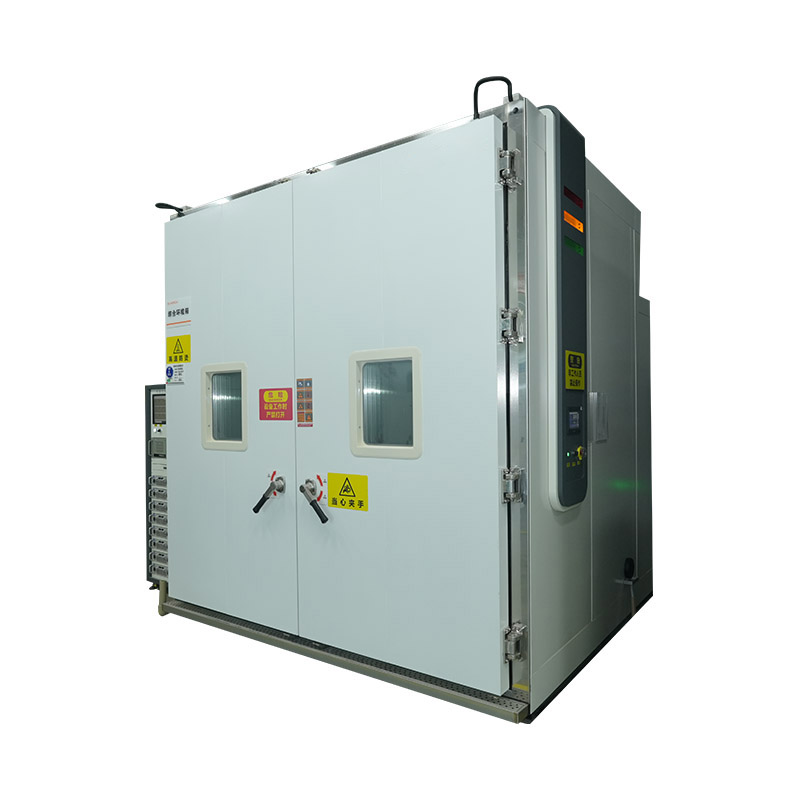
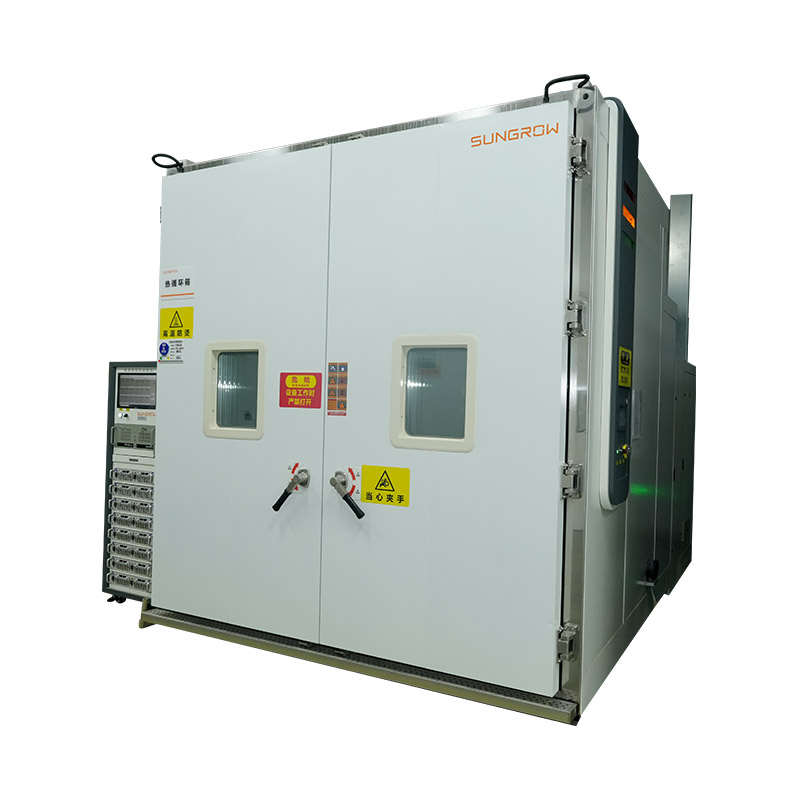
In the rapidly evolving renewable energy sector, the long-term reliability of solar modules is non-negotiable. To ensure a 25-year operational lifespan, modules must undergo rigorous environmental stress screening. A high-performance Test Chamber For Photovoltaic Solar is the cornerstone of this validation process. These chambers simulate decades of environmental wear in a matter of weeks, focusing on critical failure modes like delamination, cell cracking, and junction box degradation. For engineers, understanding the synergy between photovoltaic module damp heat test parameters and IEC 61215 thermal cycling test protocols is essential for achieving international certification and market entry.
Content
The global benchmark for PV reliability is defined by two primary standards. IEC 61215 focuses on design qualification and type approval, emphasizing performance over time, while IEC 61730 addresses safety qualifications. When utilizing a Test Chamber for Photovoltaic Solar, the internal control systems must be capable of executing complex "stress sequences."" For instance, the thermal cycling test for solar panels requires rapid temperature transitions that test the coefficient of thermal expansion (CTE) mismatch between the silicon, glass, and backsheet. In contrast, safety testing focuses more on insulation integrity and fire resistance under extreme heat.
| Test Protocol | Primary Objective | Environmental Parameters |
| IEC 61215 (Performance) | Identification of long-term wear-out mechanisms. | -40°C to +85°C, 200 cycles (TC200). |
| IEC 61730 (Safety) | Ensuring electrical safety and fire prevention. | High-voltage stress and flame spread testing. |
One of the most destructive tests performed within a solar panel environmental testing facility is the Damp Heat (DH) test. This procedure involves subjecting the module to 85°C and 85% relative humidity for a minimum of 1,000 hours. The goal is to evaluate the permeability of PV backsheets and the adhesion of the EVA (Ethylene Vinyl Acetate) encapsulant. While standard chambers might struggle with condensation control, an engineer-grade Test Chamber FforPhotovoltaic Solar utilizes precision steam generators and specialized airflow to maintain uniform saturation without water droplets falling directly on the sample, which could cause artificial hot spots.
| Variable | Standard Testing Mode | Accelerated Stress Mode |
| Humidity Level | 85% RH (Constant) | 90% - 95% RH (Dynamic) |
| Duration | 1,000 Hours | 2,000 - 3,000 Hours (Extended Life) |
| Critical Failure | Corrosion of busbars. | Total delamination of the backsheet. |
Thermal fatigue is the leading cause of solder joint failure in PV systems. The IEC 61215 thermal cycling test requires the chamber to cycle between -40°C and +85°C with a peak soak time. A high-efficiency
When selecting a chamber, engineers must look beyond the basic temperature range. Large-scale PV climate chambers require massive structural integrity to hold multiple full-sized modules (often 2 meters or larger). Key technical details include the PID control for solar test chambers, which ensures minimal temperature overshoot, and the uniformity of solar simulator light if the chamber includes integrated UV radiation. Furthermore, a Test Chamber For Photovoltaic Solar must have specialized rack designs that allow for electrical load testing during climate stress, enabling real-time monitoring of the module's IV curve during the stress cycle.
Investing in a high-fidelity Test Chamber For Photovoltaic Solar is not merely about compliance; it is about risk mitigation. By replicating extreme conditions—from the moisture of tropical regions to the freezing cycles of high altitudes—manufacturers can guarantee the structural and electrical integrity of their modules. As the industry moves toward N-type cells and bifacial technology, the precision of solar panel environmental testing will remain the ultimate guardian of consumer trust and project bankability.
1. Why is the IEC 61215 thermal cycling test considered the most difficult?
It places maximum mechanical stress on the different materials within the panel (glass, silicon, copper). Because these materials expand at different rates, the 200-cycle test often reveals solder fatigue or cell cracks that are invisible to the naked eye.
2. What is the difference between a standard climate chamber and a Test Chamber for Photovoltaic Solar?
Size and safety. Solar chambers must accommodate very large panels and often include specialized safety features to handle potential outgassing from backsheets or the high-voltage electrical load applied during the test.
3. How long does a photovoltaic module's damp heat test usually take?
A standard compliance test takes 1,000 hours (approximately 42 days). However, "test-to-failure" protocols in R&D may extend this to 3,000 hours to simulate extreme 25-year environmental exposure.
4. Does the UV aging test for solar materials affect the glass or the cells?
It primarily affects the polymers—the EVA encapsulant and the backsheet. UV radiation can cause "browning" of the EVA, which reduces light transmission to the cell, thereby lowering the module's overall power output.
5. Can I perform humidity freeze tests in the same chamber?
Yes, most advanced large-scale PV climate chambers are designed to handle both Damp Heat and Humidity Freeze cycles sequentially to test the material's reaction to internal ice expansion.

We value your suggestions and questions. If you have any questions about our products and services, please contact us. We will treat you responsibly and reply to your information as soon as possible.
 Building 14, Chuangjin Industrial Park, Zhitang Town, Changshu City, Suzhou City, Jiangsu, China
 +86-17712471297


 EN
EN
 English
 中文简体
中文简体