-
 [email protected]
-
 +86-17712471297
[email protected]
+86-17712471297

Content
PV Module Testing Equipment is essential for verifying solar panel performance, safety, and long-term reliability. It directly determines whether a PV module meets industry standards, delivers expected power output, and maintains durability under real-world conditions. Without proper testing, manufacturers risk inconsistent quality, reduced efficiency, and compliance failures in international markets.
In practical applications, these systems are used throughout production and certification processes to validate electrical parameters, environmental resistance, and mechanical strength. The result is consistent product quality, reduced defect rates, and improved market acceptance.

PV module testing equipment is designed to evaluate multiple performance indicators under controlled conditions. Each function targets a specific risk factor in solar module production and operation.
Among these, IV curve testing is the most critical, as it directly determines maximum power output and efficiency under standard test conditions.
Different testing stages require specialized equipment. Selecting the correct type depends on whether the focus is production testing, laboratory certification, or field diagnostics.
| Equipment Type | Primary Function | Typical Application |
|---|---|---|
| Solar Simulator | Simulates sunlight for power measurement | Factory testing and certification |
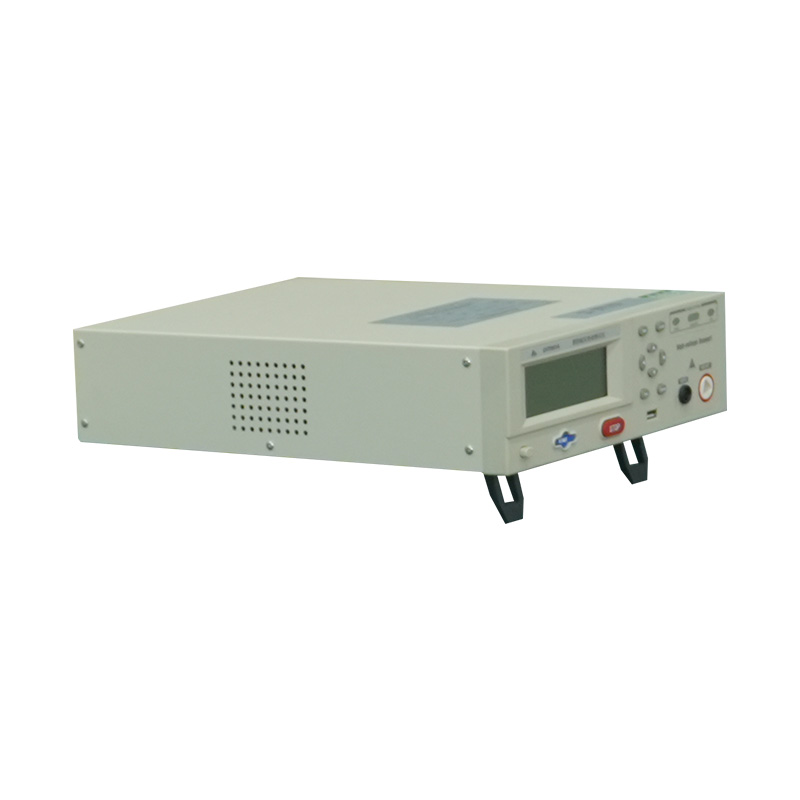
| IV Curve Tester | Measures current voltage characteristics | Performance validation |
| Electroluminescence Tester | Detects micro cracks and defects | Quality inspection |
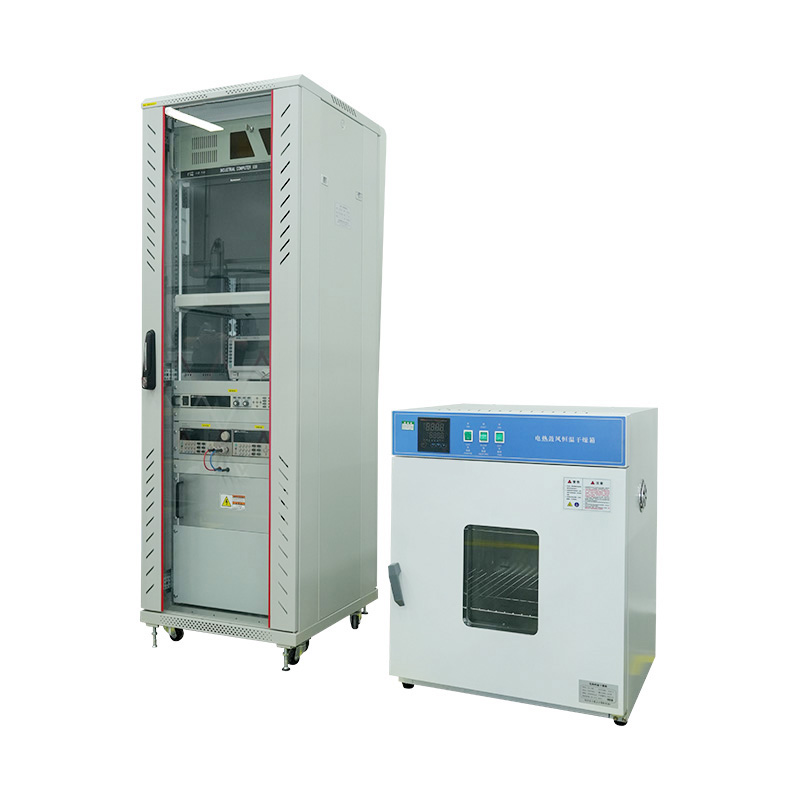
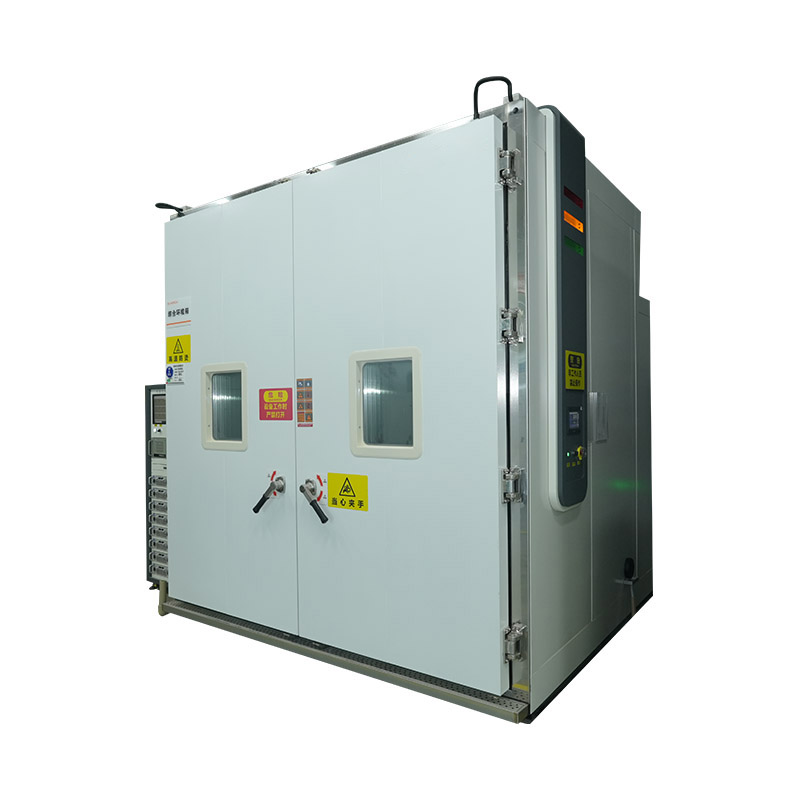
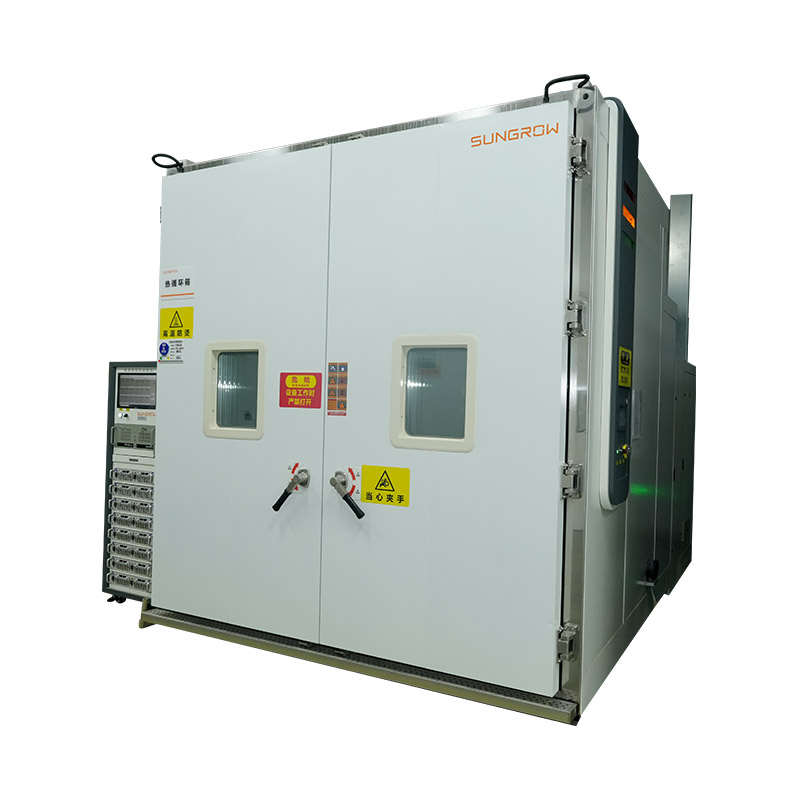
| Environmental Chamber | Simulates temperature and humidity cycles | Durability testing |
Combining multiple testing systems provides a more complete evaluation of module performance and reliability.
In production environments, PV module testing equipment plays a direct role in reducing defects and improving yield rates. Manufacturers typically integrate testing at multiple checkpoints to maintain consistency.
For example, integrating electroluminescence testing can identify micro cracks that are invisible to the naked eye, preventing long-term performance degradation. Studies show that undetected micro cracks can reduce module efficiency by up to 5 percent over time.
PV module testing equipment must align with international standards to ensure global market acceptance. These standards define testing procedures, environmental conditions, and performance thresholds.
Equipment that supports standardized testing protocols simplifies certification and reduces time to market. Without compliance-ready systems, additional third-party testing may be required, increasing costs and delays.
Selecting PV module testing equipment depends on production scale, testing requirements, and target markets. A practical approach focuses on matching equipment capabilities with operational needs.
High-volume manufacturers benefit from automated systems with fast cycle times, while smaller facilities may prioritize flexibility and lower initial investment.
Precision is critical for reliable results. Equipment should provide stable light sources, accurate sensors, and consistent calibration performance.
Modern systems often integrate with MES or ERP systems, enabling real-time data collection and process optimization.
A well-matched testing system improves efficiency, reduces manual intervention, and enhances overall production control.
As solar technology evolves, testing equipment continues to advance to address new module designs and higher efficiency requirements.
These developments aim to improve testing speed while maintaining or increasing accuracy, supporting the growing demand for high-efficiency solar modules.


We value your suggestions and questions. If you have any questions about our products and services, please contact us. We will treat you responsibly and reply to your information as soon as possible.
 Building 14, Chuangjin Industrial Park, Zhitang Town, Changshu City, Suzhou City, Jiangsu, China
 +86-17712471297


 EN
EN
 English
 中文简体
中文简体