-
 [email protected]
-
 +86-17712471297
[email protected]
+86-17712471297

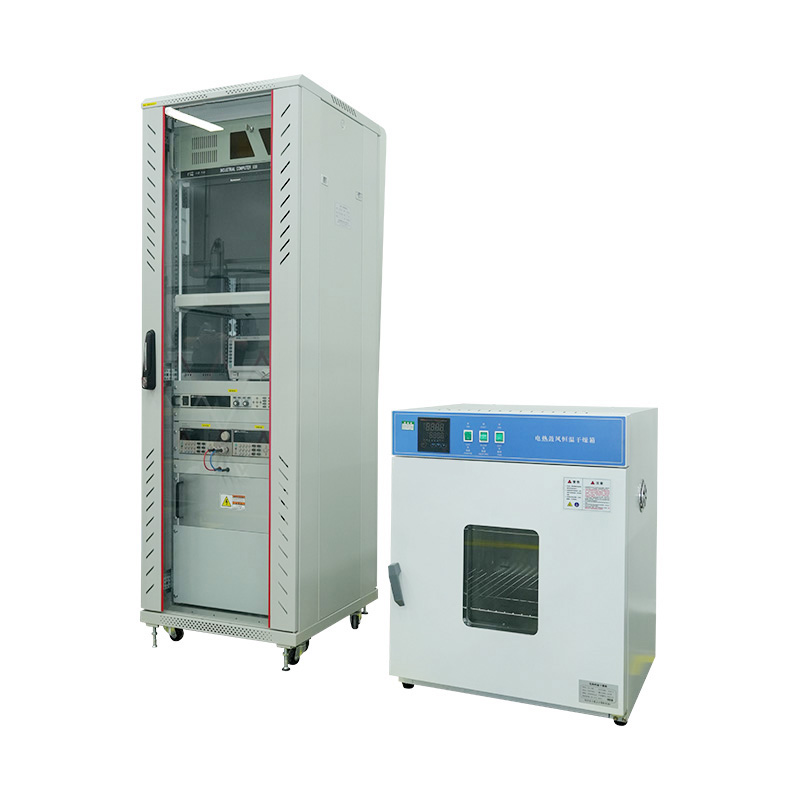
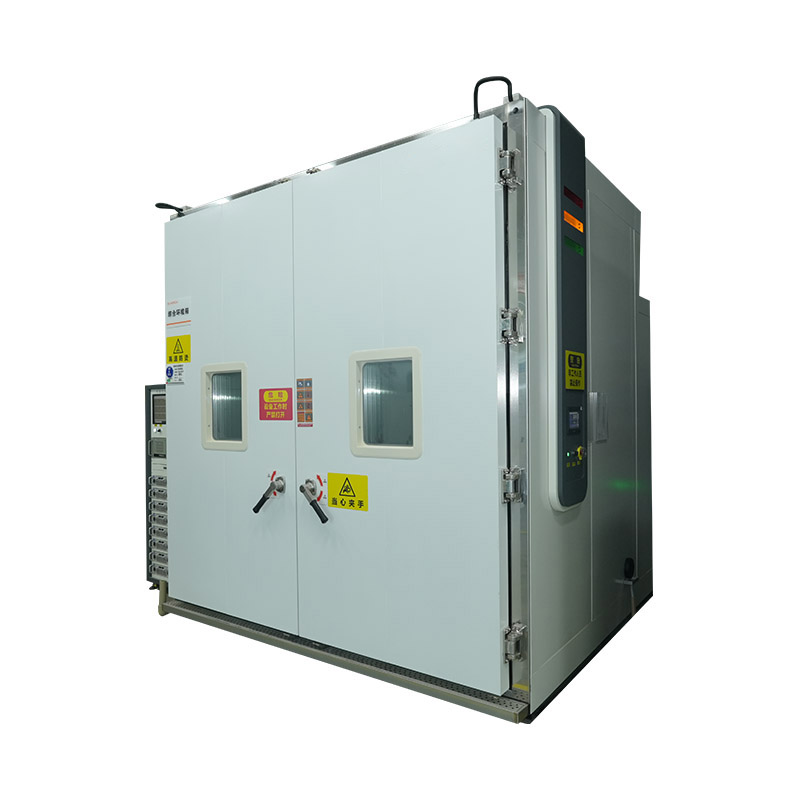
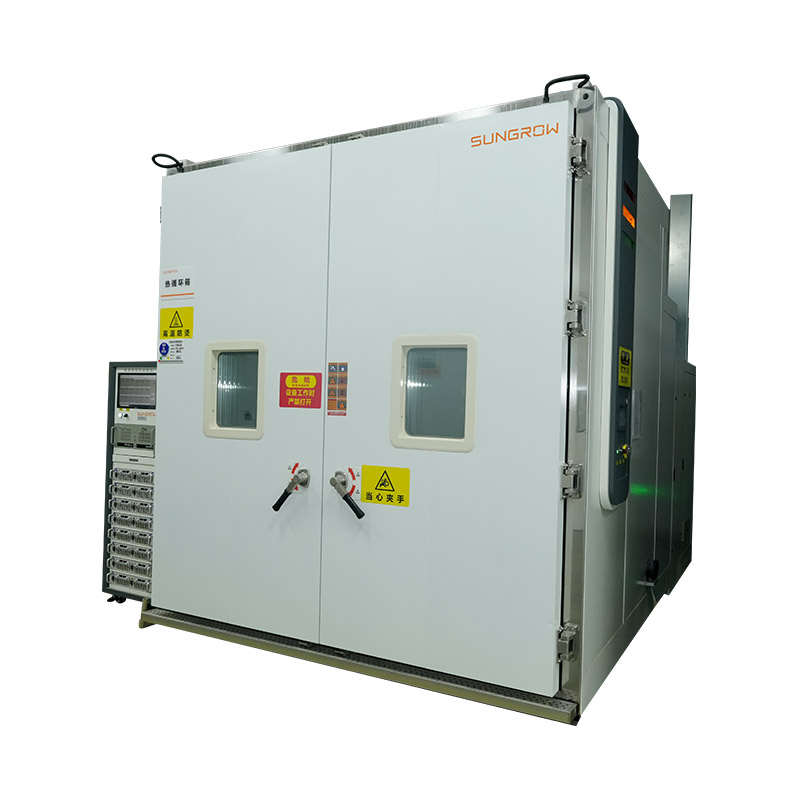
In the quest for a more sustainable future, industries are under increasing pressure to create products that are not only efficient and reliable but also durable and environmentally friendly. This is where the power of environmental simulation chambers becomes indispensable. These sophisticated pieces of equipment allow engineers and scientists to replicate a vast array of real-world conditions—from extreme temperatures and humidity to intense solar radiation and corrosive salt fog—within a controlled laboratory setting. By subjecting products to these accelerated stress tests, companies can identify potential failures, improve material selection, and extend product lifespans long before they reach the consumer. This proactive approach is a cornerstone of sustainable development, as it drastically reduces waste, minimizes the need for recalls and repairs, and ensures that resources are used efficiently from the design phase onward. Ultimately, environmental simulation chambers are not just testing tools; they are vital instruments for building a circular economy and fostering innovation that respects planetary boundaries.
Content
Sustainable design transcends merely using recycled materials; it's about engineering products for longevity, resilience, and minimal environmental impact throughout their entire lifecycle. This philosophy, often called "design for sustainability," requires a deep understanding of how a product will behave over years of use in diverse and often harsh environments. Relying on theoretical data or limited field trials is no longer sufficient. Environmental simulation chambers provide the empirical evidence needed to make informed decisions. They allow designers to answer critical questions: Will this biodegradable polymer maintain its integrity in a humid climate? How will repeated thermal cycling affect the efficiency of a solar panel? By uncovering weaknesses early, companies can iterate designs, choose more appropriate materials, and avoid the unsustainable practice of launching products with short, disposable lifespans. This rigorous validation process is crucial for reducing the carbon footprint associated with manufacturing, shipping, and disposing of faulty goods, making it a fundamental practice for any brand committed to genuine sustainability.
To comprehensively assess a product's sustainability credentials, a battery of specific tests is employed within environmental chambers. Each test targets different failure modes and environmental stressors that can degrade a product's performance and lifespan. Thermal cycling tests, for instance, are vital for electronics and renewable energy components, as they expose materials to expansion and contraction stresses, revealing soldering weaknesses or delamination issues that could lead to premature failure. Similarly, corrosion testing, such as salt spray tests, is essential for automotive parts and infrastructure materials to ensure they can withstand decades of exposure to harsh elements without degrading, thus avoiding frequent replacements. By understanding and utilizing these specific tests, developers can create products that are truly built to last, which is the very essence of sustainability. This methodical approach to testing is a key answer to the search query "corrosion testing methods for sustainable materials", providing a practical roadmap for engineers.
The following table outlines the primary objectives and applications of key environmental tests used in sustainable product development. This comparison helps in selecting the right test protocol for specific product goals, directly addressing the informational need behind the long-tail keyword "benefits of thermal cycling test for electronics".
| Test Type | Primary Purpose | Common Applications |
| Thermal Cycling | To uncover failures caused by CTE (Coefficient of Thermal Expansion) mismatches in materials. | Electronics, PCBAs, batteries, solar panels. |
| Salt Spray / Corrosion | To evaluate the corrosion resistance of materials and protective coatings. | Automotive components, naval hardware, building materials. |
| UV Weatherability | To accelerate the aging effects of sunlight on materials, including fading and embrittlement. | Plastics, textiles, paints, and coatings. |
| Damp Heat | To test product performance and insulation in high-humidity, high-temperature environments. | Electrical insulation, solar modules, consumer appliances. |
The true value of environmental simulation is realized when its data is seamlessly integrated into the product design and development lifecycle, a process often referred to as "how to validate product lifespan in lab". This integration moves testing from a final validation step to an active participant in the design process. In the early conceptual phase, simulation data from previous projects can inform material selection and fundamental architecture. During prototyping, chambers are used for rapid, iterative testing, allowing engineers to compare design alternatives and identify the most robust solution quickly. This data-driven approach minimizes costly late-stage design changes and ensures that sustainability is baked into the product from its very inception. By closing the loop between design and testing, companies can significantly accelerate their time-to-market for innovative, sustainable products while ensuring they meet the highest standards of quality and durability.
Accelerated life testing within environmental chambers offers a profound advantage for eco-design initiatives. The primary benefit is time compression; a test that simulates ten years of outdoor exposure can be completed in a matter of weeks. This allows companies to make sustainable choices with confidence without delaying product launches. Furthermore, it provides a level of certainty that field testing cannot, as field tests are subject to unpredictable weather and variables. This controlled acceleration is crucial for "accelerated life testing for renewable energy products", such as wind turbine blades or solar inverters, where long-term reliability is directly tied to the economic and environmental viability of renewable energy. By proving a product's longevity in the lab, manufacturers can provide credible warranties, reduce the likelihood of products ending up in landfills prematurely, and build a reputation for reliability that is essential in a green economy.
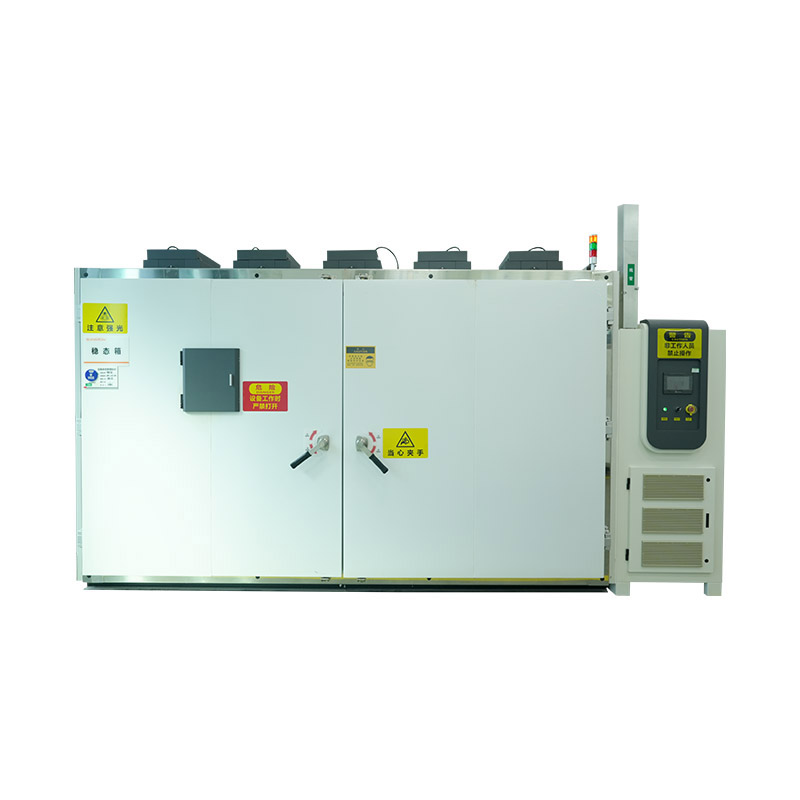
The connection is direct and fundamental. Sustainability aims to reduce waste and conserve resources. Environmental testing ensures products are durable and long-lasting, which is the most effective form of waste reduction. A product that doesn't break, corrode, or fade quickly doesn't need to be replaced as often, saving the raw materials, energy, and transportation emissions required to manufacture and ship a replacement. By using environmental simulation chambers to build better products, companies actively prevent waste and promote a circular economy.
Yes, through a process called accelerated life testing. Chambers don't magically age time; they intensify the specific environmental stressors that cause degradation. For example, by exposing a material to UV radiation at an intensity much higher than normal sunlight, the chemical breakdown that would naturally occur over years happens in a matter of days. Similarly, rapidly cycling between extreme temperatures accelerates mechanical fatigue. The models used to correlate this accelerated damage to real-world timelines are based on well-established scientific principles and standards, making the results highly reliable for predicting long-term performance.
This is a key question for those researching "environmental test chamber price range", as the terms imply different capabilities and costs. A stability chamber is designed for precise, long-term storage at constant, set conditions (e.g., 25°C/60%RH). Its primary use is in pharmaceuticals to test product shelf life. An environmental test chamber, conversely, is engineered for dynamic, rapid changes in conditions (temperature, humidity, etc.) and often includes capabilities for extreme stresses like thermal shock, vibration, or customized atmospheric conditions. They are more robust, complex, and designed for accelerated testing rather than stable storage.
Selecting the right chamber depends on the specific stresses your product will face. Start by defining the test standards you need to meet (e.g., ASTM, IEC). Then, consider the required range and rate of change for temperature and humidity. The size of your test samples and the need for additional capabilities like UV lighting, spray functions, or vibration will significantly influence the environmental test chamber price range. Consulting with testing experts and chamber manufacturers is crucial to ensure you invest in a system that accurately simulates the conditions most relevant to your product's sustainability and performance.




We value your suggestions and questions. If you have any questions about our products and services, please contact us. We will treat you responsibly and reply to your information as soon as possible.
 Building 14, Chuangjin Industrial Park, Zhitang Town, Changshu City, Suzhou City, Jiangsu, China
 +86-17712471297


 EN
EN
 English
 中文简体
中文简体