-
 [email protected]
-
 +86-17712471297
[email protected]
+86-17712471297

If your solar system's output drops without warning, the fastest way to diagnose it is by checking three things in order: the inverter's display readings, the DC output voltage at the panel level, and whether any error codes point to a climate-related fault. Most underperformance issues trace back to either a single failing panel, a voltage mismatch in the string, or an inverter struggling under temperature extremes — all of which can be checked without specialized equipment.
Content
Start with the inverter display or its companion app — nearly all modern inverters show real-time power output (in kW) and daily/cumulative energy yield (in kWh). Compare today's output against historical data for the same time of year and weather conditions; a drop of more than 15–20% on a clear day is worth investigating further.
If output has dropped across the entire array uniformly rather than on individual panels, the issue is more likely in the inverter or the grid connection than in the panels themselves.
Solar panel output voltage isn't a single fixed number — it varies with sunlight intensity, temperature, and whether the panel is under load or open-circuit. Two figures matter most for diagnosis: open-circuit voltage (Voc), measured with no load connected, and the operating voltage (Vmp), which is the voltage at maximum power point under normal operating conditions.
| Panel Type (Typical 60-cell) | Voc Range | Vmp Range |
|---|---|---|
| Monocrystalline | 37–41V | 30–34V |
| Polycrystalline | 36–40V | 29–33V |
A key detail many homeowners miss: voltage rises as temperature drops, so a Voc reading taken on a cold morning can be 10–15% higher than the panel's rated value at standard test conditions (25°C) — this is normal and not a fault. Conversely, a reading significantly below spec on a sunny, moderate-temperature day usually indicates a degraded cell, a loose connection, or a failing bypass diode within the panel.
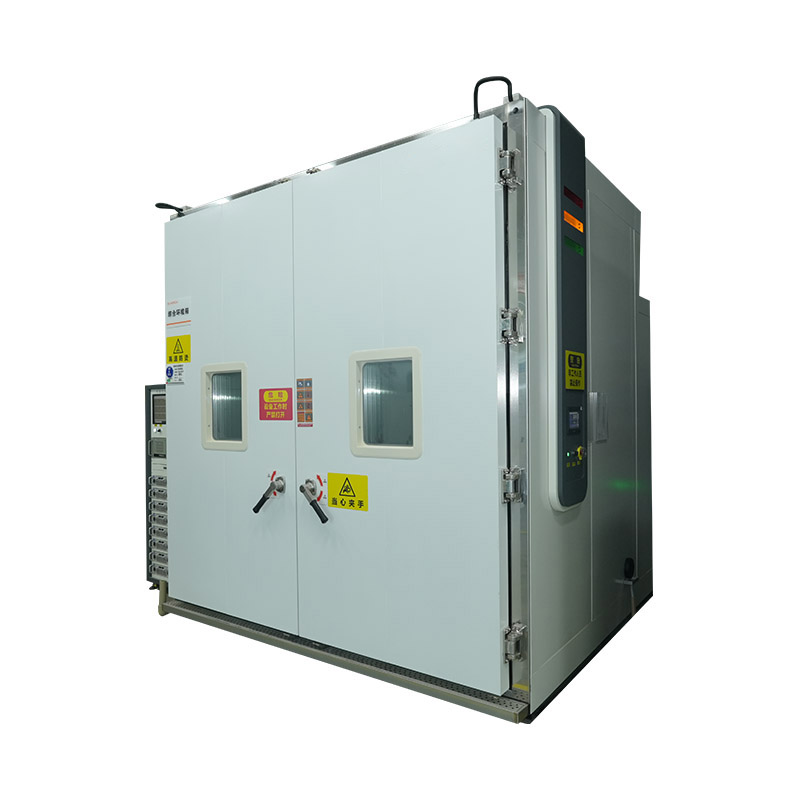
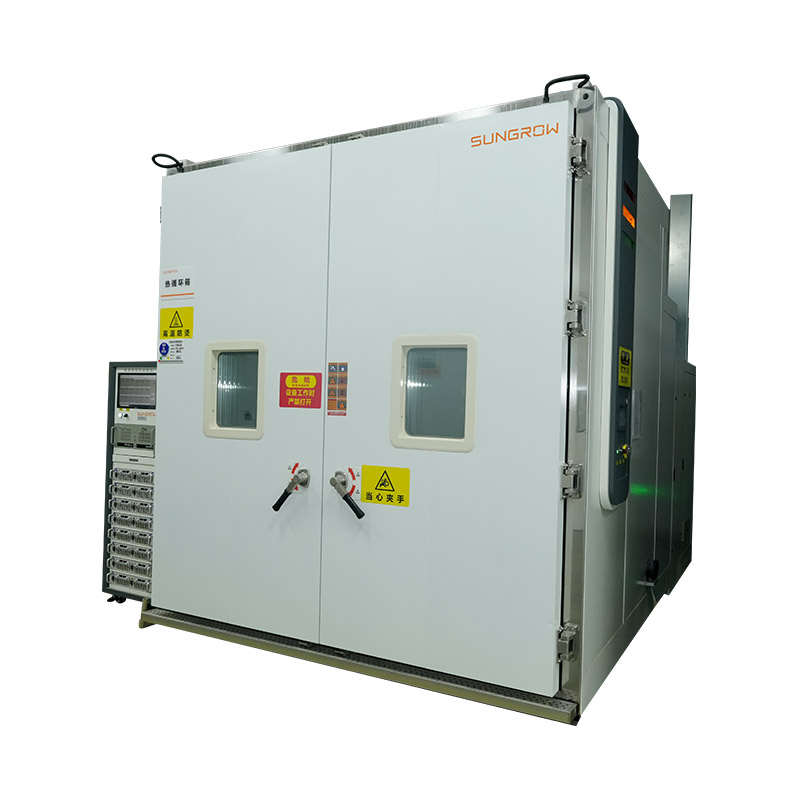
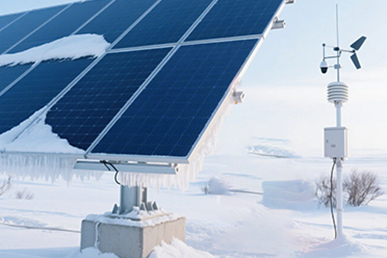
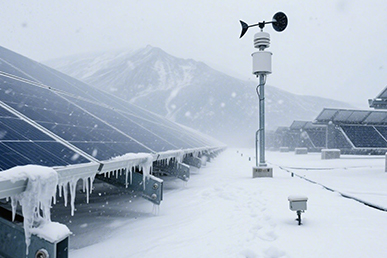
Inverters sit at the most electronically sensitive point in a solar system, and unlike panels, they contain active components — capacitors, IGBTs, cooling fans — that degrade faster under thermal stress. Climate testing for solar inverters subjects units to cycles of extreme temperature, humidity, and condensation to verify they'll function reliably across the range of conditions specified on their datasheet, typically -25°C to 60°C for outdoor-rated models.
Standard climate testing protocols for inverters generally include:
An inverter that derates its output power on hot days — often visible as a gradual power reduction in the afternoon even with strong sunlight — is exhibiting expected thermal derating behavior, which climate testing is designed to characterize and limit to safe levels.
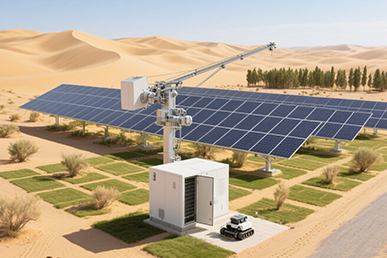
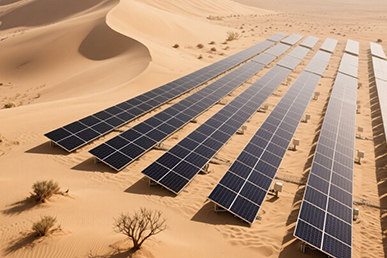
Before a solar panel model reaches the market, it's typically subjected to accelerated aging in environmental testing chambers designed to replicate years of outdoor exposure within weeks. These chambers control temperature, humidity, UV exposure, and mechanical stress independently, allowing manufacturers to validate the 25-30 year performance warranties commonly offered on modules.
Core tests performed in PV module testing chambers include:
These chamber tests follow internationally recognized standards such as IEC 61215 for design qualification and IEC 61730 for safety, and passing them is generally a prerequisite for panels to be eligible for grid-connection certification and long-term performance warranties in most markets.

We value your suggestions and questions. If you have any questions about our products and services, please contact us. We will treat you responsibly and reply to your information as soon as possible.
 Building 14, Chuangjin Industrial Park, Zhitang Town, Changshu City, Suzhou City, Jiangsu, China
 +86-17712471297


 EN
EN
 English
 中文简体
中文简体